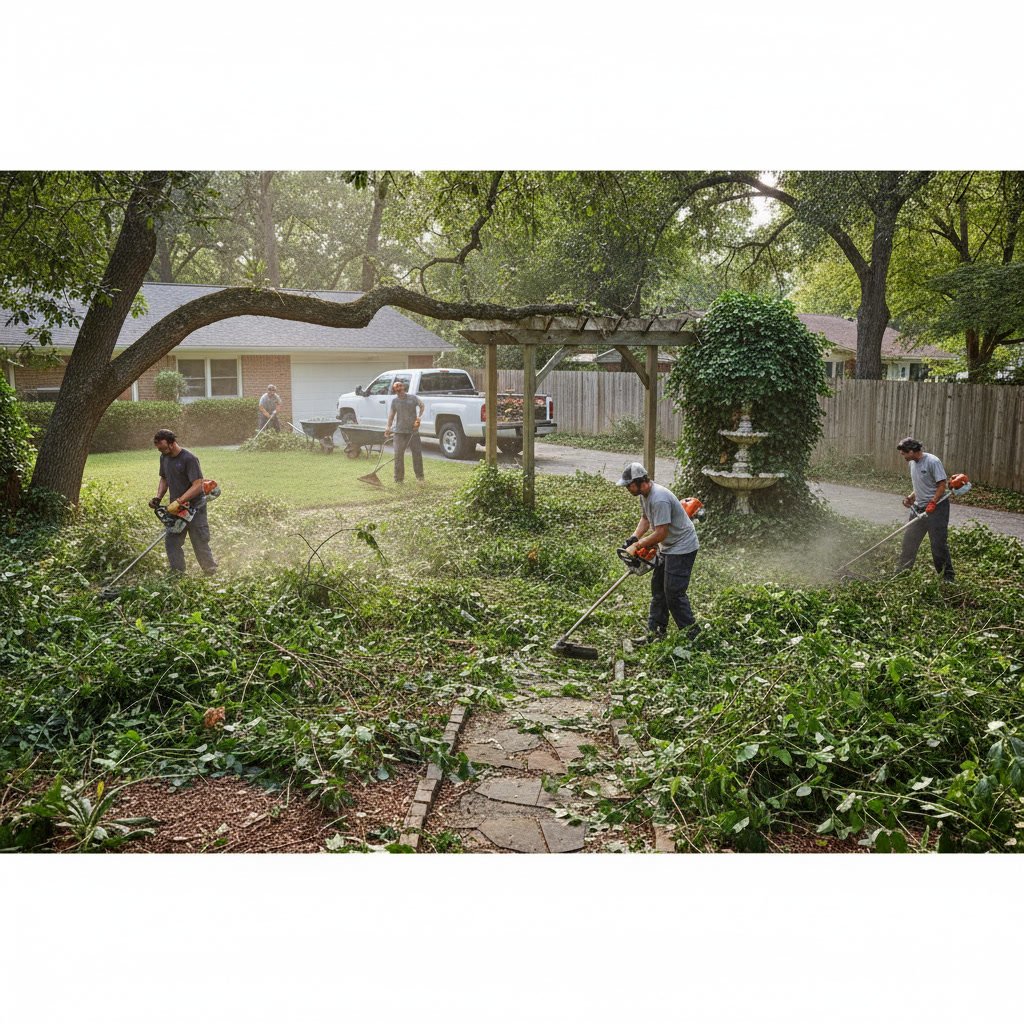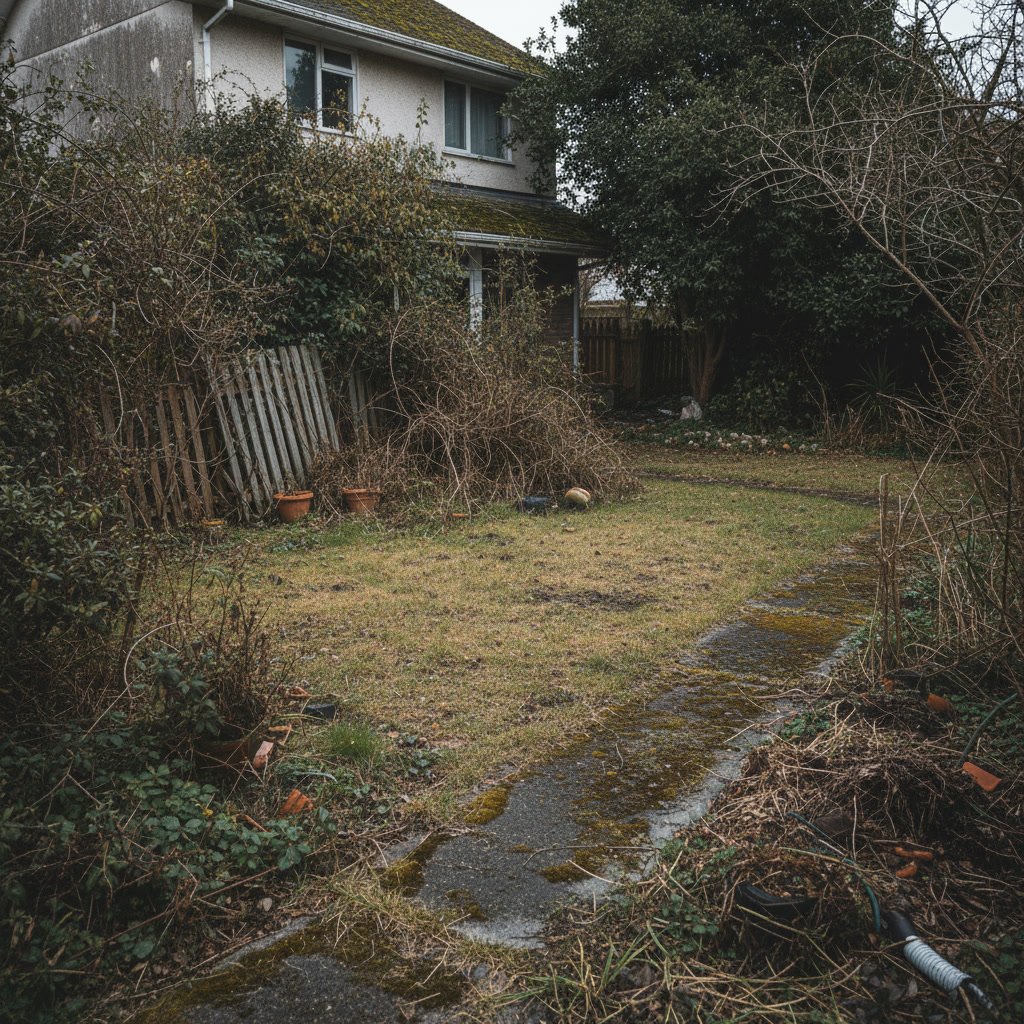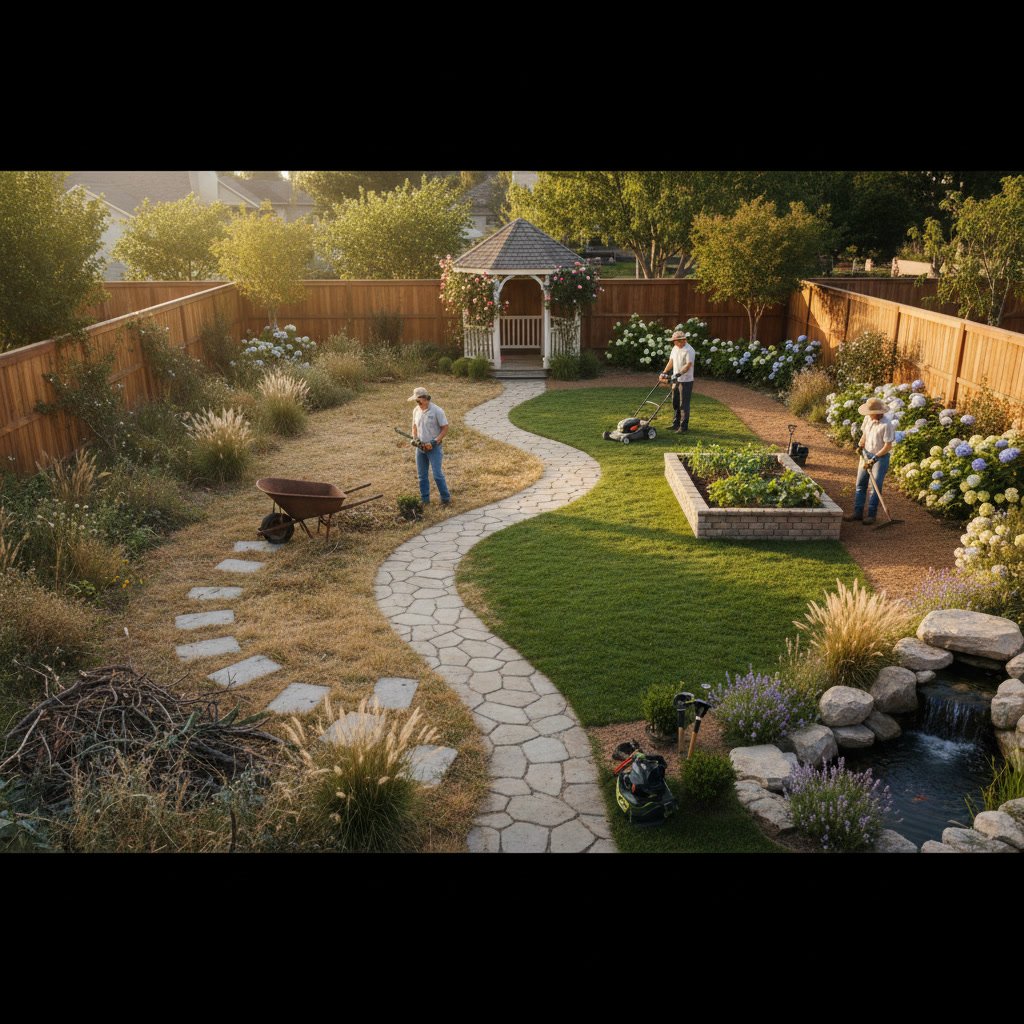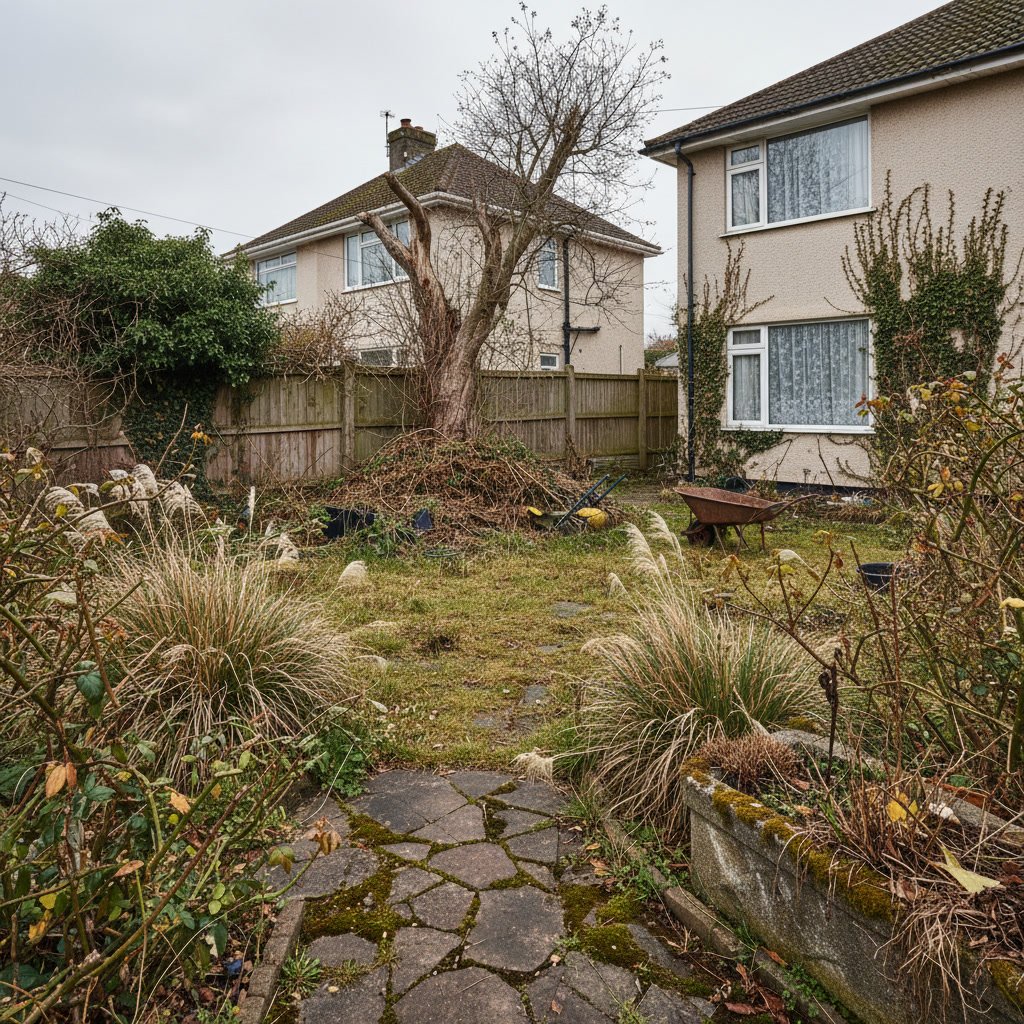
Landscaping should improve curb appeal, prevent erosion, and create functional outdoor spaces. When design or maintenance fails, however, your yard can cause drainage issues, attract pests, damage your foundation, and lower property value. Recognizing bad landscaping problems early helps you address them before they escalate into costly repairs or safety hazards. This guide identifies the most common warning signs that your outdoor spaces need professional attention.
Why Good Design Matters More Than Aesthetics
Many homeowners focus only on how plants look during installation. Proper landscape design balances visual appeal with engineering principles. A well-planned yard directs water away from structures, supports healthy plant growth, and reduces long-term maintenance. Poor planning creates recurring expenses and structural risks that far exceed the initial savings from a quick or cheap installation.
The difference between functional and problematic landscaping often comes down to understanding soil conditions, drainage patterns, and plant requirements. Professional installation considers these factors from the start, while DIY or inexperienced work frequently ignores them until problems appear.
How Drainage Issues Reveal Design Flaws
Standing water near your foundation, soggy patches that never dry, or erosion channels cutting through your lawn all signal drainage problems. Landscapes should slope away from buildings at a minimum grade of two percent, approximately one-quarter inch per foot. Flat or reverse-graded yards trap water against foundations, leading to basement leaks, cracked concrete, and structural settling.
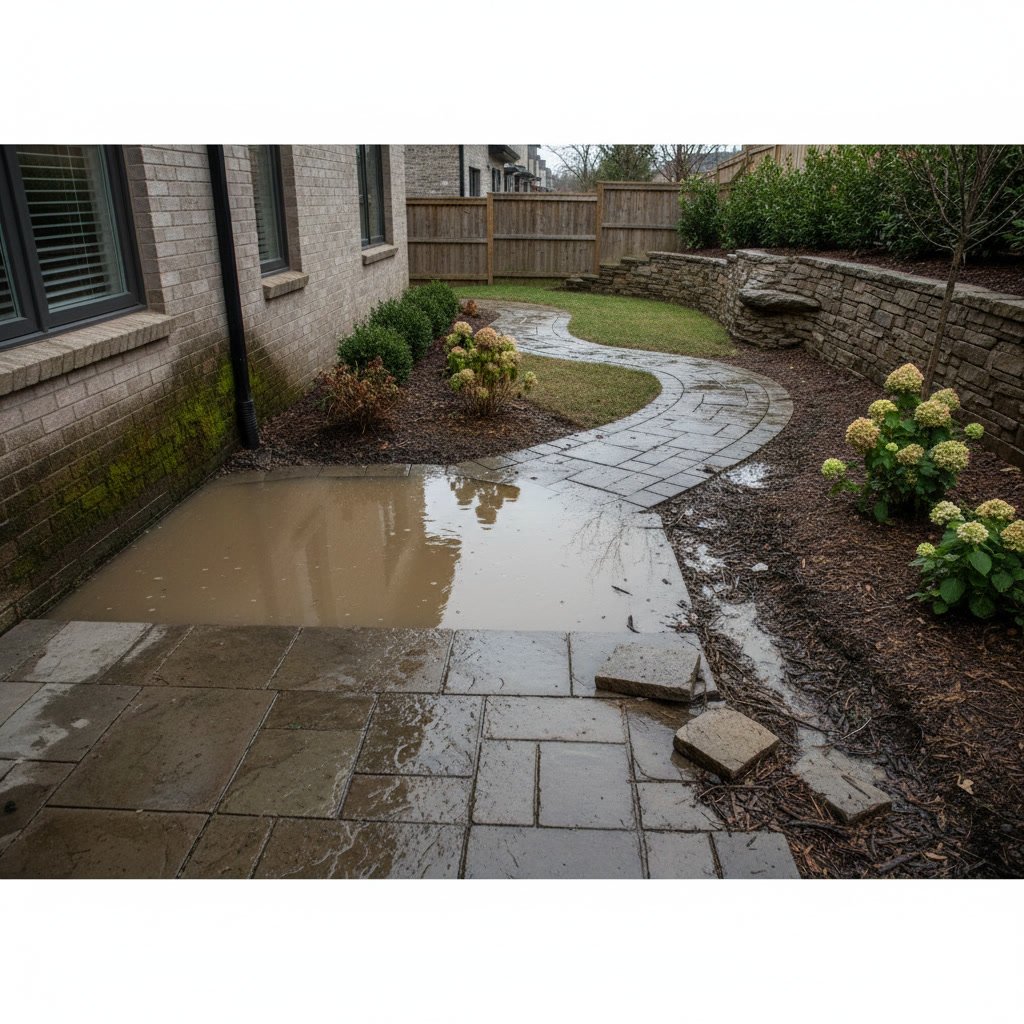
Downspouts that empty directly onto flowerbeds or walkways compound the problem. Water needs a clear path to drainage areas at least 10 feet from structures. French drains, rain gardens, or properly graded swales solve most drainage issues when installed correctly. Ignoring these signs leads to foundation repair bills that often exceed $10,000.
When Plant Placement Creates Damage
Trees and shrubs planted too close to buildings cause multiple problems. Roots infiltrate sewer lines, crack foundations, and lift sidewalks. Branches scrape siding, clog gutters, and create entry points for pests. Large trees need at least 15 to 20 feet of clearance from structures, while even small shrubs require three to five feet to prevent contact as they mature.
Overgrown foundation plantings block airflow and trap moisture against your home. This environment encourages mold, wood rot, and insect infestations. If you cannot see your foundation through the plants, the landscaping has outgrown its appropriate scale. Regular outdoor landscape maintenance prevents this overgrowth before it causes damage.
Warning Signs of Unhealthy or Invasive Plants
Dead patches, yellowing leaves, or stunted growth indicate plants struggling in unsuitable conditions. Species planted in wrong light levels, soil types, or moisture conditions never thrive. They require constant intervention, wasting water and fertilizer while still looking poor. Healthy landscapes feature plants matched to their specific locations.
Invasive species spread beyond their intended areas, choking out desirable plants and disrupting local ecosystems. English ivy, burning bush, and certain ornamental grasses often escape control. Once established, removal requires significant effort and expense. Choosing regionally appropriate plants from the start avoids these ongoing battles.
Soil Erosion and Bare Spots That Expand
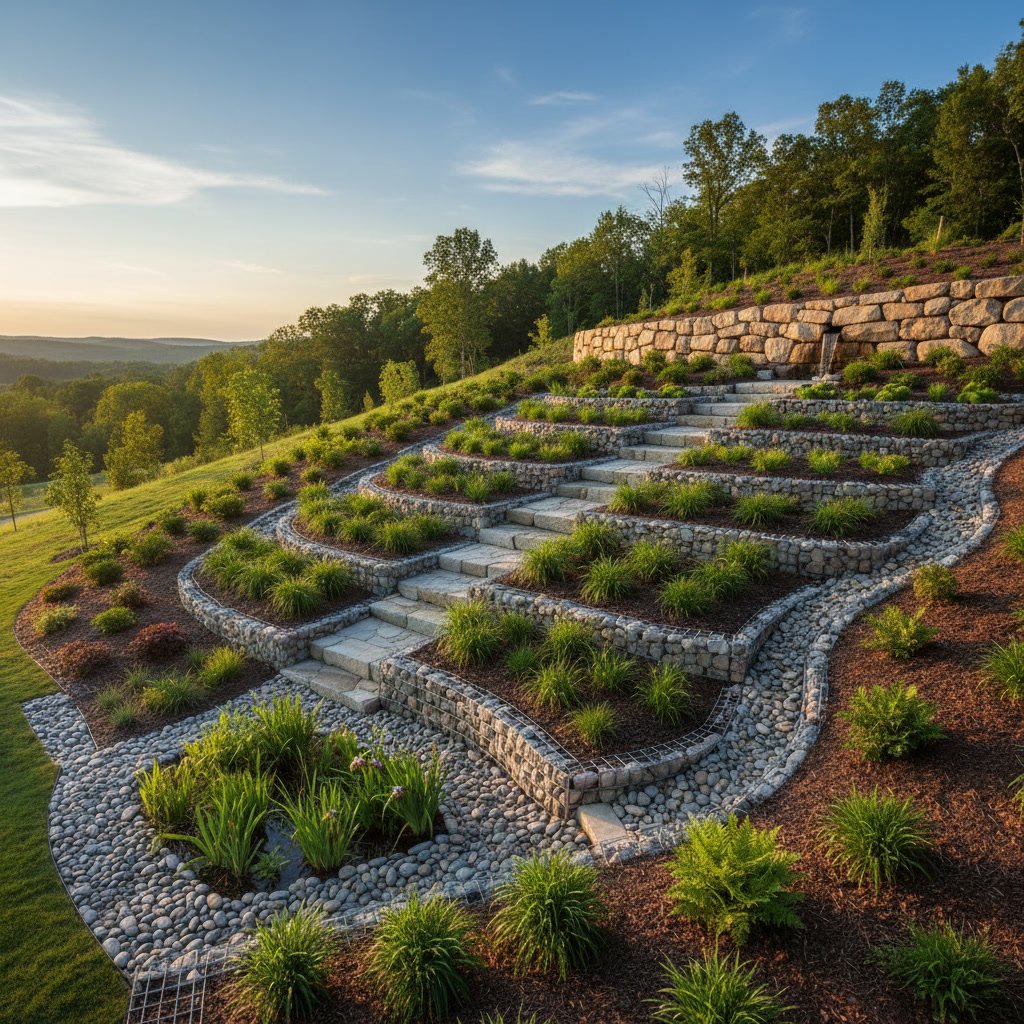
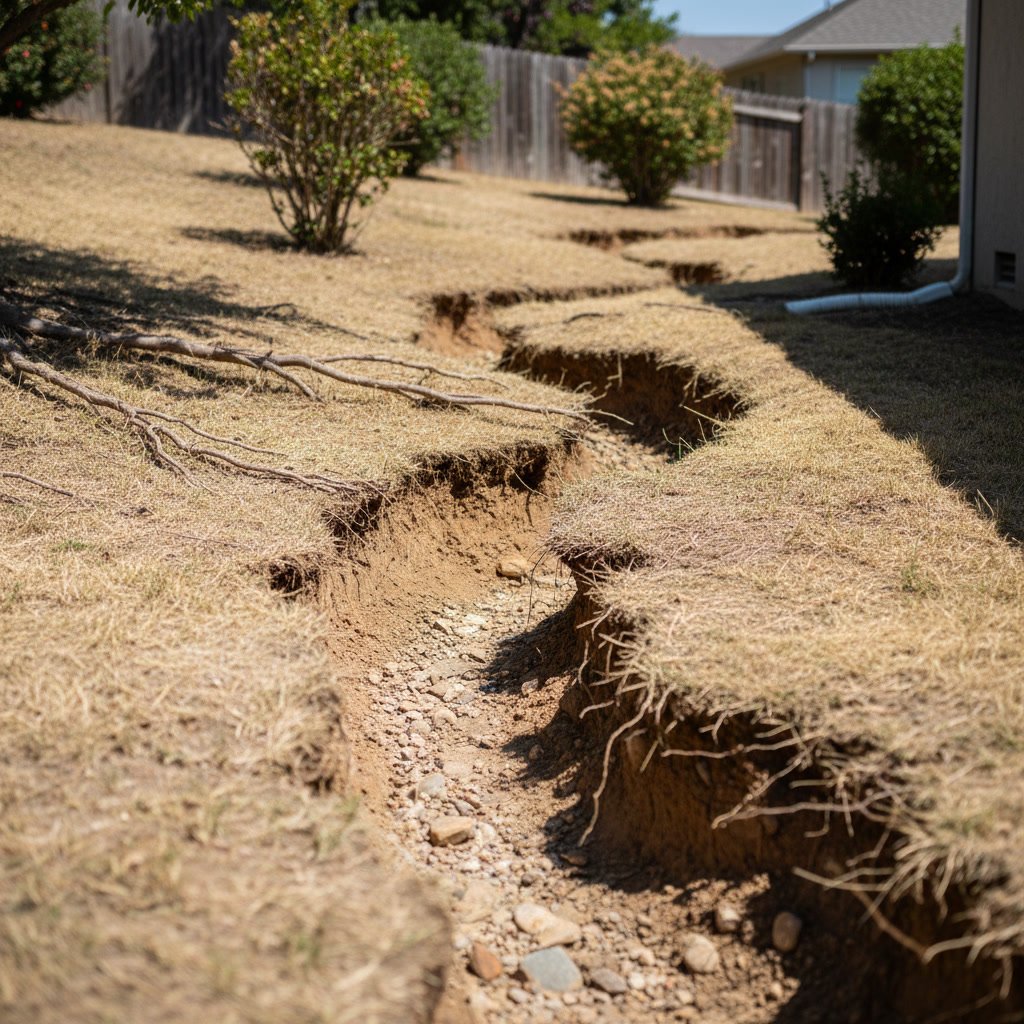
Erosion reveals inadequate ground cover or improper grading. Exposed soil washes away during rain, creating ruts and depositing sediment in unwanted areas. Slopes greater than 15 degrees need terracing, retaining walls, or deep-rooted plants to hold soil in place. Grass alone cannot stabilize steep grades.
Bare patches under trees or in high-traffic areas signal compacted soil or excessive shade. Compaction prevents root growth and water infiltration, creating dead zones that expand each season. Aeration and shade-tolerant ground covers solve these issues when addressed promptly. Allowing erosion to continue damages property and may violate local stormwater regulations in areas like Parkville.
Six Common Problems and Their Quick Identifiers
Recognizing specific issues helps you prioritize repairs. Here are the most frequent bad landscaping problems homeowners encounter:
- Foundation water pooling: Water stands within five feet of your home for more than 24 hours after rain.
- Root damage: Cracks in driveways or sidewalks appear near large trees, or sewer backups occur without obvious blockages.
- Pest attraction: Mulch piles against siding, overgrown shrubs touching the house, or dense ground cover near entries create rodent and insect habitat.
- Poor growth: Plants require excessive watering, fertilizing, or pruning but still appear unhealthy or fail to establish after two growing seasons.
- Neighbor impact: Your plants drop debris in adjacent yards, roots cross property lines, or shade blocks neighbors’ gardens.
- Safety hazards: Overgrown vegetation blocks sightlines at driveways, walkways become slippery from moss or algae, or dead branches hang over structures.
Each problem escalates over time. Early intervention through proper landscaping services prevents minor issues from becoming major expenses.
The Hidden Costs of Deferred Landscape Maintenance
Neglected yards accumulate problems faster than most homeowners expect. A single season of missed pruning allows branches to grow large enough to require professional removal. Two years without edging lets grass invade beds, requiring complete renovation. Deferred maintenance costs three to five times more than regular upkeep when problems finally demand attention.
Property value suffers immediately from visible neglect. Real estate studies show poor landscaping reduces home values by seven to 10 percent compared to well-maintained properties. Buyers notice overgrown shrubs, weedy beds, and drainage issues during initial viewings, often deciding against making offers before even entering the home.
How Improper Mulch Application Causes Problems
Mulch volcanoes piled against tree trunks trap moisture and encourage rot, insect damage, and disease. Proper application keeps mulch three to four inches from trunks and maintains a depth of two to three inches across beds. Excessive mulch depth creates anaerobic conditions that kill roots and promote fungal growth.
Wrong mulch types create additional issues. Fresh wood chips rob nitrogen from soil as they decompose. Dyed mulches may contain chemicals unsuitable for vegetable gardens. Rubber mulch retains heat that damages shallow roots. Understanding professional practices explained in resources about landscape maintenance standards helps you evaluate whether your current approach meets best practices.
When Hardscaping Creates More Work
Poorly installed patios, walkways, and retaining walls settle, crack, or tilt within a few years. Proper hardscaping requires compacted base layers, adequate drainage, and appropriate materials for local climate conditions. Shortcuts during installation guarantee premature failure.
Retaining walls without drainage systems build hydrostatic pressure that eventually causes collapse. Walls over four feet high need engineering in most jurisdictions. Unlevel pavers create tripping hazards and water pooling. These problems require complete reconstruction rather than simple repairs, making professional installation the only cost-effective choice from the start.
Irrigation Systems That Waste Resources
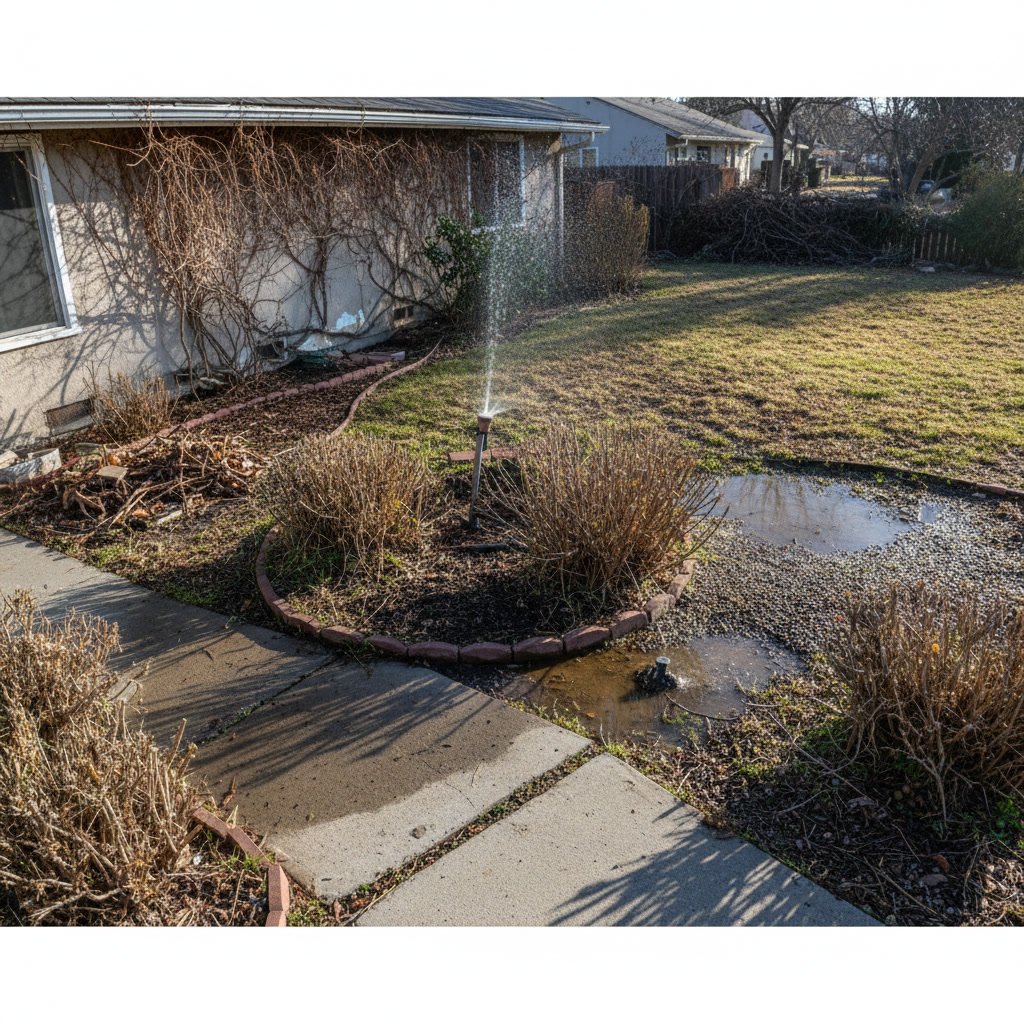
Sprinklers watering sidewalks, driveways, or building walls indicate poor design or broken components. Overwatering creates fungal diseases, encourages shallow roots, and wastes hundreds of dollars annually. Brown spots next to green areas show uneven coverage requiring adjustment or additional heads.
Systems without rain sensors or smart controllers run during storms, violating water restrictions in many communities. Leaking valves or broken pipes waste water underground, sometimes for months before detection. Professional lawn care includes irrigation monitoring that catches these problems early.
Taking Action Before Problems Compound
Addressing landscaping issues promptly saves money and protects your property. Start with a professional assessment that identifies drainage patterns, evaluates plant health, and spots structural concerns. Most problems have straightforward solutions when caught early but require extensive work after years of neglect.
Prioritize fixes that prevent damage to structures or neighboring properties. Foundation drainage and tree root management come first. Aesthetic improvements like plant replacement or bed redesign follow once functional issues are resolved. A systematic approach prevents wasted effort on cosmetic changes that underlying problems will quickly undo.
Your landscape should enhance your property and simplify outdoor maintenance, not create ongoing headaches. All Season Lawn and Landscaping LLC has helped homeowners throughout the Kansas City area identify and correct these common issues since 2008. If you recognize any of these warning signs in your yard, a professional evaluation provides clarity on the best path forward. Reach out at +18163633203 to discuss how proper design and maintenance can restore your outdoor spaces to their intended function and beauty.