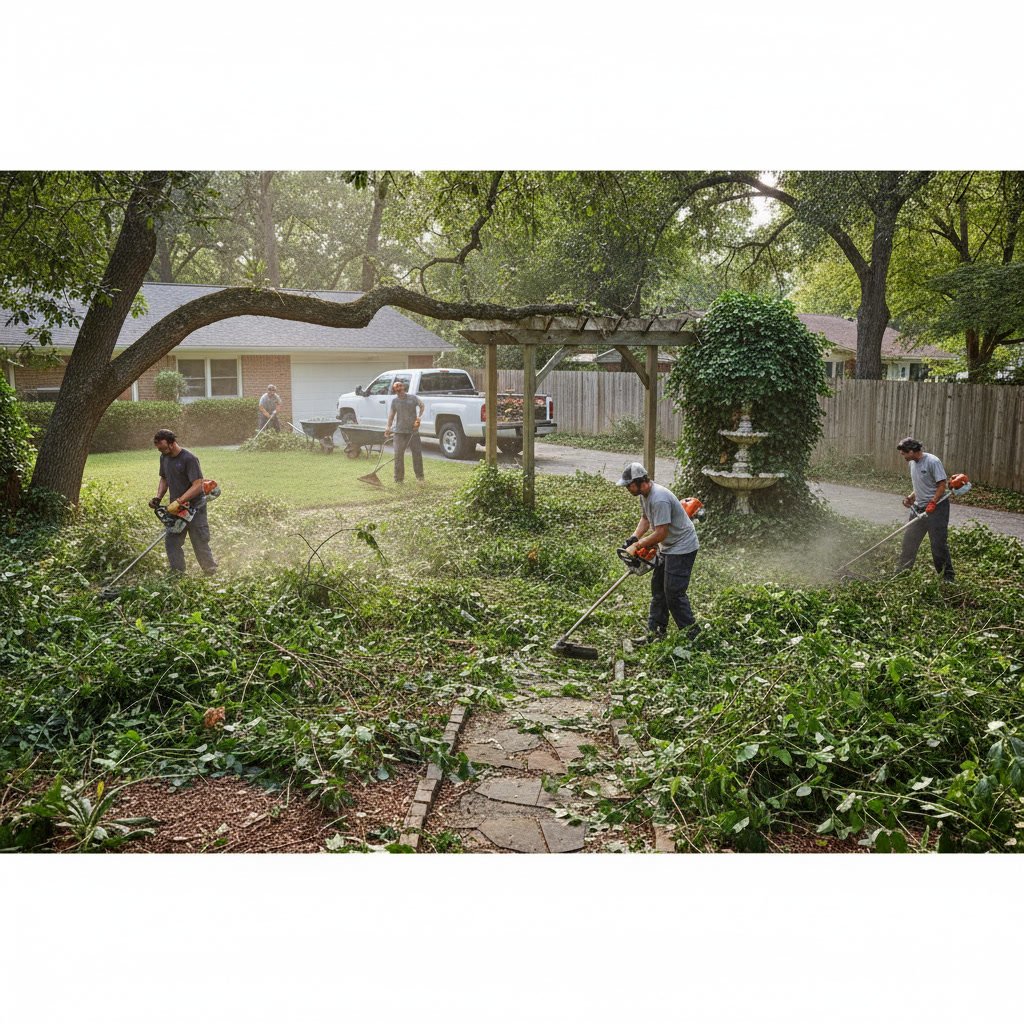
Your property shows its age quickly when landscape maintenance falls behind. Brown patches appear in the lawn, overgrown shrubs block walkways, and debris piles up in beds. Many property owners wait until problems become obvious before taking action, but reactive care costs more and delivers worse results than a planned maintenance schedule.
Understanding what is landscape maintenance and establishing the right service frequency protects your investment while keeping your outdoor spaces looking their best throughout the year. This guide breaks down the core services included in professional landscape maintenance, explains how often different properties need attention, and helps you determine the right schedule for your specific situation.
Understanding the Scope of Landscape Maintenance
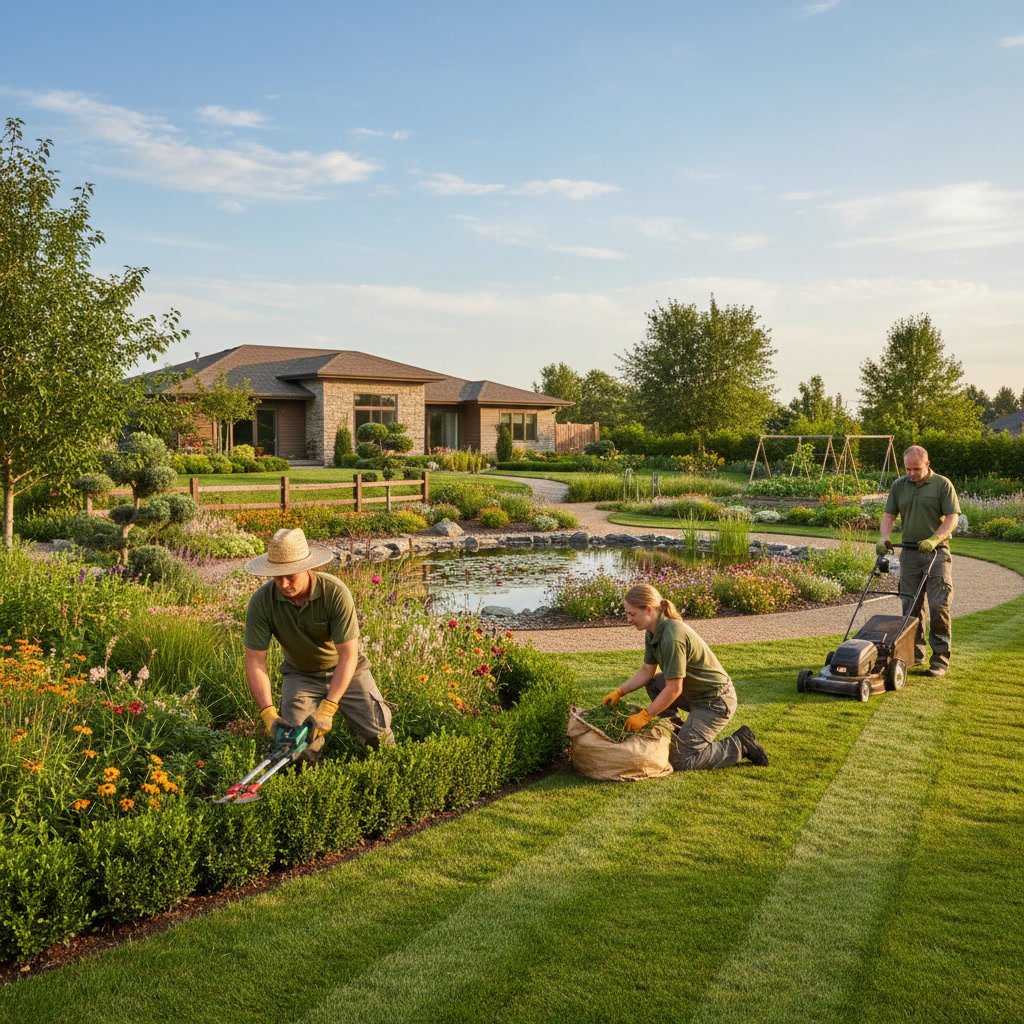
When asking what is landscape maintenance, the answer goes beyond basic mowing. Professional landscape maintenance encompasses all the ongoing tasks required to keep your outdoor spaces healthy, attractive, and functional. These services work together as a system rather than standalone tasks.
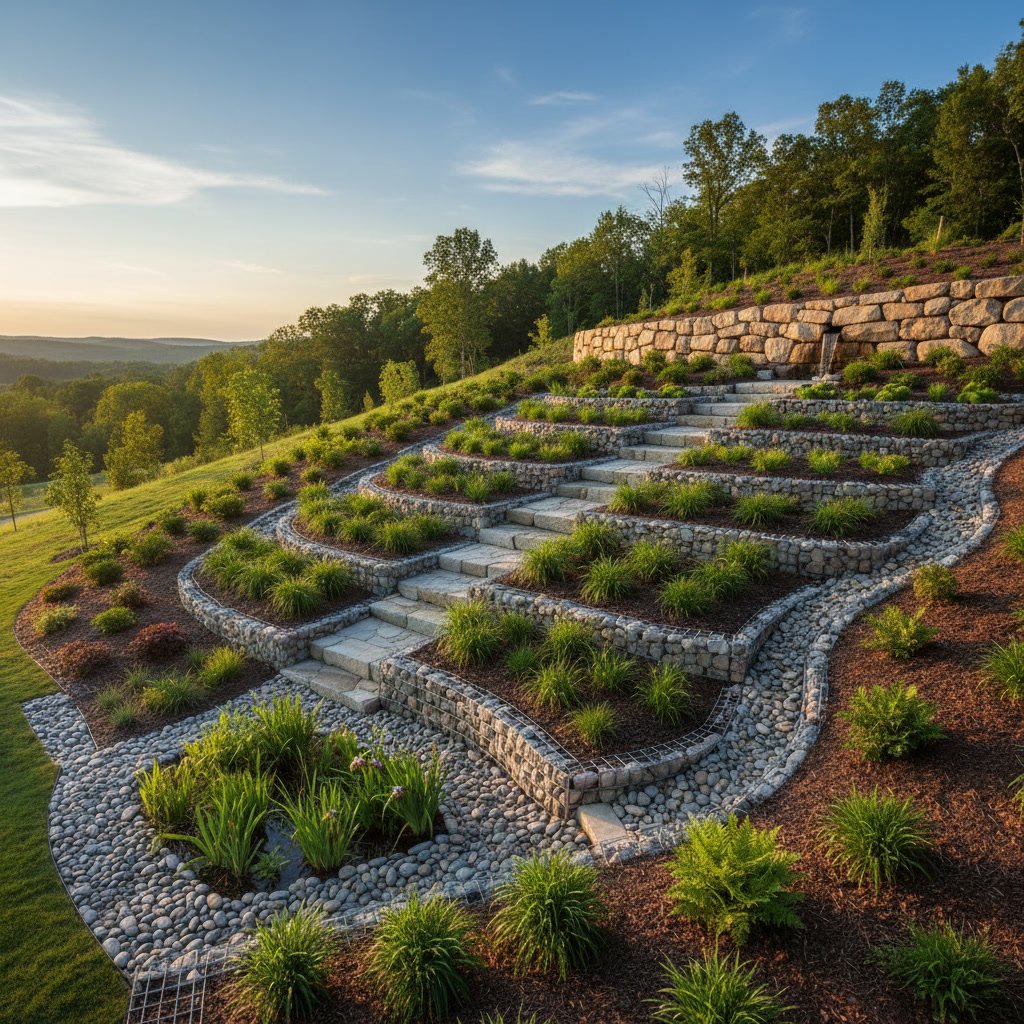
The maintenance category differs from one-time projects like installations or major renovations. While landscape design creates the initial vision and construction brings it to life, maintenance preserves and enhances what exists.
Most professional maintenance programs include turf care, plant health management, seasonal cleanups, and ongoing adjustments to irrigation and hardscapes. The specific mix of services depends on your property’s features, size, and your goals for the space.
Properties in Parkville, Weatherby Lake, Gladstone, and Liberty face similar climate challenges that influence maintenance needs. Missouri’s hot summers, cold winters, and variable spring weather create distinct seasonal demands that require different approaches throughout the year.
Core Services Included in Professional Landscape Maintenance
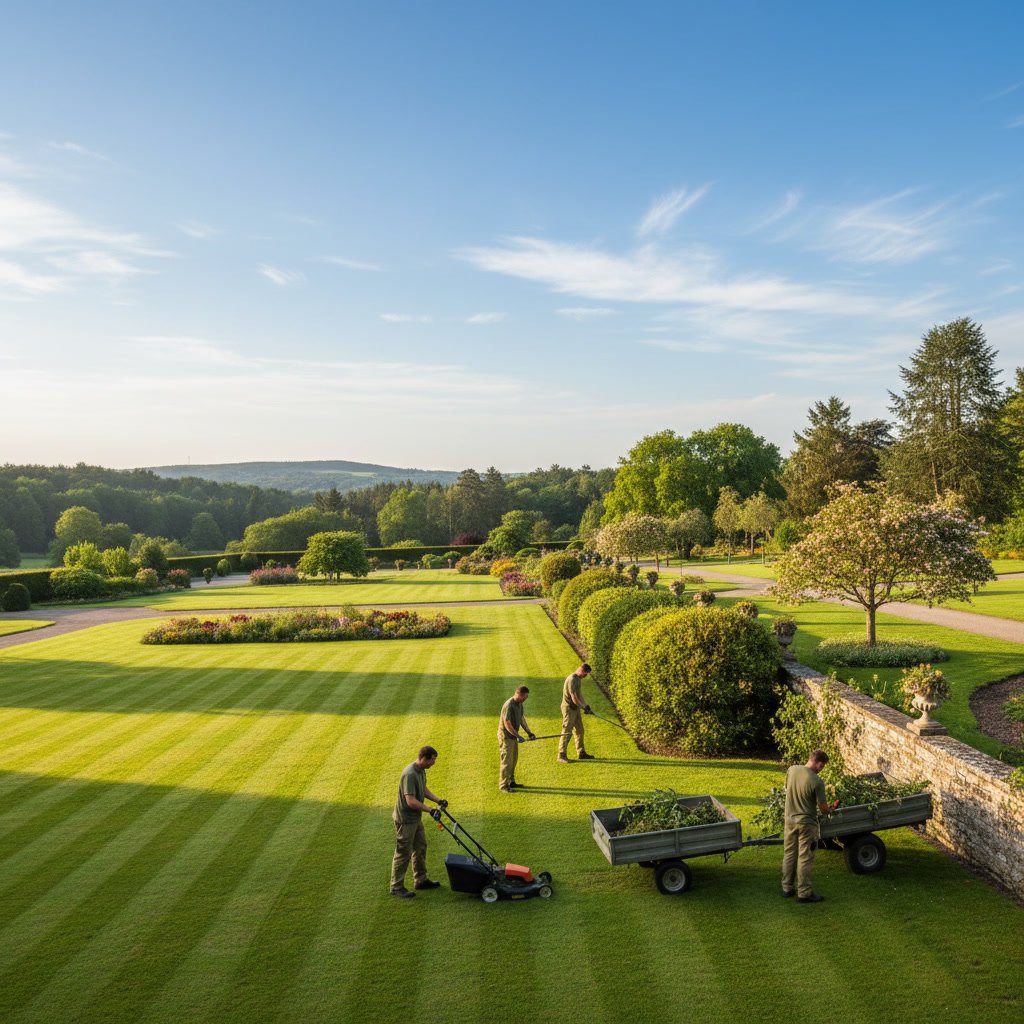
A comprehensive outdoor landscape maintenance program addresses every element of your property’s exterior. Understanding each service helps you evaluate what your property needs and how often.
Turf Management and Mowing
Regular mowing maintains the right grass height for health and appearance, typically between 2.5 and 3.5 inches for most Missouri lawns. Professional teams adjust cutting height seasonally and never remove more than one-third of the blade length in a single session.
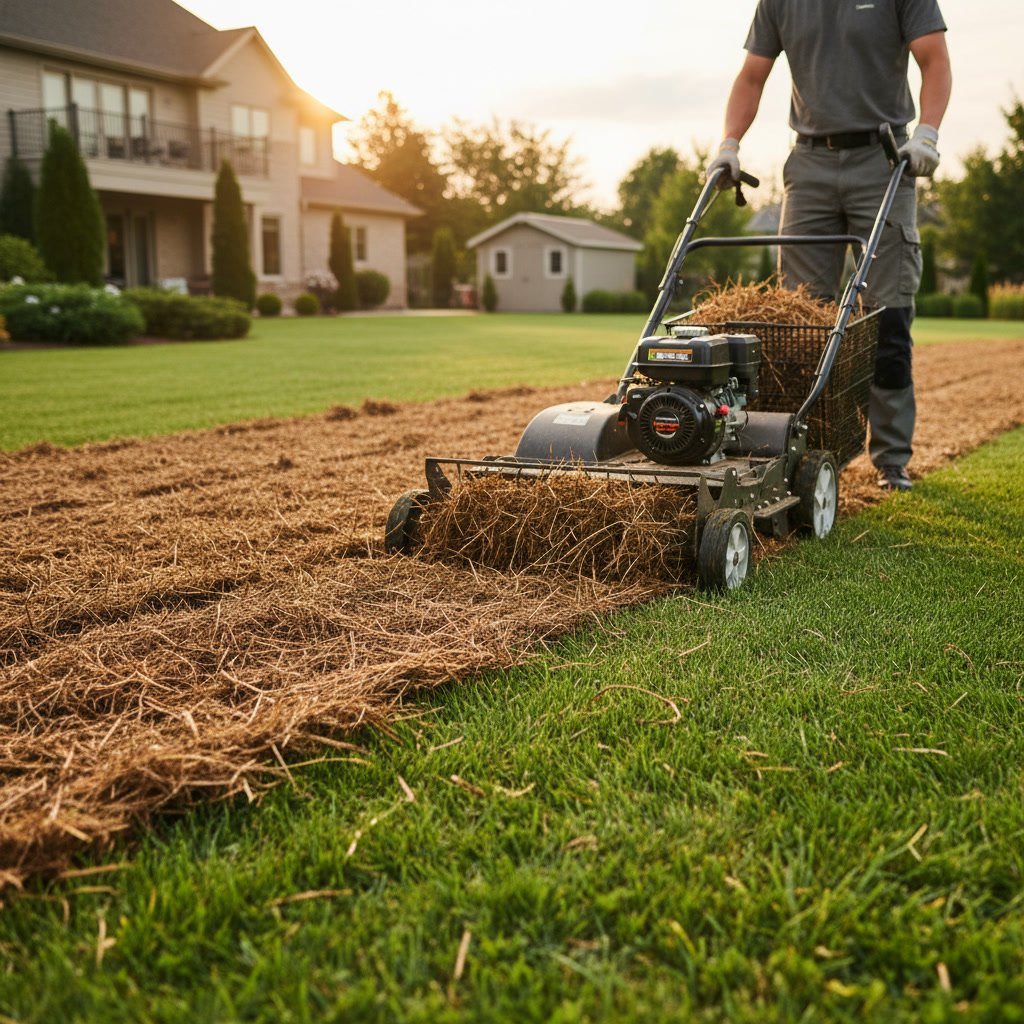
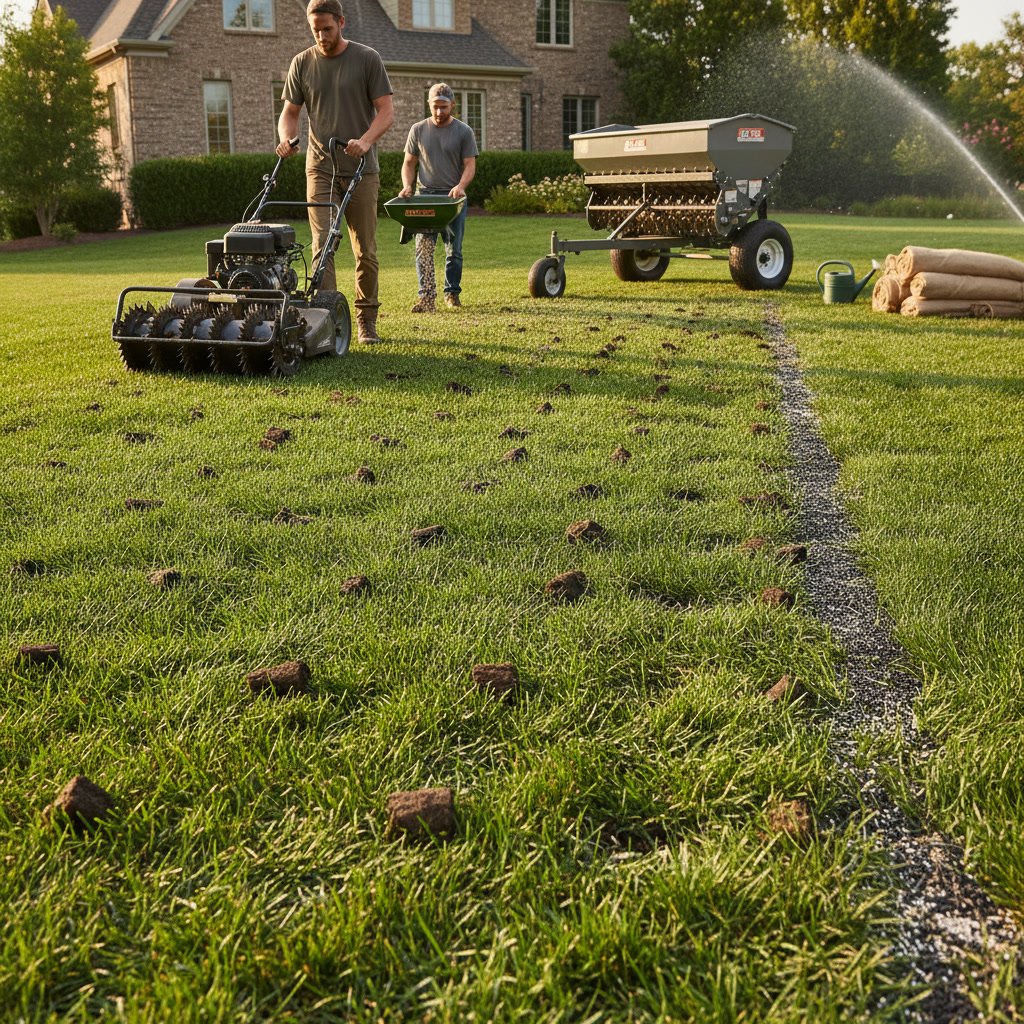
Turf management extends beyond cutting. Services include edging along walkways and beds, string trimming in tight areas, and blowing debris from hard surfaces. Many programs incorporate overseeding, aeration, and targeted fertilization as part of comprehensive lawn maintenance.
Plant Care and Pruning
Shrubs, perennials, and ornamental trees require regular attention to maintain shape, control size, and promote healthy growth. Professional pruning removes dead or diseased branches, opens up plant canopies for better air circulation, and shapes plants to complement your landscape design.
Timing matters significantly with pruning. Spring-flowering shrubs need trimming immediately after blooms fade, while summer-flowering varieties get cut back in late winter. Improper timing can eliminate an entire season’s flowers.
Bed Maintenance and Mulching
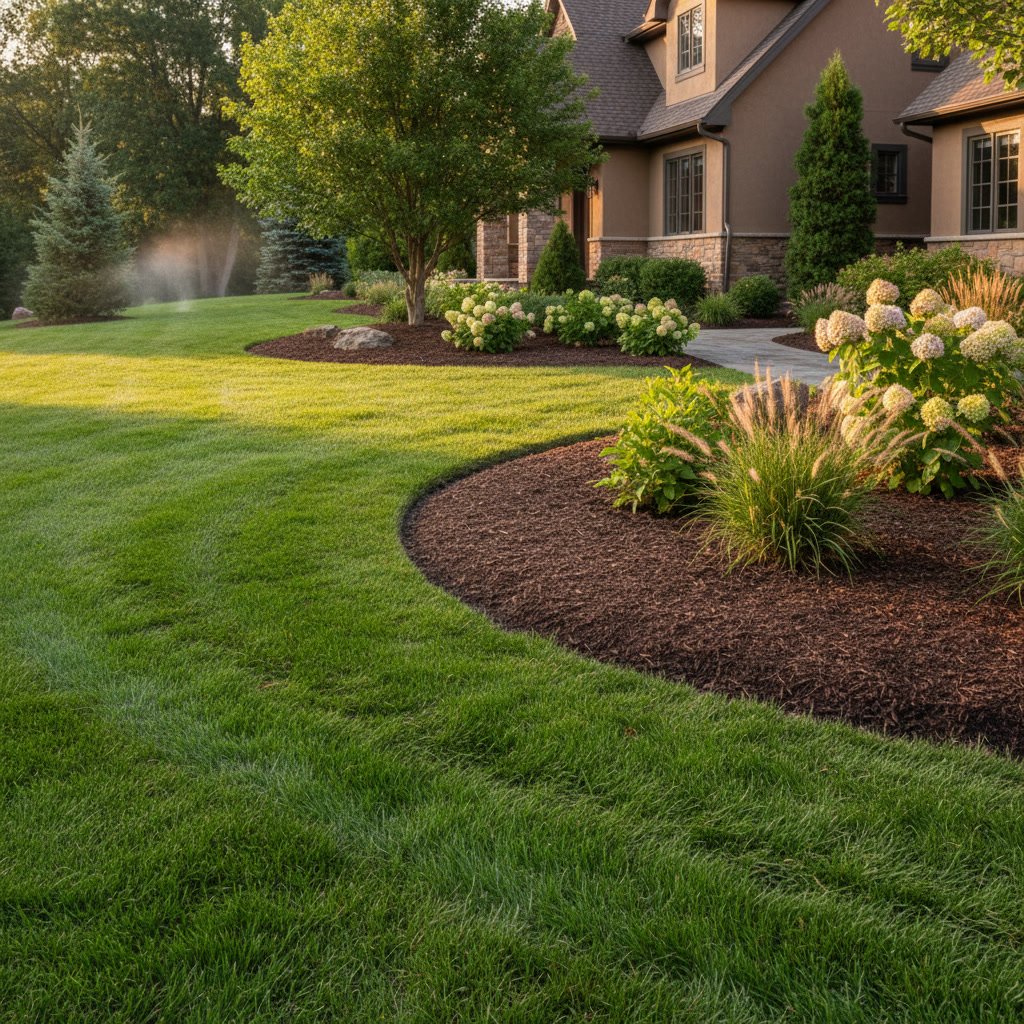
Garden beds need regular weeding, edging, and mulch replenishment to look sharp and support plant health. Professional maintenance includes pulling weeds before they seed, redefining bed edges that shift over time, and adding 1-2 inches of fresh mulch annually to retain moisture and suppress weed growth.
Quality bed maintenance also involves monitoring soil conditions, adjusting plant spacing as growth occurs, and replacing plants that fail or underperform.
Debris Removal and Cleanup
Leaves, branches, and seasonal debris accumulate constantly. Spring and fall bring the heaviest loads, but ongoing cleanup prevents buildup that smothers turf and creates habitat for pests. Yard cleanup services handle everything from routine leaf removal to storm damage clearance.
Regular debris removal also includes cleaning out gutters that become clogged with leaves and maintaining drainage areas to prevent water problems.
Irrigation System Care
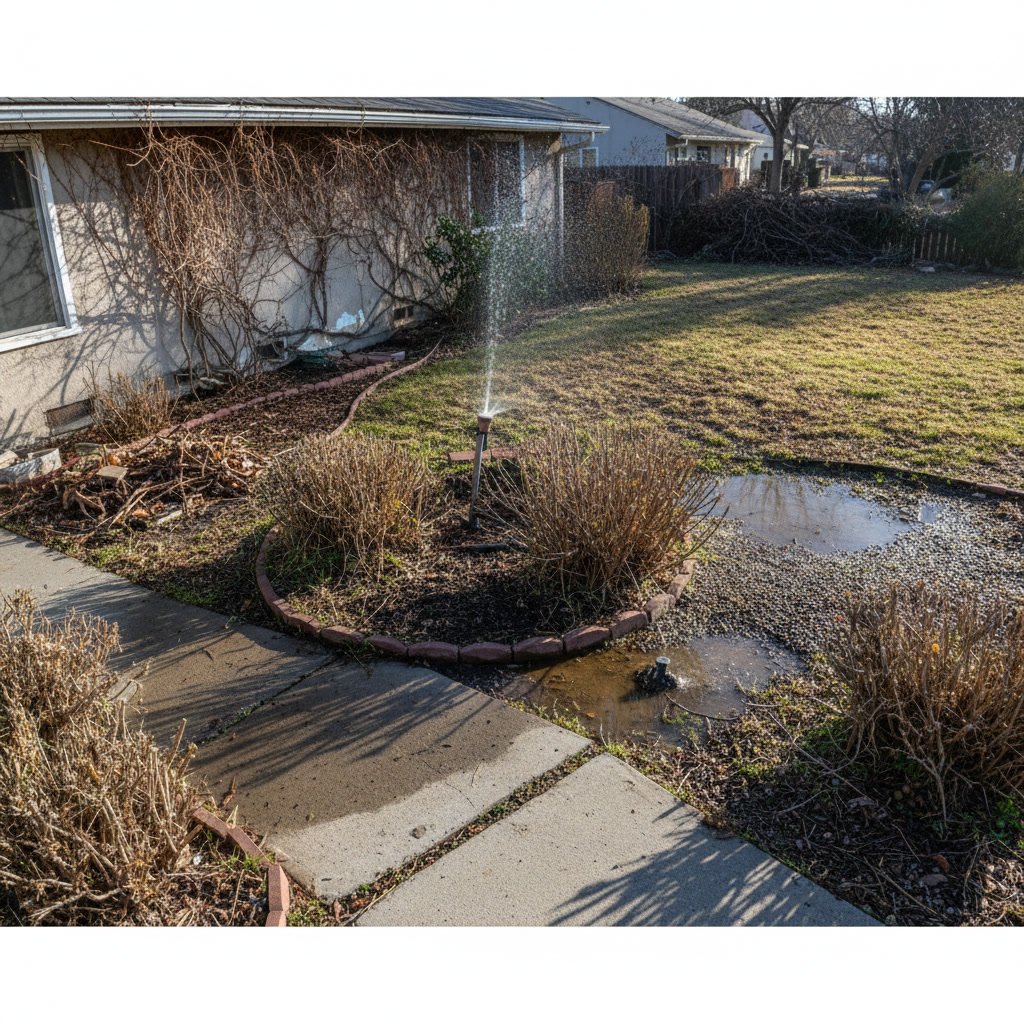
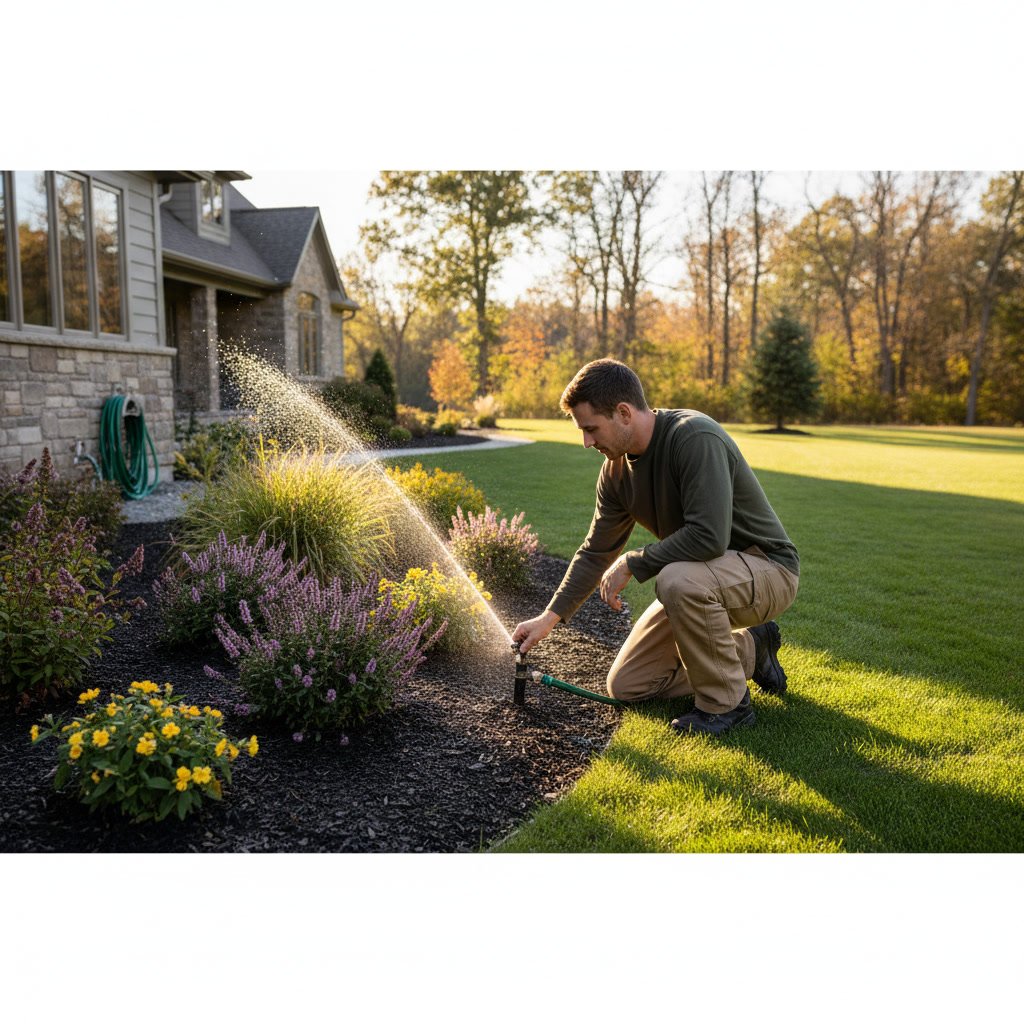
Automated irrigation systems need seasonal startup in spring, monitoring and adjustments through summer, and winterization before freezing temperatures arrive. Maintenance includes checking for broken heads, adjusting spray patterns, and programming controllers to match seasonal water needs.
Even minor leaks waste thousands of gallons over a season and create wet spots that invite disease and weeds.
Pro Tip: Irrigation systems should run in early morning hours, between 4 AM and 8 AM. This timing reduces water loss to evaporation and allows foliage to dry before nightfall, minimizing disease risk.
How Often Your Property Needs Maintenance
Maintenance frequency depends on property size, landscape complexity, and your expectations for appearance. Different elements require attention on different schedules, creating layers of service that combine into a complete program.
Weekly Service Needs
During the active growing season from April through October, most properties benefit from weekly mowing and basic upkeep. Grass grows fastest in late spring and early fall when temperatures and moisture combine ideally.
Weekly visits allow professionals to maintain consistent grass height, address small issues before they expand, and keep your property looking polished. Properties with high visibility or formal landscaping often require weekly attention to meet appearance standards.
Bi-Weekly and Monthly Schedules
Some properties function well with bi-weekly mowing during peak season, particularly those with slower-growing turf or less formal requirements. This schedule works better for properties with simpler landscapes and moderate growth rates.
Monthly visits typically handle specific tasks like detailed bed weeding, deep pruning sessions, or application of treatments rather than serving as the primary maintenance schedule. Very low-maintenance properties with mostly hardscaping and minimal plantings may only need monthly check-ins.
Seasonal Services
Certain maintenance tasks happen once or twice yearly based on seasonal cycles. Spring cleanup removes winter damage and prepares beds for the growing season. Fall cleanup clears leaves and prepares plants for winter dormancy.
Mulch application typically occurs once in spring, though high-visibility areas sometimes receive a second application in summer. Aeration and overseeding happen in early fall for cool-season grasses common in the Kansas City area. Understanding what professional lawn maintenance services include helps you plan for these seasonal needs.
Factors That Determine Your Maintenance Schedule
No single schedule fits every property. Several variables influence how often your landscape needs professional attention and what services provide the best value.
Property Size and Complexity
Larger properties take more time to maintain but don’t necessarily need more frequent service. A quarter-acre lot with extensive planting beds requires different scheduling than two acres of mostly turf.
Complexity matters more than pure square footage. Properties with diverse plant collections, water features, extensive hardscaping, or intricate bed designs need more frequent professional attention than simple lawn-and-tree landscapes.
Plant Selection and Maturity
Fast-growing plants demand more frequent pruning and management. Privet hedges, burning bush, and ornamental grasses grow aggressively and need regular cutting to stay in bounds. Slower-growing evergreens and ornamental trees require less frequent intervention.
Newly installed landscapes need more intensive care during the establishment period, typically 1-2 years. Mature landscapes with well-established plants often require less frequent but more specialized attention.
Use and Visibility
Commercial properties, rental homes, and residences in HOA communities often require more frequent maintenance to meet appearance standards. Properties used for entertaining or with high street visibility typically justify weekly service.
Private properties with less visibility can often extend service intervals without noticeable impact, particularly during slower growth periods in summer heat or early spring.
Budget Considerations
Maintenance budgets influence service frequency, but cutting service too much often costs more in the long run. Deferred maintenance leads to problems that require expensive corrections, from lawn renovation to plant replacement.
The most cost-effective approach matches service frequency to minimum needs during slower seasons and increases attention during peak growth. A qualified provider can help you find the right balance between budget and results.
Key Takeaway: Consistent maintenance on an appropriate schedule costs less than irregular service with emergency interventions. Properties maintained weekly during growing season require fewer corrective treatments and renovations over time.
Seasonal Maintenance Calendar for Missouri Properties
Missouri’s climate creates a predictable annual cycle of maintenance needs. Planning services around seasonal transitions ensures your property receives the right care at the right time.
Spring Season
March through May brings cleanup of winter damage, mulch application, pre-emergent weed control, and the start of regular mowing. Spring is also the time for pruning summer-flowering shrubs, dividing perennials, and fertilizing turf before peak growth begins.
Irrigation systems need startup and testing, and early pest monitoring identifies problems before they escalate. For detailed spring preparation, see this yard cleanup checklist for Liberty homeowners that covers post-winter tasks.
Summer Season
June through August demands consistent mowing, irrigation management, and monitoring for heat stress and pest problems. Mowing frequency often decreases slightly during July and August when heat slows growth.
Summer maintenance includes deadheading spent flowers, managing aggressive weed growth, and adjusting irrigation to account for heat and rainfall patterns. This is also the time for pruning spring-flowering shrubs after they finish blooming.
Fall Season
September through November brings the second peak growing season as temperatures moderate. Mowing resumes weekly frequency, and fall is the ideal time for aeration, overseeding, and fertilization to strengthen turf before winter.
Leaf removal becomes the dominant task from mid-October through November. Multiple cleanup visits prevent leaf accumulation from smothering turf. Fall pruning prepares plants for winter, and irrigation winterization must occur before the first hard freeze.
Winter Season
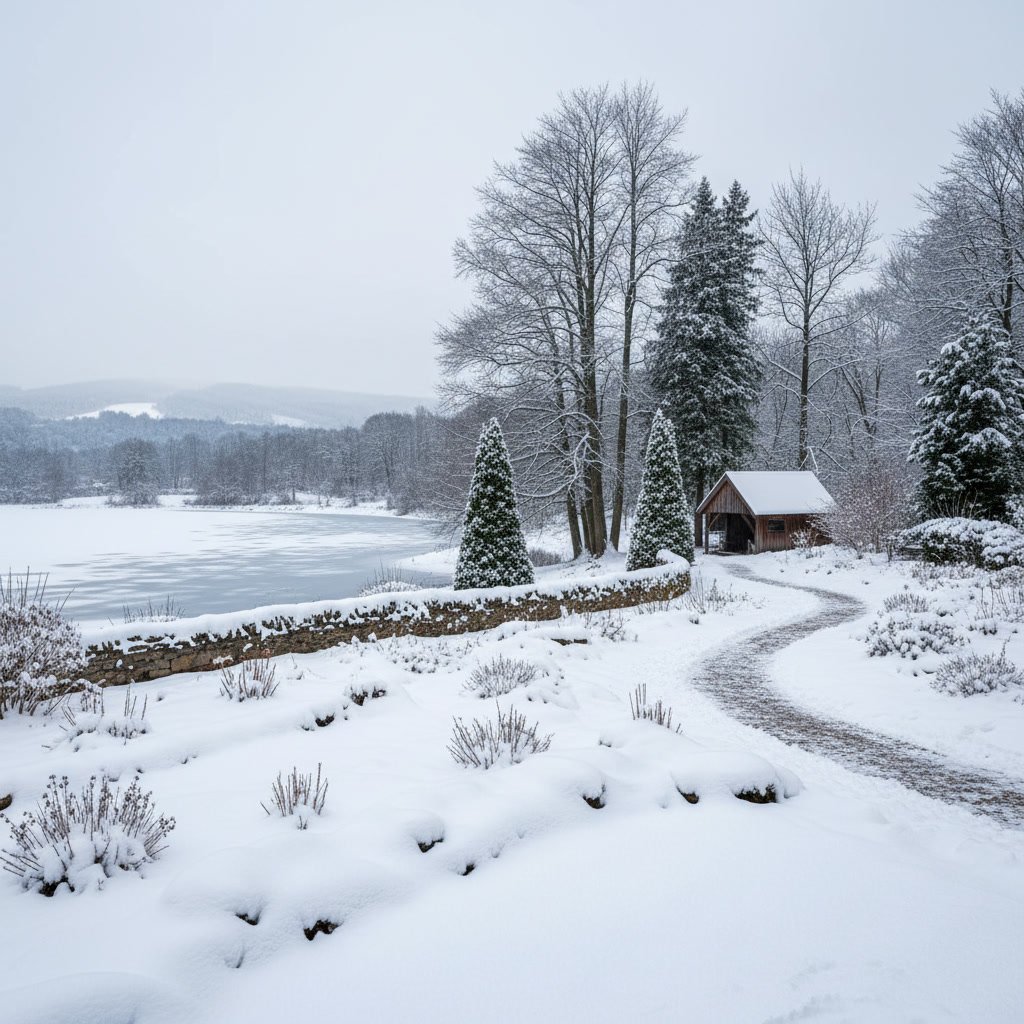
December through February requires minimal maintenance in Missouri. Most properties need little more than storm debris removal and monitoring for winter damage.
Winter is an excellent time for planning landscape improvements, scheduling tree work while plants are dormant, and addressing hardscape repairs without disturbing growing plants.
Signs Your Property Needs More Frequent Maintenance
Several indicators suggest your current maintenance schedule isn’t keeping up with your property’s needs. Recognizing these signs early allows you to adjust before problems become expensive.
Turf that looks shaggy or uneven a few days after mowing indicates either too much growth between services or cutting too little at each session. Weeds that consistently flower and spread show that removal isn’t happening frequently enough to prevent reproduction.
Shrubs growing into walkways or blocking windows need more frequent pruning. Mulch that shows bare soil or turns gray and depleted needs replenishment. Dead or dying plants that go unnoticed for weeks indicate insufficient monitoring.
If your property consistently looks better immediately after service but declines noticeably before the next visit, increasing service frequency or adding targeted services during peak growth periods will improve results.
Choosing Between DIY and Professional Maintenance
Property owners face ongoing decisions about which maintenance tasks to handle personally and which to delegate to professionals. The right choice depends on your available time, physical ability, equipment access, and knowledge level.
Basic tasks like mowing small lawns and pulling visible weeds suit DIY approaches for engaged property owners. More technical services including proper pruning techniques, pest and disease diagnosis, irrigation management, and equipment-intensive tasks like aeration typically benefit from professional execution.
Many property owners find hybrid approaches work best, handling weekly mowing personally while contracting seasonal services like spring cleanup, mulching, and fall aeration. This approach controls costs while ensuring specialized tasks receive expert attention.
Professional maintenance provides consistency that DIY efforts often lack. Life gets busy, weather interferes, and tasks get deferred. Regular professional service removes decision fatigue and ensures critical timing windows don’t get missed. When researching providers, understanding how to choose a lawn care company helps you evaluate options effectively.
What to Expect from a Professional Maintenance Provider
Quality landscape maintenance companies deliver more than task completion. Professional providers bring expertise, consistency, and proactive problem-solving that protects your investment.
Expect detailed service plans that specify which tasks occur on each visit, with flexibility to adjust based on weather and growth conditions. Professionals should communicate clearly about upcoming services, identify problems early, and recommend solutions before issues escalate.
Quality providers arrive on schedule with proper equipment, complete work efficiently, and leave your property cleaner than they found it. They carry appropriate insurance, employ trained staff, and stand behind their work.
The best maintenance relationships involve regular communication about your property’s performance, upcoming needs, and opportunities for improvement. Providers should educate you about what they’re seeing and why they recommend specific approaches.
Frequently Asked Questions
How much does regular landscape maintenance cost?
Maintenance costs vary based on property size, service frequency, and which tasks are included. Most residential properties run between $100 and $300 per visit for basic weekly maintenance including mowing, trimming, and cleanup. Seasonal services like spring cleanup or mulching add to annual costs but occur less frequently. The best approach is requesting a detailed estimate based on your specific property and needs.
Can I reduce maintenance frequency during summer heat?
Yes, grass growth typically slows during July and August heat, allowing many properties to extend service intervals from weekly to bi-weekly without significant impact. However, weed pressure often increases during summer, so completely eliminating service can create problems. Adjusting frequency seasonally to match growth patterns optimizes both results and budget.
What happens if I skip maintenance for several weeks?
Deferred maintenance creates compounding problems. Overgrown grass can’t be cut back to proper height in one session without scalping, weeds flower and spread seeds that create future problems, and debris accumulation can smother turf. Catching up after gaps often requires extra visits and may need corrective treatments, costing more than maintaining consistent service.
Do I need maintenance in winter?
Winter maintenance needs in Missouri are minimal. Most properties only require occasional debris removal and monitoring. However, storm damage cleanup, snow removal from walkways, and winter pruning of certain trees may apply depending on your property. Many maintenance contracts reduce or pause service December through February, resuming when spring cleanup begins.
How do I know if my landscape maintenance is working?
Effective maintenance shows in consistent appearance, healthy plant growth, minimal weed presence, and absence of pest or disease problems. Your property should look good throughout the season, not just immediately after service. Plants should show appropriate seasonal growth without becoming overgrown, and turf should maintain even color and density without bare or thin spots expanding.
Protecting Your Investment Through Proper Maintenance
Understanding what is landscape maintenance and implementing an appropriate service schedule protects one of your property’s most valuable features. Regular professional care prevents small issues from becoming expensive problems while keeping your outdoor spaces attractive and functional throughout the year.
The right maintenance frequency balances your property’s specific needs with your budget and expectations. Whether you need weekly service during growing season or seasonal interventions for specific tasks, consistent professional attention delivers better results than reactive approaches.
All Season Lawn and Landscaping LLC has provided professional landscaping services to properties throughout Parkville, Weatherby Lake, Gladstone, and Liberty since 2008. Our maintenance programs adapt to seasonal conditions and your property’s unique characteristics. Call +18163633203 to discuss a maintenance schedule that keeps your landscape looking its best year-round.