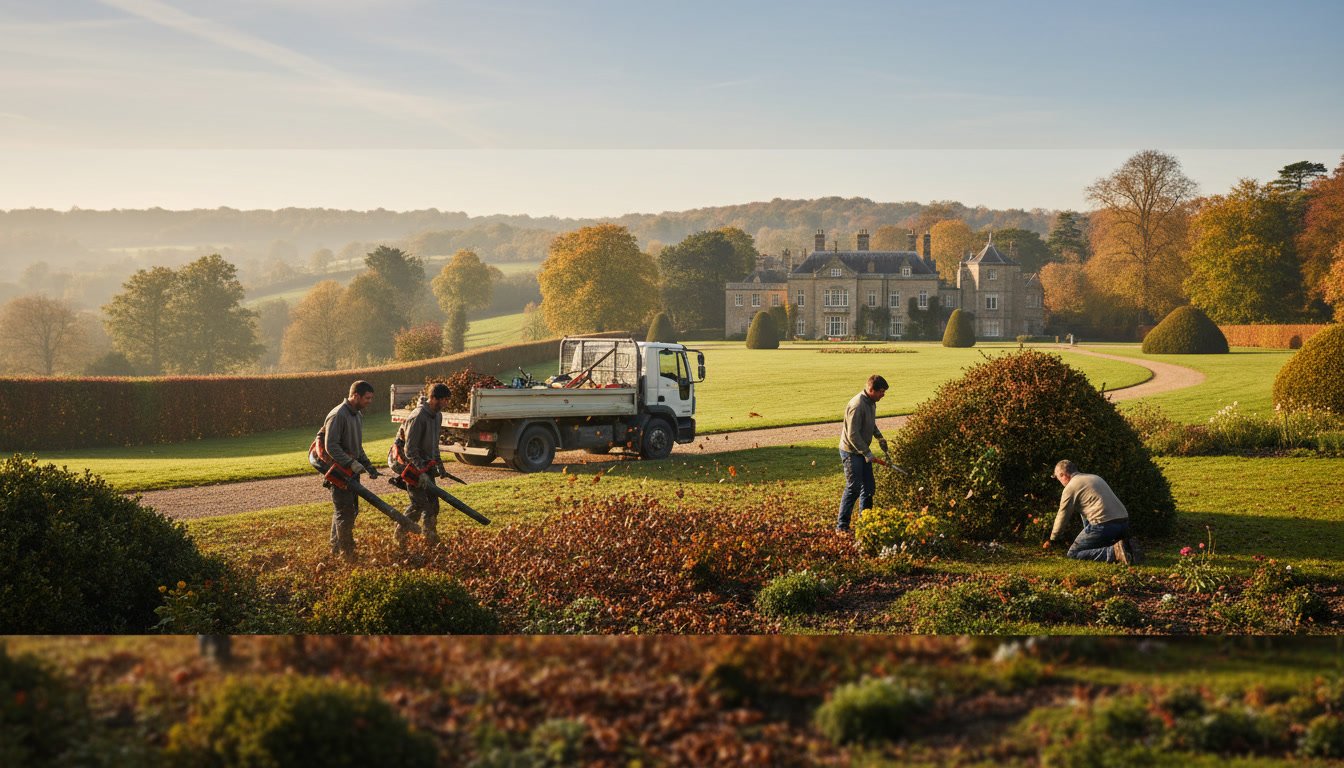
Seasonal landscape maintenance involves specific tasks timed to your property’s natural growth cycles. Each season requires different care, from spring bed preparation to winter storm protection, and missing these windows can lead to costly damage and weak plant health. Proper timing makes the difference between thriving landscapes and ongoing repair costs.
How Your Landscape Changes Throughout the Year
Your outdoor spaces respond to temperature shifts, moisture levels, and daylight hours in predictable patterns. Grass grows vigorously in spring and fall but slows dramatically in summer heat and winter cold. Trees and shrubs enter dormant periods, flower at specific times, and require pruning during narrow windows when cuts heal properly.
These biological rhythms determine when maintenance tasks deliver maximum benefit. Fertilizing during active growth periods feeds development, while the same application during dormancy wastes product and can damage roots. Understanding these patterns lets you work with nature instead of against it.
The Hidden Costs of Missing Seasonal Windows
Skipping time-sensitive tasks creates cascading problems that cost more to fix later. Fall leaves left in place over winter smother grass and create fungal breeding grounds. Spring aeration delayed until summer stresses already heat-stressed turf. Pruning done at the wrong time removes next season’s flower buds or triggers weak, vulnerable growth.
Properties in the Kansas City area face specific challenges from temperature swings and ice damage. Waiting too long to prepare beds for winter or starting spring cleanup too early before the last frost can set back your landscape by months.
Spring Maintenance Tasks That Set Up Summer Success
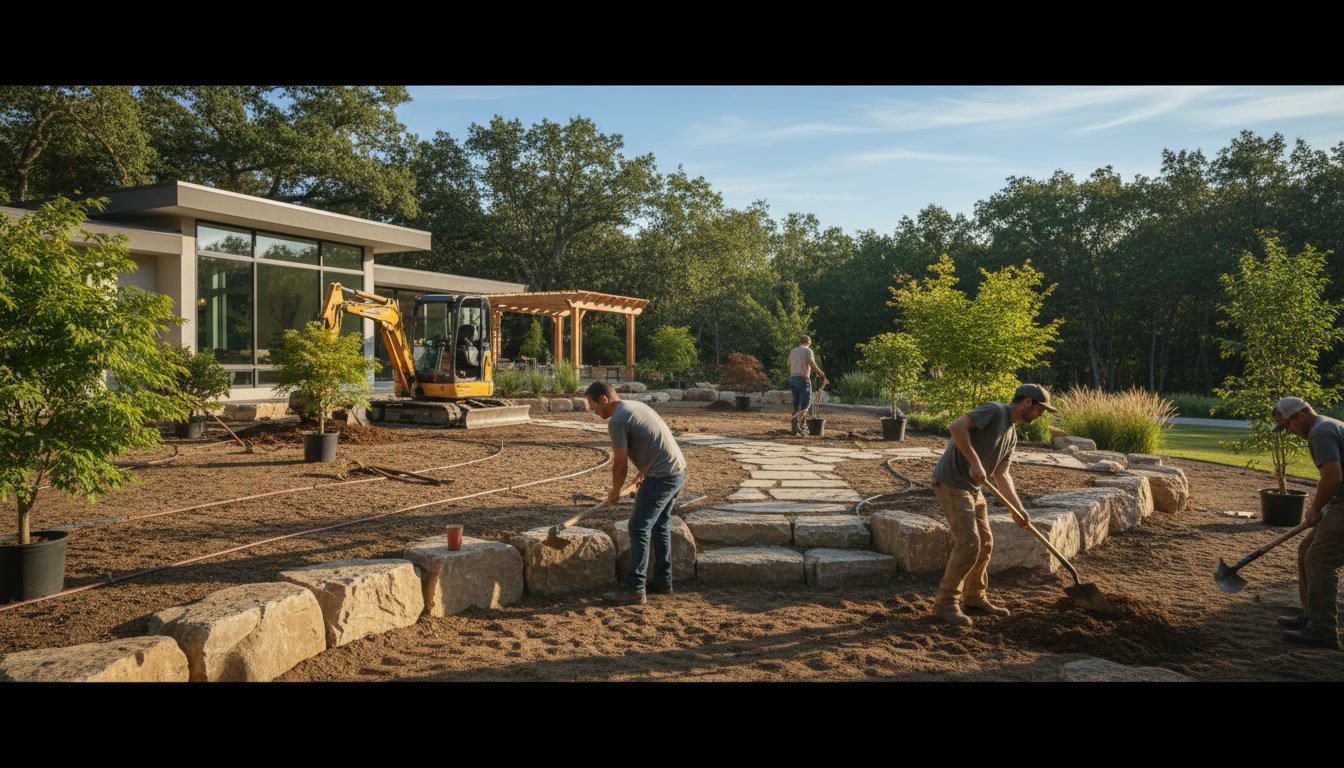
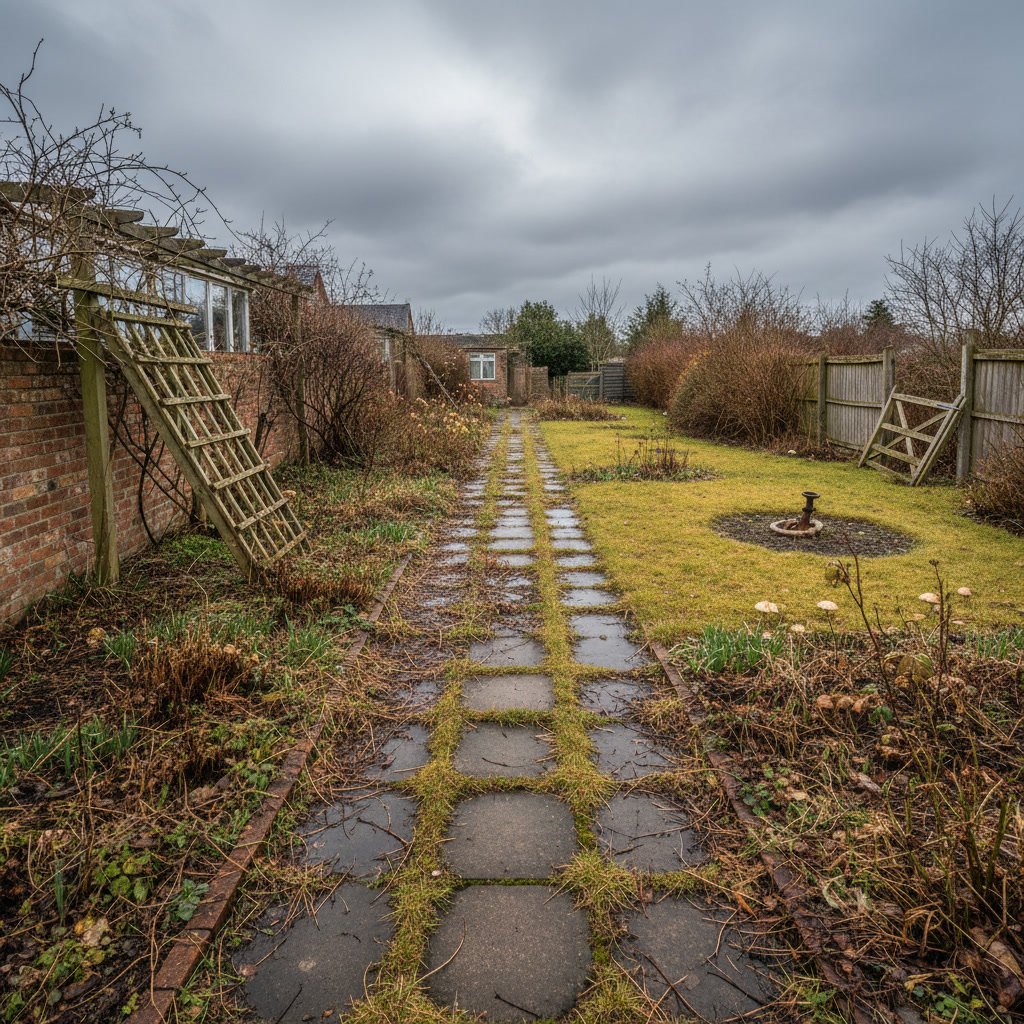
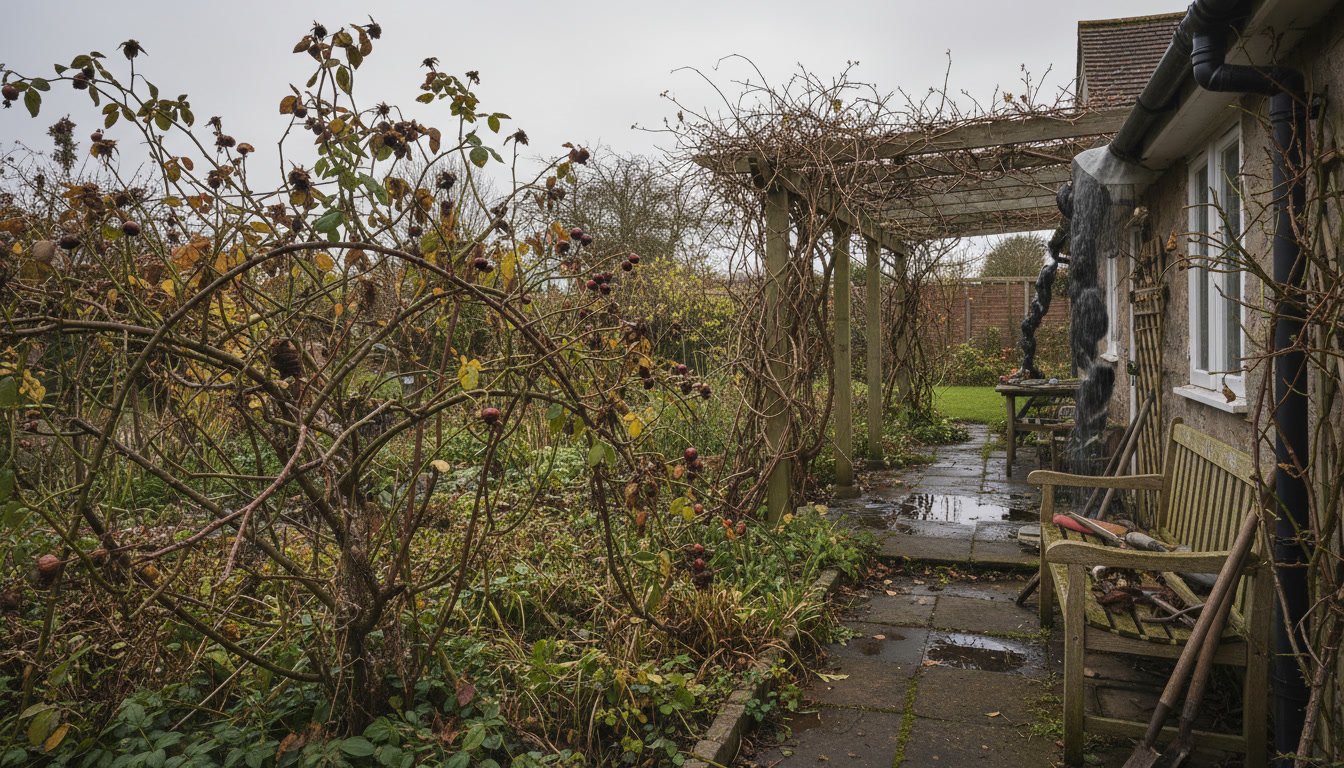
Spring work focuses on recovery and preparation. Yard cleanup removes winter debris, dead plant material, and accumulated thatch that blocks sunlight and traps moisture. This creates the clean slate needed for new growth.
Beds need fresh mulch applied after soil warms but before summer heat arrives, typically mid-April through May. The two to three inch layer conserves moisture, moderates soil temperature, and suppresses weeds during peak growing season. Early application wastes the effort because late frosts push mulch aside and delay warming.
Lawn aeration and overseeding work best in spring when soil moisture is high and temperatures favor germination. Waiting until summer heat arrives drops success rates significantly. Fertilization timed to match green-up feeds the surge of growth without burning tender new blades.
Summer Care That Protects Against Heat Stress
Summer shifts from growth stimulation to protection and preservation. Mowing height increases to shade roots and conserve moisture. Irrigation schedules adjust to deliver deep, infrequent watering that encourages deep root systems instead of shallow, heat-vulnerable growth.
Pest and disease monitoring becomes critical because heat-stressed plants show increased vulnerability. Catching problems early prevents the need for aggressive treatments later. Mulch breaks down faster in heat, so mid-summer touch-ups maintain the protective layer.
Pruning work is minimal during summer except for removing damaged or hazardous branches. Most ornamental trimming waits for dormant seasons when cuts don’t trigger excessive sap flow or attract pests to fresh wounds.
Fall Preparation Tasks in Parkville That Prevent Winter Damage
Fall delivers the year’s most important maintenance window. Soil temperatures remain warm while air cools, creating ideal conditions for root development. Aeration and seeding done in September through early October give grass six to eight weeks to establish before winter dormancy.
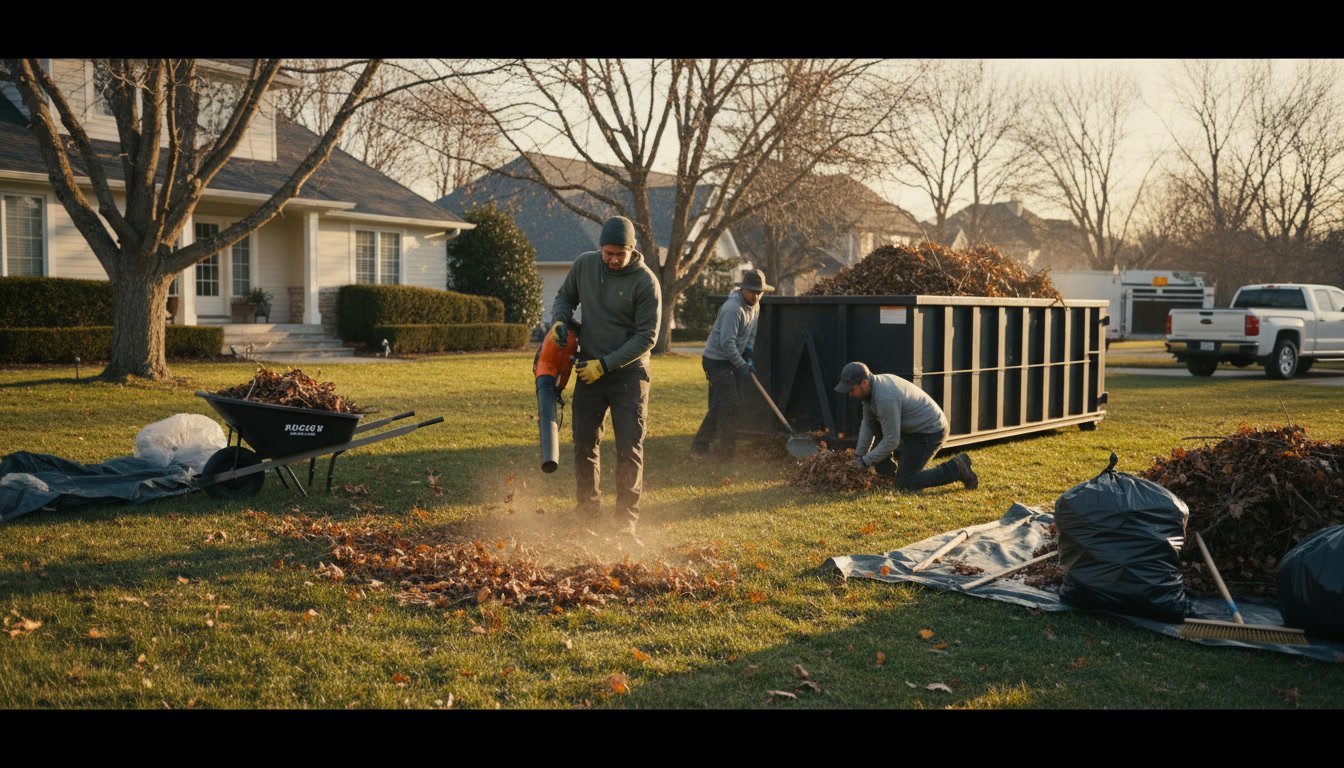
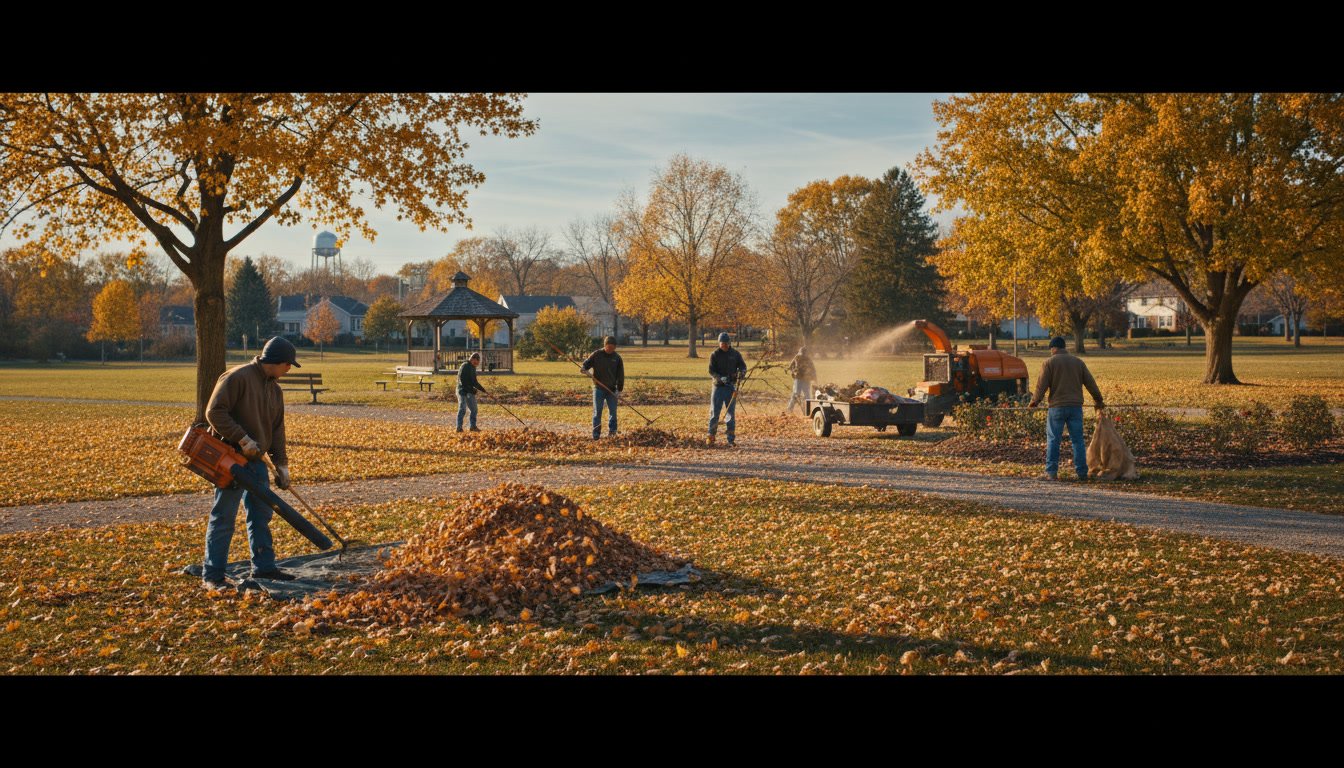
Leaf removal cannot wait until every tree is bare. Thick leaf layers left in place for weeks create anaerobic conditions that kill grass and harbor disease. Multiple passes through late October and November keep accumulation manageable.
Fertilization with winterizer formulas strengthens root systems and builds carbohydrate reserves that fuel spring green-up. This application, timed for late October or early November, delivers more spring benefit than any other single treatment. Beds need final weeding and edge trimming before mulch locks everything in place for winter.
Winter Protection and Dormant Season Work
Winter maintenance focuses on protection and opportunistic improvements. Storm debris removal prevents damage from branches weighted with ice or snow. Pathways need clearing to prevent salt damage to adjacent plantings.
Dormant pruning of trees and shrubs shapes growth for the coming year. Cuts made while plants are dormant heal cleanly when spring growth begins. This timing also makes structural issues visible without leaf cover obscuring branch patterns.
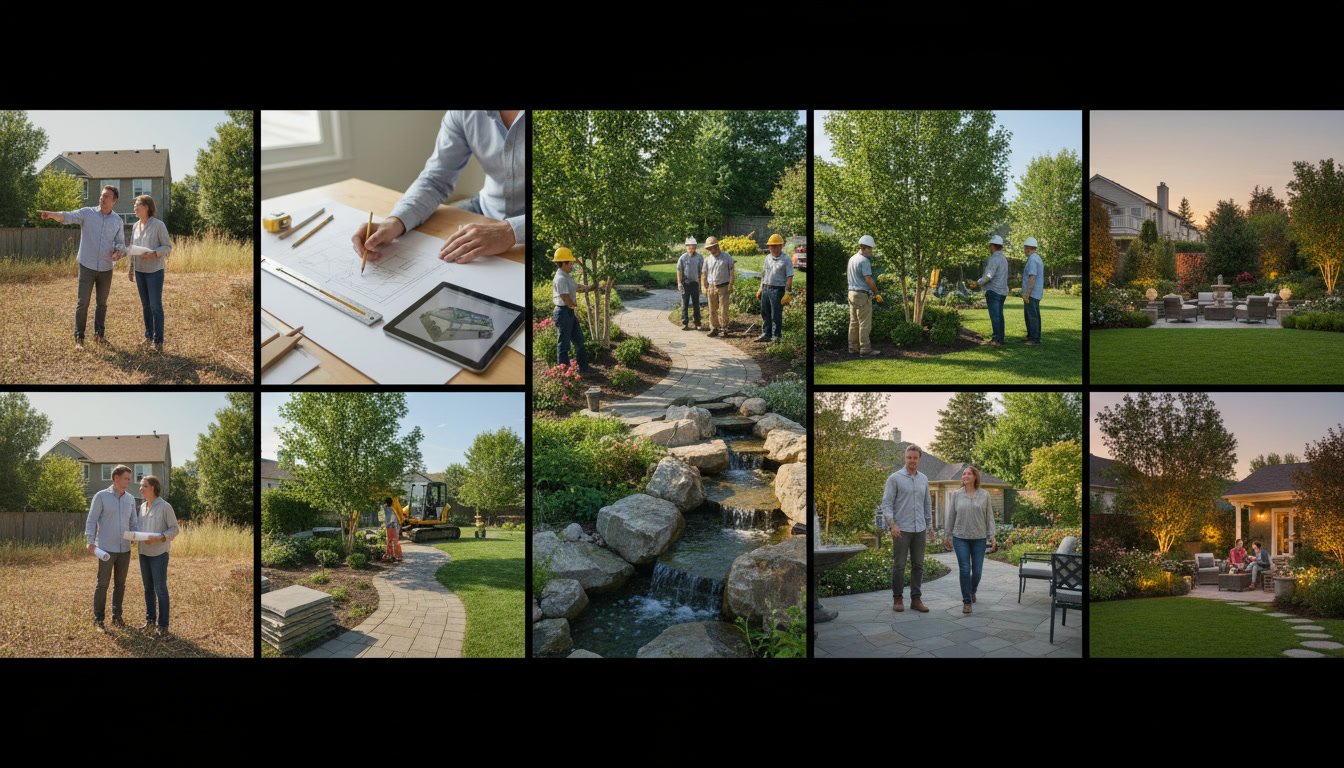
Planning and design work happens in winter when the property’s bones are visible. This reveals drainage issues, sight line problems, and structural opportunities hidden during growing season. Soil testing done in late winter provides results in time to amend beds before spring planting.
How Professional Services Coordinate Multiple Tasks
Managing seasonal timing across multiple landscape elements requires coordination most property owners lack time to execute. Outdoor landscape maintenance programs schedule tasks based on weather patterns, soil conditions, and plant responses rather than calendar dates alone.
Professional crews track phenological indicators like specific plant blooming times that signal optimal windows for other tasks. Lilac blooming, for example, corresponds with ideal timing for pre-emergent applications. These natural markers prove more reliable than fixed dates because they adjust to each season’s unique weather patterns.
All Season Lawn and Landscaping LLC builds maintenance schedules around these biological signals, adjusting visit timing based on actual conditions rather than predetermined dates. This flexibility ensures tasks happen when they deliver maximum benefit.
The Eight Most Time-Sensitive Seasonal Tasks
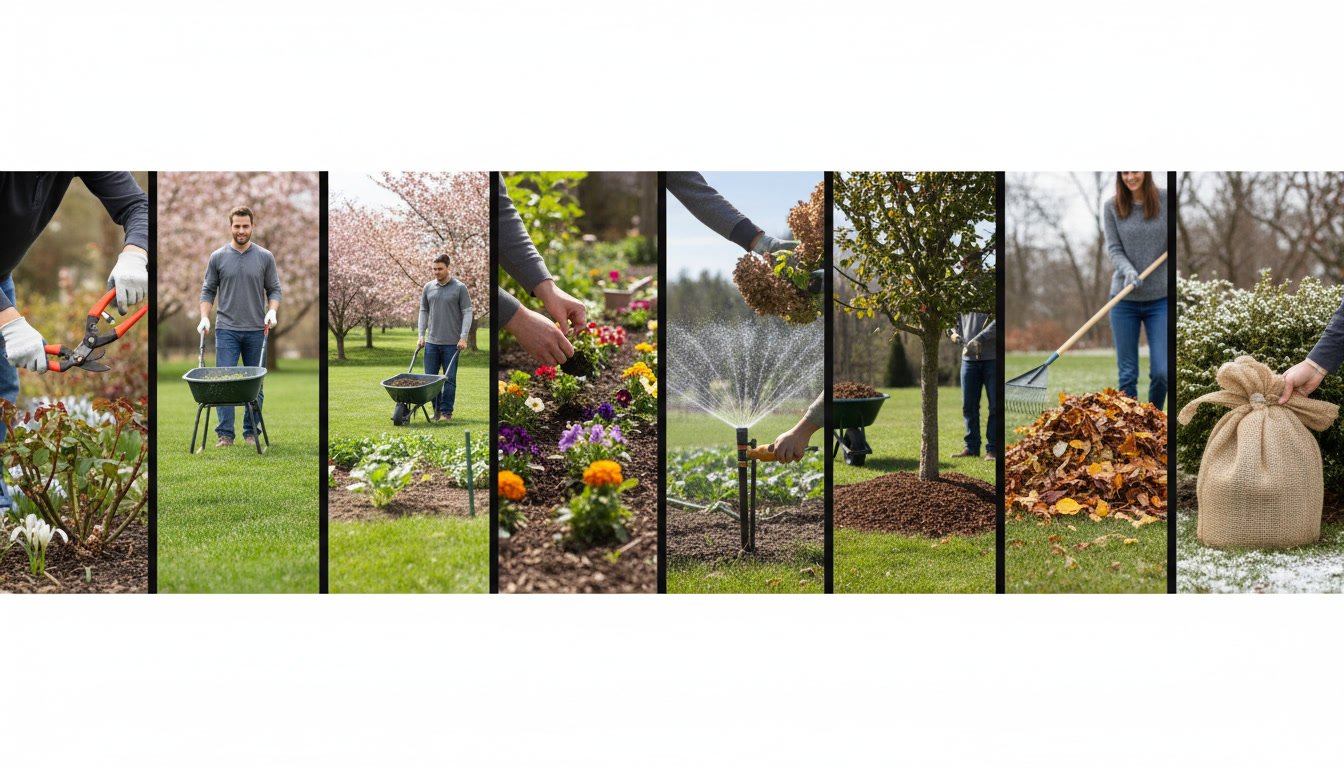
Some maintenance tasks have narrow optimal windows that dramatically affect results:
- Pre-emergent herbicide application must happen before soil temperatures reach 55 degrees for three consecutive days, typically mid-March. Applications after weed germination begins waste product and money.
- Spring flowering shrub pruning has a three to four week window after blooming ends. Earlier cuts remove flowers, later cuts remove next year’s buds.
- Fall aeration and overseeding needs six weeks before first hard freeze to establish roots.
- Winterizer fertilization works best when grass is still green but growth has slowed, usually after first light frost.
- Mulch application should happen after soil warms in spring but before summer heat arrives.
- Irrigation system winterization must happen before first hard freeze to prevent line damage.
- Storm damage assessment and removal should occur within days to prevent secondary damage from hanging branches.
- Grub control applications need precise timing in late spring or early summer based on soil temperature and grub life cycle.
Missing any of these windows by even two weeks can cut effectiveness by 50 percent or more. The difference between successful treatment and wasted effort often comes down to days, not weeks.
Regional Timing Differences That Affect Missouri Properties
National timing guides rarely match local conditions. Last frost dates in the Kansas City area average mid-April but vary by two weeks or more year to year. First fall frost typically arrives in mid-October but can come three weeks earlier in outlying areas.
Soil types affect timing as much as temperature. Clay-heavy soils common in Gladstone and Liberty warm slower in spring and hold moisture longer in fall, pushing optimal aeration dates later than sandy soils. Drainage patterns create microclimates where tasks need different timing on the same property.
Experienced local providers track these variations across service areas and adjust schedules block by block. A single regional schedule applied uniformly across diverse properties misses optimization opportunities and wastes client money.
Coordination Between Landscape Maintenance and Other Services
Seasonal tasks must coordinate with ongoing care to avoid conflicts. Lawn maintenance schedules adjust around aeration, seeding, and treatment windows. Mowing heights change seasonally, and irrigation timing shifts based on rainfall and temperature.
Design installations need careful timing within the maintenance calendar. New plantings done too late in fall lack time to establish before winter. Spring installations during peak growth season face immediate heat stress. Understanding how projects fit within the seasonal calendar prevents costly establishment failures.
Properties enrolled in full-service programs benefit from automatic coordination. Single-vendor management eliminates scheduling conflicts between mowing crews and treatment applications, or between cleanup teams and irrigation startups. This coordination removes the planning burden from property owners while ensuring optimal timing.
Working With Nature’s Schedule Protects Your Investment
Seasonal timing separates thriving landscapes from perpetual problem properties. Tasks performed during optimal windows deliver three to five times the benefit of the same work done at wrong times. This efficiency reduces annual maintenance costs while improving results.
The investment in professional scheduling pays back through healthier plants, lower treatment costs, and avoided damage repairs. Properties maintained on proper seasonal schedules need fewer corrective treatments, show stronger pest and disease resistance, and maintain appearance with less intensive intervention.
All Season Lawn and Landscaping LLC has tracked seasonal patterns across the Kansas City area since 2008, building maintenance schedules around demonstrated results rather than generic recommendations. This experience translates into precisely timed care that maximizes your landscape investment. Our full-service approach means one team coordinates all seasonal tasks without scheduling conflicts or missed windows.
If your property needs professional seasonal care timed to deliver optimal results throughout the year, contact our team at +18163633203. We will assess your landscape’s current condition, identify priority seasonal tasks, and build a maintenance schedule that works with your property’s natural rhythms.