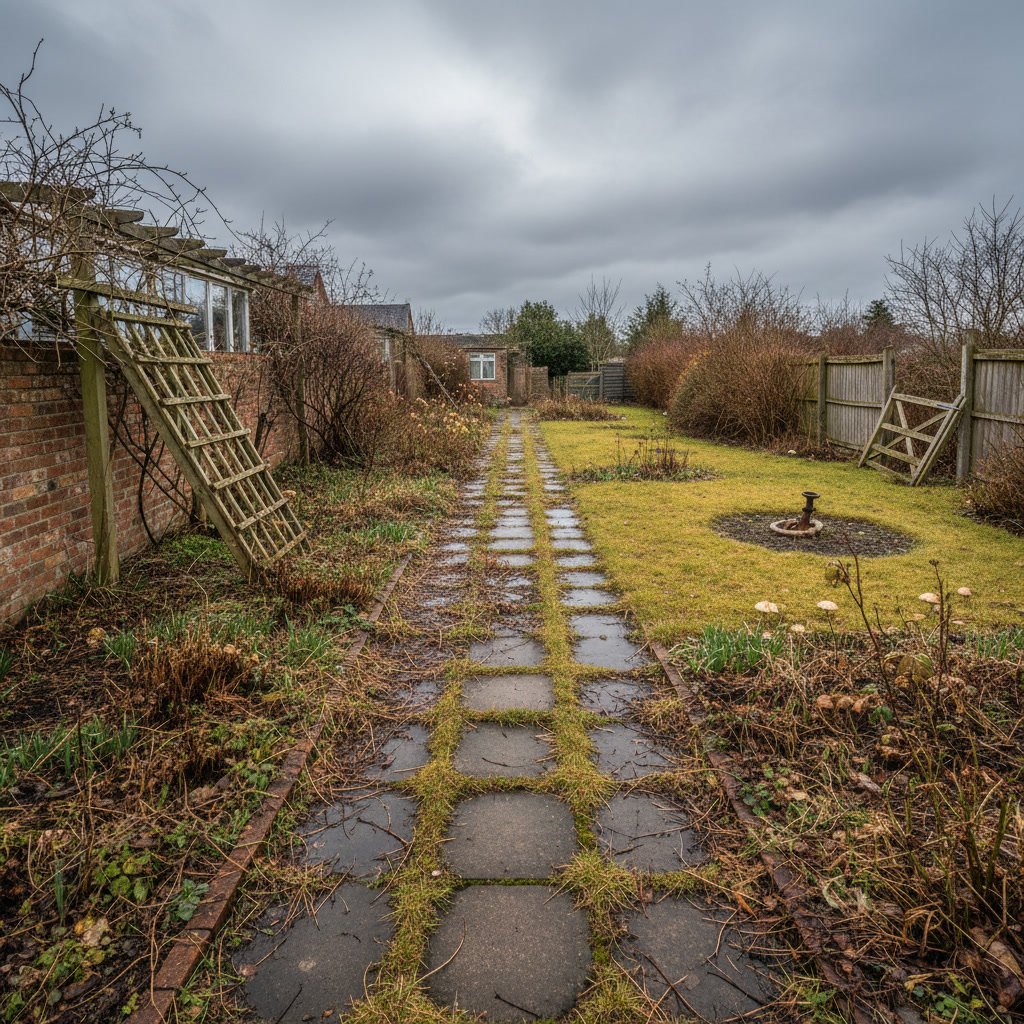
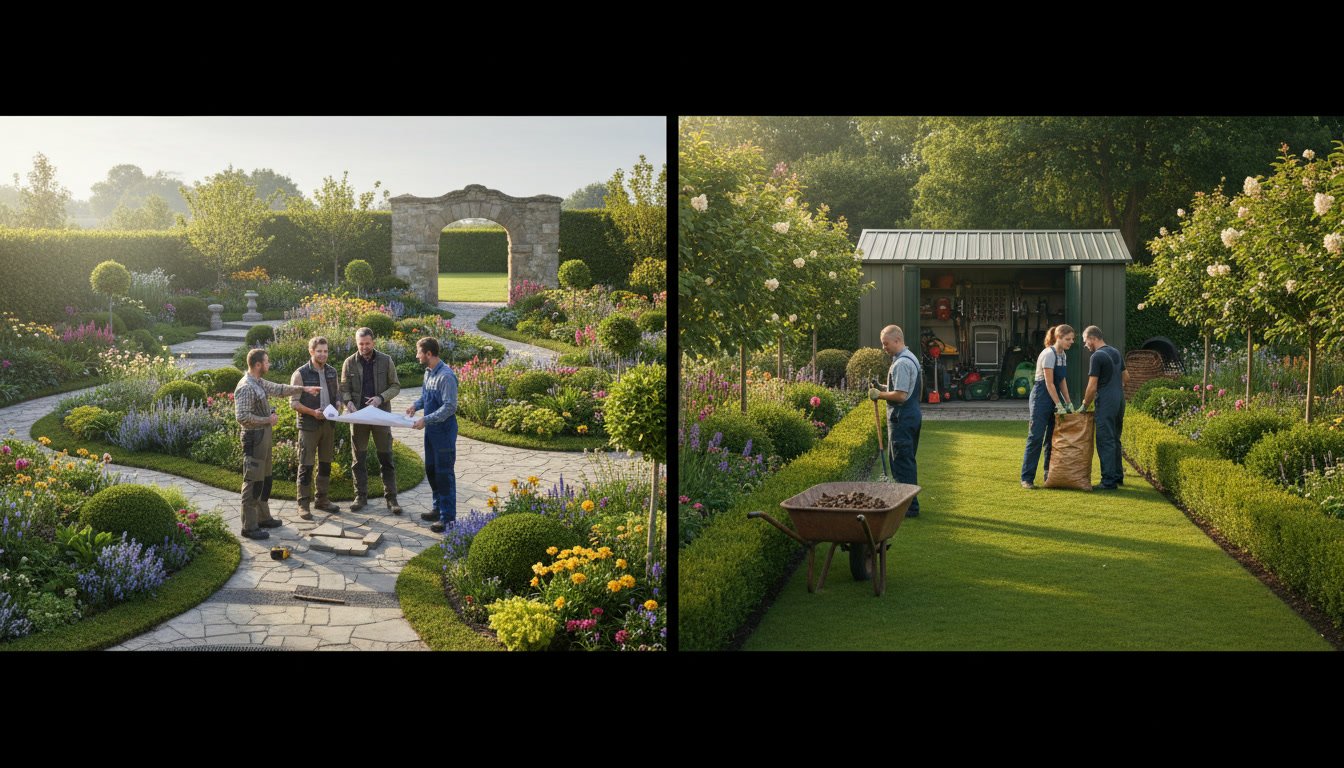
The choice between landscape design vs maintenance depends on your property’s current condition and your long-term goals. Design transforms outdoor spaces through planning and installation, while maintenance preserves and enhances what you already have. Most properties benefit from both services at different stages, with design creating the foundation and maintenance protecting that investment over time.
Property owners frequently misunderstand when each service applies. A newly purchased home with overgrown beds needs different work than a well-established landscape that simply requires seasonal care. Making the right choice saves money and ensures your outdoor spaces look their best throughout the year.
What Landscape Design Actually Involves
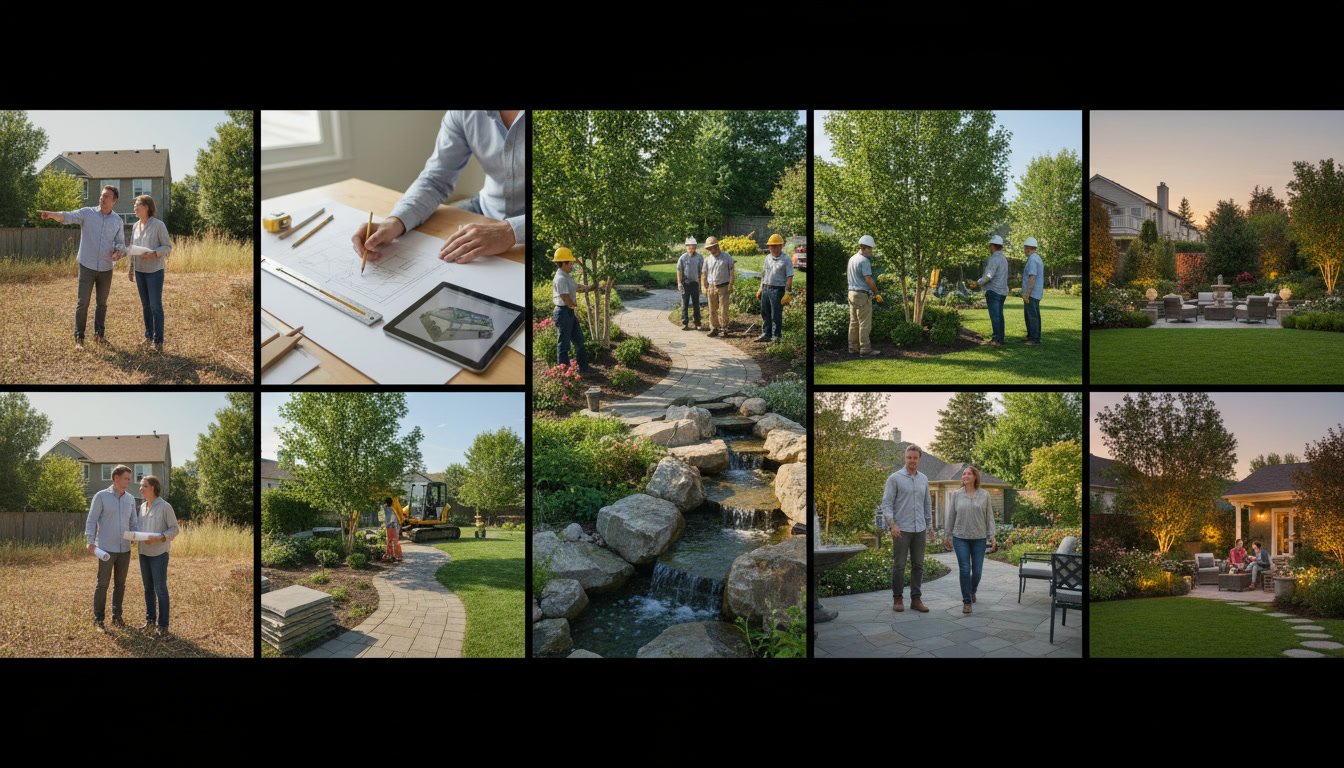
Design work starts from a vision and creates entirely new outdoor environments. This service includes site analysis, conceptual drawings, plant selection, hardscape planning, drainage solutions, and installation oversight. Designers consider soil conditions, sun exposure, drainage patterns, and architectural style before selecting materials and plants.
Professional landscape design addresses problems your property currently faces. Poor drainage, erosion, lack of privacy, or outdated aesthetics all require design solutions. The process typically involves multiple consultations, revised plans, and phased installation that can take weeks or months depending on project scope.
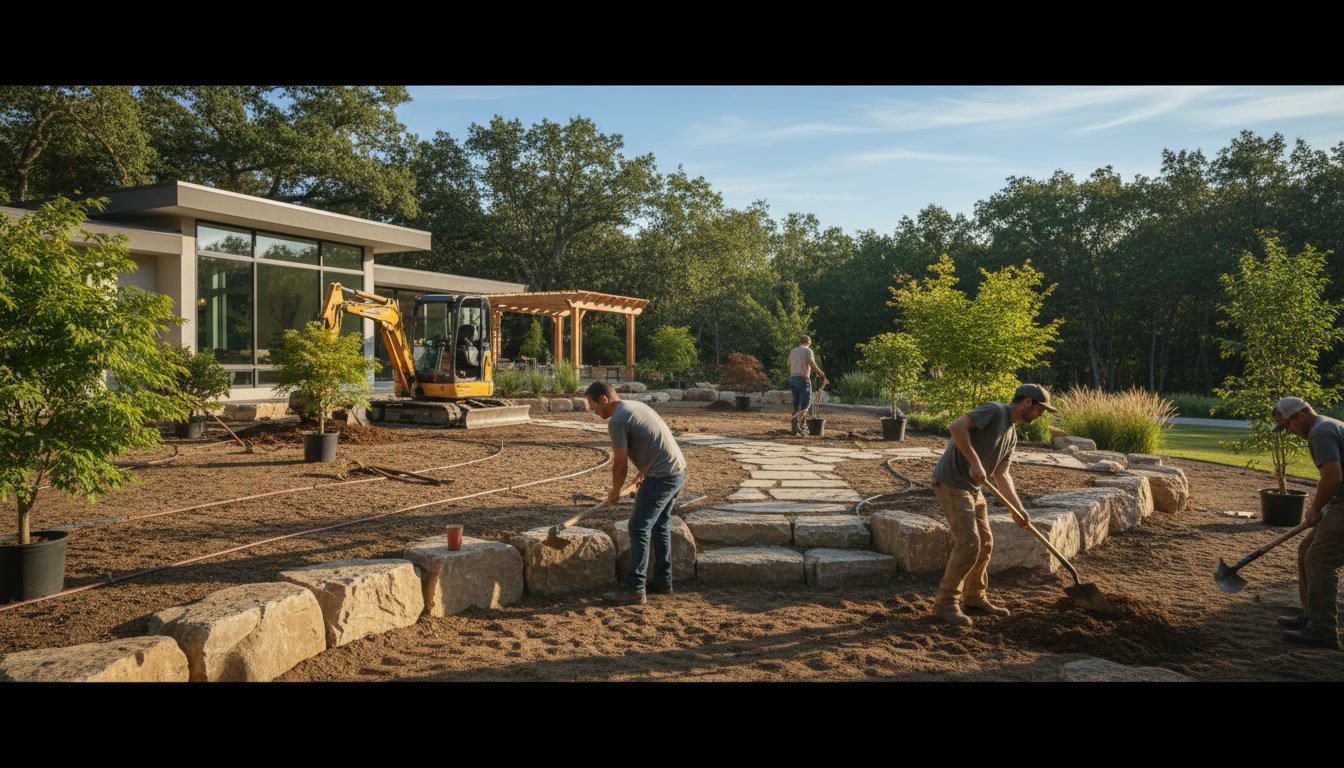
Design creates permanent changes to your property. Retaining walls, patios, walkways, planting beds, irrigation systems, and outdoor lighting all fall under this category. These improvements require upfront investment but add lasting value and functionality to your home.
The Role of Regular Maintenance Work
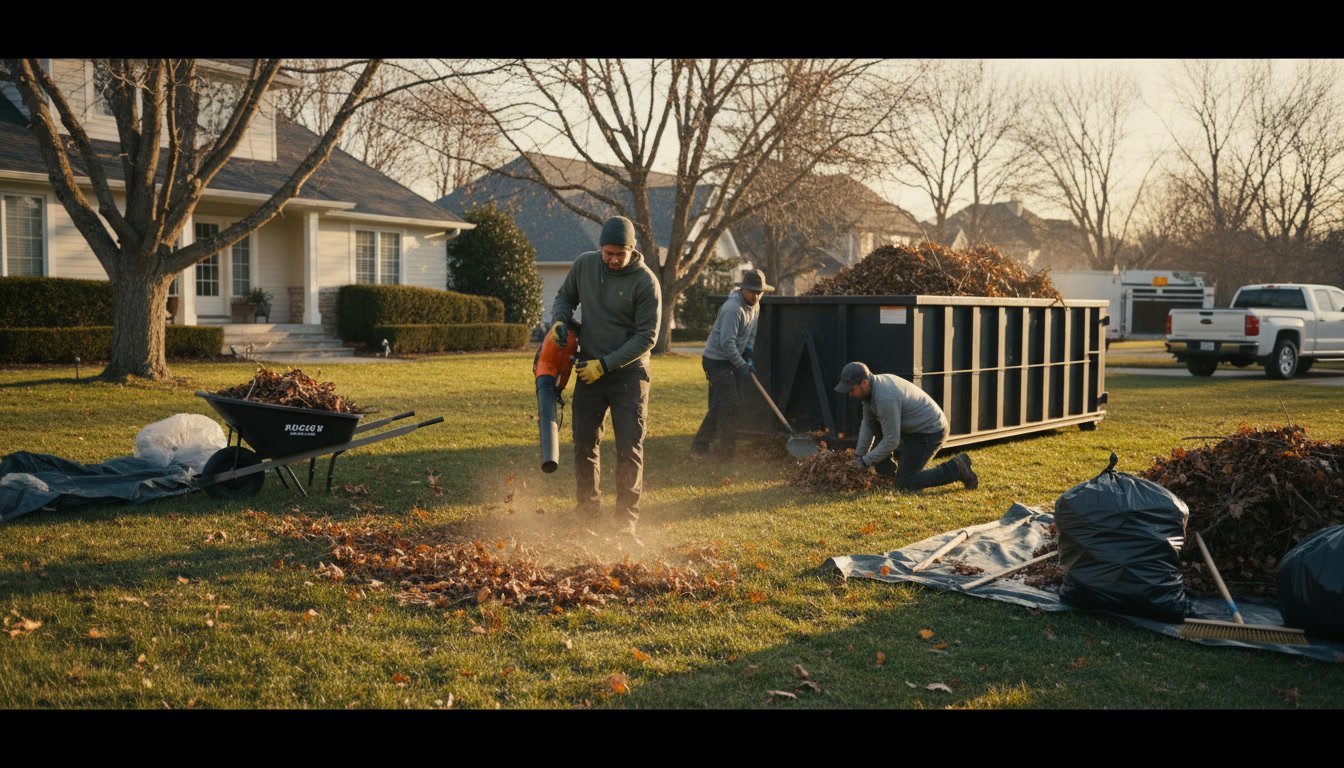
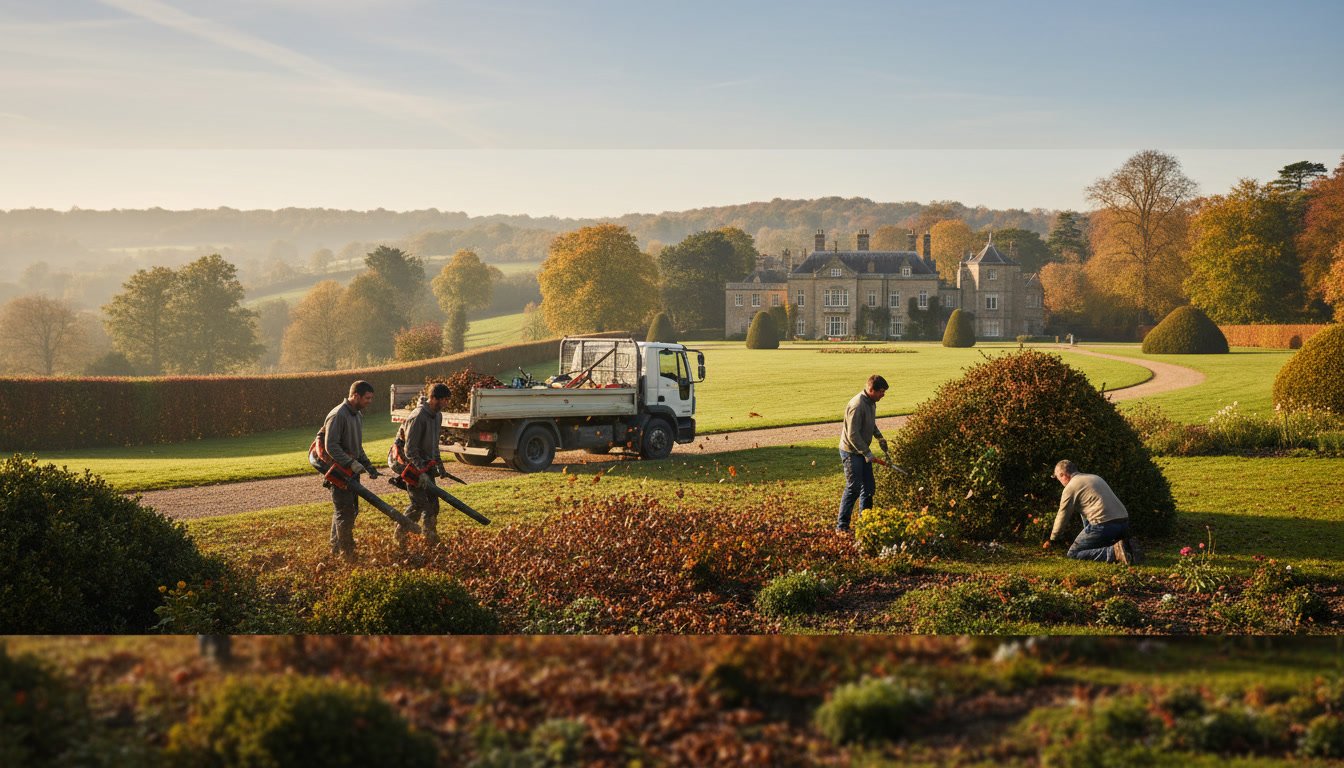
Maintenance preserves existing landscapes through routine care and seasonal tasks. This includes mowing, trimming, fertilization, weed control, pruning, mulching, leaf removal, and pest management. The goal is keeping established plants healthy and outdoor spaces attractive without fundamental changes to layout or design.
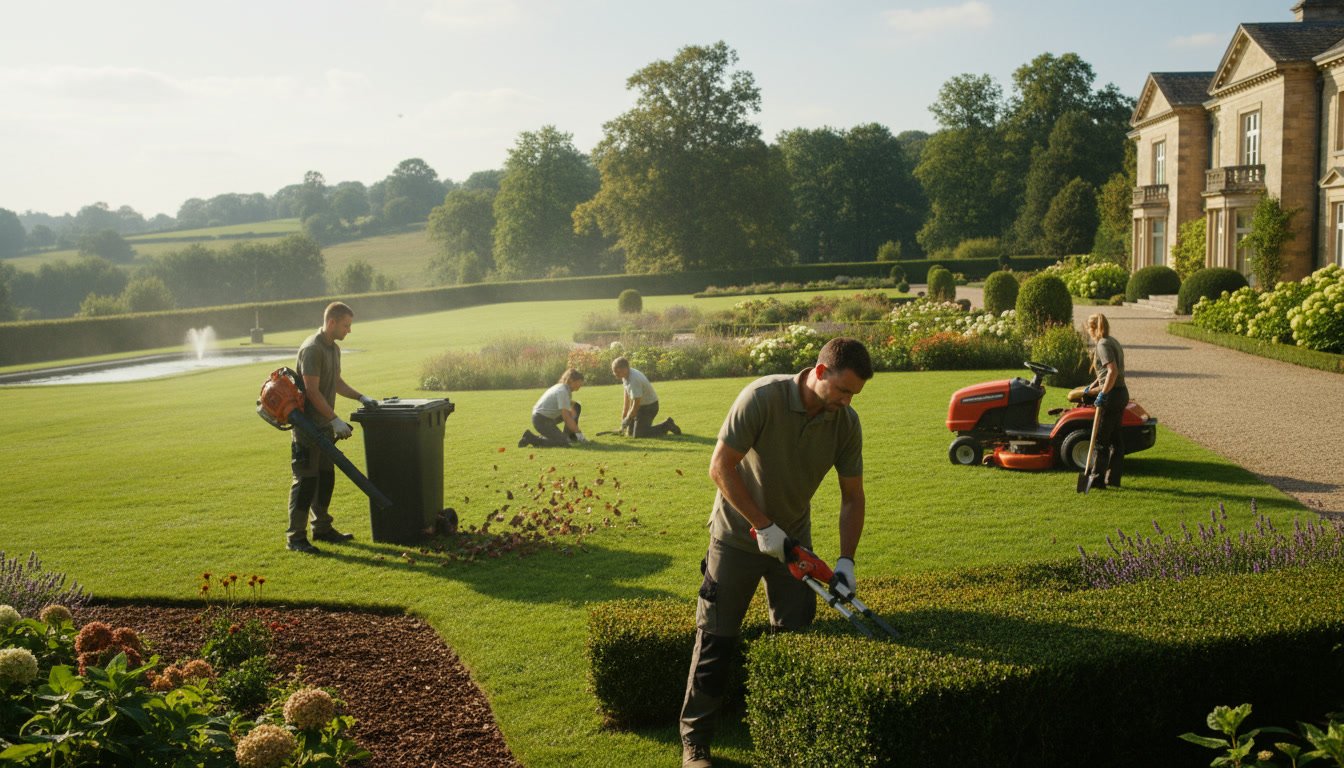
Regular outdoor landscape maintenance prevents small issues from becoming expensive problems. Neglected trees develop structural weaknesses, unmulched beds allow weed invasions, and skipped fertilization leads to turf decline. Consistent care costs less than emergency repairs or complete renovations.
Maintenance schedules vary by season and property size. Most residential properties need weekly or biweekly attention during growing season, with monthly or as-needed visits during dormant months. Commercial properties often require more frequent service to maintain professional appearance.
Signs Your Property Needs Design Services in Parkville
Certain conditions indicate design work rather than simple maintenance. If your property lacks functional outdoor living spaces, has severe drainage or erosion issues, contains outdated or damaged hardscapes, or shows poor plant placement with constant die-off, you need design intervention.
Properties that have never received professional planning often suffer from these problems. Plants placed in wrong sun exposure, walkways that don’t connect logically, beds with inadequate drainage, or landscapes that clash with architectural style all require redesign rather than maintenance.
New construction presents a perfect opportunity for design. Raw yards with builder-grade grass and minimal planting benefit from comprehensive planning that establishes proper grading, defines outdoor rooms, and creates cohesive aesthetics from the start.
When Maintenance Is Your Primary Need
Established landscapes in good condition primarily need maintenance rather than redesign. If your plants are healthy and appropriately placed, hardscapes remain functional and attractive, drainage works properly, and you’re satisfied with the overall layout, focus your budget on preservation.
Properties that have received quality design work in the past five to ten years typically fall into this category. The investment has been made, and now regular care protects that value. Maintenance becomes your ongoing expense while design remains an occasional project for specific improvements.
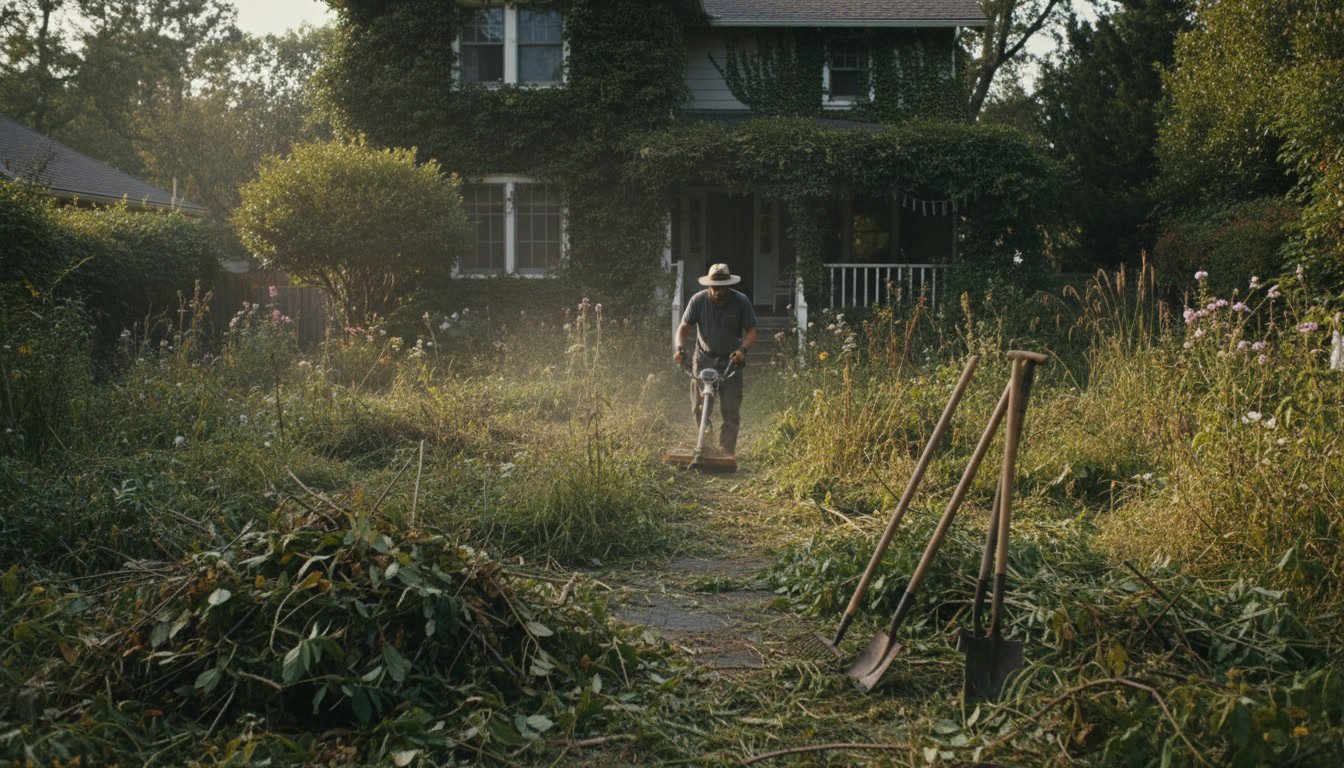
Seasonal transitions particularly reveal maintenance needs. Spring cleanup, mulch refresh, pruning cycles, fall leaf removal, and winter preparation all maintain landscape health without changing fundamental design. Understanding what landscape maintenance includes helps you budget appropriately for these recurring services.
Combining Both Services for Best Results
Most properties benefit from strategic use of both services. Design establishes the framework, while maintenance preserves and enhances it over time. This combination delivers better long-term value than either service alone.
A common sequence involves design and installation followed by immediate enrollment in maintenance programs. This protects new plantings during critical establishment periods and ensures design intent is preserved. Newly installed landscapes require more intensive care during the first two growing seasons.
Phased design allows you to spread costs while maintaining what’s already complete. You might redesign the front yard this year, enroll that area in maintenance, then tackle the backyard next season. This approach keeps projects manageable and prevents neglect of completed areas.
Budget Considerations That Guide Your Decision
Design work requires larger upfront investment, typically ranging from several thousand to tens of thousands depending on scope. This includes planning fees, materials, plants, hardscape installation, and labor. Costs concentrate in shorter timeframes, usually weeks or months.
Maintenance spreads costs across the year in predictable monthly or per-visit fees. Annual maintenance budgets for residential properties typically range from $1,500 to $6,000 depending on property size, service frequency, and regional rates. This ongoing expense protects design investments and prevents decline.
One insight many property owners miss is that deferred maintenance dramatically increases eventual redesign costs. A landscape that receives consistent care for ten years maintains its value and may only need incremental updates. The same landscape neglected for a decade often requires complete renovation, essentially paying for design twice.
How Property Age and Condition Affect Your Choice
Newly constructed homes almost always need design before maintenance becomes relevant. You’re starting with a blank canvas that requires planning, installation, and establishment before routine care makes sense.
Properties five to fifteen years old often sit in a middle zone. Original builder landscaping may be failing or outdated, requiring selective redesign of problem areas while maintaining healthy sections. This calls for a hybrid approach targeting specific improvements.
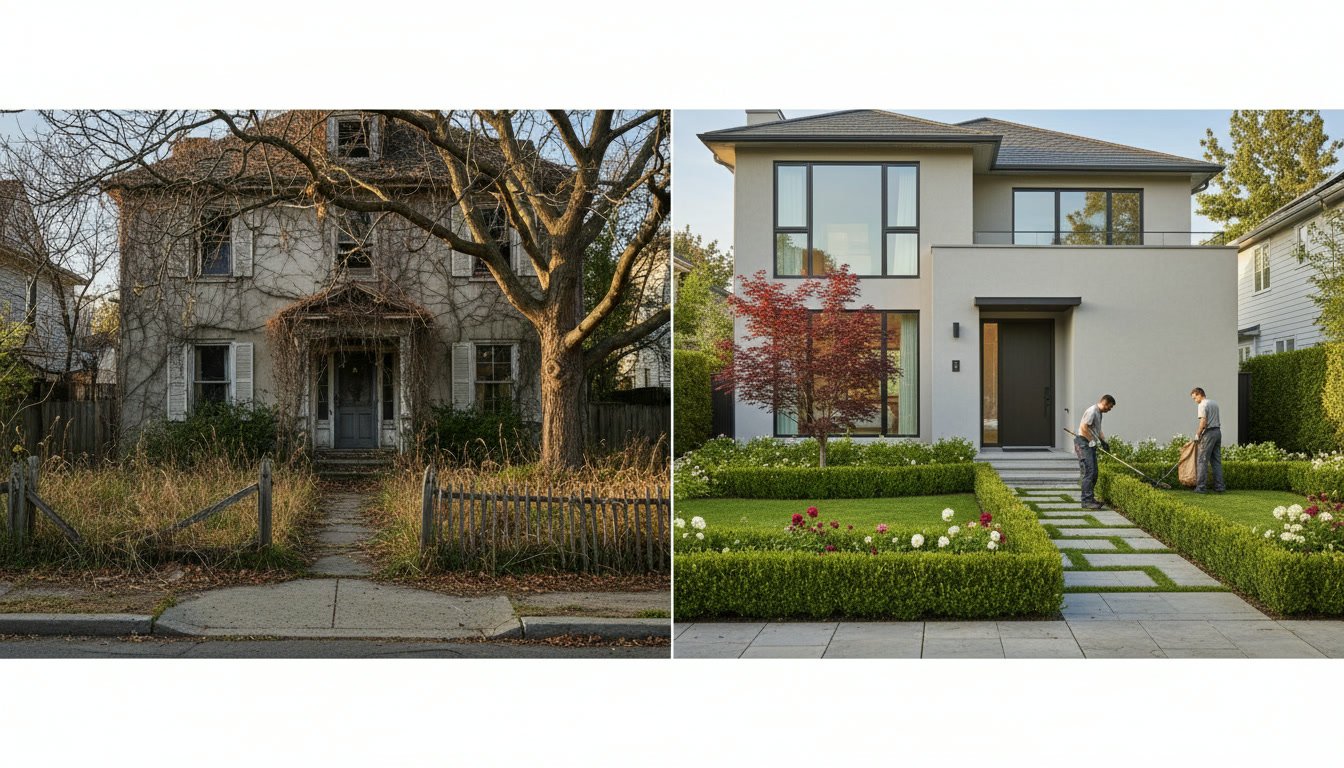
Mature properties with established trees and beds primarily need maintenance unless owners want style updates or functional changes. The existing landscape has value worth preserving through consistent care rather than wholesale replacement.
Evaluating Your Own Goals and Involvement Level
Your personal goals significantly influence which service you need. If you want to change how you use outdoor spaces, add entertainment areas, improve curb appeal, or solve functional problems, design addresses those aspirations. If you’re satisfied with layout and simply want to keep things looking good, maintenance suffices.
Time availability matters too. Homeowners willing to handle routine mowing and trimming might only need professional help for design and installation, then periodic specialty tasks like pruning or applications. Those who prefer complete hands-off property care benefit from comprehensive lawn maintenance programs.
Physical ability and equipment access also factor in. Maintaining large properties requires specialized equipment and physical stamina that many owners lack. Professional maintenance eliminates those barriers while ensuring work gets done properly and safely.
Questions to Ask Before Making Your Decision
Several specific questions clarify which service your property needs. Does your landscape have fundamental problems that routine care can’t fix? Are you satisfied with how outdoor spaces function and look? Do plants repeatedly fail in certain areas? Is drainage causing damage or limiting use?
Also consider timing questions. How long have you lived at this property? When was the last significant landscape work completed? What condition were outdoor spaces in when you purchased? Have you made any changes since moving in?
Budget and priority questions matter equally. What’s your total annual outdoor budget? Would you rather invest in transformation or preservation? Are you planning to stay long-term or sell within a few years? Different answers point toward different service priorities.
Working with a Full-Service Provider
Choosing a company that offers both design and maintenance provides significant advantages. You get consistent quality across services, avoid coordinating multiple vendors, build a relationship with people who know your property, and often receive better overall value through bundled services.
All Season Lawn and Landscaping LLC approaches properties holistically, identifying which combination of landscaping services delivers the results you want within your budget. This eliminates the common problem of design firms that don’t maintain and maintenance companies that can’t solve design problems.
Single-source providers also ensure design choices consider maintenance realities. Plans account for long-term care requirements, seasonal workload, and sustainable practices rather than creating beautiful designs that become maintenance nightmares. This integration protects your investment and reduces lifetime costs.
Making the Right Choice for Your Property
The decision between design and maintenance rarely involves choosing one and completely rejecting the other. Most properties need design at specific points and maintenance continuously. The key is sequencing these services appropriately and budgeting for both as distinct but complementary investments.
Start by honestly assessing your property’s current condition and your satisfaction with how outdoor spaces function and appear. Significant dissatisfaction or functional problems signal design needs, while general satisfaction with occasional neglect indicates maintenance priorities. When uncertain, professional evaluation provides clarity at minimal cost.
All Season Lawn and Landscaping LLC has served property owners since 2008 with both comprehensive design and ongoing maintenance throughout Parkville and surrounding areas. Our team evaluates your specific situation and recommends the right combination of services to achieve your goals while respecting your budget. Whether your property needs transformation, preservation, or both, professional guidance ensures you invest wisely and get lasting results. Call (816) 363-3203 to schedule a property evaluation and discuss which services will serve you best.