Professional landscaping for erosion control uses engineered solutions and strategic plant selection to stabilize soil, redirect water, and create permanent barriers against washout. Unlike temporary fixes such as sandbags or tarps, properly designed landscapes address root causes through grading adjustments, drainage systems, and vegetation that binds soil at multiple depths. The right combination of hardscaping and living materials can reduce soil loss by 85 to 95 percent while improving property aesthetics and value.
Why Erosion Damages More Than Just Your Soil
Erosion strips away the nutrient-rich topsoil layer that supports healthy plant growth. Each inch of topsoil lost can take 500 years to regenerate naturally. When water carves channels across your property, it destabilizes foundations, exposes tree roots, creates standing water problems, and sends sediment into storm drains and waterways.
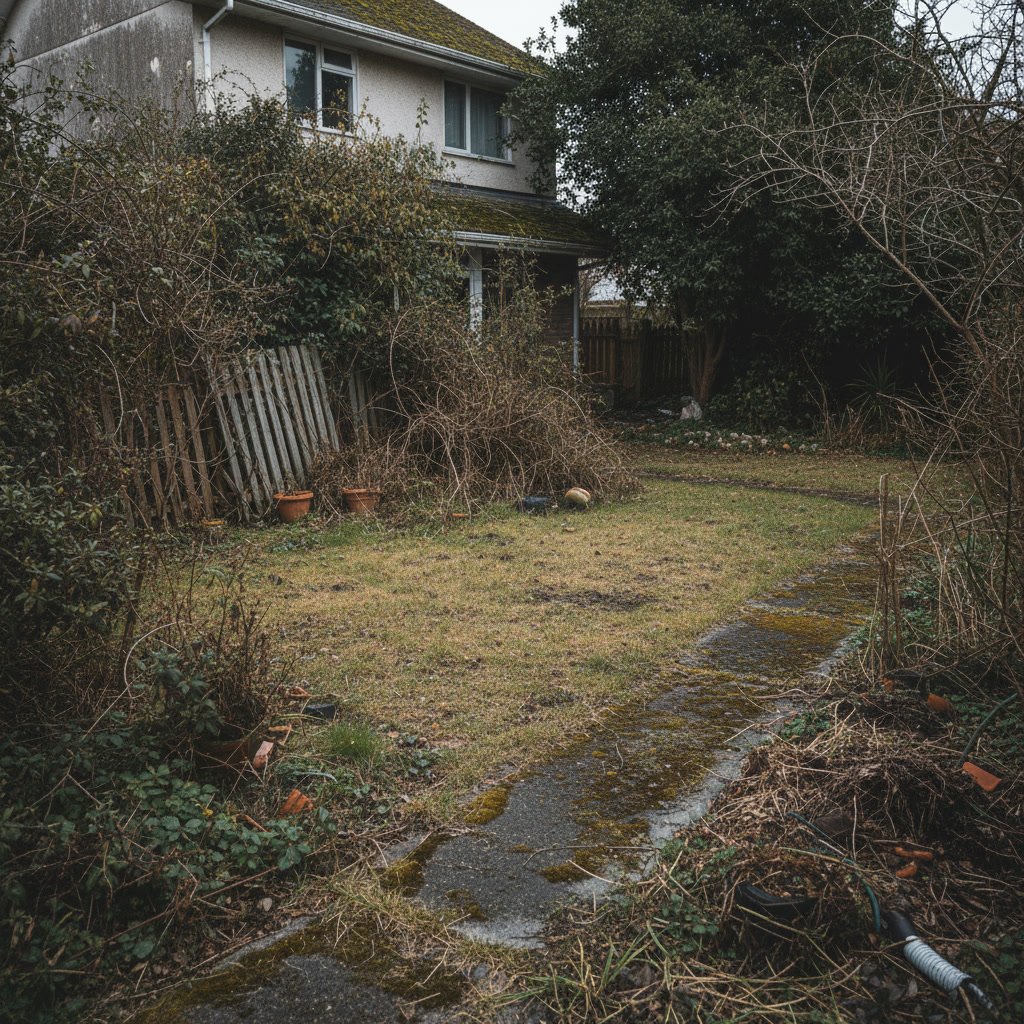
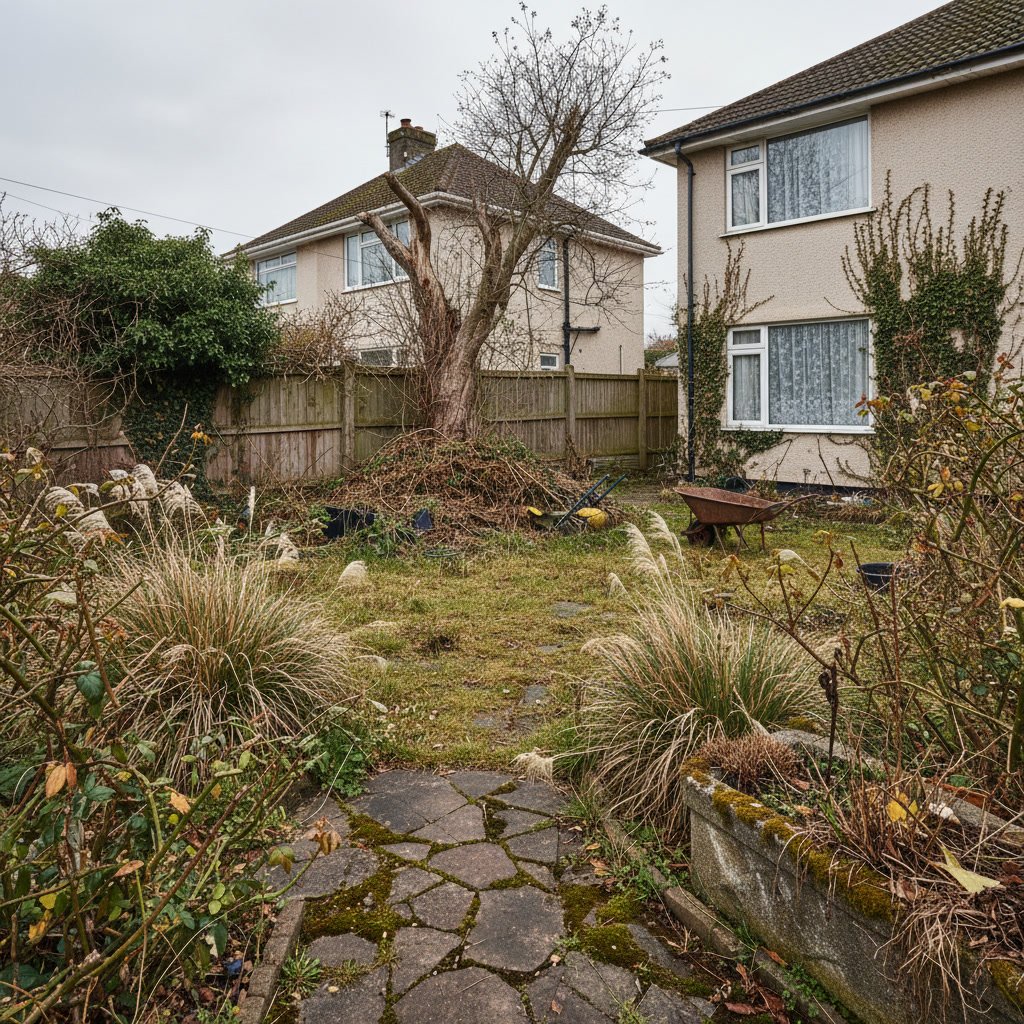
Properties on slopes face the greatest risk, but even flat yards experience erosion near downspouts, along pathways, and in compacted areas where water cannot penetrate. The damage compounds over time as small rills become gullies, and bare patches expand with each heavy rain.
The Hidden Costs of Ignoring Soil Stability Issues
Property owners often underestimate erosion until significant damage occurs. Foundation repairs can cost $8,000 to $15,000 when soil washing undermines concrete. Driveway replacement runs $4 to $10 per square foot after base materials erode away. Tree removal becomes necessary when root exposure exceeds 30 percent of the root ball diameter.
Beyond repair costs, erosion reduces usable yard space, prevents successful planting, and creates liability when washouts affect neighboring properties or public areas. Municipal stormwater violations can result in fines when your property contributes excessive sediment to drainage systems.
How Water Movement Patterns Reveal Problem Areas
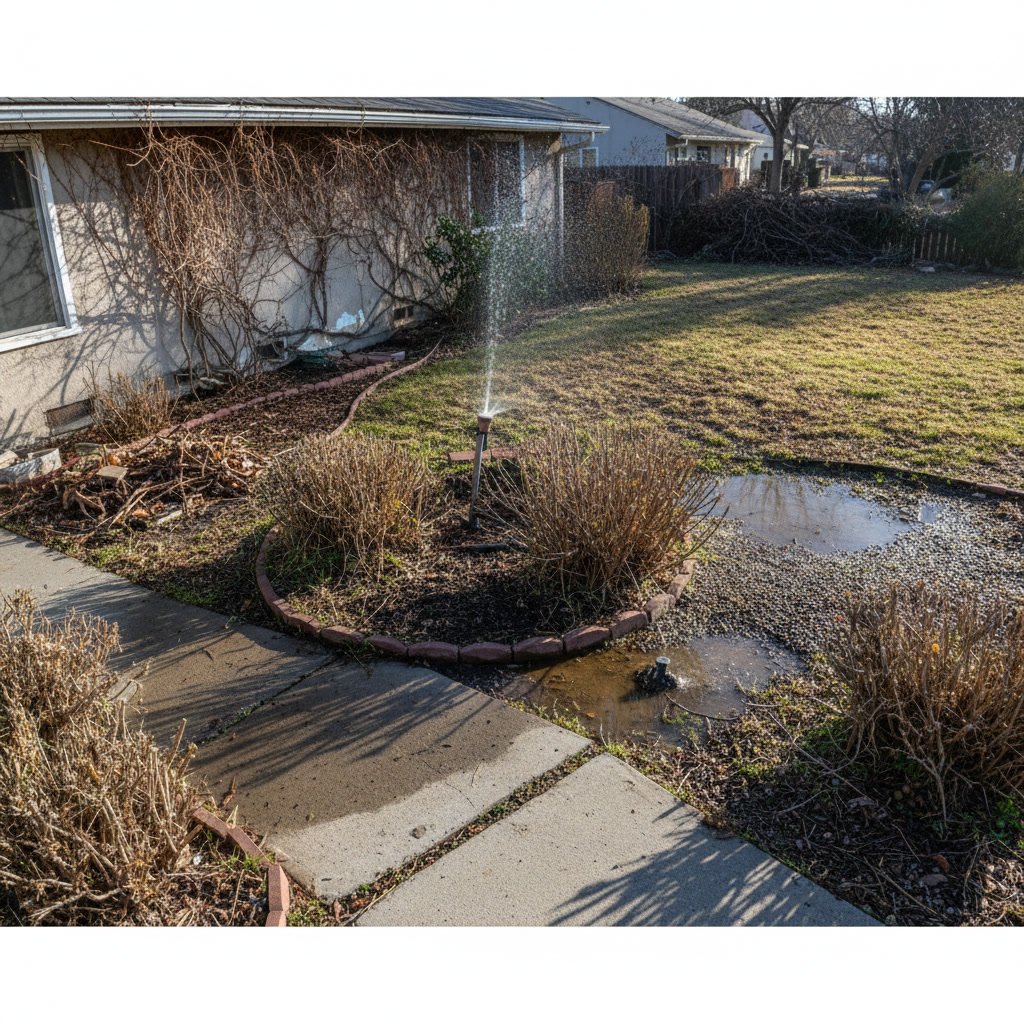
Understanding where water flows during storms is the first step in solving erosion. Water follows the path of least resistance, accelerating on slopes and concentrating in low points. Signs of problematic water movement include exposed soil, small channels or ruts, sediment deposits at the base of slopes, and areas where grass struggles to grow.
Professional assessment identifies not just where erosion happens but why. Factors include roof drainage patterns, impervious surfaces that concentrate runoff, compacted soil that prevents infiltration, and grade issues that direct water toward vulnerable areas rather than away from structures.
Strategic Grading and Drainage Solutions That Last
Proper grading establishes slopes that move water away from structures while preventing velocities that cause erosion. The ideal grade near foundations is two percent, which equals a drop of three inches over 12.5 feet. Steeper areas may require terracing to break long slopes into manageable segments.
French drains, channel drains, and dry creek beds handle concentrated flows. A properly installed French drain includes a perforated pipe surrounded by gravel, wrapped in filter fabric, and sloped at minimum one percent grade. These systems intercept subsurface water and surface runoff before erosive forces develop. When working with landscaping services that understand hydrology, you get solutions sized correctly for your property’s water volumes.
Plant Selection Based on Root Architecture
Different plants stabilize soil through varied root systems. Deep taproots anchor soil vertically, fibrous roots create horizontal networks, and rhizomatous plants spread aggressive underground stems that bind large areas.
Native grasses like switchgrass and little bluestem develop roots extending six to eight feet deep. Shrubs such as sumac, dogwood, and ninebark provide woody structure and dense root masses. Ground covers including creeping juniper and periwinkle quickly establish thick mats that protect soil surfaces. Combining these plant types creates stability at multiple soil depths.
Plant establishment takes time, so temporary measures like erosion control blankets protect bare soil during the first growing season. These biodegradable mats hold seed and soil in place while roots develop the strength to function independently.
Retaining Walls and Terracing for Steep Slopes
Slopes steeper than 3:1 (three feet horizontal for every foot vertical) often require structural support. Retaining walls hold soil in place while creating level planting areas. Walls under four feet tall can typically use modular block systems that interlock without mortar. Taller walls may need engineered footings and drainage systems behind the wall face.
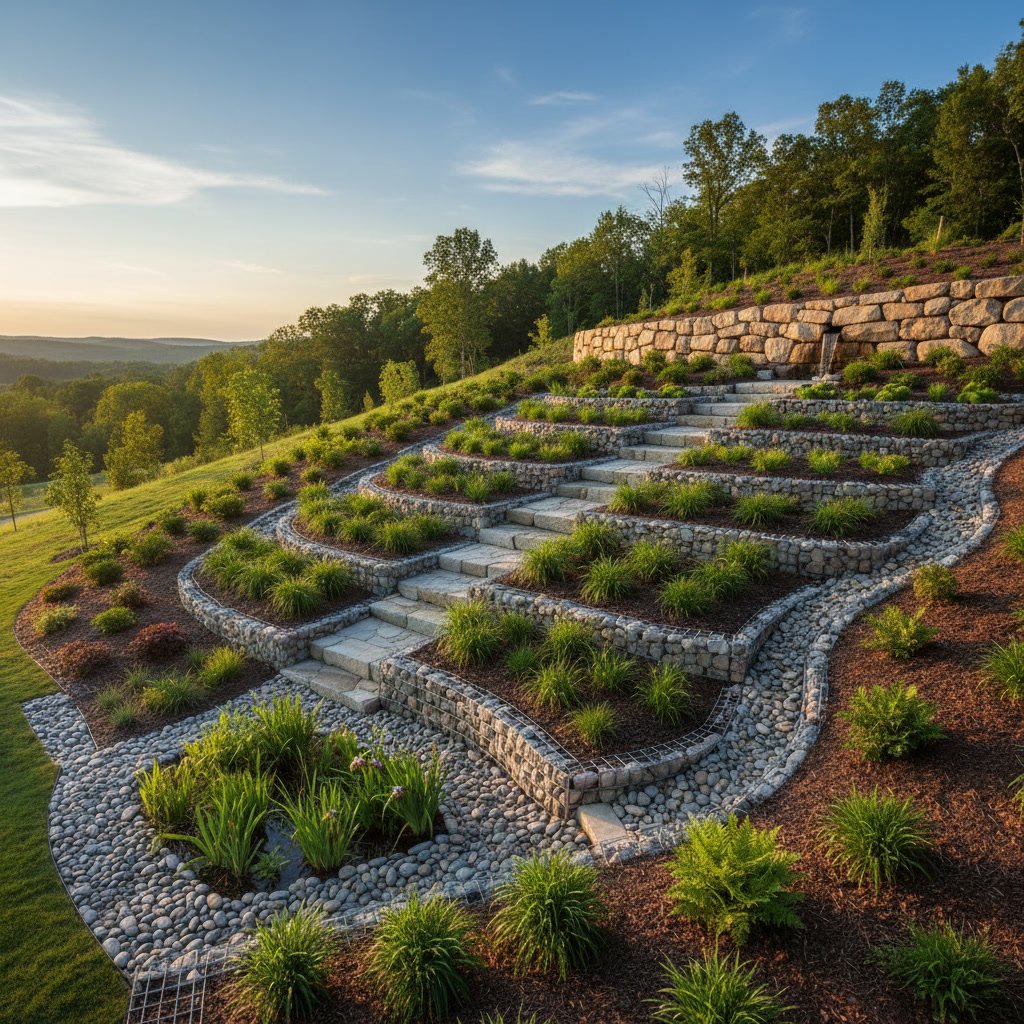
Terracing transforms steep slopes into a series of level beds separated by retaining structures or planted banks. This approach reduces water velocity, increases infiltration time, and creates diverse planting opportunities. Each terrace should be wide enough for practical maintenance, typically at least four feet for access.
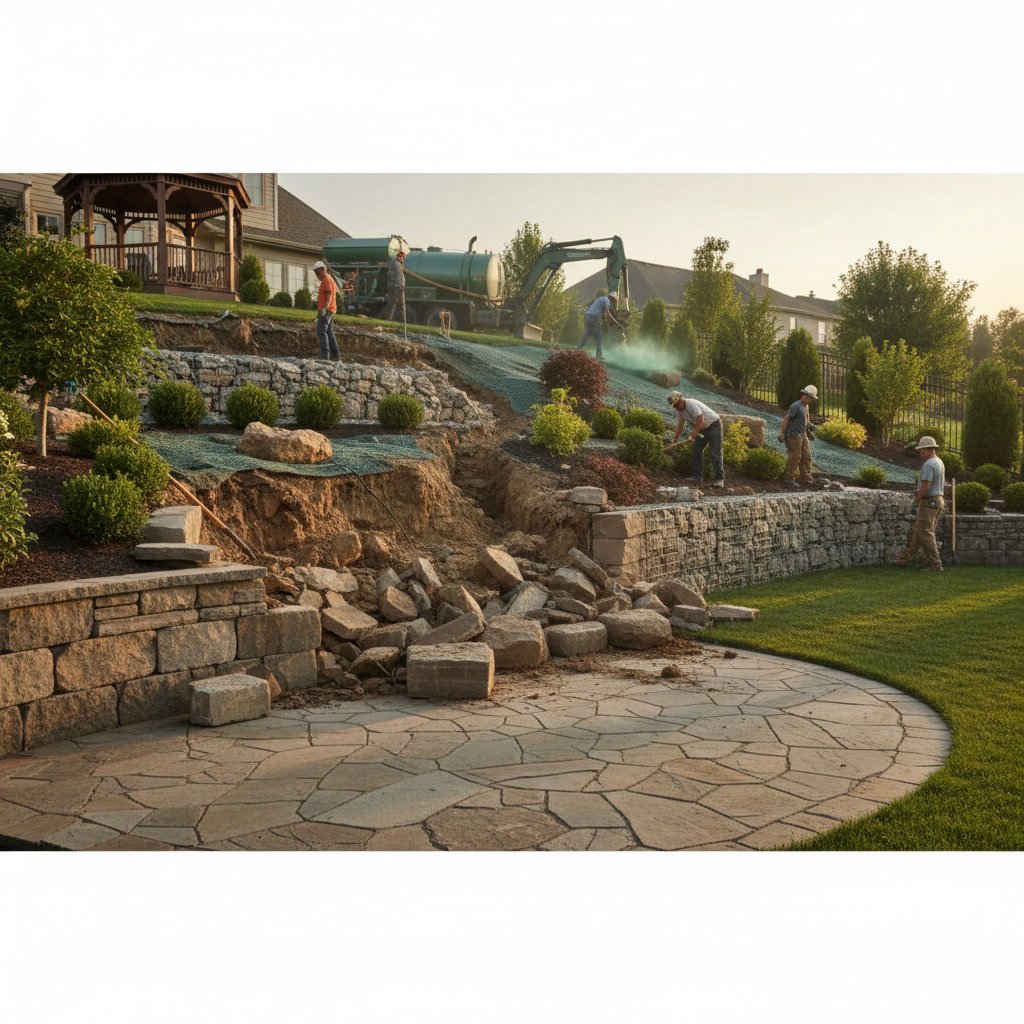
Materials range from natural stone and timber to concrete block and steel. The choice depends on the height needed, aesthetic preferences, and site access for installation equipment. Professional installation ensures proper base preparation, backfill drainage, and structural integrity that prevents future failures.
Five Proven Techniques for Immediate Erosion Prevention in Parkville
Missouri properties face intense summer thunderstorms and spring freeze-thaw cycles that accelerate erosion. These methods provide rapid protection:
- Mulch application: A three to four inch layer of shredded hardwood mulch absorbs raindrop impact, slows surface water, and prevents soil crusting. Replenish annually as material decomposes.
- Sod installation: Mature grass sod provides instant root structure and ground cover. More expensive than seeding but effective immediately on moderate slopes up to 2:1.
- Erosion control matting: Coir or straw blankets stapled to bare soil protect surfaces while vegetation establishes. Essential for slopes steeper than 4:1 or areas with concentrated flow.
- Rock riprap: Angular stone placed along drainage channels dissipates water energy and prevents channel widening. Stone size depends on flow velocity, typically three to eight inches for residential applications.
- Downspout extensions and splash blocks: Direct roof water at least six feet from foundations onto protected surfaces or into drainage systems rather than allowing concentrated discharge onto bare soil.
These techniques work best in combination, addressing both surface protection and water management. The specific mix depends on your property’s slope, soil type, and water volume.
Maintenance Requirements for Long-Term Stability
Even permanent solutions need periodic attention. Inspect drainage systems twice yearly, clearing debris from inlets and outlets. Check retaining walls for signs of movement, bulging, or separation. Remove invasive plants that can disrupt designed landscapes and replace dead vegetation promptly to maintain root structure.
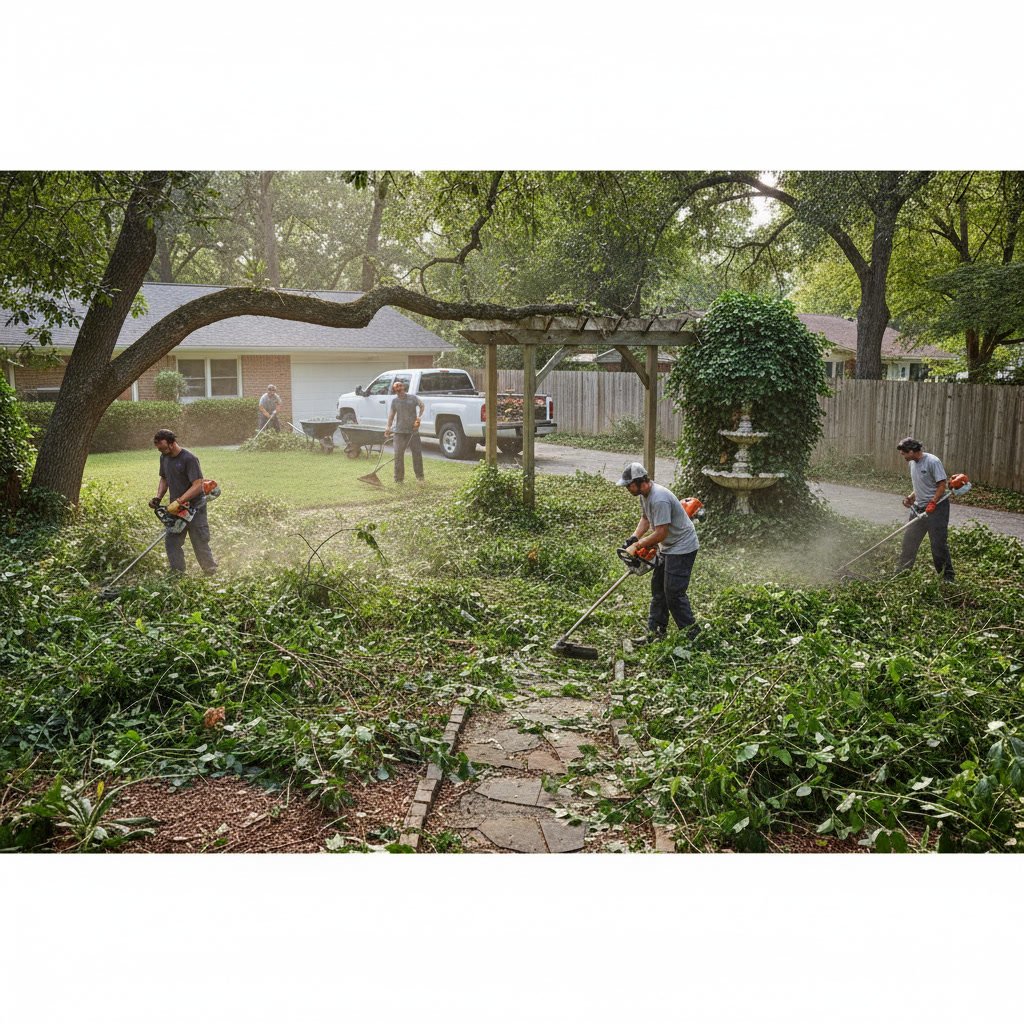
Mulch decomposes and washes away, requiring replenishment every 12 to 18 months. Prune plants to maintain intended size and density without creating bare spots. During extreme weather, check for new erosion patterns that may require adjustment to your original plan. Regular outdoor landscape maintenance prevents small issues from becoming major problems.
When DIY Approaches Fall Short
Homeowners can address minor erosion with mulch, planting, and small drainage improvements. However, certain situations require professional expertise and equipment. Properties with slopes steeper than 3:1 need engineered solutions that account for soil mechanics and structural loads.
Sites with springs, high water tables, or clay soils present complex drainage challenges that demand hydrological analysis. Erosion affecting foundations, septic systems, or neighboring properties creates liability that warrants professional assessment. Large-scale grading requires earth-moving equipment and understanding of how grade changes affect drainage patterns across entire properties.
Professional services also ensure compliance with local stormwater regulations, which increasingly restrict how property owners manage runoff. Understanding when professional help becomes necessary can save both money and future headaches.
Integrating Erosion Control with Aesthetic Goals
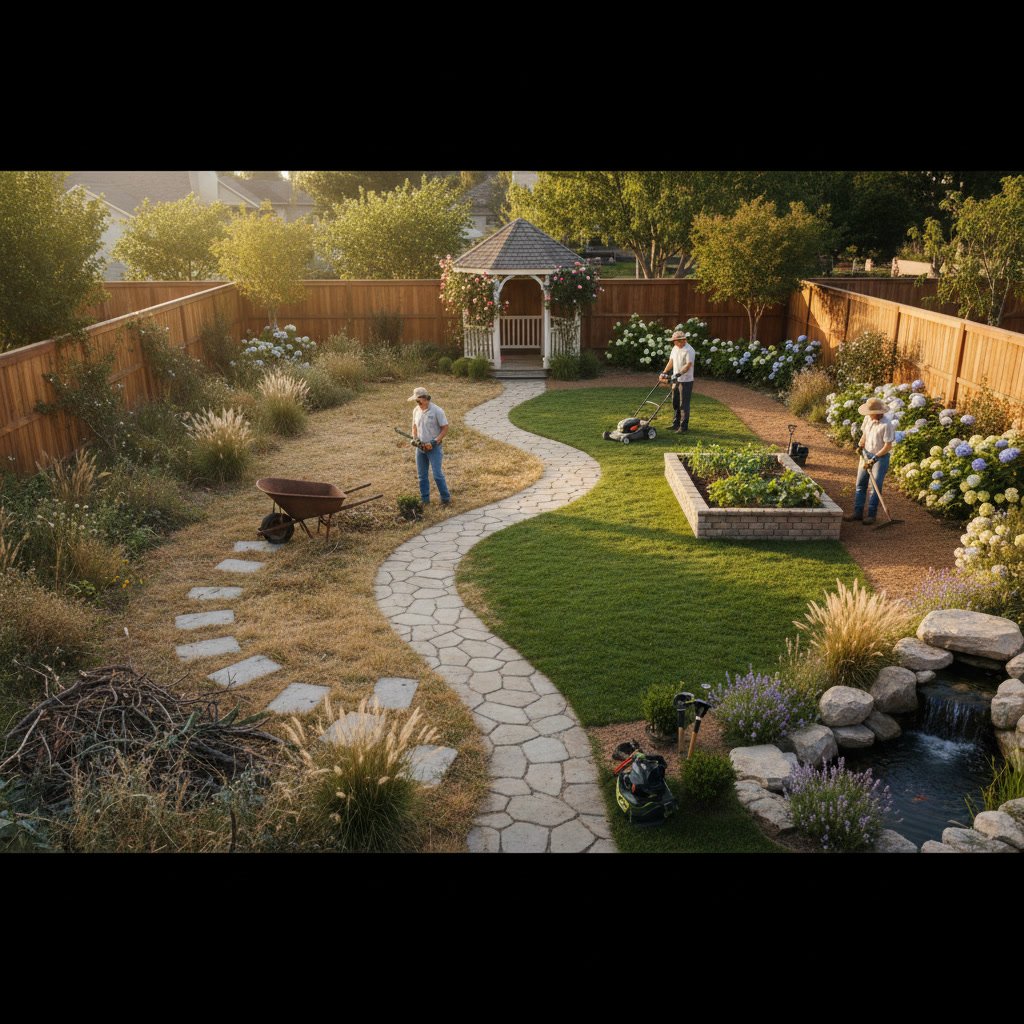
Functional landscapes need not sacrifice beauty. Rain gardens transform low areas into planted features that filter runoff while supporting pollinators. Dry creek beds made from river rock create visual interest while channeling water safely. Terraced beds provide opportunities for layered planting designs that add depth and color.
Native plant selections that stabilize soil often require less water and maintenance than traditional ornamentals. Their natural appearance complements Missouri landscapes while supporting local ecosystems. Strategic placement of boulders, decorative walls, and specimen plants turns necessary engineering into landscape focal points.
The best designs solve practical problems invisibly, where erosion control infrastructure becomes part of the overall landscape rather than an obvious add-on. This integration requires planning that considers both hydrology and design principles from the project’s beginning.
Building Resilience Into Your Property
Permanent solutions to erosion and soil problems combine multiple strategies that work together. Surface protection through plants and mulch handles normal rainfall. Drainage systems manage concentrated flows. Structural elements like walls and terracing address topography challenges. This layered approach creates redundancy so that if one element underperforms, others continue protecting your soil.
All Season Lawn and Landscaping LLC has addressed erosion challenges across Missouri properties since 2008, combining practical engineering with aesthetic landscape design. The investment in proper erosion control protects your property value, prevents costly repairs, and creates outdoor spaces you can use and enjoy rather than watch wash away.
If your property shows signs of erosion or you want to prevent problems before they start, professional assessment identifies the most effective solutions for your specific situation. Call +18163633203 to schedule a consultation and learn how targeted landscape improvements can solve soil stability issues permanently.