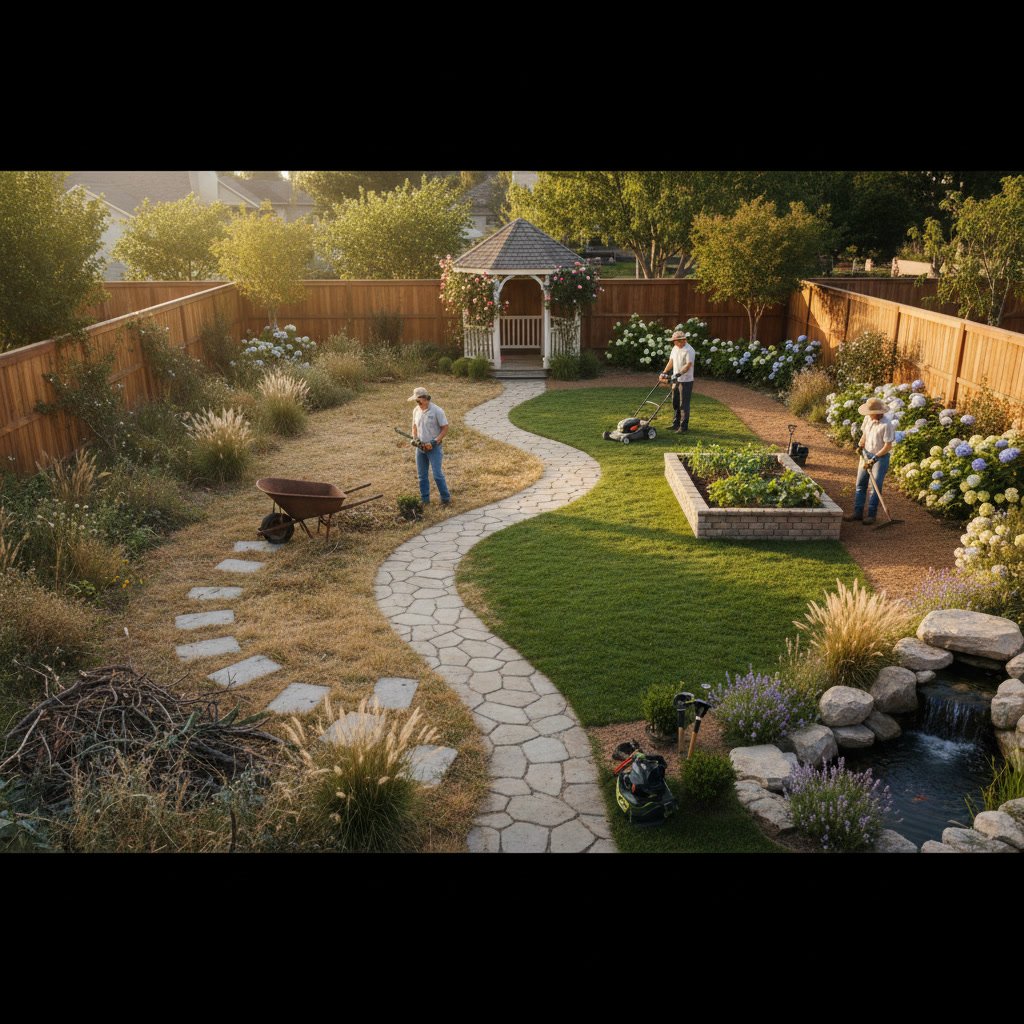
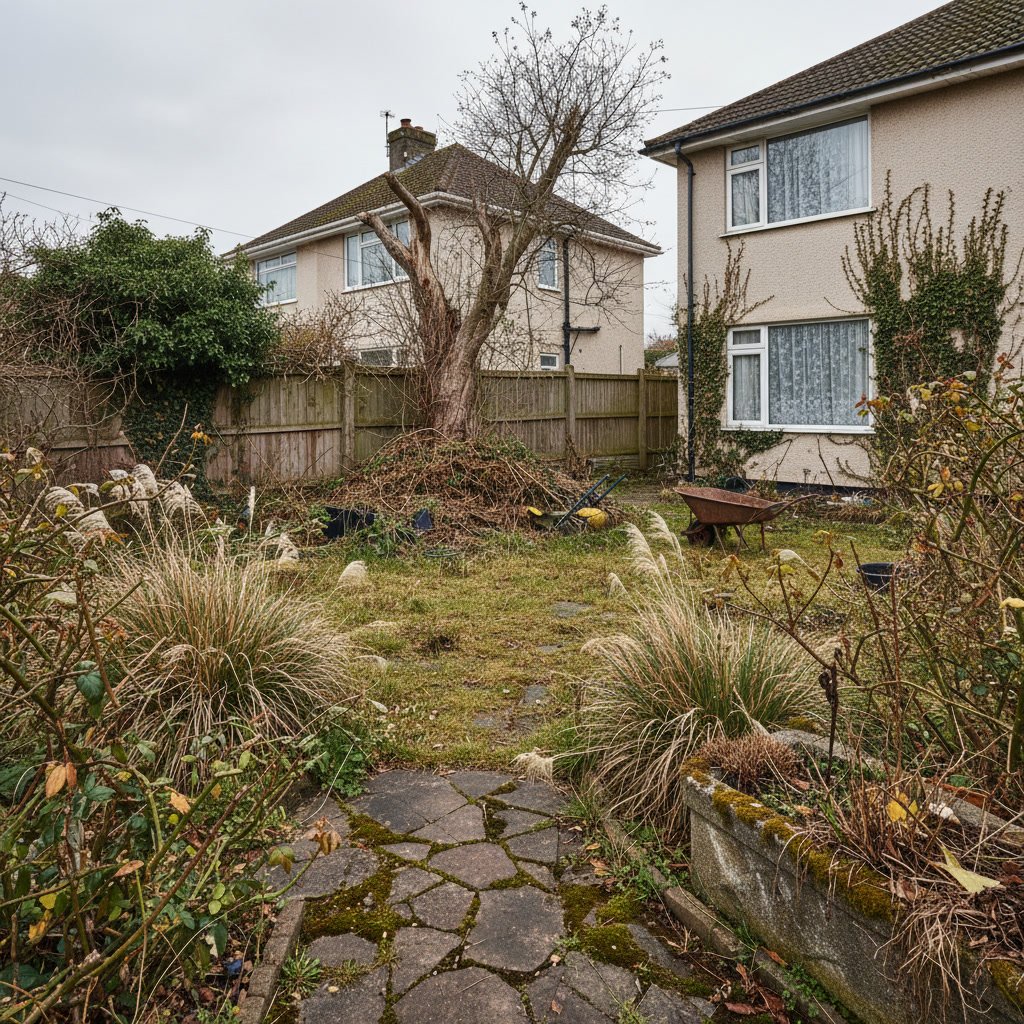
Your outdoor space communicates its health through visible signs, many of which homeowners overlook until minor problems escalate into expensive fixes. Properties show stress through patchy grass, overgrown beds, poor drainage, and pest damage, all indicating you need landscaping services to restore function and curb appeal. Recognizing these warning signals early helps you address issues before they compromise your property value or require extensive remediation.
Why Curb Appeal Decline Happens Gradually
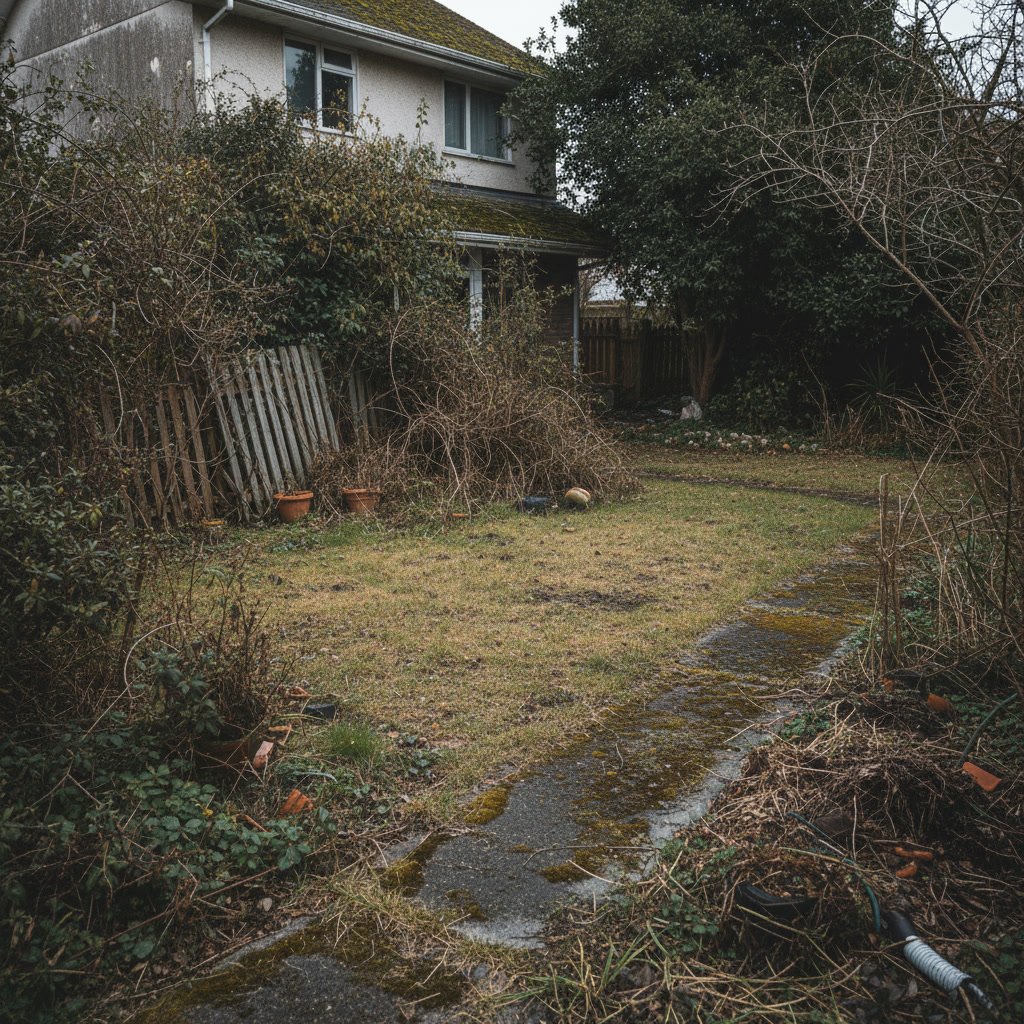
Most properties don’t lose their visual appeal overnight. The process unfolds slowly through seasons of neglect, inadequate maintenance routines, or using the wrong care methods for your specific soil and climate conditions. Grass thins out in high-traffic zones. Mulch fades and compacts. Shrubs expand beyond their intended boundaries while perennials fail to return each spring.
This gradual decline makes it difficult for property owners to notice the cumulative effect. You see your yard daily, so the small changes blend into your routine until a neighbor’s comment or a real estate comparison reveals how much ground you’ve lost. Professional eyes catch these trends early because they compare your property against industry standards, not against last week’s condition.
Understanding the True Cost of Delayed Maintenance
Postponing necessary landscape work creates a compounding problem. A drainage issue that starts as a small wet spot grows into soil erosion, foundation concerns, and dead plant zones within one or two seasons. Ignoring diseased trees allows pathogens to spread to healthy specimens. Skipping seasonal cleanups lets weeds establish root systems that require chemical intervention rather than simple removal.
The financial impact extends beyond repair costs. Properties with visible landscape problems appraise 5 to 15 percent lower than comparable homes with well-maintained grounds. If you plan to sell within three to five years, that depreciation directly affects your return. Even without selling, neglected landscapes invite pests, reduce usable outdoor space, and create safety hazards from overgrown branches or uneven surfaces.
Your Lawn Shows Persistent Bare Patches or Thinning
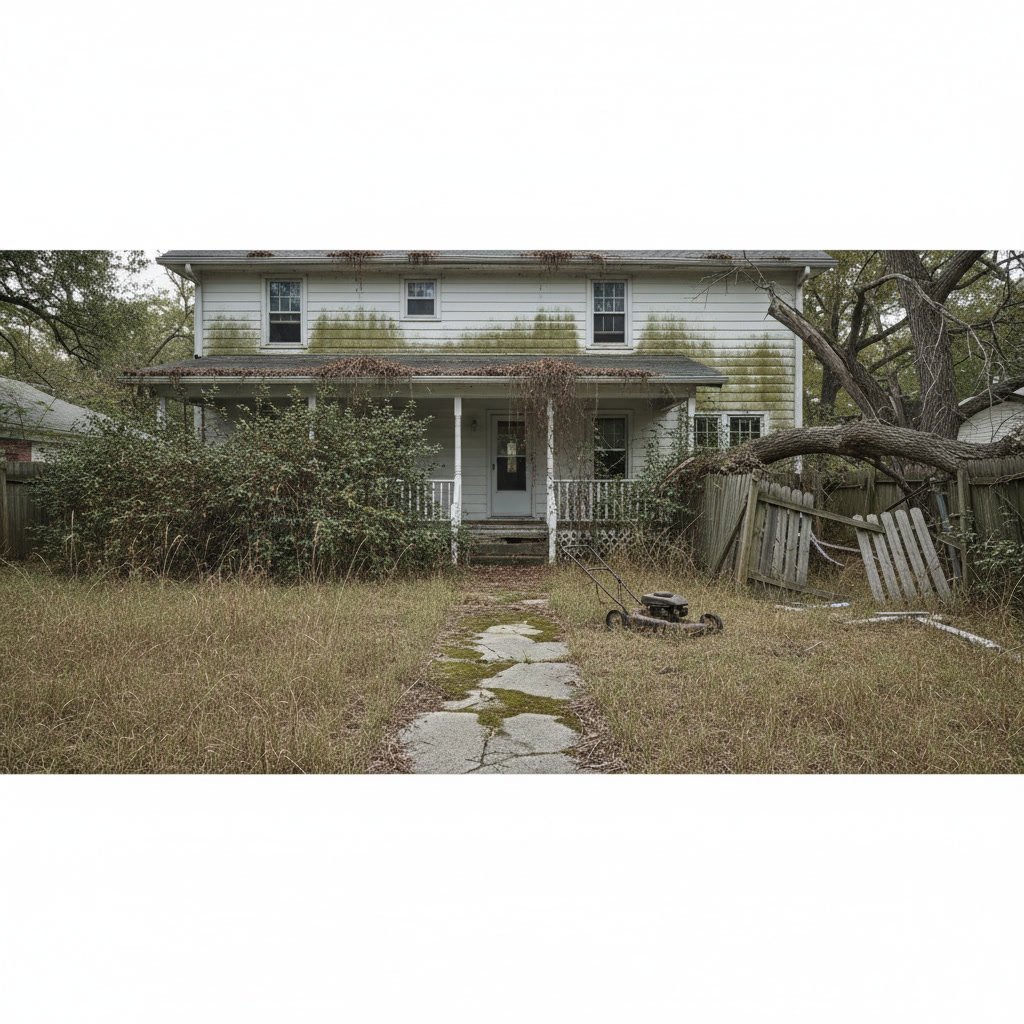
Healthy turf maintains consistent density across your yard, with blades standing upright and color remaining uniform. When you notice expanding bare spots, circular brown patches, or areas where grass refuses to establish despite your seeding efforts, these point to underlying issues a lawn care professional should diagnose.
Bare patches stem from multiple causes: compacted soil preventing root penetration, pH imbalances making nutrients unavailable, fungal diseases spreading through the root zone, or grub infestations eating roots below the surface. Each cause requires a different remedy. Applying generic lawn products without identifying the root problem wastes money and delays recovery.
Professionals test soil composition, assess drainage patterns, and identify pest or disease presence before recommending treatment. This diagnostic approach solves the actual problem rather than masking symptoms temporarily.
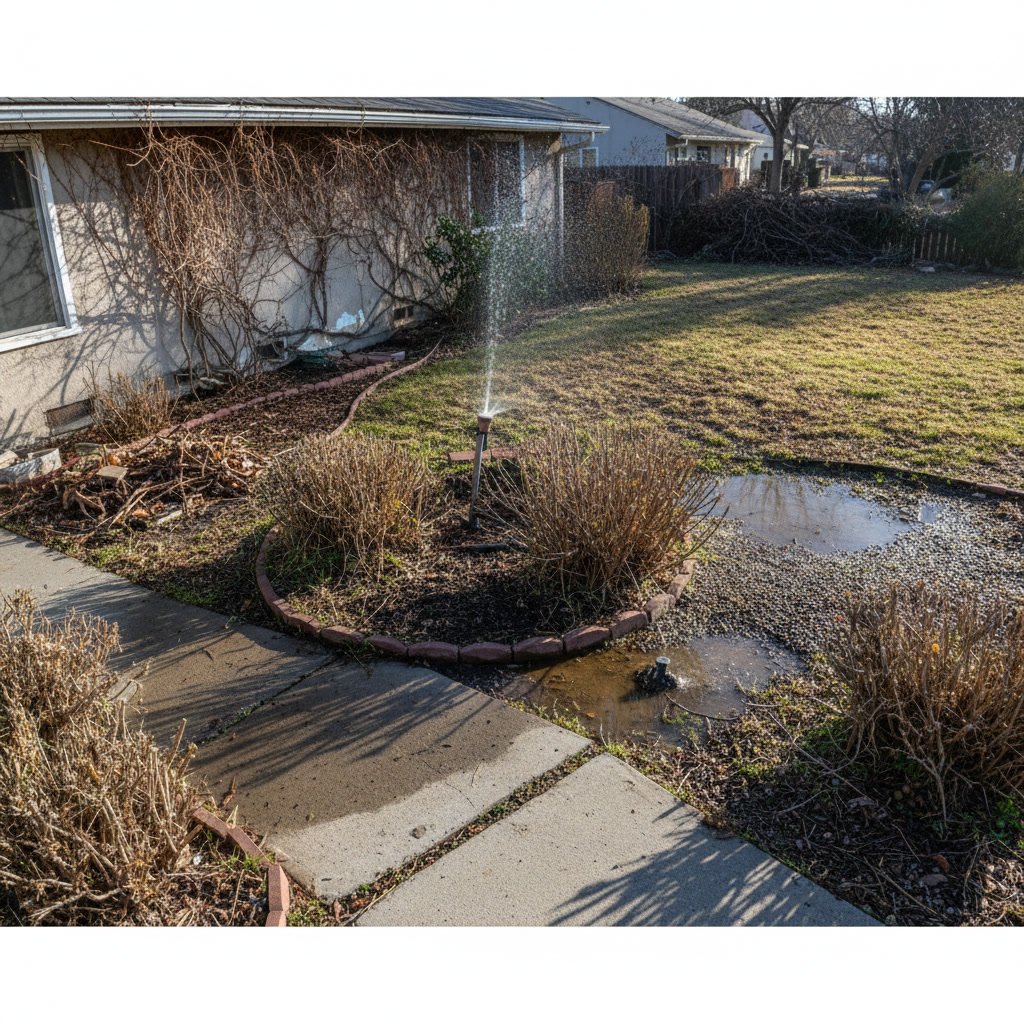
Drainage Problems Create Standing Water
Water should move away from your foundation and disperse within 24 hours after rain or irrigation. If you see puddles lingering for days, water pooling against your home’s base, or soggy zones where grass stays wet and spongy, your property has drainage deficiencies that require immediate attention.
Poor drainage kills plant roots through oxygen deprivation, creates breeding grounds for mosquitoes, and undermines structural elements including foundations, retaining walls, and hardscaping. Clay soils common in Missouri compact easily and shed water rather than absorbing it, making the problem worse over time.
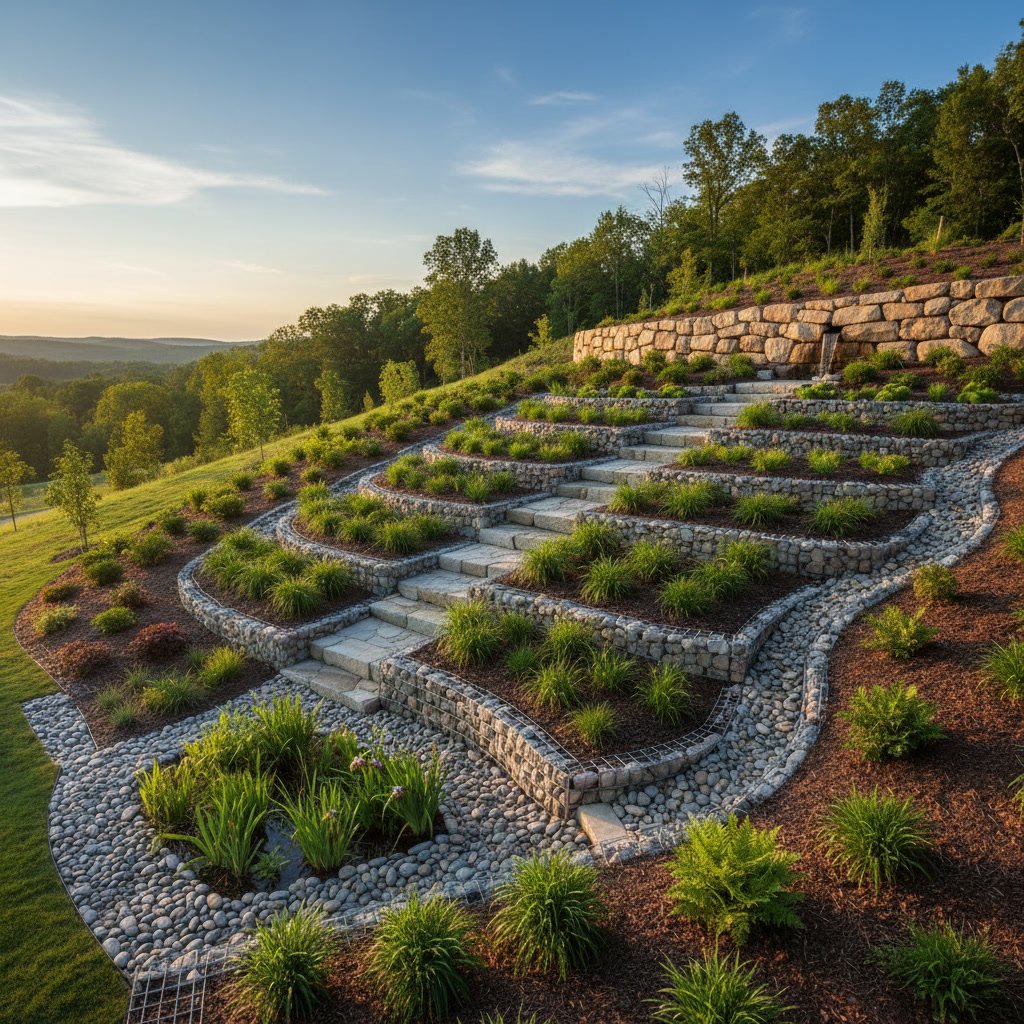
Correcting drainage often involves grading adjustments, installing French drains, creating rain gardens, or restructuring planting beds to redirect water flow. These solutions require earth-moving equipment and knowledge of local soil types, making them ideal candidates for landscaping services rather than DIY attempts.
Weeds Dominate More Space Than Desirable Plants
A few scattered weeds represent normal lawn life. When weeds outnumber grass or crowd out ornamental plantings, you’re losing the competition for nutrients, water, and sunlight. Dandelions, crabgrass, thistle, and broadleaf weeds establish quickly and spread aggressively when conditions favor them over your intended plants.
Weed dominance usually signals that your turf or garden beds lack the health to compete. Thin grass allows weed seeds to reach soil and germinate. Bare soil in beds invites opportunistic species. Missing mulch layers remove the barrier that suppresses weed emergence.
Professional weed control addresses both the existing weeds and the conditions that allowed them to thrive. Selective herbicides remove broadleaf weeds without damaging grass. Pre-emergent treatments prevent new seeds from sprouting. Improving turf density through overseeding and fertilization helps grass outcompete future weed pressure naturally.
Overgrown Shrubs Block Windows and Pathways
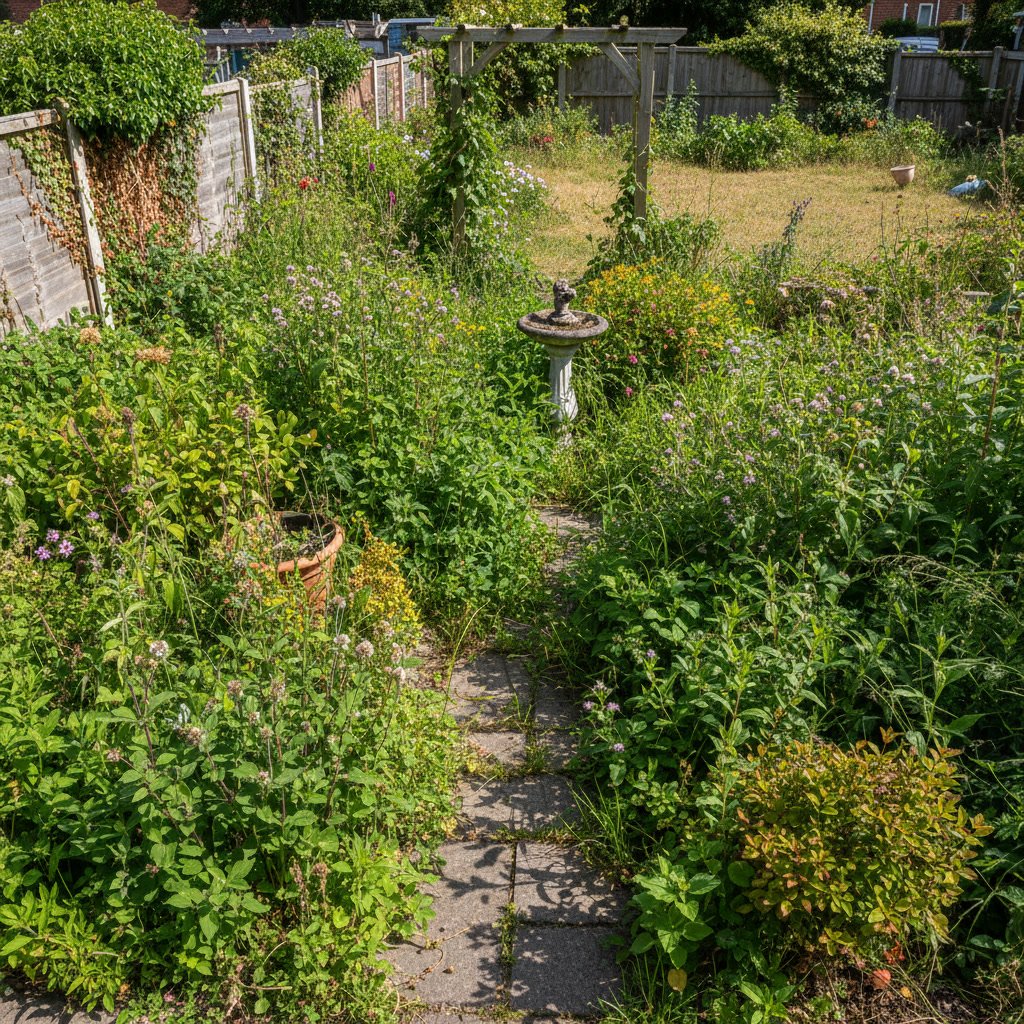
Foundation plantings and ornamental shrubs require regular pruning to maintain their intended size and shape. When branches press against siding, obscure windows, or force you to duck while walking paths, your plants have outgrown their space. This overgrowth reduces natural light, traps moisture against your home, and creates hiding spots for pests.
Many homeowners hesitate to prune aggressively, fearing they’ll harm plants. This caution leads to yearly trimming that removes only the most recent growth while the plant’s overall mass continues expanding. Professionals understand species-specific pruning requirements, timing cuts to promote healthy regrowth rather than stress responses.
Proper pruning restores clearance, improves air circulation, and often stimulates better flowering or fruiting. Some overgrown specimens benefit from rejuvenation pruning that removes one-third of the oldest stems annually, gradually restoring manageable size over three years.
Seasonal Color and Interest Disappear From Your Beds in Parkville
Well-designed landscapes provide visual interest across all four seasons through varied plant selections, layered heights, and intentional bloom timing. If your beds look vibrant for six weeks in spring then fade into monotonous green or bare soil, your planting scheme lacks diversity.
Creating year-round appeal requires understanding plant lifecycles, bloom periods, fall color potential, and winter structure. Combining spring bulbs with summer perennials, fall-blooming sedums, and evergreen shrubs ensures something catches the eye every month. This knowledge comes from experience with how specific cultivars perform in local conditions.
A landscape professional can audit your existing beds and recommend additions that fill seasonal gaps without requiring complete redesigns. Sometimes adding three to five strategic species transforms a flat landscape into one with continuous interest.
Hardscaping Shows Cracks, Settling, or Weed Growth
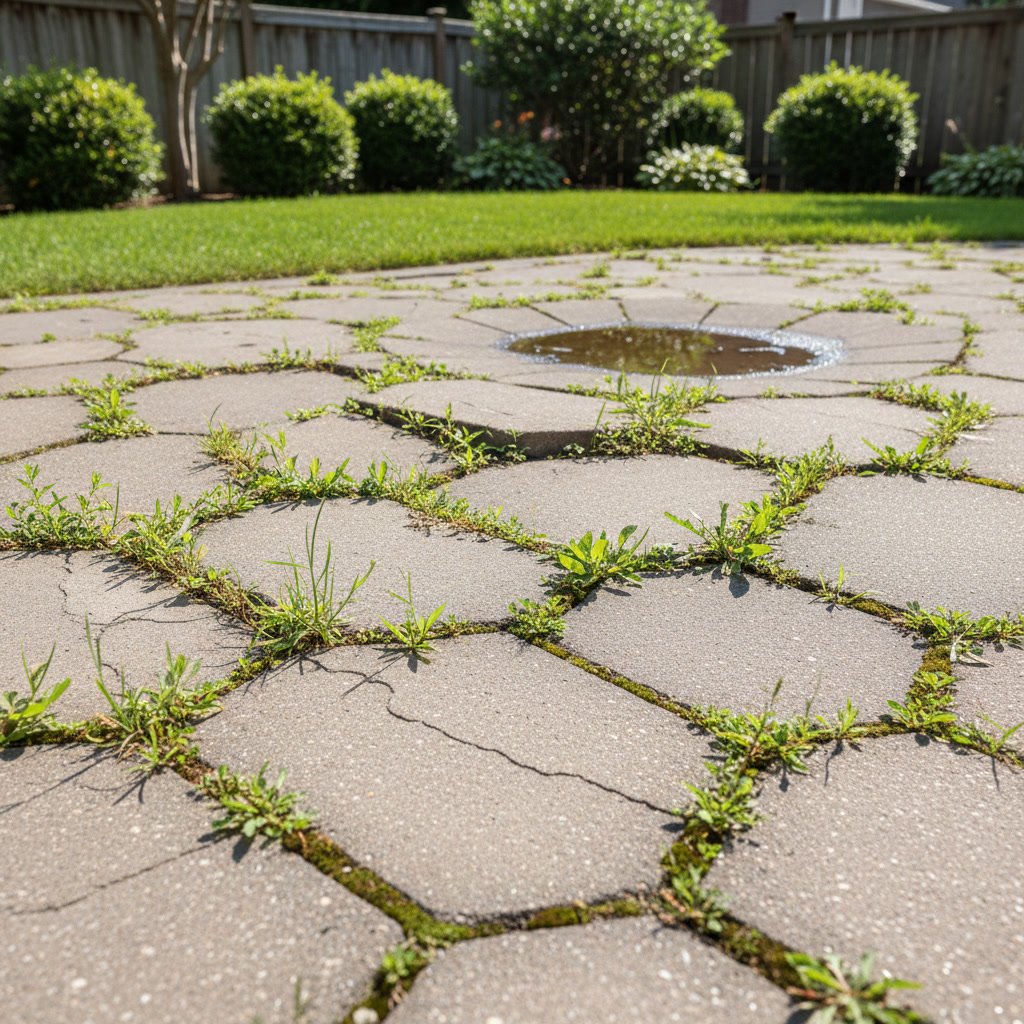
Patios, walkways, and retaining walls endure constant stress from weather cycles, ground movement, and root pressure. Small cracks widen through freeze-thaw cycles. Pavers settle unevenly when base materials wash away. Weeds exploit joints between stones, leveraging roots that widen gaps and destabilize surfaces.
Ignoring hardscape deterioration accelerates failure. A crack that starts hairline-thin becomes a trip hazard within two seasons. Settled pavers create drainage problems that undermine adjacent sections. Weed roots fracture mortar and dislodge stones.
Professionals assess whether repairs require simple re-leveling and joint sand replacement or full reconstruction with improved base preparation. They identify root intrusion sources and install barriers to prevent recurrence. For properties needing extensive cleanup before hardscape repairs, understanding the types of yard cleanup services available helps prioritize the work sequence.
Pest Damage Appears on Plants or Turf
Holes in leaves, chewed stems, discolored foliage, and wilting plants despite adequate water all indicate pest activity. Common landscape pests include Japanese beetles, bagworms, spider mites, and various caterpillars that defoliate plants rapidly during peak feeding periods. Below ground, grubs destroy turf roots while voles and moles create tunnel systems that destabilize soil.
Effective pest management requires correct identification before treatment. Many products target specific pest types, and using the wrong one wastes money while allowing damage to continue. Timing matters too, because many pests are vulnerable only during certain life stages.
Integrated pest management combines cultural practices, biological controls, and targeted chemical applications when necessary. Professionals monitor pest populations, apply treatments at optimal times, and adjust strategies based on results rather than relying on calendar-based spraying.
Your Property Needs More Time Than You Can Give
Maintaining a landscape properly requires consistent time investment throughout the growing season. Mowing, edging, weeding, pruning, fertilizing, and seasonal cleanups accumulate into 60 to 100 hours annually for an average residential property. When work schedules, family commitments, or physical limitations prevent you from keeping pace, your yard shows the deficit quickly.
Many property owners start the season with good intentions but fall behind during summer heat or when competing priorities arise. This inconsistency creates stress for both you and your landscape. Plants suffer when care happens sporadically. You feel guilty seeing the growing to-do list.
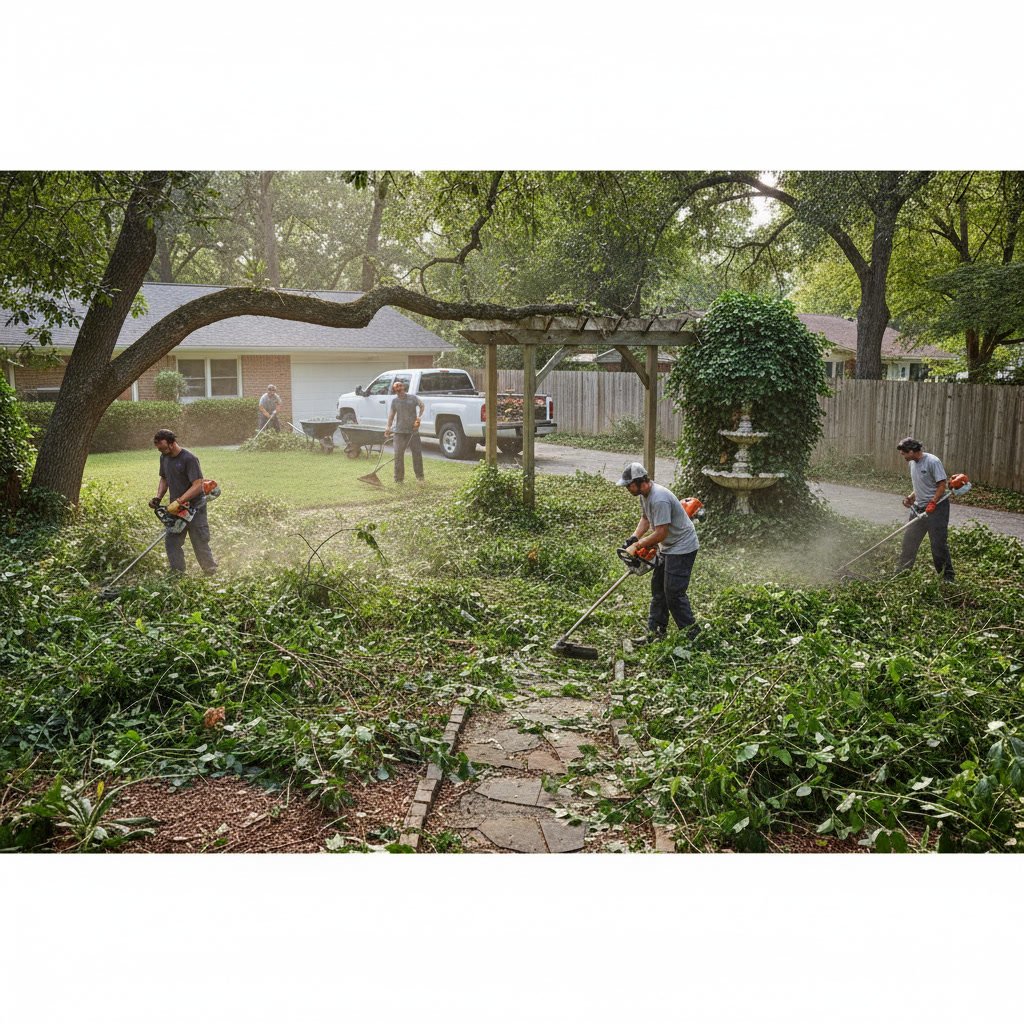
Hiring consistent outdoor landscape maintenance eliminates this cycle. Scheduled service ensures work happens regardless of your availability, maintaining your property’s health and appearance without adding to your personal workload. Learning what professional lawn maintenance services include helps you understand the scope of work professionals handle.
Comparing DIY Efforts Against Professional Results
Understanding when to handle tasks yourself versus hiring help saves money and prevents frustration. Simple maintenance like mowing, basic weeding, and watering suits most homeowners. Complex projects including drainage correction, large tree work, hardscape installation, and pest diagnosis require specialized knowledge and equipment.
DIY landscaping becomes inefficient when you lack the right tools, spend weekends researching techniques, or redo work that didn’t produce expected results. Renting equipment for one-time use often costs more than hiring someone who owns it and completes the job in a fraction of the time.
Professional services deliver consistent quality because crews perform these tasks daily across multiple properties. They recognize problems early, work efficiently, and guarantee results. For projects requiring permits or affecting drainage patterns that impact neighbors, professionals navigate regulations you might not know exist.
Restoring Your Property’s Health and Beauty
Recognizing these warning signs represents the first step toward improving your outdoor space. Properties showing multiple symptoms benefit from comprehensive assessments that identify all issues rather than addressing problems piecemeal. A full evaluation examines soil health, plant condition, drainage function, pest presence, and structural elements to create a prioritized action plan.
Starting with essential repairs like drainage correction and dead plant removal establishes a stable foundation. Following with soil amendments, strategic plantings, and regular maintenance schedules builds sustained improvement. Most landscapes show noticeable recovery within one growing season when receiving appropriate professional care.
All Season Lawn and Landscaping LLC has served property owners since 2008, delivering the quality results and personalized service that turned a small operation into a trusted full-service provider. Our team understands the specific challenges properties face and creates solutions that fit your goals and budget.
If your property shows any of these warning signs, schedule an assessment to understand what your landscape needs and how professional services restore its health and curb appeal. Contact All Season Lawn and Landscaping LLC at +18163633203 to discuss your property’s specific challenges and explore solutions that work for your situation.