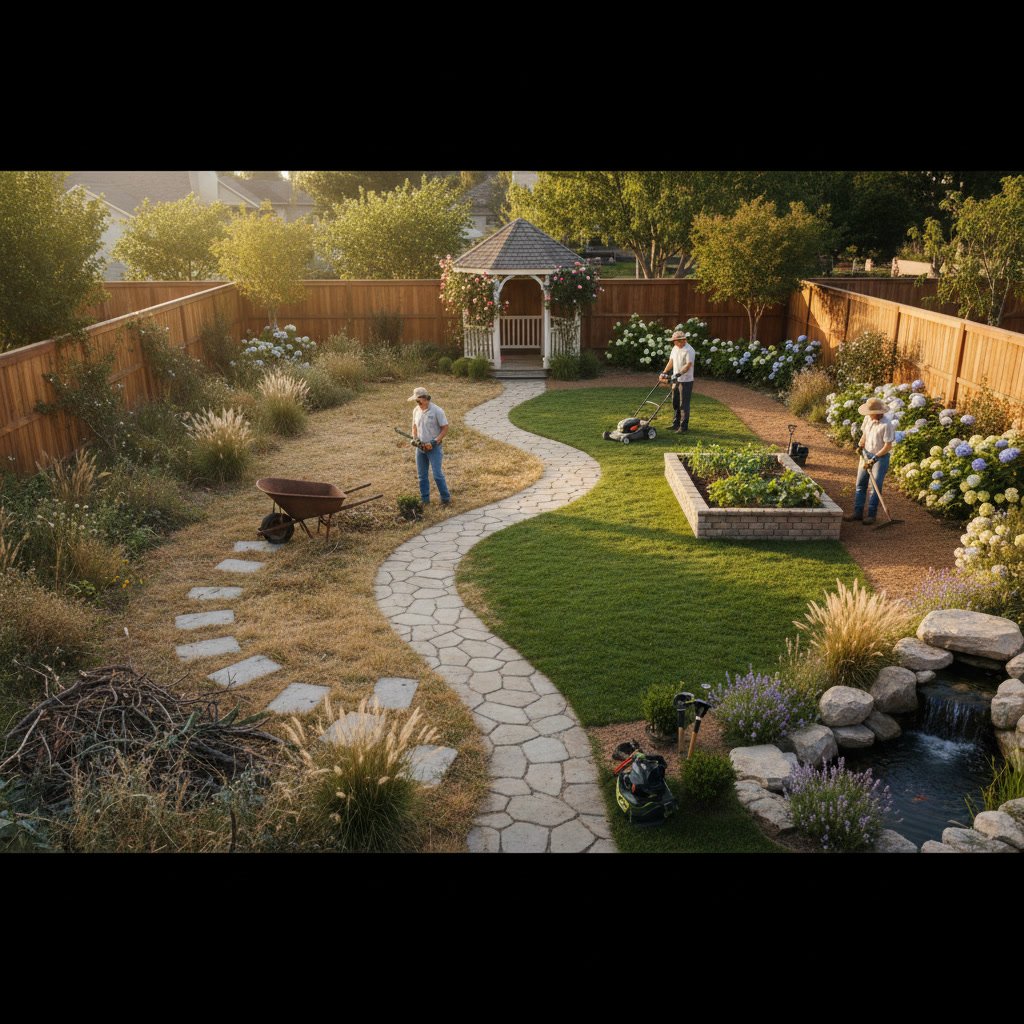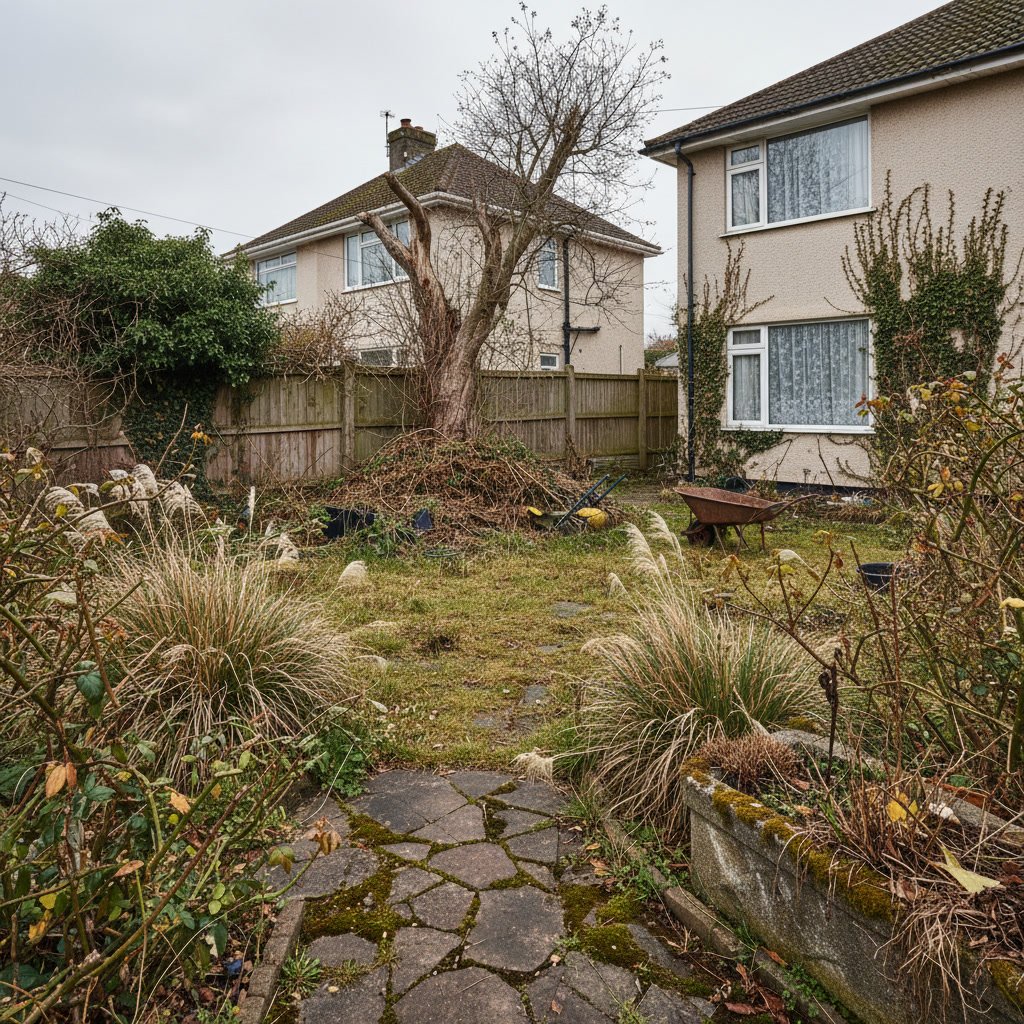
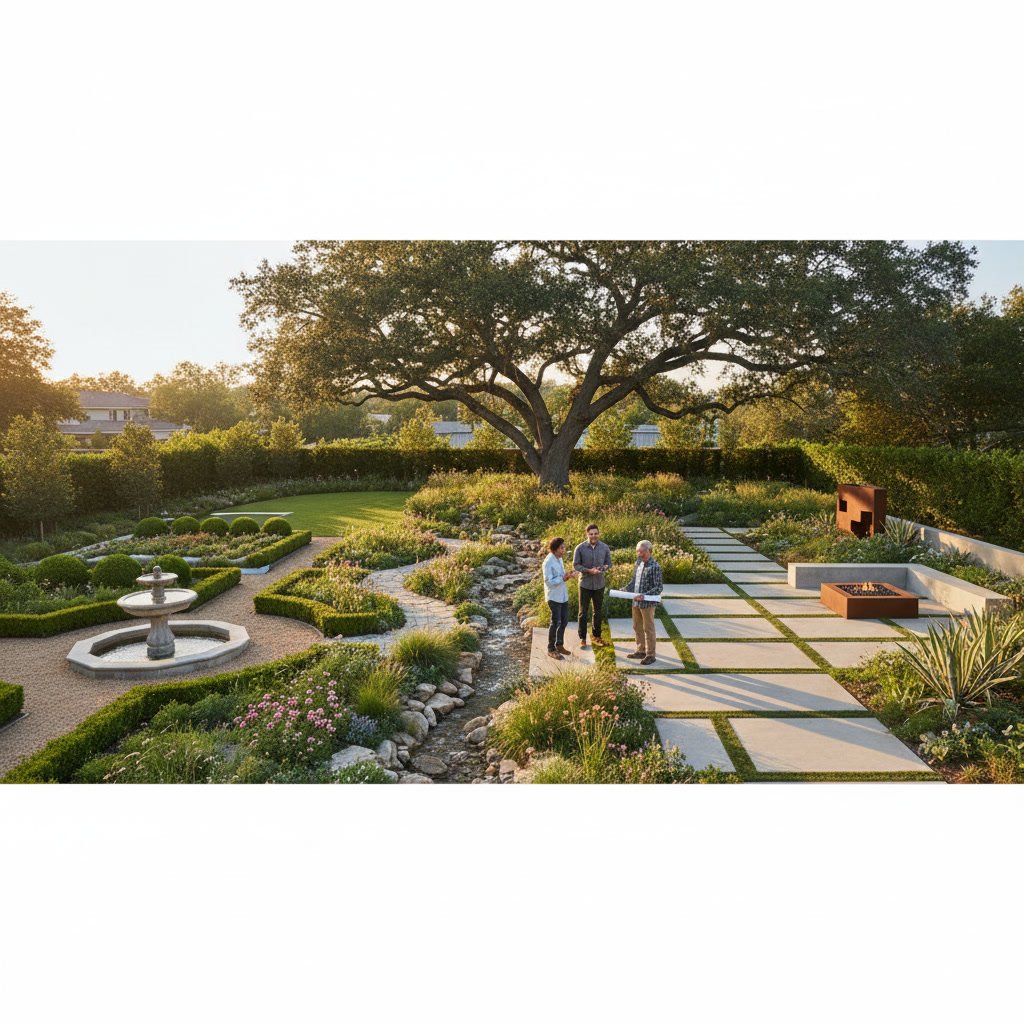
The right landscaping style creates harmony between your home’s architecture and outdoor environment while meeting your practical needs and budget. When you choose landscaping style elements that align with your property’s unique characteristics, you invest in lasting curb appeal and functional outdoor living spaces. Your landscape should reflect both your personal taste and the natural setting of your property, creating a cohesive design that enhances your home’s value and your daily enjoyment.
Understanding Your Property’s Natural Characteristics
Before selecting any design direction, walk your property and note existing features. Observe how sunlight moves across different areas throughout the day. Identify slopes, drainage patterns, and soil conditions that will influence plant selection and hardscape placement.
Pay attention to mature trees and natural vegetation already established on your land. These elements often dictate which styles will work harmoniously with your setting. A property with native oaks and woodland undergrowth naturally supports rustic or naturalistic designs, while a flat lot with full sun exposure offers more flexibility for formal or contemporary approaches.
Matching Style to Your Home’s Architecture
Your home’s architectural style provides the strongest clue for landscape design direction. Colonial and traditional homes pair well with symmetrical layouts, brick pathways, and classic plant selections like boxwoods and hydrangeas. Ranch-style homes from mid-century often benefit from clean lines, geometric shapes, and low-maintenance groundcovers that echo their horizontal emphasis.
Craftsman homes call for natural materials, stone accents, and layered plantings that create depth and texture. Modern architecture demands simplicity, with minimal plant varieties used in bold groupings and hardscapes in concrete, steel, or smooth stone. Mismatching these elements creates visual discord that diminishes both your home and landscape investment.
Climate and Regional Considerations
Kansas City’s climate zone dictates which plants will thrive and which design elements require extra maintenance. Summer heat and occasional drought favor native prairie styles, xeriscaping, or designs that incorporate drought-tolerant perennials and ornamental grasses.
Winter interest matters in four-season climates. Evergreen structure, ornamental bark, and hardscape features ensure your landscape looks intentional year-round rather than barren for months at a time. Understanding local weather patterns helps you avoid costly mistakes like choosing plants that cannot survive Zone 6 winters or designing drainage that cannot handle spring storms.
Five Popular Landscaping Styles in Parkville and Their Key Features
The traditional English garden style features curved borders, mixed perennial beds, and a cottage-style informality. This approach requires regular lawn maintenance and seasonal care but delivers continuous color and classic appeal.
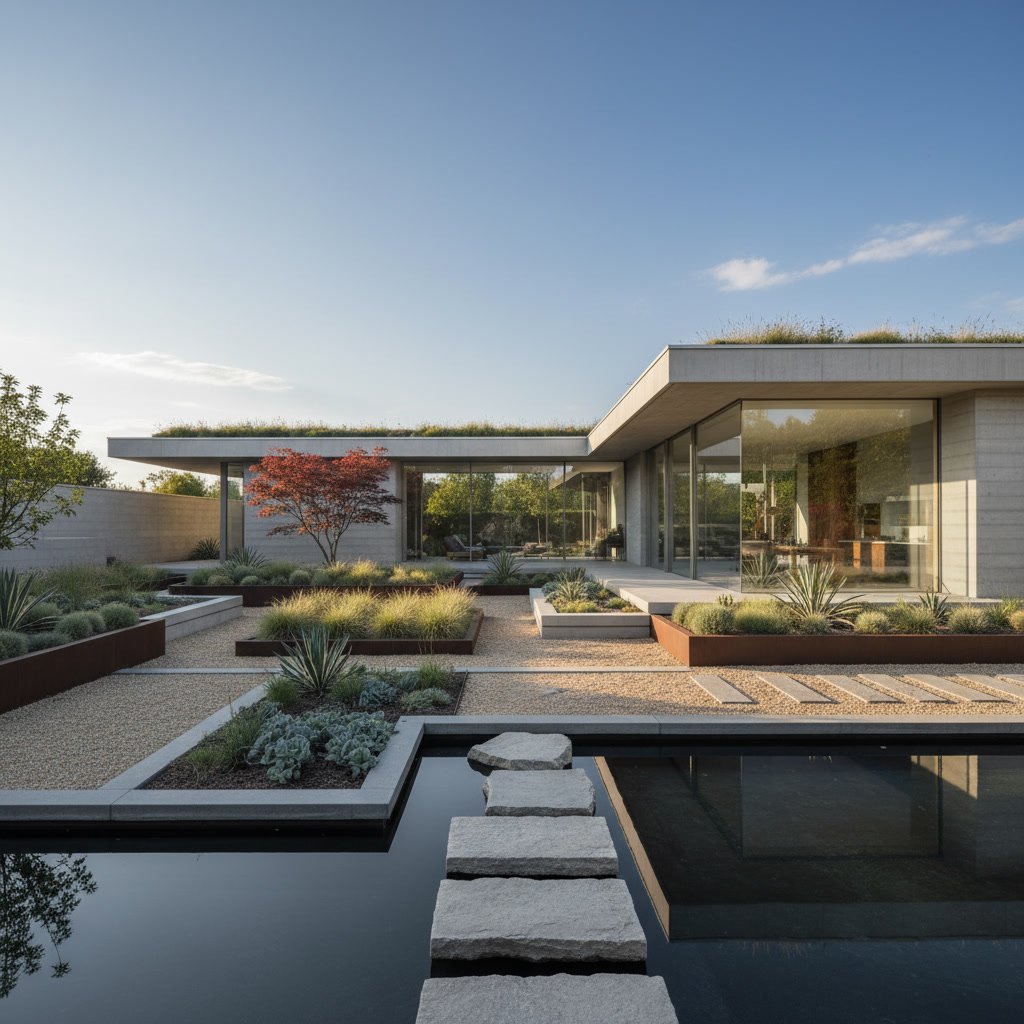
Modern minimalist landscapes use three to five plant types repeated in masses, clean hardscape lines, and open negative space. Maintenance stays lower because fewer plant varieties mean simpler care schedules, though initial installation costs run higher due to quality hardscape materials.
Native prairie restoration celebrates regional ecology with grasses like little bluestem, wildflowers including coneflowers and black-eyed Susans, and minimal lawn areas. This style supports pollinators, reduces water use by 40 to 60 percent compared to traditional lawns, and requires specialized knowledge during establishment.
Mediterranean styles incorporate gravel, drought-tolerant herbs, terra cotta containers, and warm color palettes. While not native to the Midwest, this approach adapts well when plant selections account for winter hardiness.
Woodland gardens work with shade and existing trees, using layered understory plantings, mulched pathways, and natural materials. This style suits properties with mature tree canopy and works particularly well in established neighborhoods where tree removal is not an option.
Budget Realities and Phased Implementation
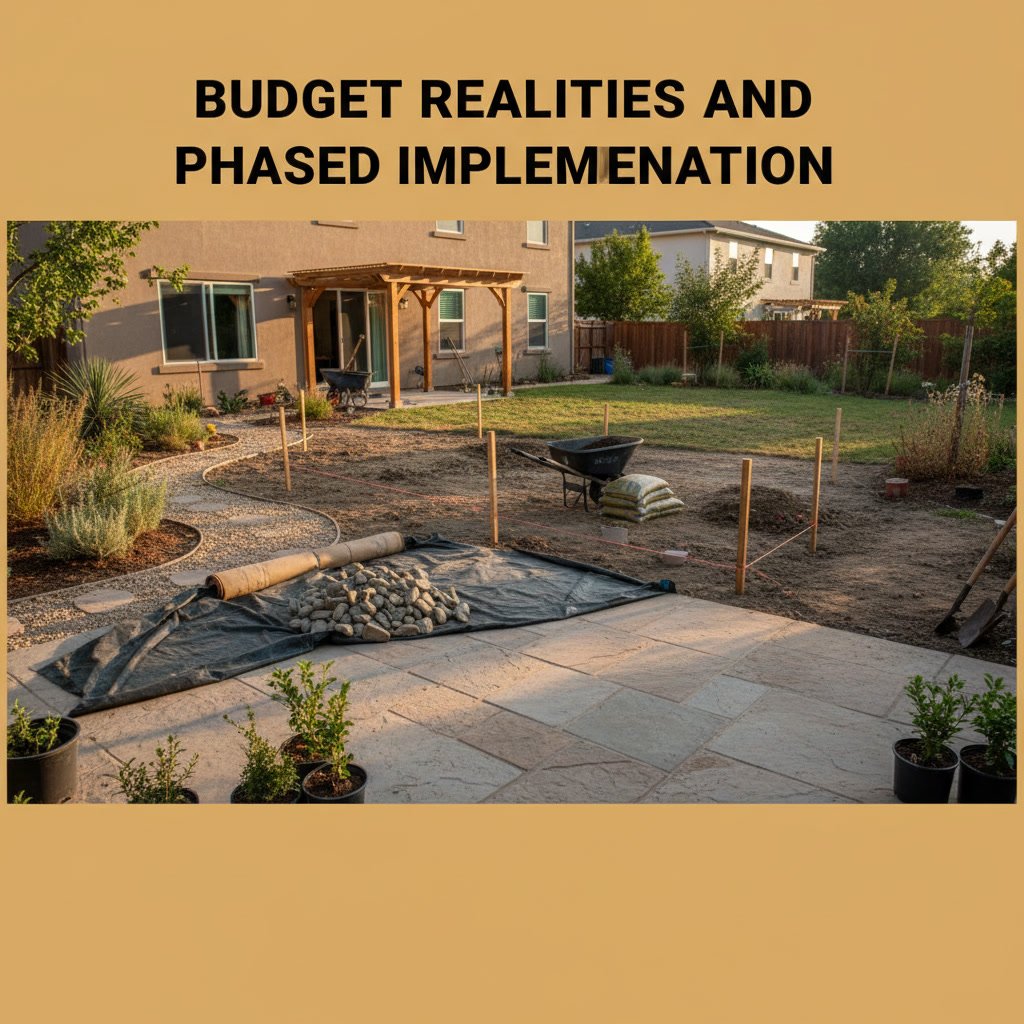
Complete landscape transformations cost between $8,000 and $45,000 depending on property size and design complexity. However, implementing your chosen style in phases spreads costs over two to four years while allowing you to adjust plans based on how initial elements perform.
Start with foundational elements like grading, drainage correction, and primary hardscapes. These structural components are difficult and expensive to modify later. Add plant beds and trees in year two, then layer in perennials, lighting, and finishing details as budget allows.
Professional landscaping services often provide better value than piecemeal DIY approaches because designers prevent expensive mistakes and contractors access wholesale pricing on materials. The initial investment in professional guidance typically saves 15 to 25 percent over the project lifecycle.
Lifestyle and Maintenance Commitment
Honest assessment of your available time and interest in outdoor landscape maintenance prevents choosing styles that become burdens. Formal gardens with clipped hedges, annual color rotations, and pristine edges demand weekly attention during growing season. Naturalistic styles require less frequent intervention but need knowledgeable pruning and occasional editing to prevent overgrowth.
Families with young children benefit from durable lawn areas, defined play zones, and minimal delicate plantings near high-traffic areas. Pet owners need to consider toxic plant species, fence integration, and wear patterns from animal movement. Empty nesters often prioritize low-maintenance perennials, automated irrigation, and year-round visual interest over functional play spaces.
The Role of Hardscape in Defining Style
Patios, pathways, retaining walls, and edging materials establish your landscape’s character as much as plant selection. Flagstone and irregular pavers create casual, organic feels. Brick in running bond or herringbone patterns signals traditional formality. Poured concrete with smooth finishes or geometric scored patterns supports modern aesthetics.
Material quality matters more than quantity. A small patio built with premium natural stone anchors a design better than expansive areas of budget pavers that crack and settle within three years. Hardscape typically represents 40 to 60 percent of total landscape investment but lasts decades when properly installed with correct base preparation.
Color Palette and Seasonal Interest
Successful landscape styles employ restrained color palettes rather than collections of every available plant. Choose two to three primary colors that repeat throughout the design, with neutral greens and textures as backdrop. Hot color schemes using reds, oranges, and yellows create energy and draw the eye. Cool palettes with blues, purples, and whites feel calming and make spaces appear larger.
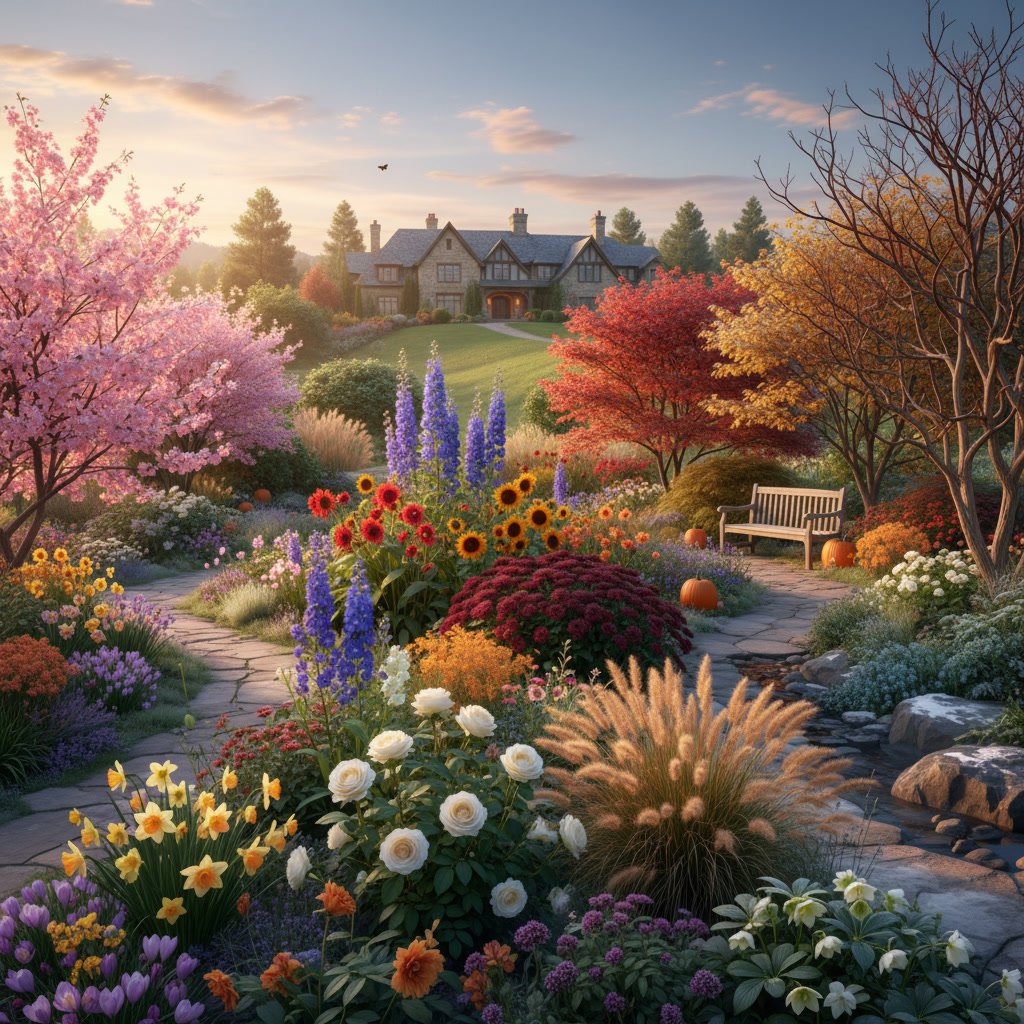
Plan for four-season interest by selecting plants that perform in sequence. Spring bulbs and flowering trees, summer perennials, fall foliage color, and winter evergreen structure ensure your landscape never looks empty. This requires more sophisticated plant knowledge than most homeowners possess, which is why working with landscape design professionals produces better results.
Testing Your Style Choice Before Full Commitment
Before implementing a complete landscape overhaul, test your chosen direction in one visible area. Create a sample border, install a small patio section, or plant a trial bed with your selected plant palette. Live with these elements through a full growing season to confirm they meet your expectations for appearance and maintenance.
This testing phase reveals whether your style preference matches reality. Homeowners who think they want cottage garden abundance sometimes discover they lack patience for deadheading and dividing. Those attracted to modern simplicity may find they miss seasonal color variety. A $500 test area prevents $15,000 mistakes and allows refinement before major investment.
Professional Consultation Value
Landscape designers bring training in horticulture, spatial design, and construction methods that transform vague preferences into workable plans. They identify problems average homeowners miss, like inadequate drainage, utility line conflicts, or grade issues that cause foundation problems.
The most valuable service professionals provide is editing. They help clients focus their ideas, eliminate elements that do not serve the overall vision, and avoid trendy choices that will look dated in five years. Understanding what to expect during a professional landscape design consultation prepares you to make the most of this expertise.
Experienced landscapers also know which materials and plants perform reliably in local conditions versus those that struggle despite appearing in national magazines and design blogs. This regional knowledge prevents wasted investment in incompatible choices.
Creating Outdoor Spaces That Grow With You
The right landscape style evolves as your needs change without requiring complete redesign. Good foundational planning anticipates future modifications. Young families might start with open lawn and simple borders, knowing that mature shade will eventually allow transition to woodland gardens. New homeowners often begin with basic plantings and add complexity as budget and knowledge increase.
Flexibility comes from choosing adaptable styles rather than rigid formal designs. Natural and cottage styles accommodate changes easily. You can add or remove plants, expand borders, and adjust layouts without disrupting the overall aesthetic. Highly structured formal designs lock you into maintenance patterns and spatial arrangements that become difficult to modify.
Consider how your property use might shift over 10 to 15 years. Entertainment needs change, physical abilities evolve, and design trends shift. Landscapes that allow gradual adaptation deliver better long-term value than those requiring wholesale replacement when circumstances change.
Making Your Landscape Style Decision
Your ideal landscaping style emerges from the intersection of your home’s architecture, your property’s natural conditions, your lifestyle needs, and your maintenance capacity. The most successful landscapes feel inevitable rather than imposed, as though the design always belonged on that particular property.
Begin by identifying which of the major style categories resonates with you, then refine details based on practical constraints and personal preferences. Collect images of landscapes you admire and identify common threads. Most homeowners discover their preferences cluster around two to three style elements that can be blended into a cohesive personal design.
All Season Lawn and Landscaping LLC has helped property owners throughout the Kansas City area create landscapes that match their vision and practical needs since 2008. Whether you need guidance selecting the right style direction or complete implementation of your landscape plan, professional support ensures your investment delivers lasting results. Call +18163633203 to discuss how we can help you develop the perfect landscape style for your property.