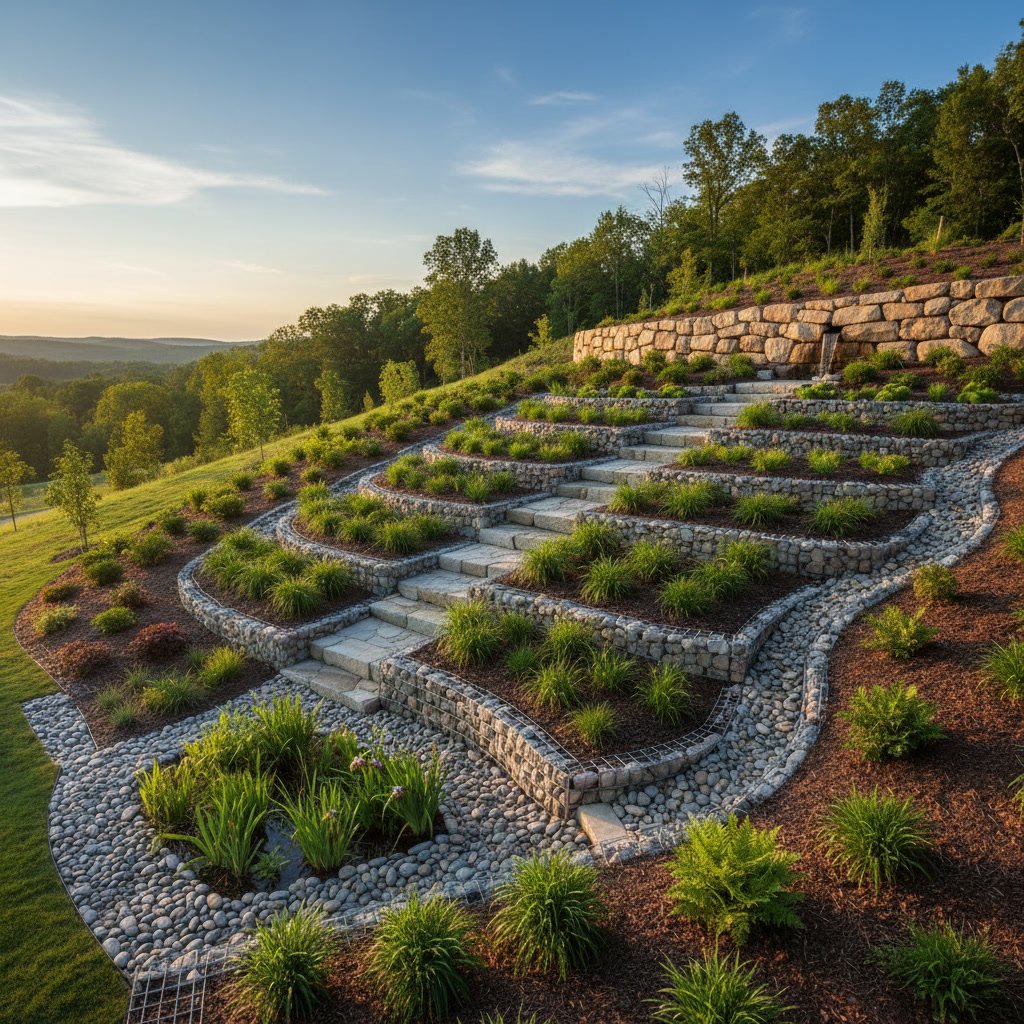
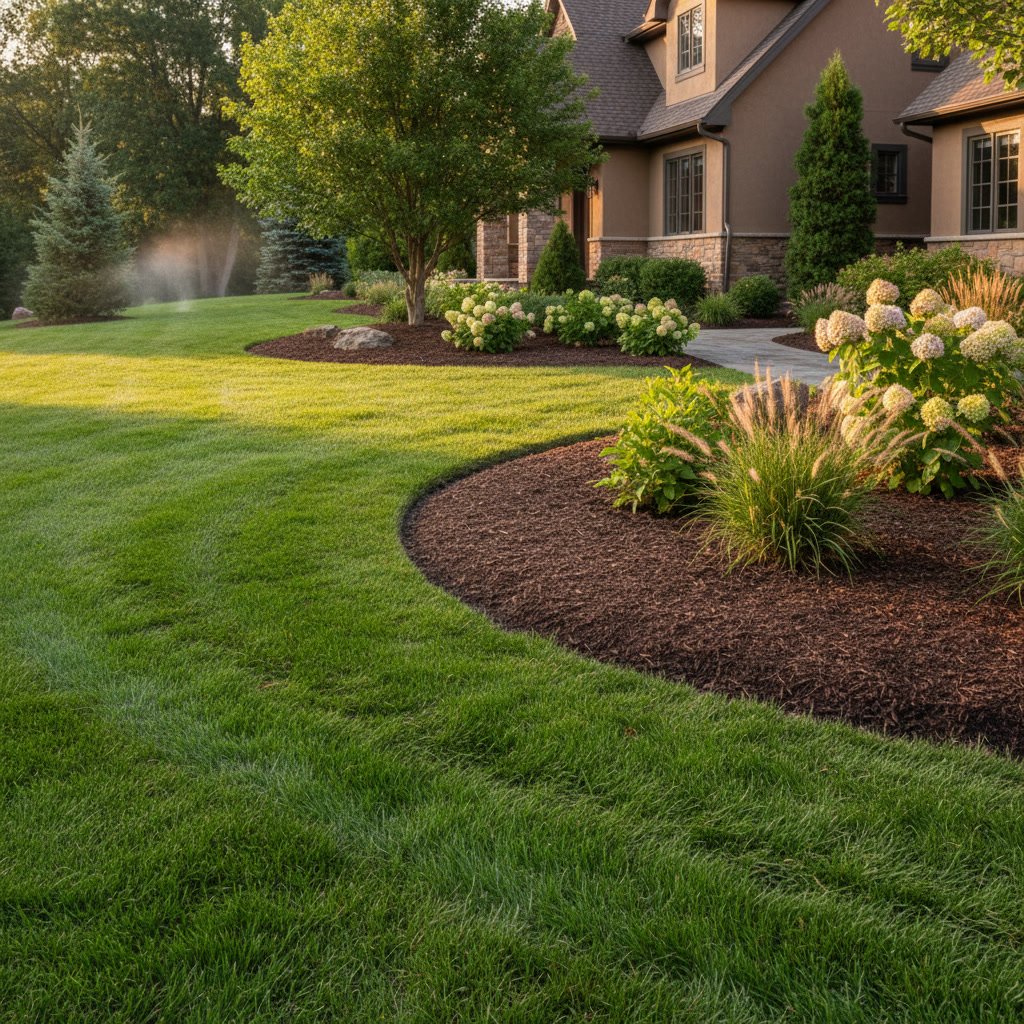
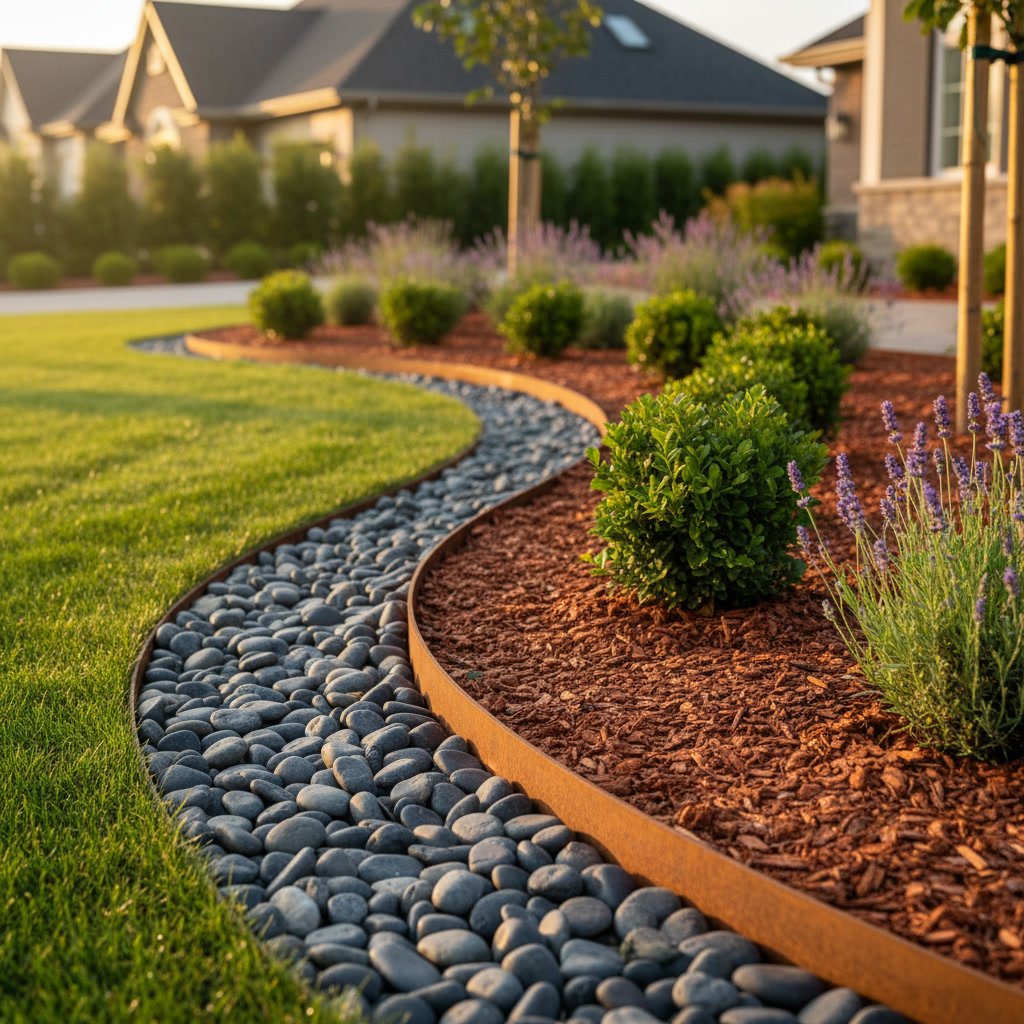
Professional landscape bed edging creates crisp, defined borders between lawns and planting beds that prevent grass invasion, reduce maintenance time, and give your property a polished appearance year-round. Well-installed edging acts as a physical barrier that keeps mulch in place, blocks weeds, and delivers the clean lines that make properties stand out in any neighborhood. The right edging material and installation method can cut your seasonal yard work in half while protecting your landscaping investment.
Why Clean Border Definition Matters for Property Appearance
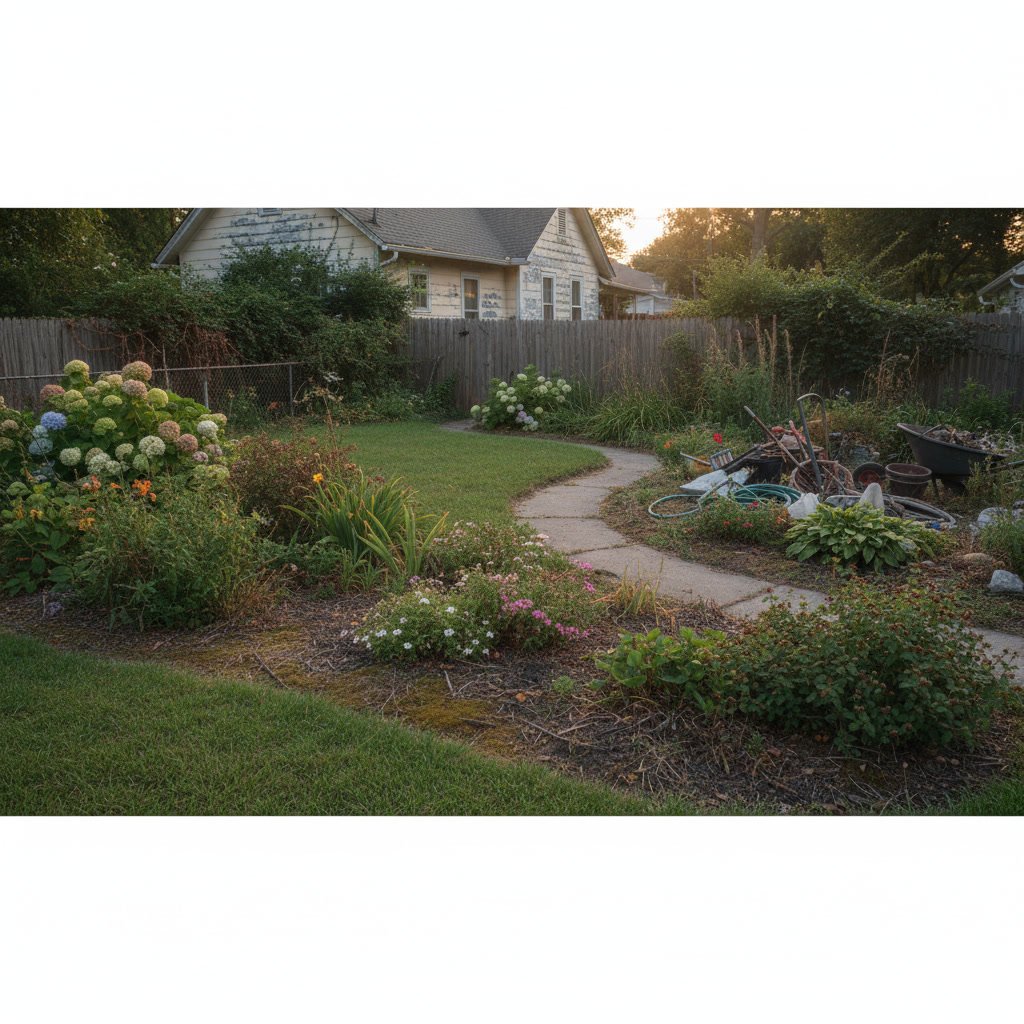
The human eye naturally seeks order and definition in outdoor spaces. When your lawn blends into flower beds without clear separation, even a well-maintained property looks unkempt. Sharp border lines create visual structure that guides the eye and emphasizes intentional design choices. This clarity makes individual landscape features stand out rather than blend into an undefined mass of green.
Properties with defined edges consistently photograph better and make stronger first impressions. Real estate professionals know that clean landscaping borders can add perceived value to a home before potential buyers even step inside. The same principle applies to everyday curb appeal, where your property makes dozens of impressions each week on neighbors, delivery drivers, and visitors.
The Hidden Cost of Undefined Landscape Borders
Without physical edging, grass rhizomes and stolons creep into mulch beds at a rate of several inches per growing season. Bermudagrass can advance six inches or more in a single summer, while even slow-spreading fescues gradually invade unprotected beds. This creep forces you to spend hours each month trimming edges by hand or re-cutting borders with a spade.
Mulch drift represents another hidden expense. Wind, rain, and lawn mowers scatter loose mulch onto grass, creating a messy appearance and requiring frequent replacement. A typical unedged bed can lose 30 to 40 percent of its mulch to drift and displacement each year. That lost material represents wasted money and extra labor for seasonal refresh work.
Five Types of Edging Materials and When to Use Each
Steel edging offers the longest lifespan and cleanest lines, lasting 20 years or more with minimal maintenance. The thin profile virtually disappears when installed correctly, and the material bends smoothly around curves. Steel works best for contemporary designs and properties where long-term durability justifies the higher initial investment.
Plastic edging provides an economical choice for straight or gently curved beds. Quality commercial-grade plastic resists UV damage and maintains flexibility in cold weather. This material suits properties with frequent landscape changes or homeowners testing new bed configurations before committing to permanent solutions.
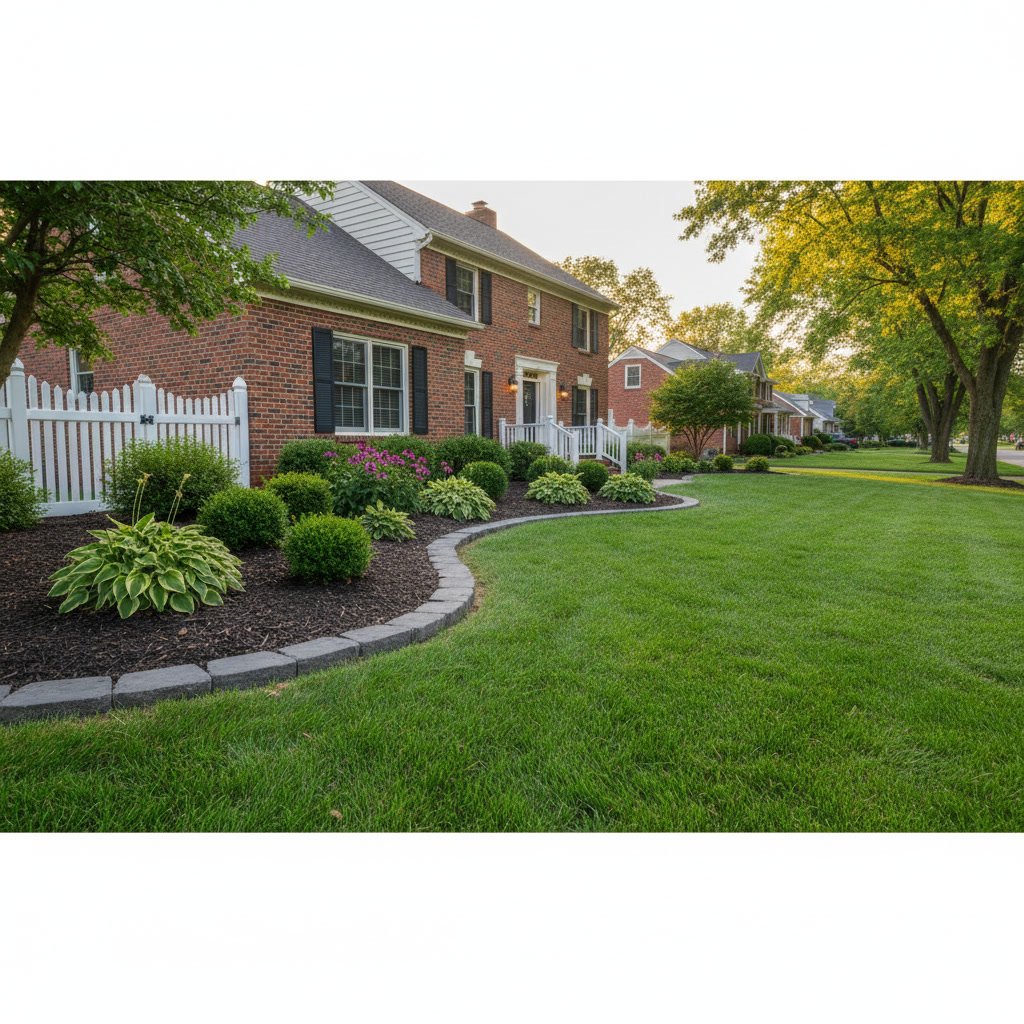
Stone and brick edging creates a decorative border that becomes a landscape feature in itself. These materials add height and visual weight, working well in traditional or cottage-style gardens. The installation requires more labor and skill to maintain level alignment, but the results complement classic architecture beautifully.
Aluminum edging balances durability with workability, offering a middle ground between plastic and steel. The lightweight material installs easily around tight curves and complex shapes. Powder-coated finishes resist corrosion in areas with heavy irrigation or rainfall.
Concrete curbing provides the most substantial barrier, ideal for properties with aggressive grass types or heavy foot traffic. Poured or extruded concrete creates a permanent solution that defines large-scale commercial properties or estate-sized residential landscapes. The material requires professional installation but delivers decades of maintenance-free performance.
Installation Depth Makes the Difference
Shallow installation represents the most common edging failure point. Effective barriers need at least three to four inches of depth below ground level to block grass roots and rhizomes. Surface-level edging only creates a visual boundary without preventing underground invasion.
Professional installation accounts for soil type and grass variety when determining appropriate depth. Properties with aggressive spreaders like zoysia or bermudagrass benefit from five-inch depth, while cool-season lawns typically respond well to standard four-inch installation. Sandy soils require deeper placement than clay, as roots move more freely through loose particles.
How Proper Edging Reduces Seasonal Maintenance in Parkville Properties
Homeowners in Parkville see immediate maintenance reductions after professional edging installation. Spring cleanup becomes simpler when mulch stays contained through winter freeze-thaw cycles. Summer mowing takes less time without the need for careful trimming around undefined bed borders.
Fall leaf removal improves significantly with defined borders. Leaves blow across smooth transitions between grass and beds rather than catching in ragged edges or scattered mulch. Many property owners report saving two to three hours per month during peak growing season after adding quality edging to their landscape beds.
The Relationship Between Edging and Mulch Performance
Quality edging extends mulch life by preventing displacement and mixing with soil. When mulch stays in place, it maintains proper depth for weed suppression and moisture retention. The barrier created by edging means you can reduce mulch replenishment from twice yearly to once every 18 to 24 months.
Contained mulch also performs better at temperature regulation. A consistent three-inch layer insulates plant roots from temperature extremes more effectively than patchy coverage. This protection matters particularly during late spring freezes or early fall cold snaps that can damage unprotected root systems.
Professional outdoor landscape maintenance becomes more efficient when edging keeps mulch properly distributed. Technicians spend less time raking displaced material back into beds and more time on value-added services like pruning, fertilizing, and seasonal color rotation.
Preventing Lawn Equipment Damage Through Strategic Borders
Mower decks and string trimmer heads cause significant damage when operators repeatedly strike undefined bed edges. Rocks, hardened soil clumps, and hidden border materials can chip blades, bend deck components, or shatter trimmer line. These impacts add up to hundreds of dollars in annual equipment maintenance.
Well-installed edging creates a smooth, predictable surface that protects both equipment and plants. Mower wheels roll along the edging without catching or bouncing, while trimmer operators can work quickly without the careful attention required for undefined borders. This efficiency reduces service time for lawn maintenance while protecting landscape investments.
Weed Control Benefits of Physical Barriers
Edging provides a first line of defense against weed invasion by blocking seed germination pathways. Many common weeds spread through runners or rhizomes that travel horizontally through the top four inches of soil. A properly installed barrier stops this underground movement before weeds establish in premium landscape beds.
The clean separation between lawn and beds also makes spot treatment more effective. Herbicide applications stay contained within target areas rather than drifting onto adjacent grass. This precision reduces chemical use while improving weed control outcomes.
Manual weeding becomes simpler when edges provide clear boundaries. You can quickly identify invasive plants crossing from lawn to bed and remove them while root systems remain small. Early intervention takes seconds per weed compared to the minutes required for established plants with deep root systems.
Design Flexibility and Future Landscape Changes
Quality edging systems accommodate design evolution without requiring complete reinstallation. Most materials can be adjusted or extended when you decide to expand beds, add new plantings, or reconfigure existing layouts. This flexibility protects your investment while allowing your landscape to grow with your preferences.
Temporary edging solutions work well for homeowners still finalizing their landscape design vision. These systems provide immediate definition and maintenance benefits while you test different configurations or save for permanent materials. Many property owners start with basic plastic edging, then upgrade to steel or stone once they finalize bed shapes and sizes.
Professional designers often recommend installing edging early in landscape development, even before finalizing plant selections. The defined borders establish a framework that guides future decisions and prevents the common mistake of overcrowding beds with impulse purchases.
Integration with Comprehensive Landscape Services
Edging installation works best as part of a coordinated approach to property care. When combined with regular yard cleanup and seasonal maintenance, defined borders multiply the visual impact of every service. Spring mulch installation looks dramatically better in edged beds, while fall leaf removal leaves a crisp, finished appearance that lasts through winter.
The relationship between edging and professional lawn maintenance services creates compounding benefits over time. Healthier grass grows more vigorously but stays contained within its designated areas. Landscape beds receive proper resources without competition from invading turf. Both areas look better with less effort than undefined landscapes require.
Enhancing Your Property with Professional Border Solutions
Clean, well-maintained landscape bed edging transforms average properties into standout homes that catch every eye. The combination of reduced maintenance time, improved plant health, and enhanced visual appeal makes edging one of the highest-return investments in residential landscaping. Properties with defined borders consistently rate higher in neighborhood comparisons and maintain their appearance through seasonal changes.
All Season Lawn and Landscaping LLC has served Kansas City area homeowners since 2008, delivering professional landscaping services that create lasting value. Our team understands how proper edging installation fits into comprehensive property care that keeps your outdoor spaces looking exceptional year-round.
Ready to reduce your maintenance time while improving your property’s appearance? All Season Lawn and Landscaping LLC provides expert edging installation and complete landscape care throughout Parkville, Weatherby Lake, Gladstone, and Liberty. Call +18163633203 to schedule a consultation and discover how professional border definition can transform your outdoor spaces.