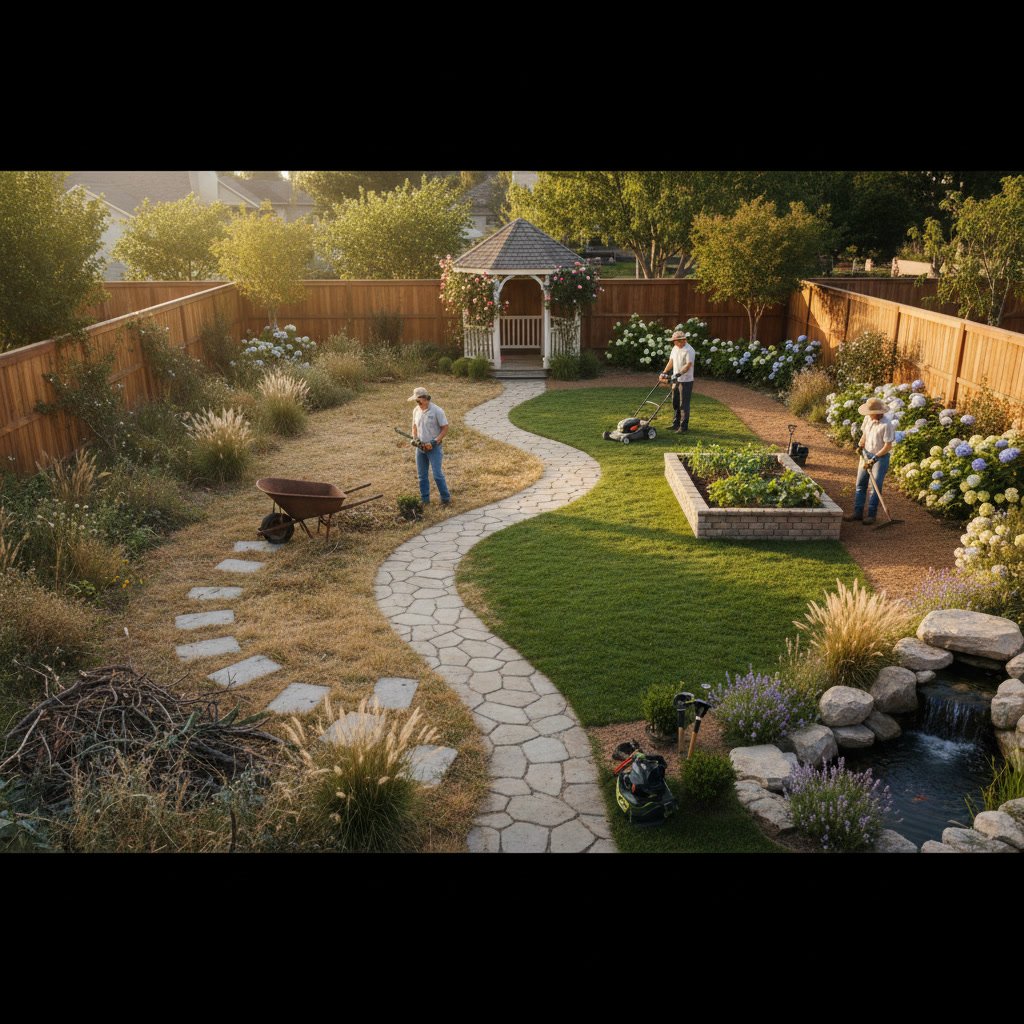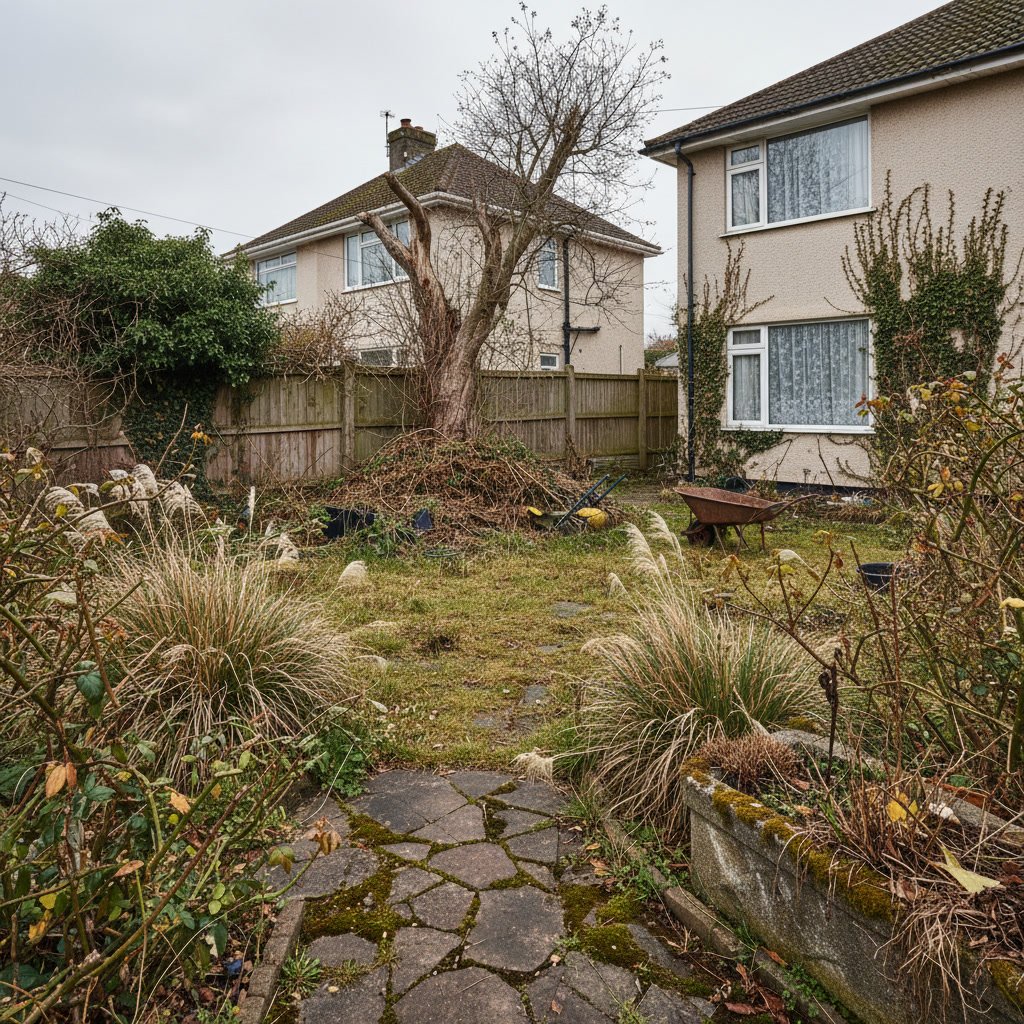
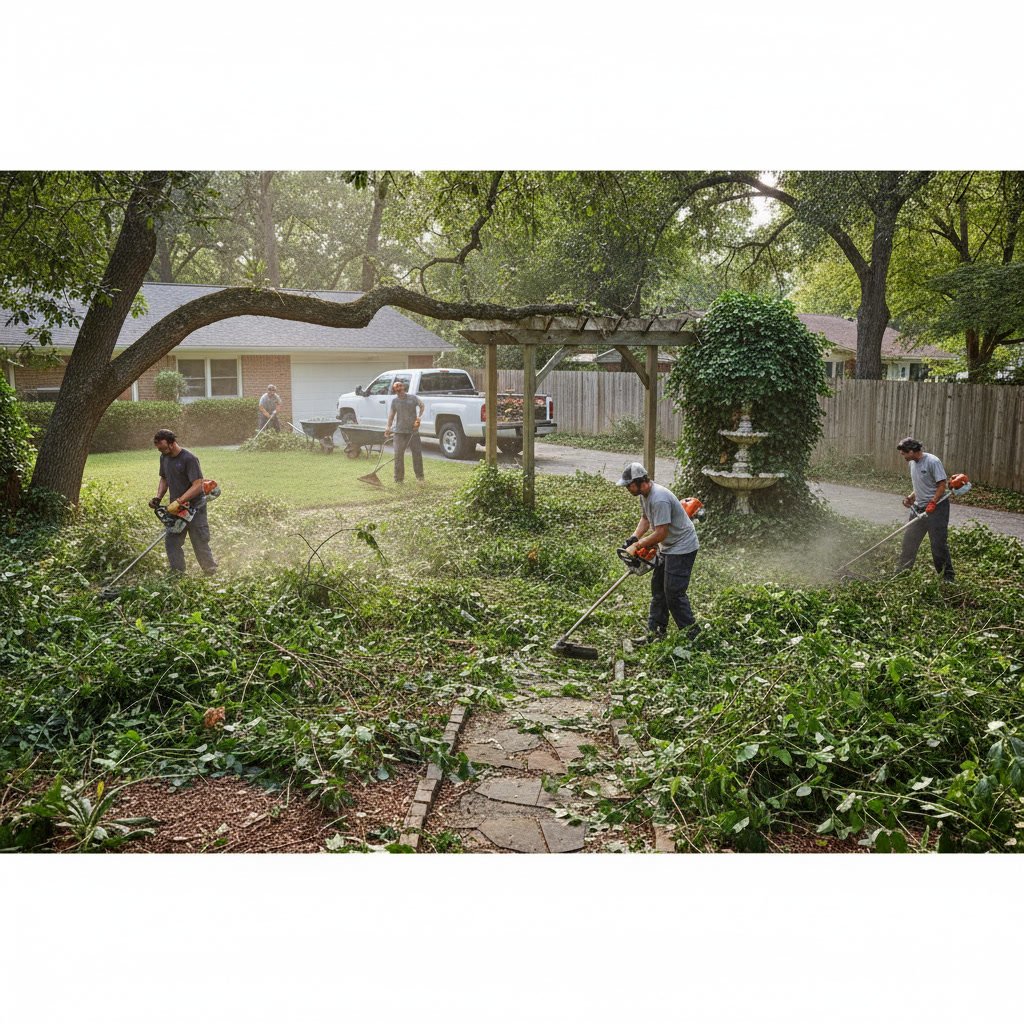
Overgrown properties hide potential under layers of neglect. Professional landscaping services use systematic methods to clear debris, prune overgrowth, repair hardscapes, and rebuild healthy lawns that transform abandoned yards into beautiful outdoor spaces. The process to restore overgrown landscaping requires specialized equipment, horticultural knowledge, and strategic planning to address years of accumulated growth and damage.
What Happens When Properties Become Overgrown
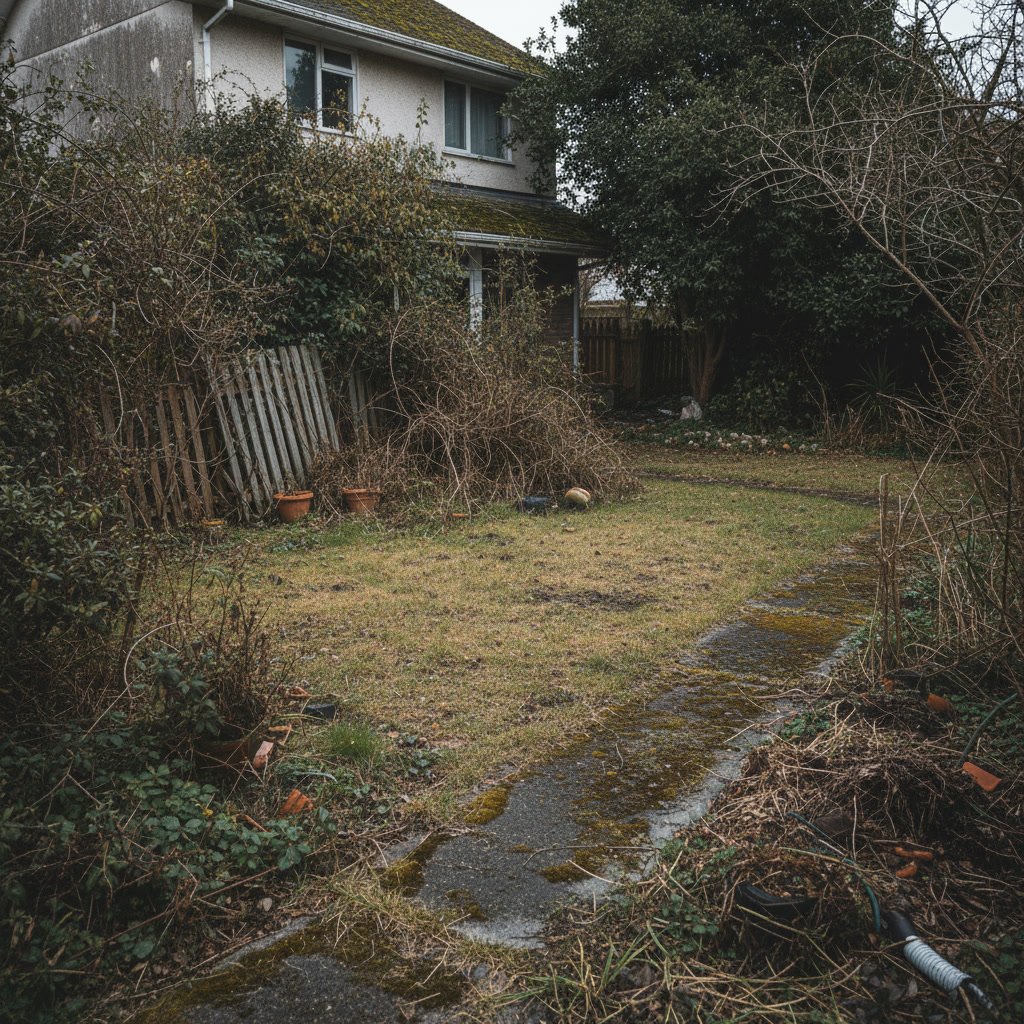
Neglected landscapes deteriorate faster than most property owners realize. Grass grows into tall weeds that shade out healthy turf. Shrubs expand beyond their intended footprint, blocking walkways and windows. Tree branches extend over rooflines, creating access points for pests and potential roof damage.
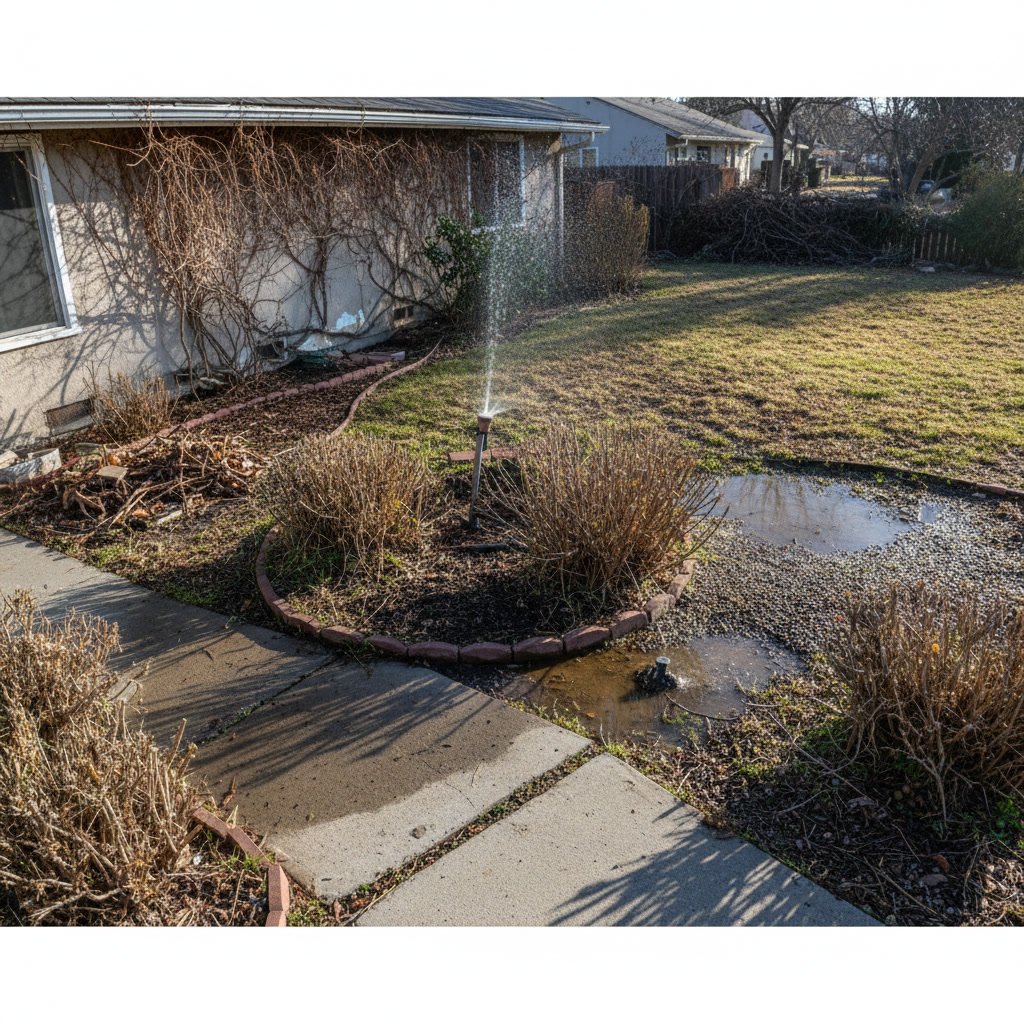
Irrigation systems fail under the weight of overgrowth. Sprinkler heads become buried or broken. Drainage patterns shift as plants redirect water flow, creating pooling areas that invite mosquitoes and soil erosion. Hardscapes crack as roots push underneath pavers and retaining walls.
The Hidden Costs of Landscape Neglect
Property values drop when landscapes appear abandoned. Real estate studies show that overgrown yards reduce home values by 5 to 10 percent compared to well-maintained neighbors. Commercial properties lose foot traffic when storefronts disappear behind uncontrolled vegetation.
Safety hazards multiply in neglected spaces. Dead branches hang precariously overhead. Thorny growth blocks emergency exits. Tall grass conceals uneven ground that causes trips and falls. Municipal code violations accumulate, bringing fines that compound monthly until property owners address the underlying problems.
Initial Property Assessment and Planning
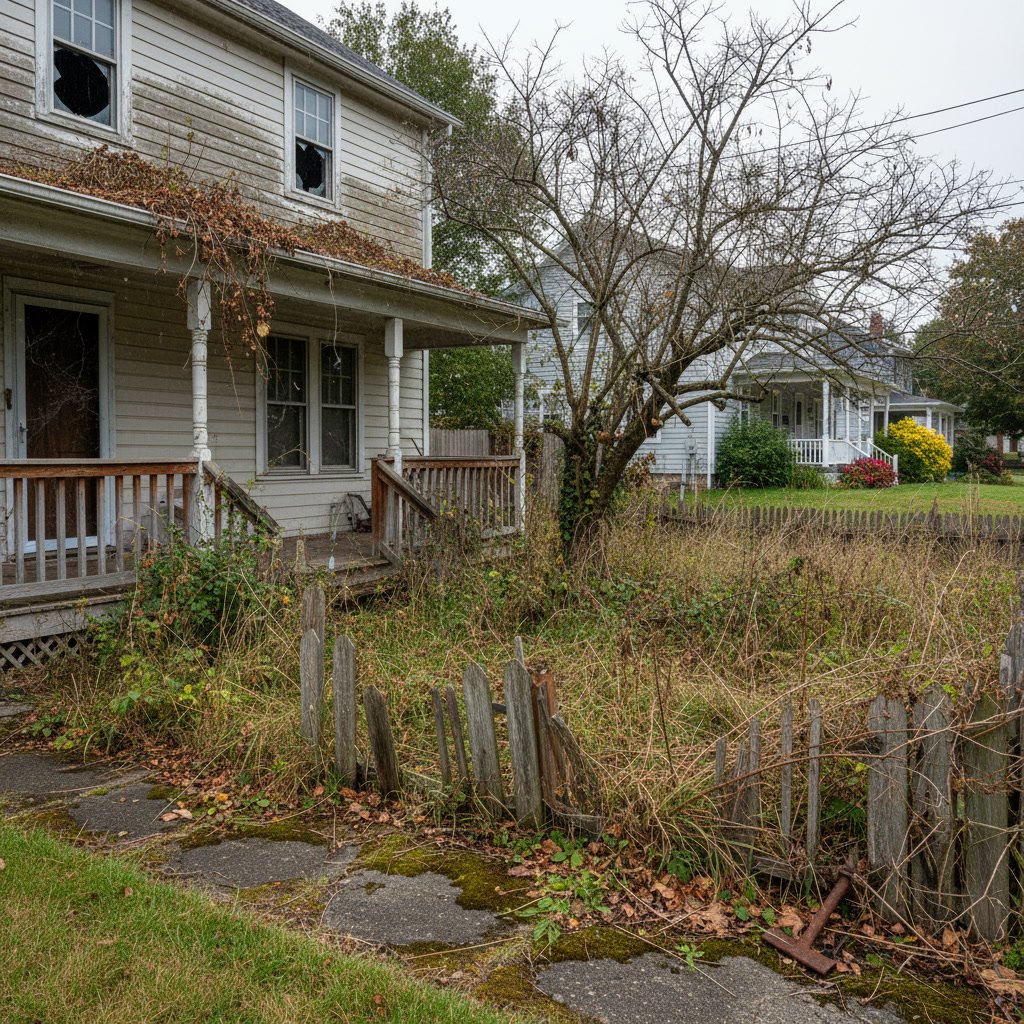
Professional restoration begins with a thorough site evaluation. Landscaping experts walk the entire property to identify plant material worth saving versus growth that needs complete removal. They check soil conditions, test drainage patterns, and document hardscape damage.
This assessment creates a prioritized action plan. Immediate safety hazards like dead trees receive attention first. Structural issues with retaining walls or drainage come next. Cosmetic improvements follow once the foundation work is complete. The sequencing matters because skipping steps creates rework that wastes time and money.
Clearing and Debris Removal Strategies
Heavy equipment makes quick work of major overgrowth. Brush cutters handle thick vegetation that hand tools cannot touch. Stump grinders eliminate tree remnants that would otherwise take decades to decompose naturally. Dump trailers haul away debris that often fills multiple loads on severely neglected properties.
The clearing phase exposes what lies beneath. Property owners often discover forgotten patios, walkways, or garden beds. They also find problems like buried trash, failing septic components, or erosion damage that require attention before rebuilding begins.
Pruning and Plant Rehabilitation Techniques
Not every overgrown plant requires removal. Mature trees and shrubs have value worth preserving when possible. Strategic pruning removes dead wood, thins crowded branches, and reshapes growth patterns. The timing matters because different plant species tolerate pruning best during specific seasons.
Rejuvenation pruning cuts overgrown shrubs back to 6 to 12 inches above ground level. The technique sounds extreme, but many species respond with vigorous new growth that fills in over one to two growing seasons. This approach saves money compared to removing established plants and purchasing replacements.
Soil Restoration and Amendment in Parkville
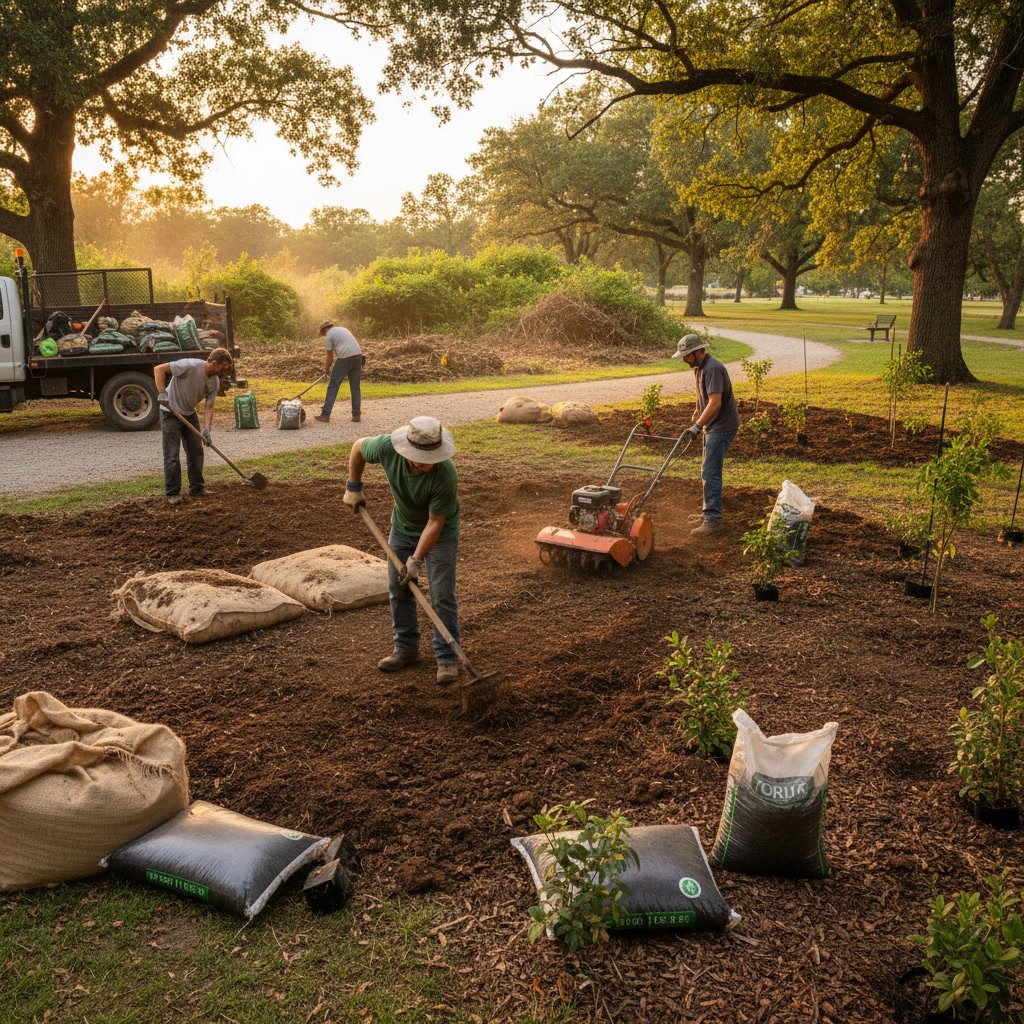
Compacted soil cannot support healthy plant growth. Years of neglect create hardpan conditions where roots struggle to penetrate. Core aeration punches holes that allow air, water, and nutrients to reach root zones. The process works best in spring or fall when grass actively grows.
Soil testing reveals pH imbalances and nutrient deficiencies that developed during periods of neglect. Most Missouri properties need lime applications to counteract acidic soil conditions. Organic matter additions improve soil structure, helping clay-heavy ground drain better while increasing water retention in sandy areas.
5 Steps to Rebuild Damaged Hardscapes
Hardscape restoration follows a systematic process that addresses underlying causes before cosmetic repairs. Skipping steps creates temporary fixes that fail within seasons.
- Excavate damaged areas to expose the base layer and identify what caused the failure, whether tree roots, poor drainage, or inadequate foundation preparation.
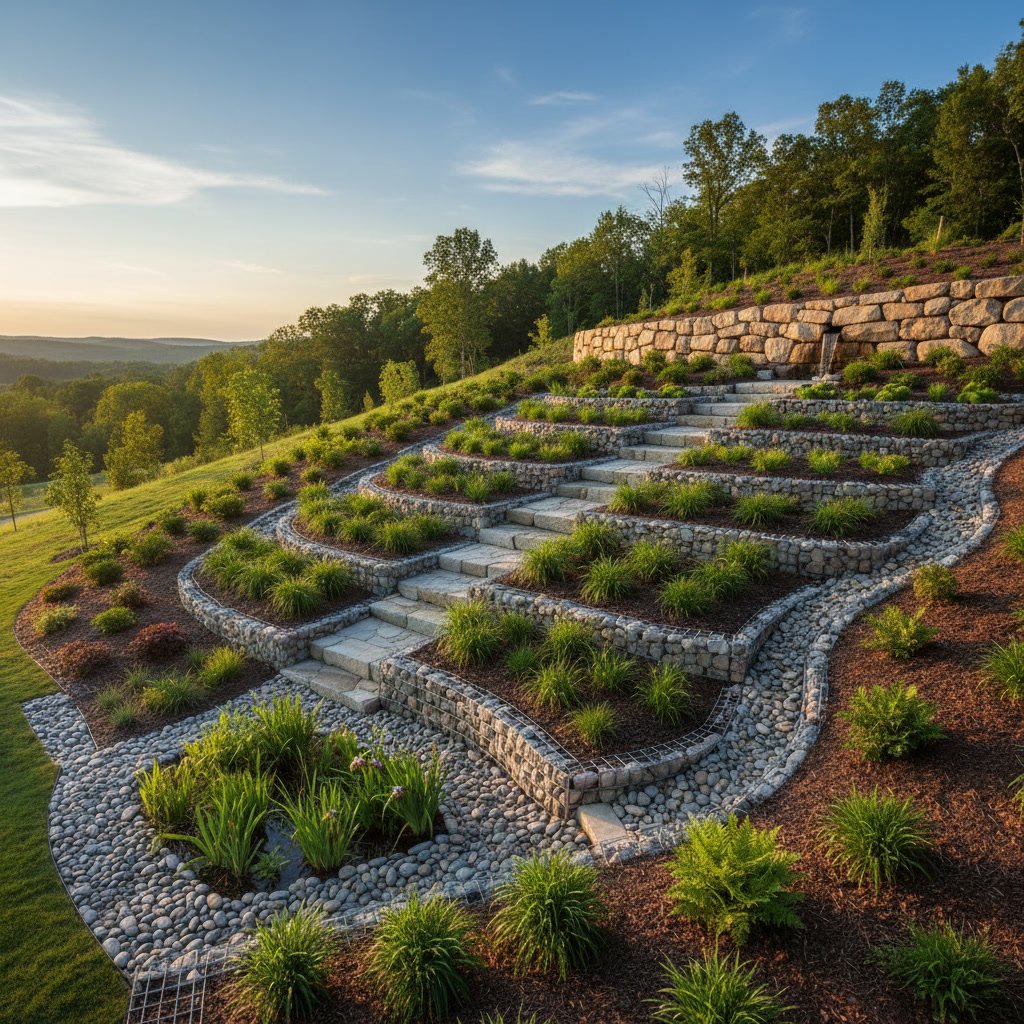
- Correct drainage issues by installing or repairing subsurface drainage pipes, adjusting grades to direct water away from structures, and adding gravel base where needed.
- Remove invasive roots and install root barriers to prevent future damage from nearby trees whose roots will continue seeking moisture and nutrients.
- Rebuild base layers with properly compacted crushed rock that creates a stable foundation resistant to shifting and settling under the finished surface.
- Install new pavers, concrete, or stone using proper techniques including edge restraints, joint sand, and sealers that extend the lifespan of the finished hardscape.
Professional landscaping services have the equipment and experience to complete hardscape work correctly the first time. Improper installation leads to repeated failures that cost more to fix than doing it right initially.
Lawn Renovation and Turf Establishment
Dead or severely damaged lawns need complete renovation rather than spot repairs. Overseeding thin areas works when at least 50 percent of existing turf remains healthy. Below that threshold, starting fresh produces better results faster.
Complete renovation begins by killing existing vegetation with non-selective herbicide. After the old growth dies, tilling incorporates organic matter and breaks up compaction. Grading smooths the surface and establishes proper drainage. New seed or sod goes down according to calendar timing that gives grass the best establishment window before temperature extremes arrive.
Hydroseeding offers a middle option between seed and sod for large areas. The slurry mixture includes seed, mulch, fertilizer, and tackifier that holds everything in place on slopes. Germination rates exceed broadcast seeding because the mulch layer maintains consistent moisture.
Irrigation System Repair and Optimization
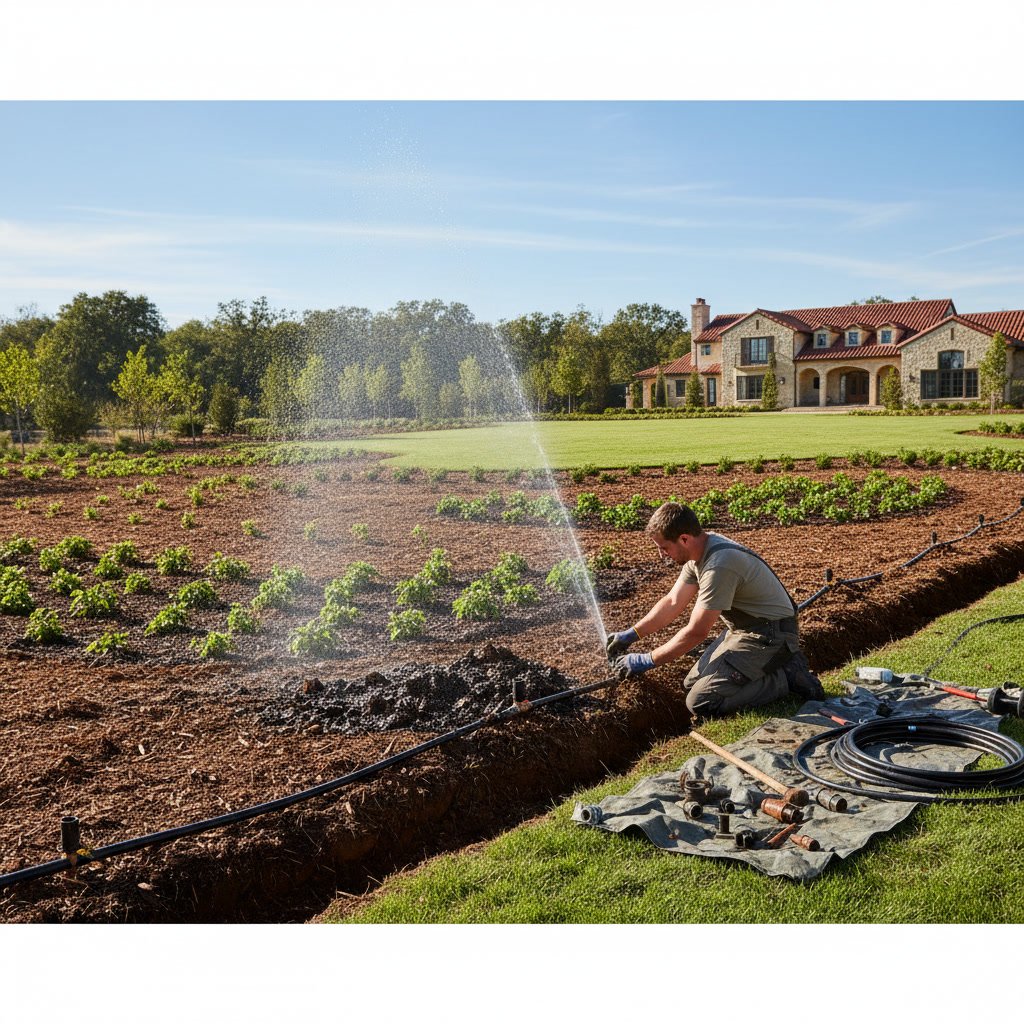
Overgrown landscapes hide broken irrigation components. Sprinkler heads snap off at ground level. Lateral lines crack under root pressure. Control valves stick in the open or closed position, creating dry spots or flooded zones.
System restoration starts by mapping existing lines and heads. Professionals use pipe locators to trace buried supply lines without excavation. They test each zone for coverage gaps and pressure problems. Repairs might include replacing damaged heads, adding stations for even coverage, or upgrading controllers to smart models that adjust watering based on weather conditions.
Proper irrigation scheduling matters as much as equipment condition. Newly renovated lawns need frequent light watering to establish roots. Mature landscapes thrive with deep, infrequent watering that encourages drought tolerance. Outdoor landscape maintenance programs adjust irrigation seasonally as plant needs change throughout the year.
Ongoing Maintenance Planning After Restoration
Restoration work creates a clean slate that requires consistent maintenance to preserve. Properties that fell into neglect once will repeat the pattern without a realistic care plan. The plan should match the property owner’s available time, budget, and capabilities.
Professional lawn maintenance programs prevent backsliding by providing regular mowing, trimming, and seasonal tasks on a fixed schedule. Services scale from basic mowing to comprehensive programs that include fertilization, weed control, pruning, and seasonal cleanups. Many property owners find that the cost of professional care runs less than the accumulated expense of letting landscapes fail again.
Understanding what professional lawn maintenance services include helps property owners choose the right level of support. Some prefer full-service packages that handle every outdoor task. Others opt for core services while managing seasonal projects themselves.
Bringing Your Property Back to Its Full Potential
Overgrown properties represent opportunities rather than lost causes. Systematic restoration addresses immediate problems while building a foundation for long-term landscape health. The transformation requires expertise, equipment, and effort, but the results restore both property value and outdoor enjoyment.
All Season Lawn and Landscaping LLC has restored countless neglected properties across the Kansas City area since 2008. Our team handles every phase of landscape restoration, from initial clearing through ongoing maintenance programs that keep properties looking their best year-round. If your property needs professional attention to reverse years of neglect, contact us at +18163633203 to schedule an assessment and receive a detailed restoration plan tailored to your property’s specific needs.