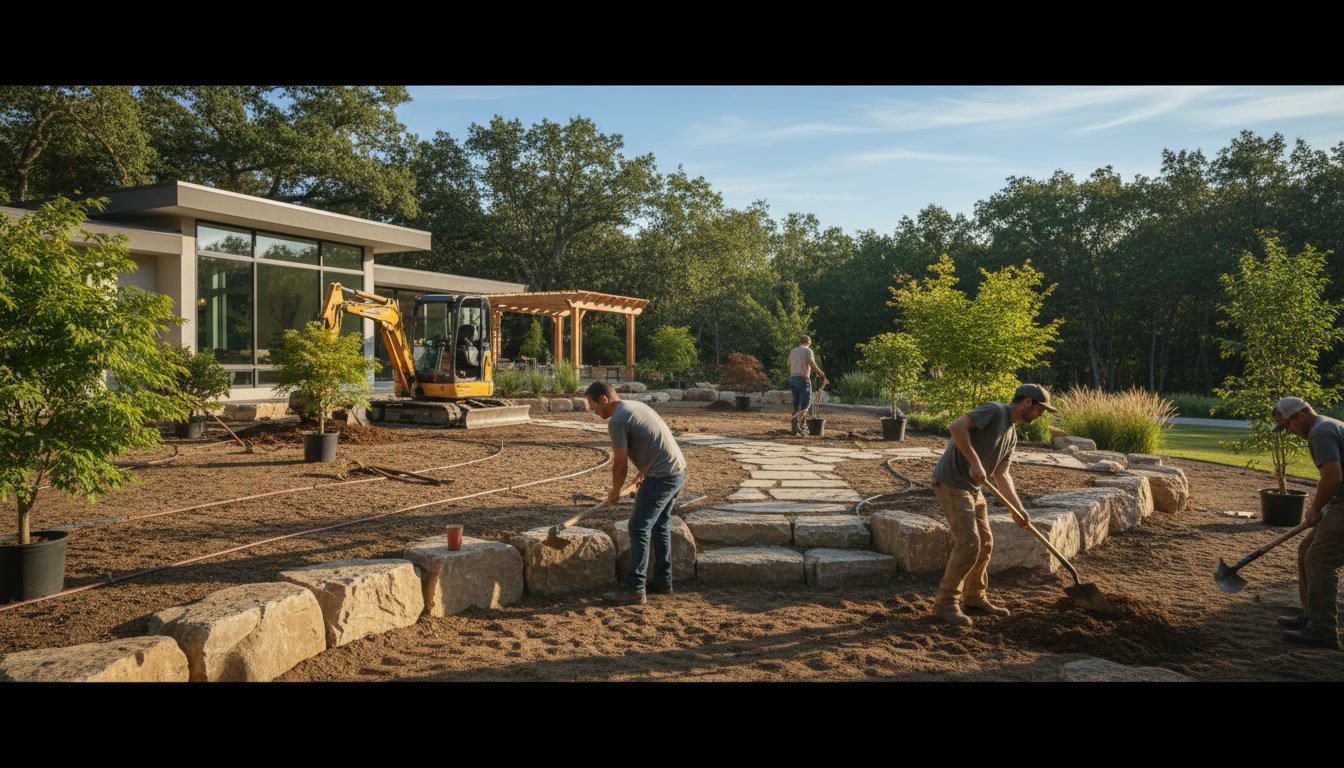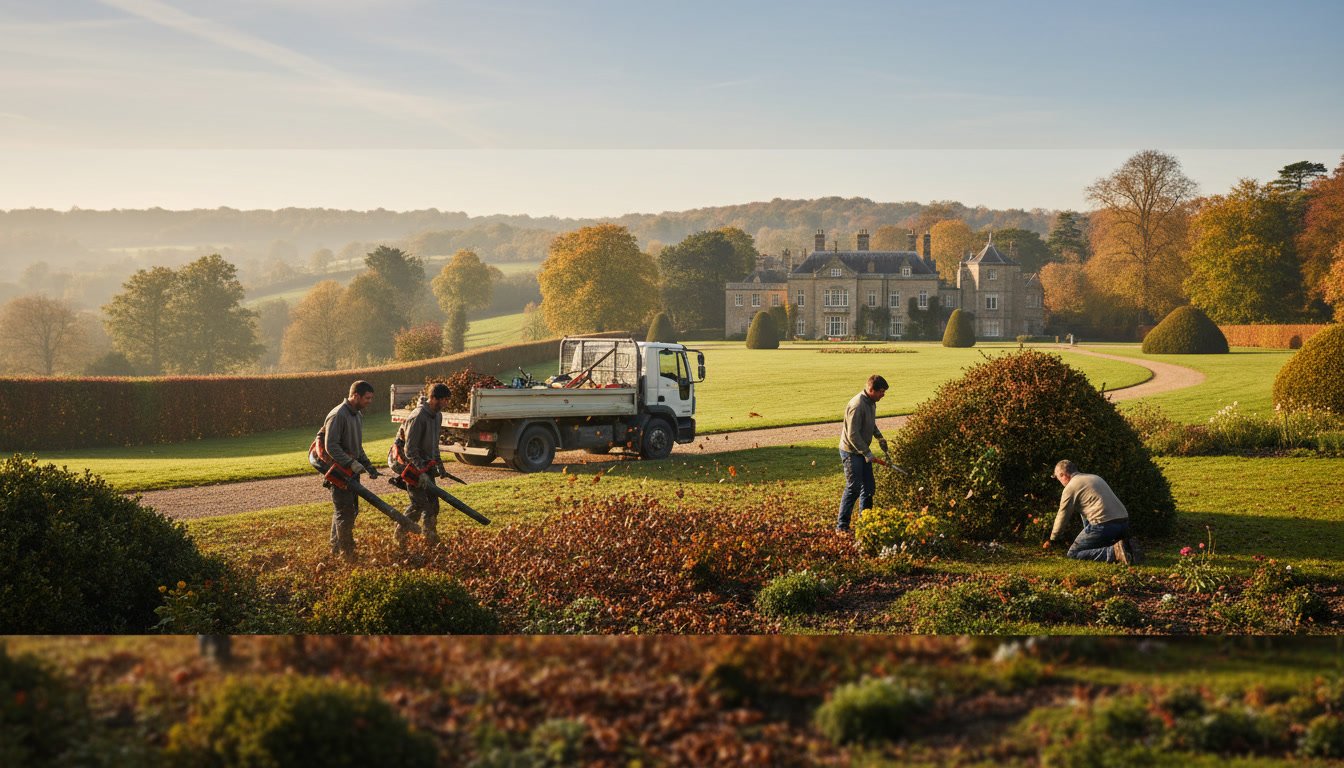
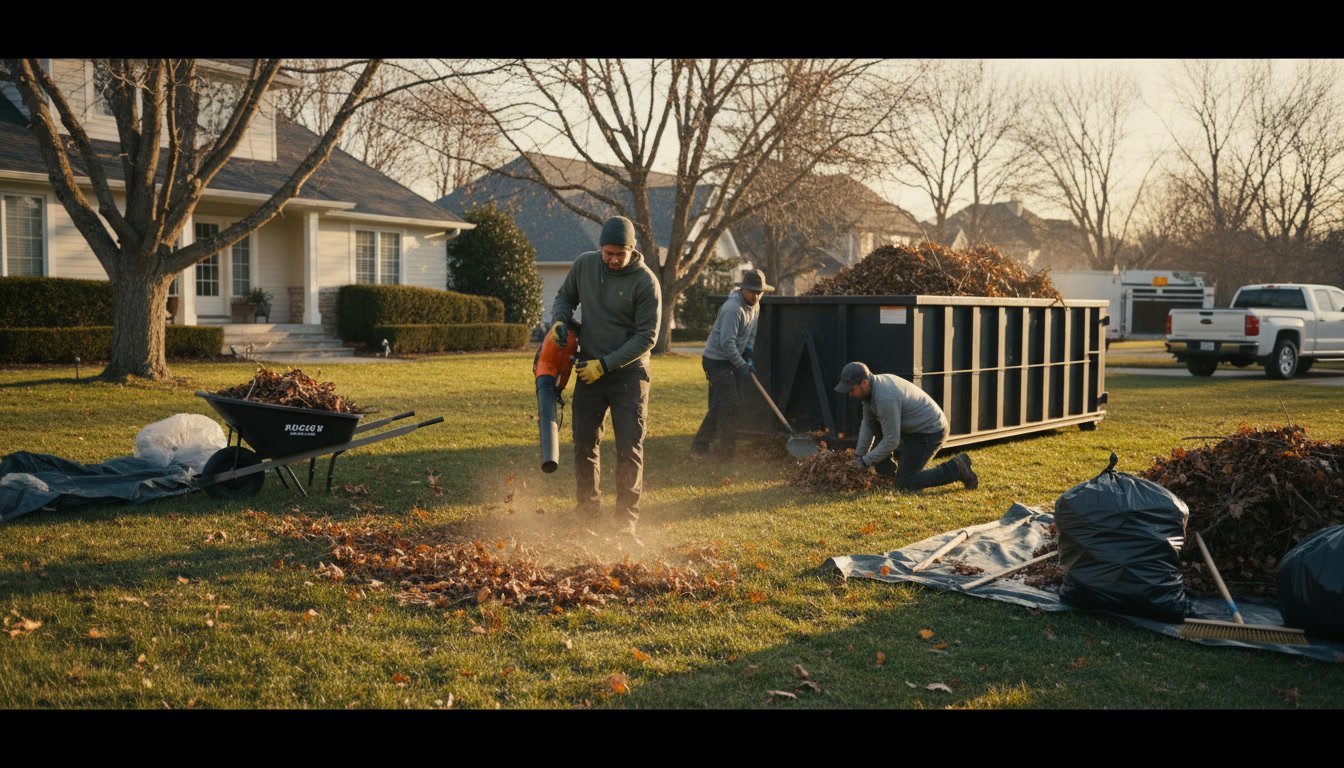
A professional yard cleanup service process begins with an initial property assessment and ends with a final walkthrough that ensures every detail meets quality standards. Between these bookends, trained crews remove debris, clear plant beds, address drainage issues, and prepare your property for the season ahead. The difference between a DIY cleanup and a professional service lies not just in equipment and efficiency, but in the systematic approach that addresses problems before they damage your landscape.
Why Seasonal Yard Cleanup Requires More Than Basic Debris Removal
Most homeowners underestimate the scope of what seasonal yard cleanup involves. Raking leaves and bagging sticks represents only the surface layer of work. Beneath visible debris, thatch buildup smothers grass roots, compacted soil prevents water absorption, and accumulated organic matter creates breeding grounds for pests and fungal diseases.
Professional crews recognize that yard cleanup serves as preventive maintenance, not just cosmetic improvement. Spring cleanup removes winter damage and prepares soil for new growth. Fall cleanup prevents snow mold, reduces rodent habitat, and protects perennials through dormancy. Each season demands different techniques and attention to specific landscape elements that untrained eyes often miss.
How the Initial Property Assessment Identifies Hidden Problems
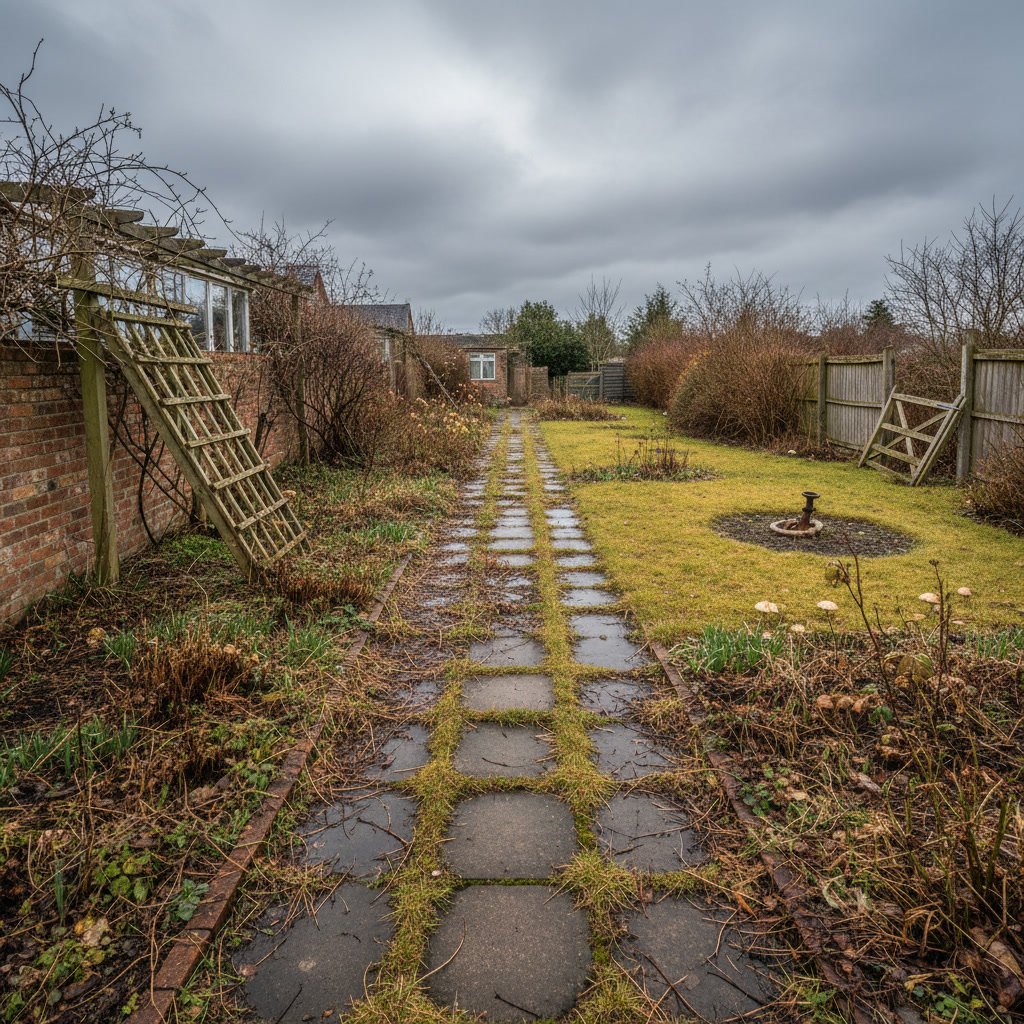
Before any debris removal begins, experienced technicians walk the entire property to document existing conditions. This assessment maps problem areas such as standing water, damaged plants, erosion patterns, and sections where previous neglect has created compounded issues.
The assessment phase also identifies what stays and what goes. Not every fallen branch qualifies as debris. Some natural materials serve beneficial purposes when left in place or relocated to specific areas. Dead wood in wooded edges provides wildlife habitat, while certain leaf accumulations protect sensitive plantings. Professional crews distinguish between debris that harms your landscape and organic matter that can be strategically repurposed.
The Step-by-Step Debris Removal Process
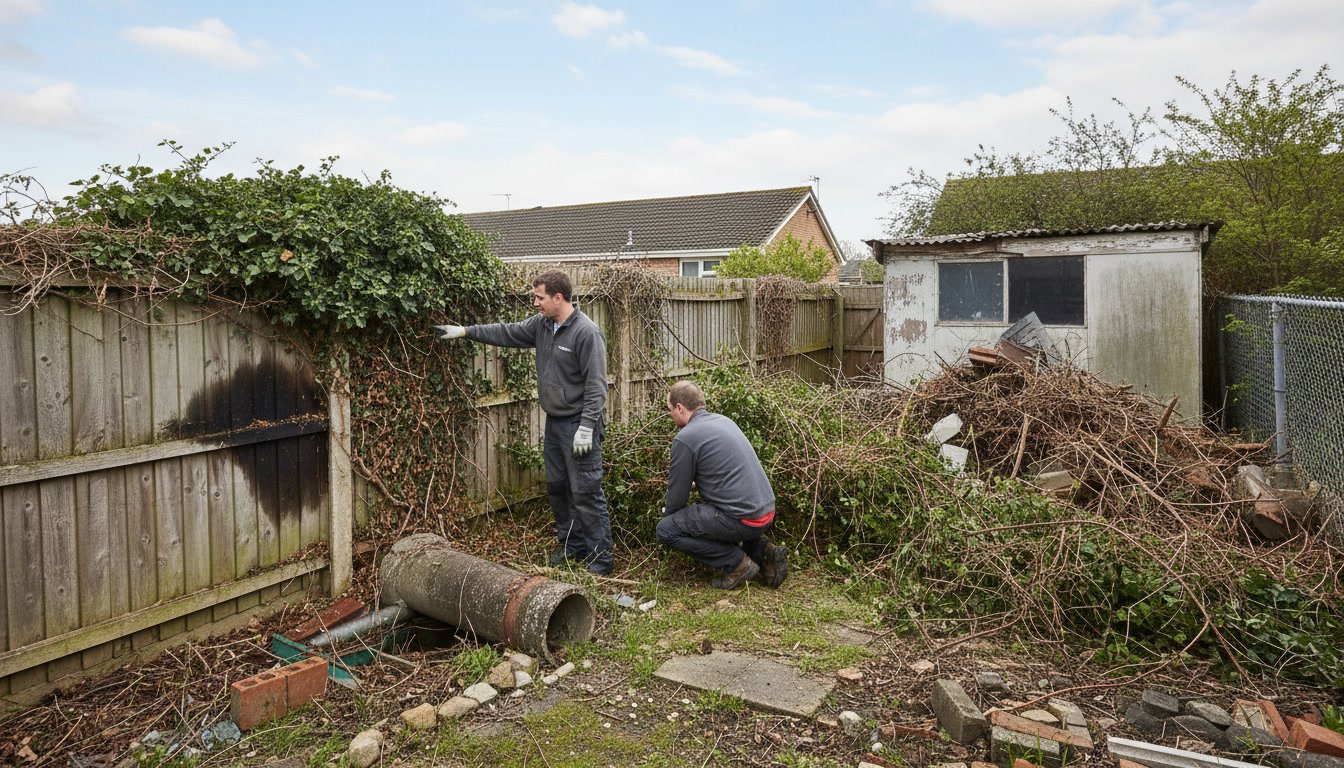
Systematic debris removal follows a specific sequence that maximizes efficiency and prevents redundant work. Professional yard cleanup crews typically work from top to bottom and outside to inside.
First, crews clear large debris including fallen branches, storm damage, and any structural materials. This creates safe working space and prevents smaller debris from being trapped under larger items. Next comes removal of leaves, pine needles, and organic debris from gutters, roof valleys, and hard surfaces where accumulation causes damage.
Ground-level cleanup follows, with technicians working methodically through planting beds, along foundation edges, and around hardscape features. This phase removes matted leaves, dead annual plants, and debris trapped in ground covers or against structures. The sequence prevents crews from tracking already-cleaned areas with debris from sections not yet addressed.
Plant Bed Preparation and Perennial Care During Cleanup
While debris removal creates visual improvement, the real value emerges during plant bed preparation. Professional crews cut back dead perennial growth to appropriate heights based on plant species and seasonal timing. Not all perennials should be cut to ground level, and incorrect pruning can eliminate spring blooms or expose plants to winter damage.
Technicians also edge bed lines, creating clean separation between lawn and planting areas. This edging prevents grass invasion, improves mulch retention, and defines landscape features. During this phase, crews identify plants that died over winter, note areas where pests or disease have taken hold, and flag sections that need replacement or soil amendment.
Lawn Surface Treatment That Most Services Skip
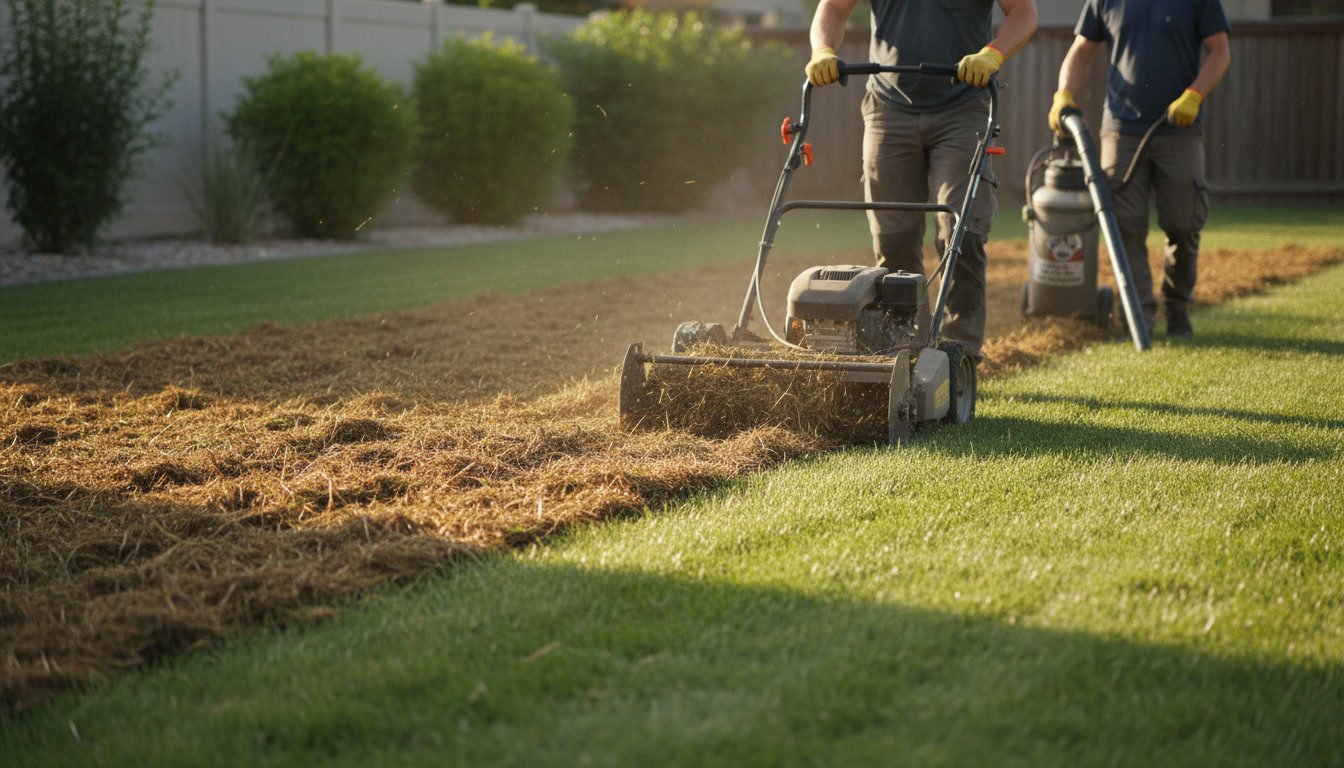
Here is where professional landscaping services separate themselves from basic cleanup crews. After debris removal, trained technicians assess whether your lawn needs dethatching, core aeration, or both. These treatments address problems invisible to casual observation but critical to lawn health.
Thatch layers thicker than half an inch create a barrier that prevents water, air, and nutrients from reaching grass roots. Spring cleanup provides the ideal timing to remove excess thatch before the growing season begins. Similarly, compacted soil from foot traffic, equipment use, or clay content benefits from core aeration that pulls soil plugs and creates channels for root expansion.
Most homeowners who handle their own cleanup skip these treatments entirely, then wonder why their lawn struggles despite regular mowing and watering. Professional services recognize that surface cleaning without addressing underlying soil and thatch conditions delivers only temporary cosmetic improvement.
Drainage and Erosion Correction in Parkville Properties
Yard cleanup in Parkville often reveals drainage problems that develop slowly over time. Spring thaw and heavy rains expose areas where water pools, soil erodes, or runoff channels form. Professional crews document these issues during cleanup and can implement immediate corrections for minor problems.
Common drainage fixes during cleanup include regrading swales, clearing clogged drain inlets, and adjusting mulch levels that have built up and created dams. More serious erosion or drainage problems get flagged for follow-up work that may require outdoor landscape maintenance solutions such as French drains, dry creek beds, or terracing.
How Professional Crews Handle Waste Disposal Responsibly
Debris removal creates substantial waste volume, and disposal methods matter for both environmental and practical reasons. Professional services separate organic debris from non-organic materials, routing each waste stream to appropriate facilities.
Organic debris including leaves, grass clippings, and chipped branches goes to composting facilities where it becomes soil amendment rather than landfill waste. Woody material often gets processed into mulch. Non-organic debris such as plastic pots, damaged landscape fabric, or construction materials requires proper disposal through waste management channels. This separation reduces environmental impact and often lowers disposal costs compared to mixed-waste hauling.
Some services offer on-site composting consultation, helping property owners establish systems that turn yard waste into garden resources. This approach reduces long-term disposal needs while improving soil quality through natural amendment.
The Difference Between Spring and Fall Cleanup Procedures
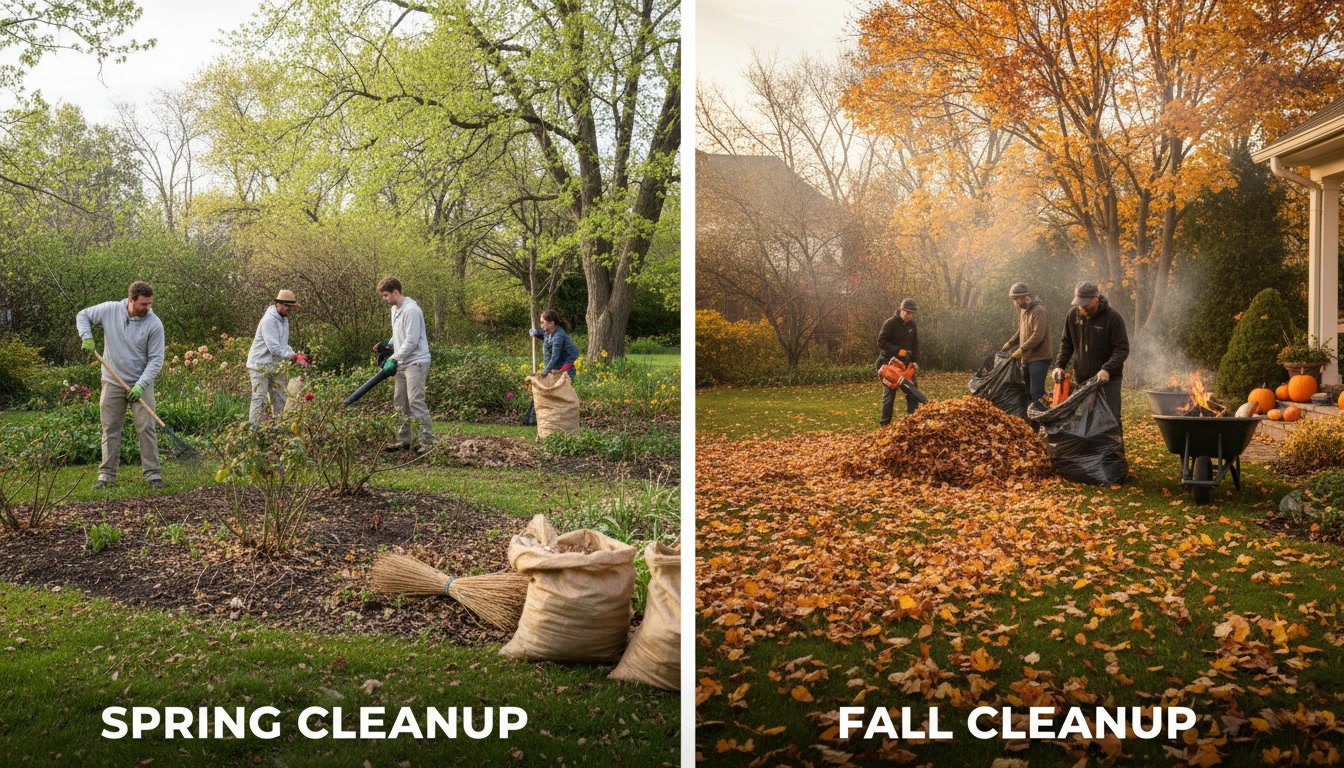
While both seasons involve debris removal, the specific tasks and priorities differ significantly. Spring cleanup focuses on removing winter damage, exposing dormant plants to warming soil, and preparing surfaces for new growth. Crews remove protective mulch layers that served their winter purpose, cut back ornamental grasses before new growth emerges, and address any snow plow or ice damage to landscape edges.
Fall cleanup emphasizes preparation for dormancy and winter protection. Tasks include removing disease-prone debris that could harbor pathogens through winter, applying fresh mulch layers for insulation, and protecting sensitive plants from freeze-thaw cycles. Fall cleanup also addresses leaves that continue falling through November, often requiring multiple visits to keep surfaces clear as trees finish dropping foliage.
Understanding these seasonal differences explains why the types of yard cleanup services you need vary throughout the year and why professional timing matters for optimal results.
Quality Control Checks Before Crew Departure
Professional services implement quality control procedures that ensure consistent results across all properties. Before leaving your site, crew leaders conduct a systematic walkthrough that checks each area against the initial assessment and service agreement.
This inspection verifies that all debris has been removed from beds, lawns, and hard surfaces. Leaders check that edging lines are clean and consistent, pruning cuts are proper, and no equipment damage occurred during service. They also ensure that gates are closed, hoses are coiled, and the property is left in better condition than found.
Quality checks catch oversights immediately while crews and equipment remain on-site. This prevents callbacks and ensures customer satisfaction before the invoice gets generated. The systematic approach also provides consistency across different crew members and properties.
The Final Walkthrough and Customer Communication
After internal quality checks, many professional services invite property owners to walk the completed cleanup together. This final inspection gives you opportunity to ask questions, understand what was done, and identify any areas needing additional attention.
During this walkthrough, experienced technicians point out conditions that need monitoring, explain why certain decisions were made, and recommend follow-up services if appropriate. This might include noting areas where soil amendment would improve plant performance, identifying trees that need professional pruning, or suggesting drainage improvements for problem spots discovered during cleanup.
This communication phase transforms a transaction into an educational experience. You learn what to watch for between service visits, understand how seasonal changes affect your landscape, and gain insight into how professional maintenance differs from basic mowing or sporadic attention. Property owners who engage in this walkthrough make better decisions about ongoing lawn maintenance and understand the value they receive from professional service.
Getting Professional Results Without the Common Service Pitfalls
The yard cleanup service process described above represents the standard that established, professional companies follow. Unfortunately, not all services operate at this level. Some crews rush through properties focusing only on visible debris while ignoring underlying issues. Others lack the training to distinguish beneficial organic matter from harmful debris, or the knowledge to prune perennials correctly for seasonal health.
Choosing a service with systematic processes, quality control procedures, and experienced crews makes the difference between cosmetic improvement and genuine landscape health. Since 2008, All Season Lawn and Landscaping LLC has refined our cleanup procedures to address both immediate debris removal and the underlying conditions that affect long-term landscape performance. Our full-service approach means one crew handles all aspects of your property’s seasonal preparation, eliminating the coordination hassle of multiple vendors.
If your property needs thorough seasonal cleanup that goes beyond basic debris removal, our experienced team serves Parkville and surrounding areas with the systematic approach that protects your landscape investment. Contact All Season Lawn and Landscaping LLC at +18163633203 to schedule your property assessment and experience the difference that professional yard cleanup service delivers.