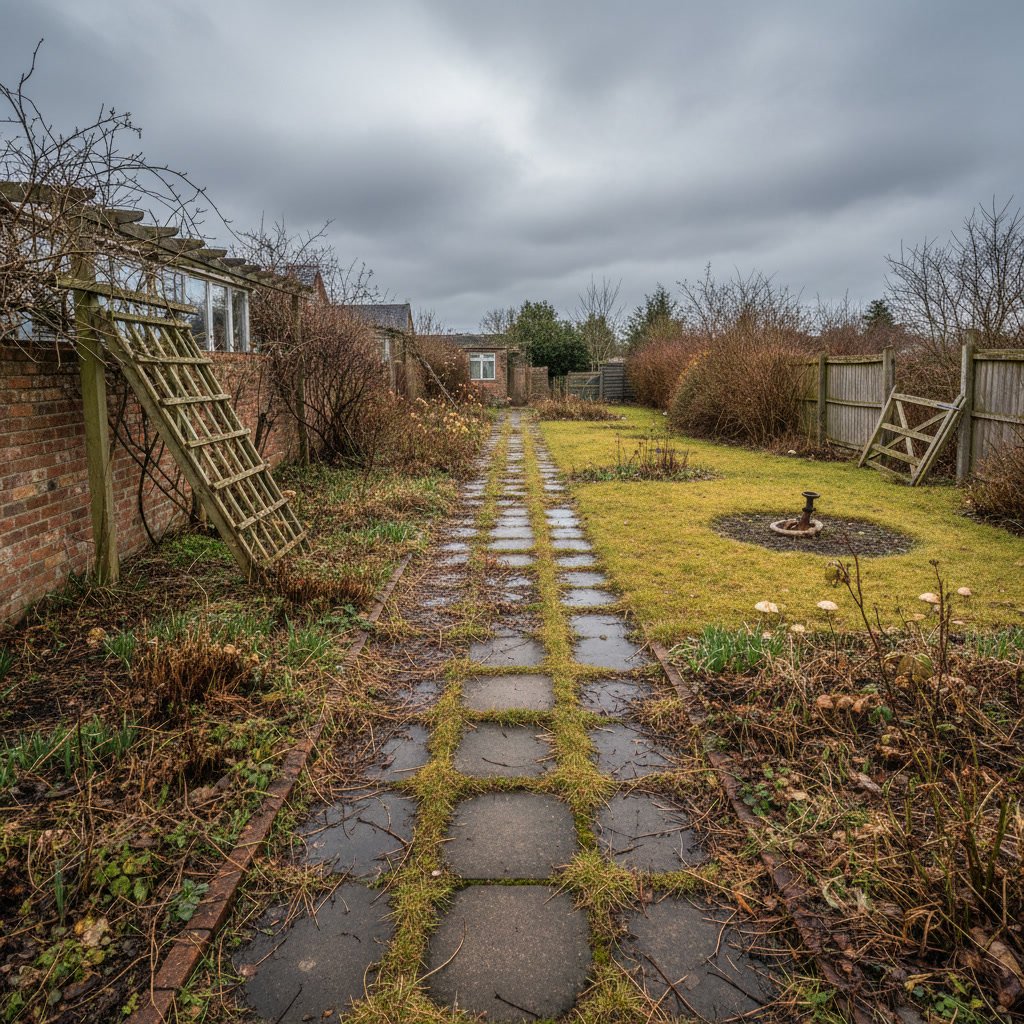
Your outdoor spaces send clear signals when problems start brewing beneath the surface. When your landscape needs maintenance that goes beyond routine care, specific warning signs emerge that demand immediate attention. Ignoring these red flags often transforms manageable issues into expensive repairs, threatening both your property value and structural integrity. Catching these symptoms early keeps minor problems from escalating into landscape failures.
Why Landscape Problems Escalate Quickly Without Intervention
Outdoor environments operate as interconnected systems where one failing component rapidly affects surrounding elements. A small drainage issue pools water against foundations, softening soil and encouraging root rot in nearby plants. Dead branches harbor pests that spread to healthy trees. Compacted soil prevents water absorption, creating runoff that erodes mulch beds and exposes root systems.
The seasonal climate in Missouri accelerates these cascading failures. Freeze-thaw cycles widen cracks in hardscapes and damage plant tissues. Summer heat stress weakens vegetation already compromised by poor soil conditions. What starts as a single brown patch in your lawn can signal underlying soil compaction, drainage problems, or disease that will overtake your entire yard within weeks if left unaddressed.
The True Cost of Delaying Landscape Repairs
Property owners who postpone addressing visible landscape problems face repair bills three to five times higher than early intervention costs. A $300 drainage correction becomes a $1,500 foundation repair. A $150 tree pruning turns into a $2,000 emergency removal after storm damage. Dead plants that could have been saved with soil amendments require complete replacement at significantly higher expense.
Beyond direct repair costs, neglected landscapes reduce property values by 10 to 20 percent. Curb appeal deteriorates visibly, affecting neighborhood perception and resale potential. Some landscape damage creates liability exposure when dead trees threaten structures or poor drainage affects neighboring properties. Municipal code enforcement may issue citations for properties with overgrown or hazardous landscape conditions.
Dead or Dying Plants Appearing in Clusters
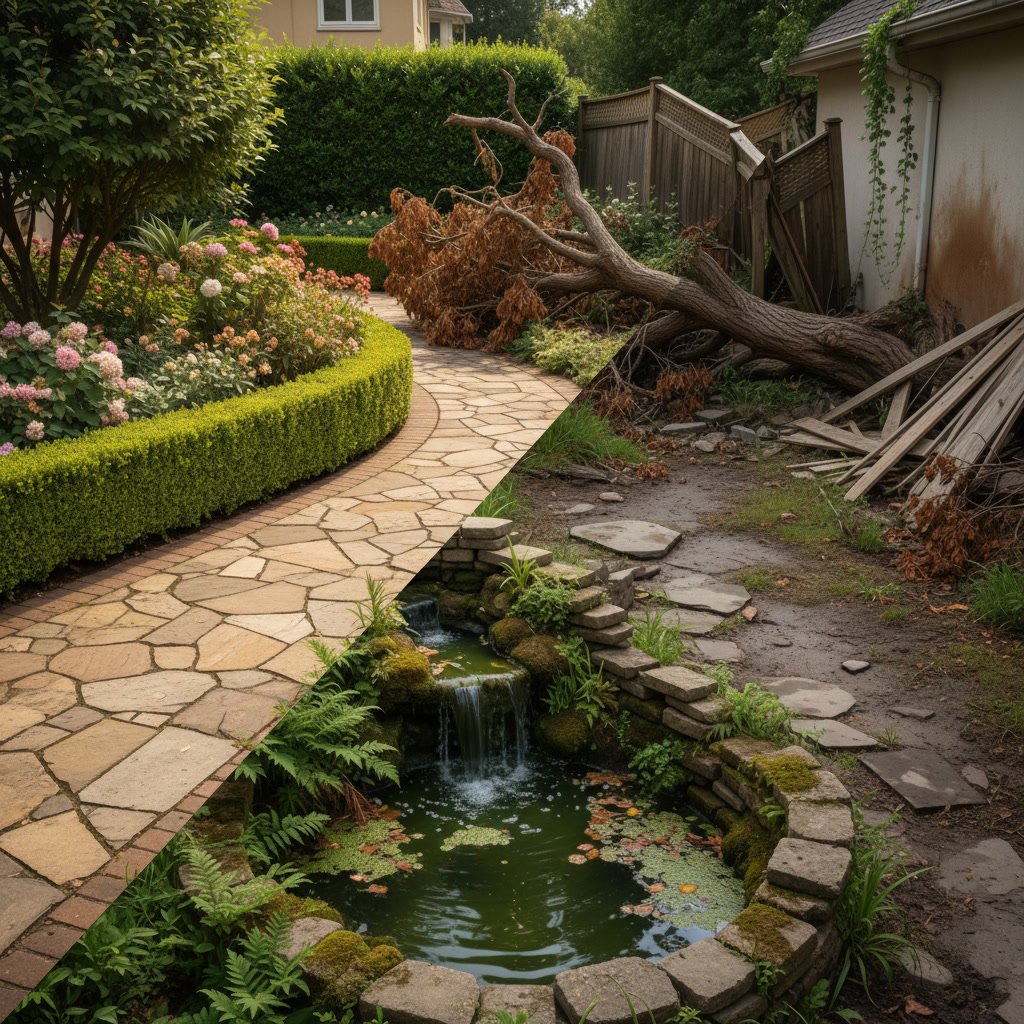
When multiple plants in the same area show decline simultaneously, the problem extends beyond individual plant health. Clustered plant death indicates systemic issues such as contaminated soil, underground utility leaks, root disease, or pest infestations spreading through root systems. A single dead shrub may be coincidence, but three or more in proximity signals urgent investigation needs.
Check for discolored foliage, premature leaf drop, wilting despite adequate water, or branches dying from the tips inward. Plants showing stress in summer heat often have compromised root systems from compacted soil or poor drainage. Spring dieback after winter typically means root damage from freeze-thaw cycles or rodent activity. These patterns require professional diagnosis to identify the underlying cause before it spreads further.
Visible Soil Erosion and Exposed Root Systems
Bare soil patches, gullies, or exposed tree roots indicate active erosion that will accelerate with every rainfall. Topsoil loss removes the nutrient-rich layer plants depend on, while erosion channels direct water toward foundations and hardscapes. Tree roots exposed more than two inches above grade face desiccation and mechanical damage that compromise tree stability.
Erosion often stems from poor grading, inadequate vegetation cover, or failed drainage systems. Slopes steeper than 3:1 ratio typically require terracing or retaining structures. Areas where water concentrates after rain need immediate intervention with landscaping services that redirect flow and stabilize soil. Properties throughout the region face erosion challenges that professional grading and strategic planting can permanently resolve.
Standing Water That Persists More Than 24 Hours in Parkville
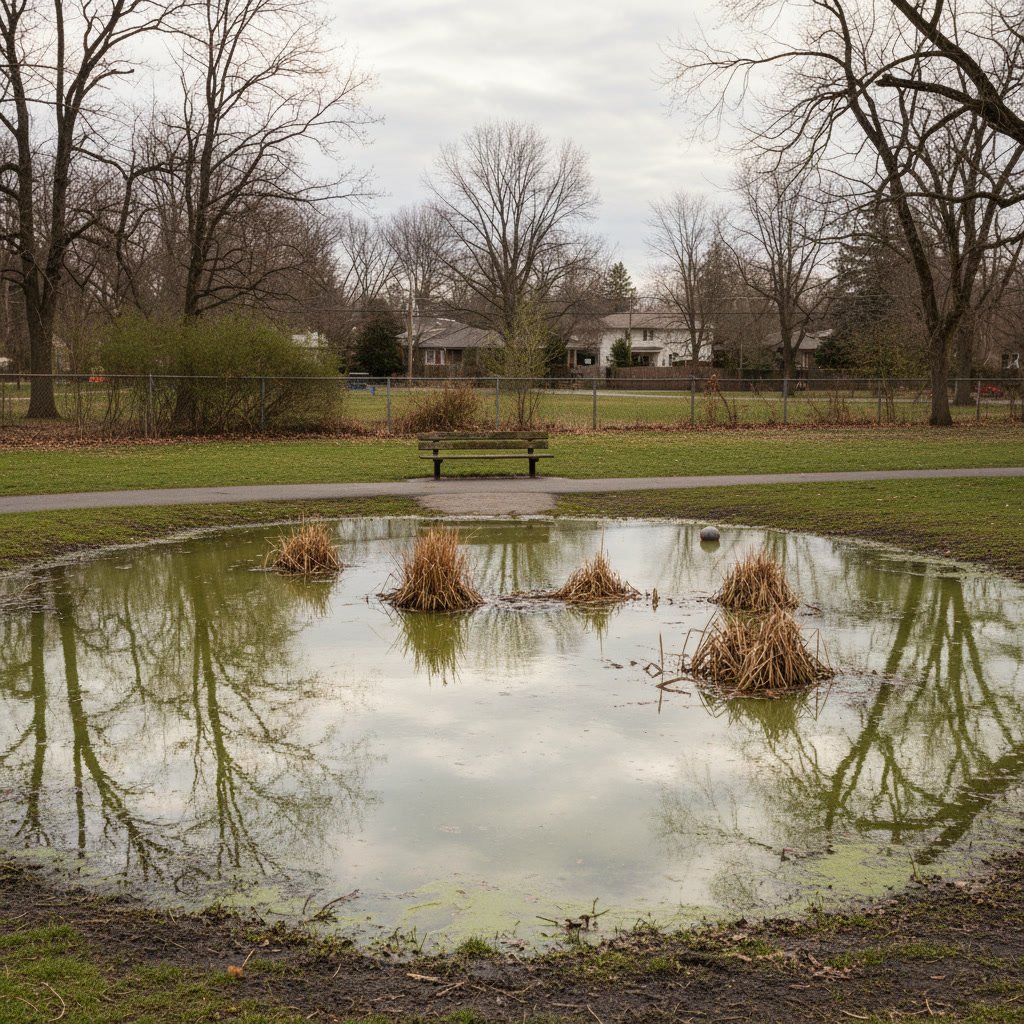
Puddles remaining a full day after rain indicate drainage failure or soil compaction preventing normal percolation. Standing water kills grass roots within 48 hours, creates mosquito breeding grounds, and signals potential foundation threats as saturated soil expands against basement walls.
Common causes include clay soil with poor natural drainage, compacted ground from foot traffic or construction equipment, blocked drainage channels, or inadequate grading slope. Properties should shed water at minimum two percent grade away from structures. Areas with persistent moisture problems need comprehensive drainage solutions through French drains, catch basins, regrading, or soil amendment before water damage affects structures or creates hazardous conditions.
Overgrown Plants Touching Structures or Power Lines
Vegetation contacting buildings traps moisture against siding and roofing, causing wood rot, paint damage, and pest entry points. Branches scraping windows or gutters during wind create ongoing damage that compounds with each storm. Plants growing within three feet of foundations risk root infiltration into basement walls and plumbing systems.
Power line contact presents immediate safety hazards and fire risks. Utility companies may disconnect service if vegetation compromises line clearance, and property owners face liability for electrical hazards on their land. Trees requiring professional pruning near power infrastructure need immediate attention from qualified experts who understand electrical safety protocols. Regular outdoor landscape maintenance prevents vegetation from reaching these critical contact points.
Cracked or Shifting Hardscapes and Retaining Walls
Cracks wider than a quarter inch in patios, walkways, or driveways indicate settling, frost heave, or root intrusion that will worsen without intervention. Pavers separating or becoming uneven create trip hazards and allow water infiltration that accelerates deterioration. Retaining walls leaning more than one inch per foot of height face imminent failure that can release tons of soil and damage everything in its path.
Hardscape failures often result from inadequate base preparation, poor drainage behind retaining structures, or tree roots undermining foundations. Efflorescence (white mineral deposits) on retaining walls signals moisture problems within the wall structure. Bulging or bowing indicates hydrostatic pressure from trapped water that requires immediate drainage correction to prevent catastrophic collapse.
Pest Damage Visible on Multiple Plants or Trees
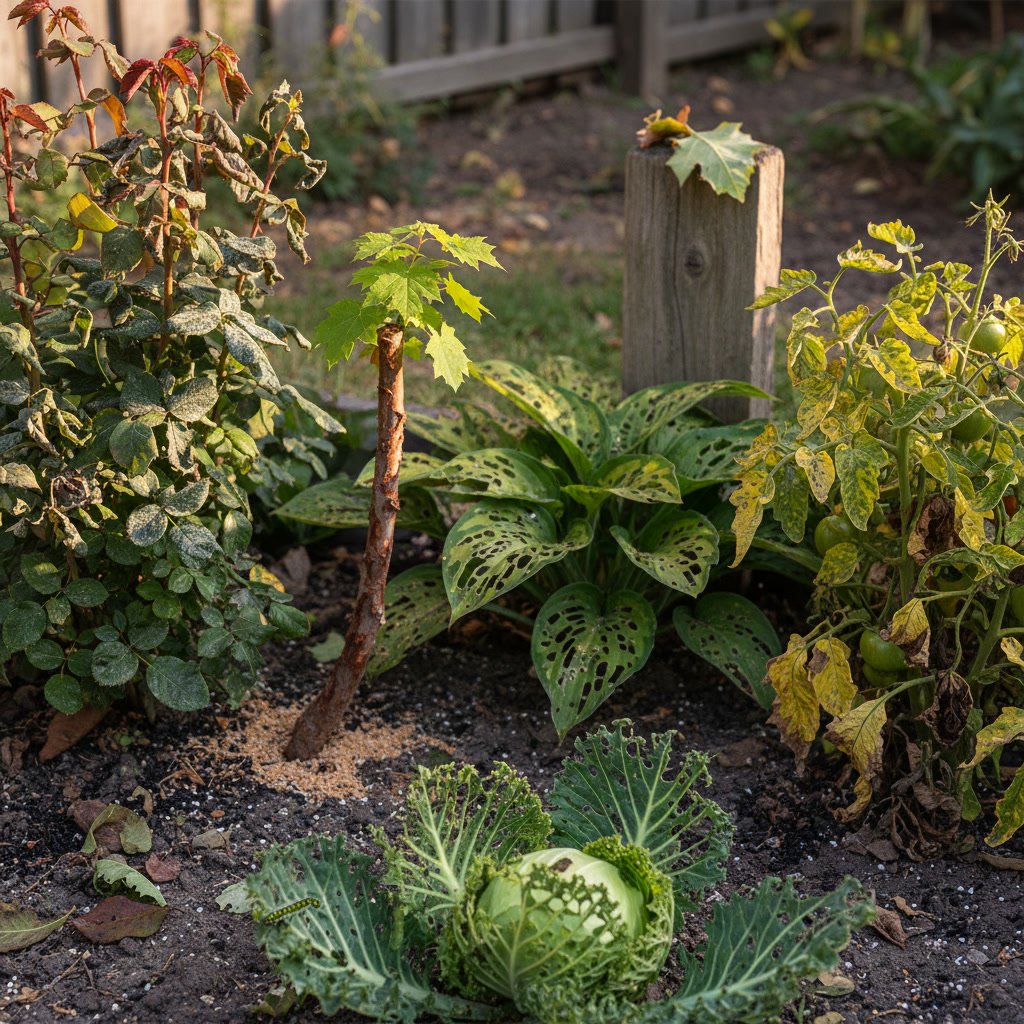
Chewed leaves, sawdust trails, webbing, or boring holes appearing across multiple plants indicate active infestations that spread rapidly without control measures. Some pests like emerald ash borer or Japanese beetles can kill mature trees within two seasons. Fungal diseases spread through spores carried by wind and water, infecting entire landscapes if initial outbreaks go untreated.
Professional identification separates treatable conditions from those requiring plant removal to protect surrounding vegetation. Early intervention with targeted treatments costs a fraction of replacing dead plants. Some pest and disease problems qualify for municipal assistance programs, making professional diagnosis valuable for accessing available resources. Understanding what landscape maintenance includes helps property owners recognize when routine care extends into pest management territory.
Mulch Beds Thinning to Less Than Two Inches
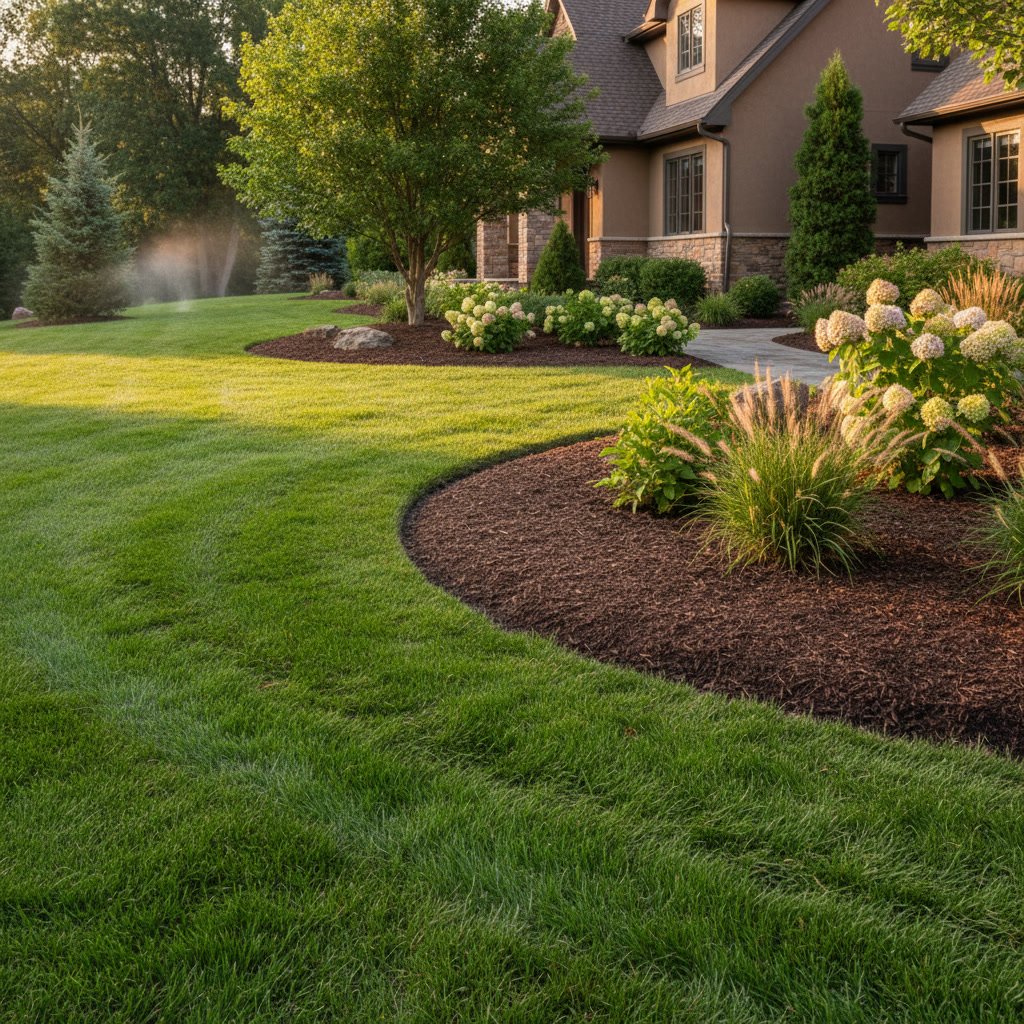
Mulch serves critical functions beyond aesthetics, suppressing weeds, moderating soil temperature, and retaining moisture. When mulch depth falls below two inches, these protective functions fail. Exposed soil dries rapidly, forcing plants into stress. Weed seeds germinate freely, creating competition for nutrients and water. Temperature fluctuations shock root systems and reduce plant vigor.
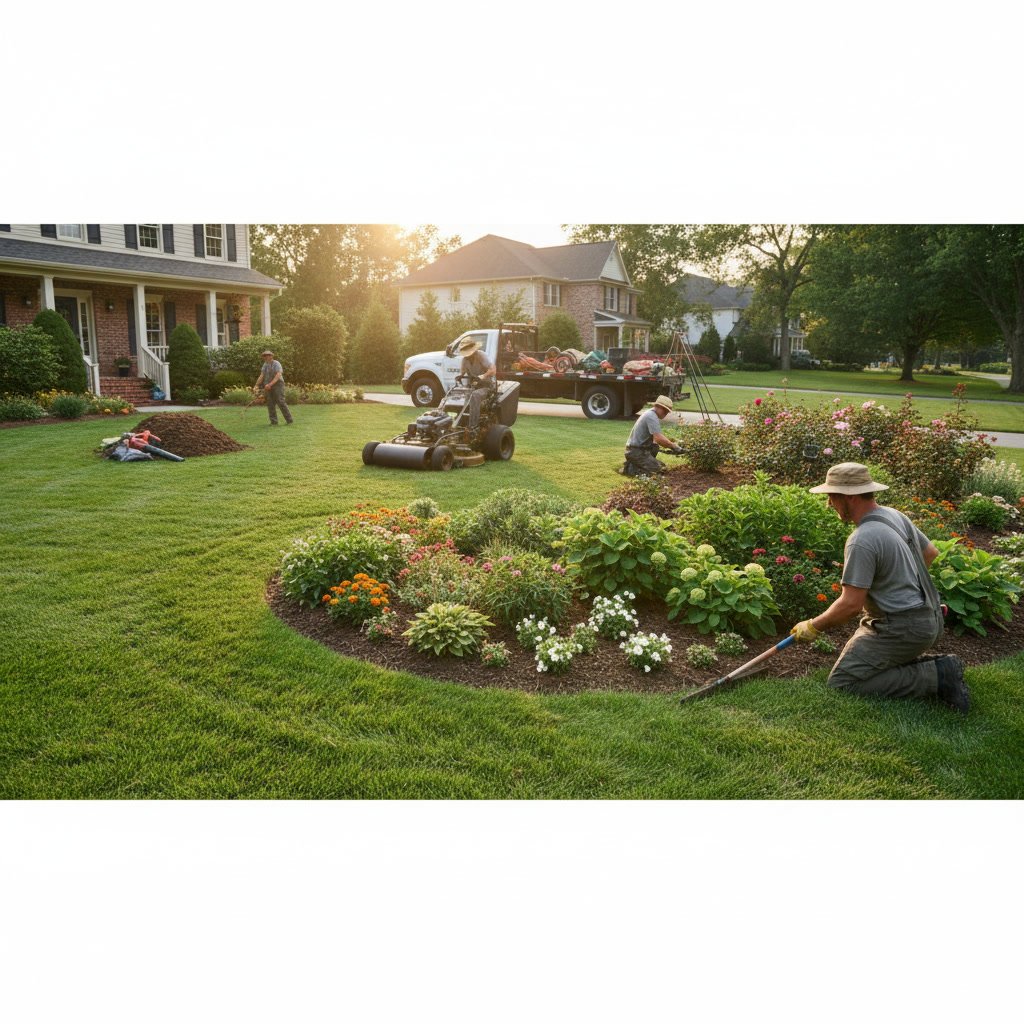
Mulch naturally decomposes at roughly one inch per year, requiring regular replenishment. Mulch that disappears faster than this rate indicates erosion problems washing material away or pest activity consuming organic matter. Properly maintained mulch beds need refreshing every 18 to 24 months, with complete removal and replacement every four to five years to prevent excessive buildup that smothers plants. Many property owners combine mulch refreshing with seasonal yard cleanup for comprehensive bed maintenance.
Lawn Areas With Bare Spots or Persistent Weeds
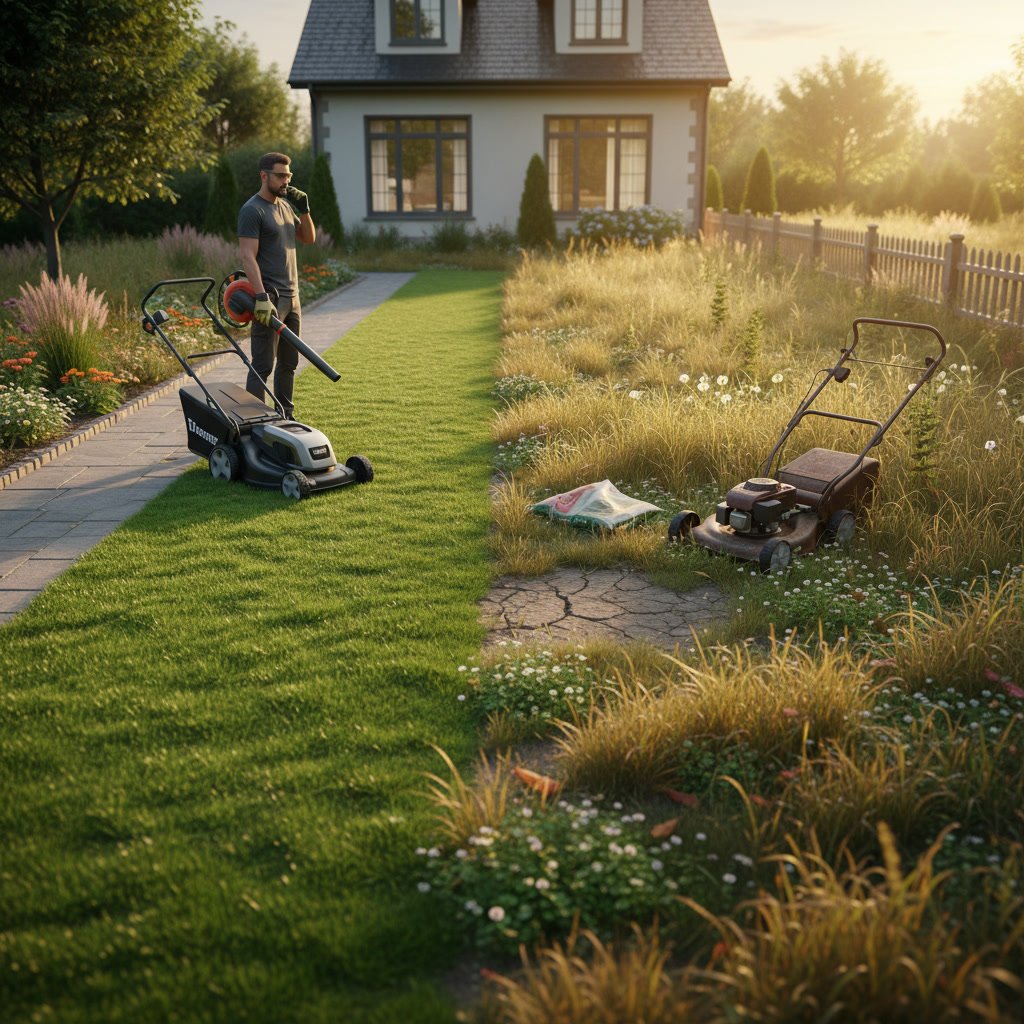
Healthy turf crowds out most weeds through dense growth. When weeds dominate sections of lawn, the underlying grass suffers from compaction, poor soil pH, inadequate fertilization, or disease. Bare spots expose soil to erosion and provide openings for weed establishment. These conditions rarely self-correct and typically expand without targeted intervention.
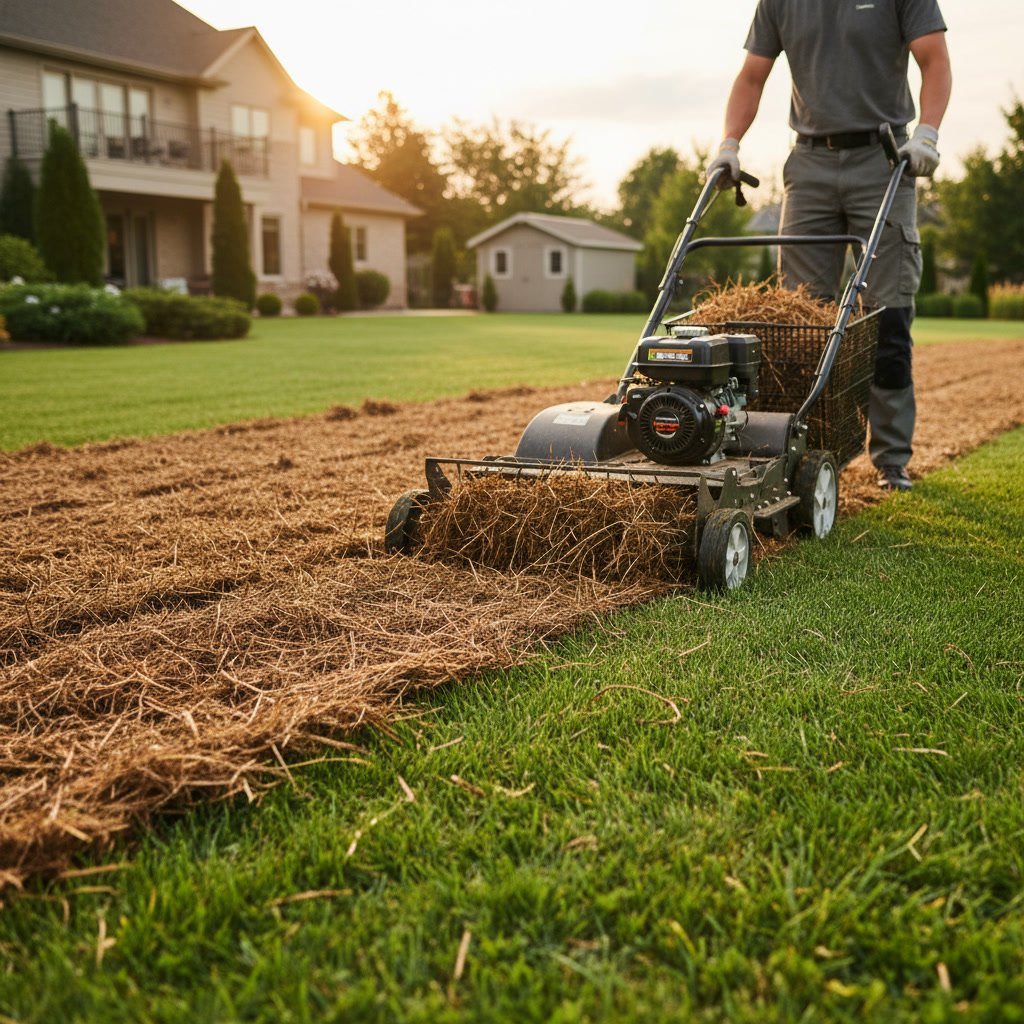
Professional soil testing identifies specific deficiencies causing poor grass performance. Compacted areas need core aeration to restore oxygen and water penetration. pH imbalances require lime or sulfur applications. Diseased areas may need fungicide treatment and reseeding with resistant varieties. Addressing root causes rather than symptoms produces lasting improvement. Property owners benefit from understanding the difference between lawn care and lawn maintenance services when selecting appropriate solutions.
Warning Signs That Require Immediate Professional Assessment
Certain conditions demand expert evaluation within days rather than weeks. Trees leaning more than 15 degrees from vertical risk sudden failure, especially near structures or high-traffic areas. Sudden wilting of entire plants without drought conditions suggests vascular disease or root death. Sinkholes or depressions appearing in lawns may indicate buried debris decomposition, failing drainage pipes, or soil subsidence requiring structural investigation.
Foul odors from landscape beds often signal anaerobic soil conditions from poor drainage or excessive organic matter decomposition. Standing water with visible algae growth indicates stagnant conditions breeding harmful bacteria. Mushroom clusters around tree bases can indicate internal decay compromising structural integrity. These symptoms require professional diagnosis to determine whether immediate remediation or plant removal protects property and safety.
Protecting Your Property Investment Through Proactive Care
Outdoor landscapes represent substantial financial investments that require ongoing protection through timely maintenance. Properties with professional oversight identify developing problems during early stages when corrections remain affordable and effective. Regular inspections catch subtle changes before they become visible disasters.
Establishing relationships with qualified professionals provides access to expert advice when warning signs appear. All Season Lawn and Landscaping LLC has served property owners since 2008, developing expertise in recognizing and correcting landscape problems before they escalate. Professional maintenance programs include regular monitoring that catches issues homeowners often miss until damage becomes severe.
If you notice any of these warning signs on your property, prompt professional assessment prevents minor concerns from becoming major expenses. All Season Lawn and Landscaping LLC provides comprehensive evaluation and solutions for properties throughout the Kansas City area. Contact our team at +18163633203 to schedule an inspection and protect your landscape investment before damage spreads.