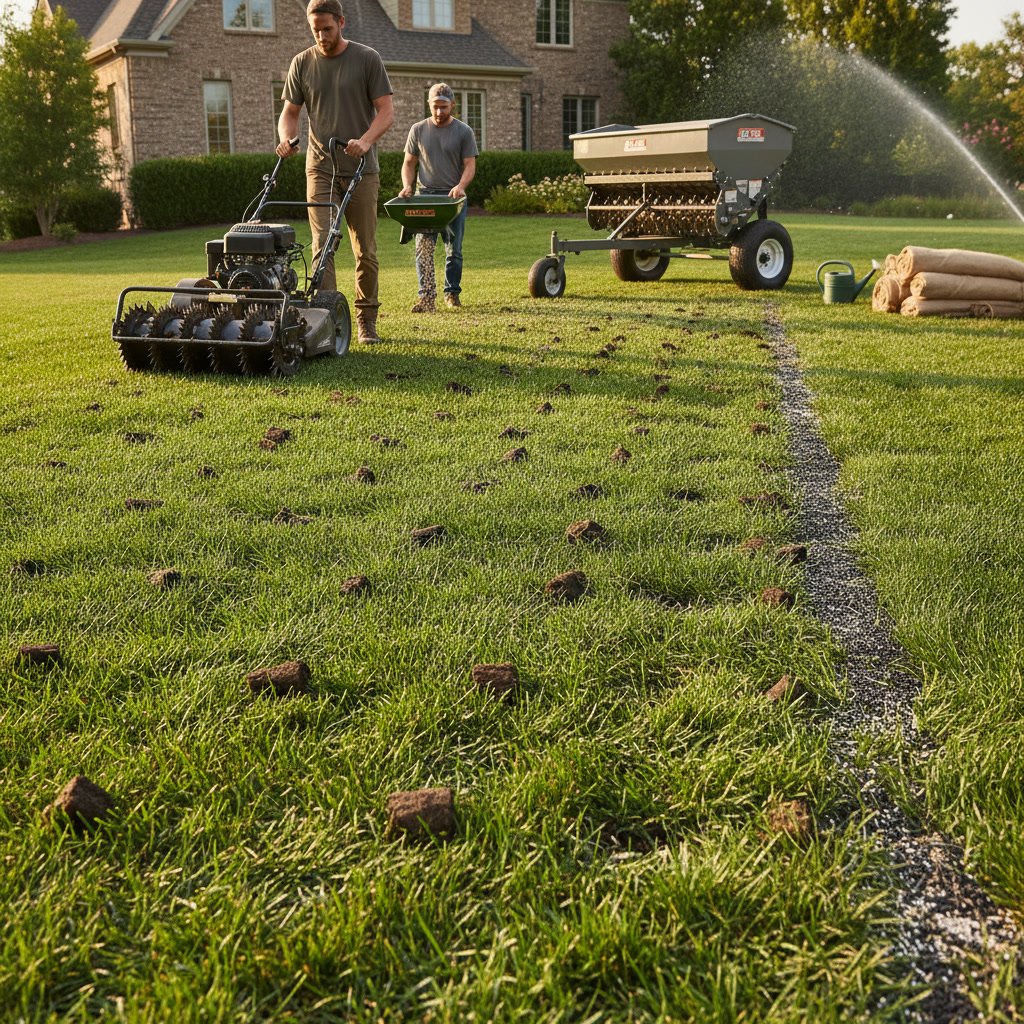
Aeration breaks up compacted soil to allow oxygen, water, and nutrients to reach grass roots, while overseeding introduces new grass plants to fill in bare spots and thicken existing turf. When you aerate and overseed lawn areas together, the seed falls directly into the aeration holes where it has ideal contact with soil and protection from birds. This combination delivers faster germination and denser grass coverage than either practice alone.
Why Lawns Become Thin and Compacted Over Time
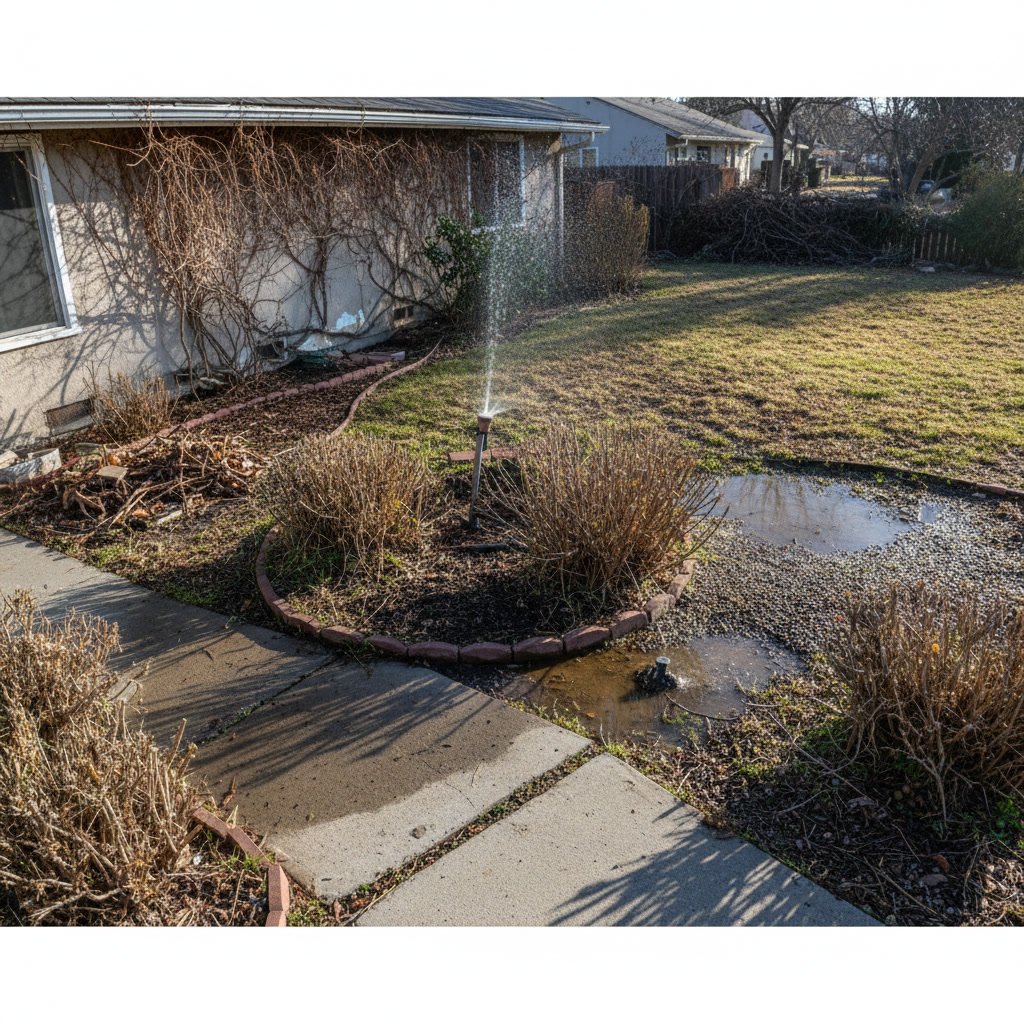
Soil compaction happens gradually as foot traffic, lawn equipment, and natural settling squeeze soil particles together. Compacted soil has fewer air pockets, which means grass roots cannot spread deeply or access the oxygen they need. Clay-heavy soils in Missouri compact faster than sandy soils, and high-traffic areas near walkways or play zones show the most damage.
Thin grass also results from natural thinning as older plants die without being replaced. Turf-type tall fescue and Kentucky bluegrass varieties do not spread aggressively enough to fill gaps on their own. Without intervention, lawns gradually thin out, leaving room for weeds to establish.
The Science Behind Aeration and Its Benefits
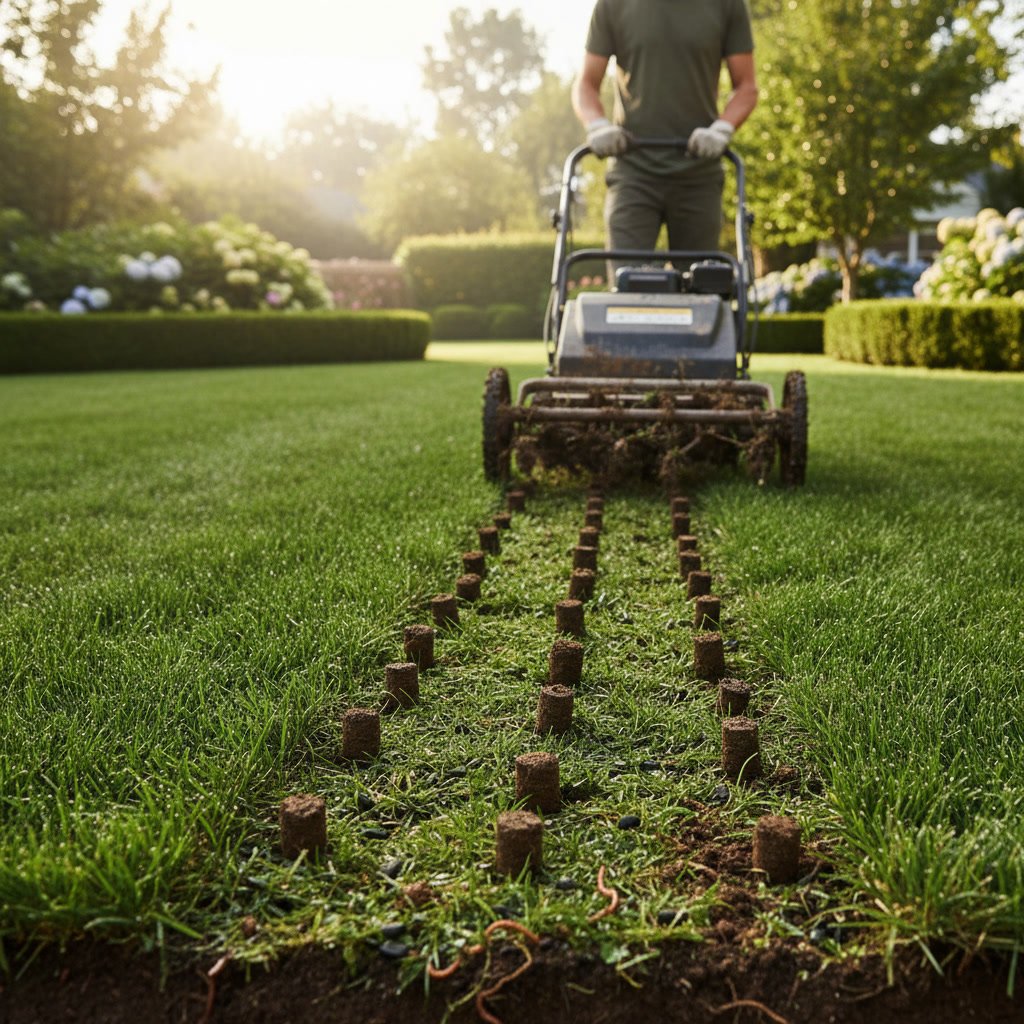
Core aeration removes plugs of soil approximately three inches deep and three-quarters of an inch wide, spaced two to three inches apart across the lawn. These holes immediately relieve soil compaction and create channels for air exchange. Within weeks, roots grow into the holes, expanding the root zone both horizontally and vertically.
Deeper roots access moisture during dry periods, reducing the need for supplemental watering. The soil cores left on the surface break down naturally, depositing beneficial microbes back into the turf. Aeration also improves fertilizer efficiency because nutrients can move directly to root zones instead of running off or sitting on the surface.
When to Schedule Aeration and Overseeding in Parkville
Cool-season grasses dominate lawns throughout Parkville and surrounding areas. These grasses grow most vigorously during spring and fall when soil temperatures range between 50 and 65 degrees Fahrenheit. Early fall, from late August through mid-September, offers the best window for aeration and overseeding because soil remains warm enough for quick germination while cooler air temperatures reduce heat stress on new seedlings.
Spring aeration in late April or early May also works, but new grass faces immediate competition from warm-season weeds like crabgrass. Fall-seeded lawns establish deeper roots before winter dormancy and green up faster the following spring. Avoid aerating during summer heat or winter dormancy when grass cannot recover quickly from the disturbance.
Choosing the Right Grass Seed for Your Lawn
Turf-type tall fescue performs best in the Kansas City region because it tolerates heat, drought, and shade better than other cool-season varieties. Look for certified seed blends containing multiple cultivars, which provides genetic diversity and disease resistance. A blend with three to five different tall fescue varieties costs slightly more but delivers superior performance.
For shady areas under mature trees, increase the percentage of shade-tolerant cultivars in your seed mix. Kentucky bluegrass works well in full-sun areas where you want a denser, finer-textured lawn, but it requires more water and maintenance. Match your seed choice to your specific growing conditions rather than selecting based on price alone.
Step-by-Step Aeration Process
Water your lawn thoroughly one to two days before aeration. Moist soil allows the aerator tines to penetrate the full three-inch depth, while dry soil causes shallow penetration that delivers minimal benefit. Mark sprinkler heads, shallow utility lines, and other hidden obstacles with flags to avoid damage.
Make two passes over the entire lawn in perpendicular directions. A single pass leaves too much space between holes and does not adequately relieve compaction. Overlap each pass slightly to ensure even coverage. Pay extra attention to high-traffic zones, making additional passes if needed.
Leave the soil cores on the lawn surface. They break down within two to three weeks through rain, irrigation, and mowing. The cores contain beneficial soil microorganisms that improve turf health as they decompose. Raking or removing cores wastes this natural amendment.
Proper Overseeding Technique for Maximum Germination
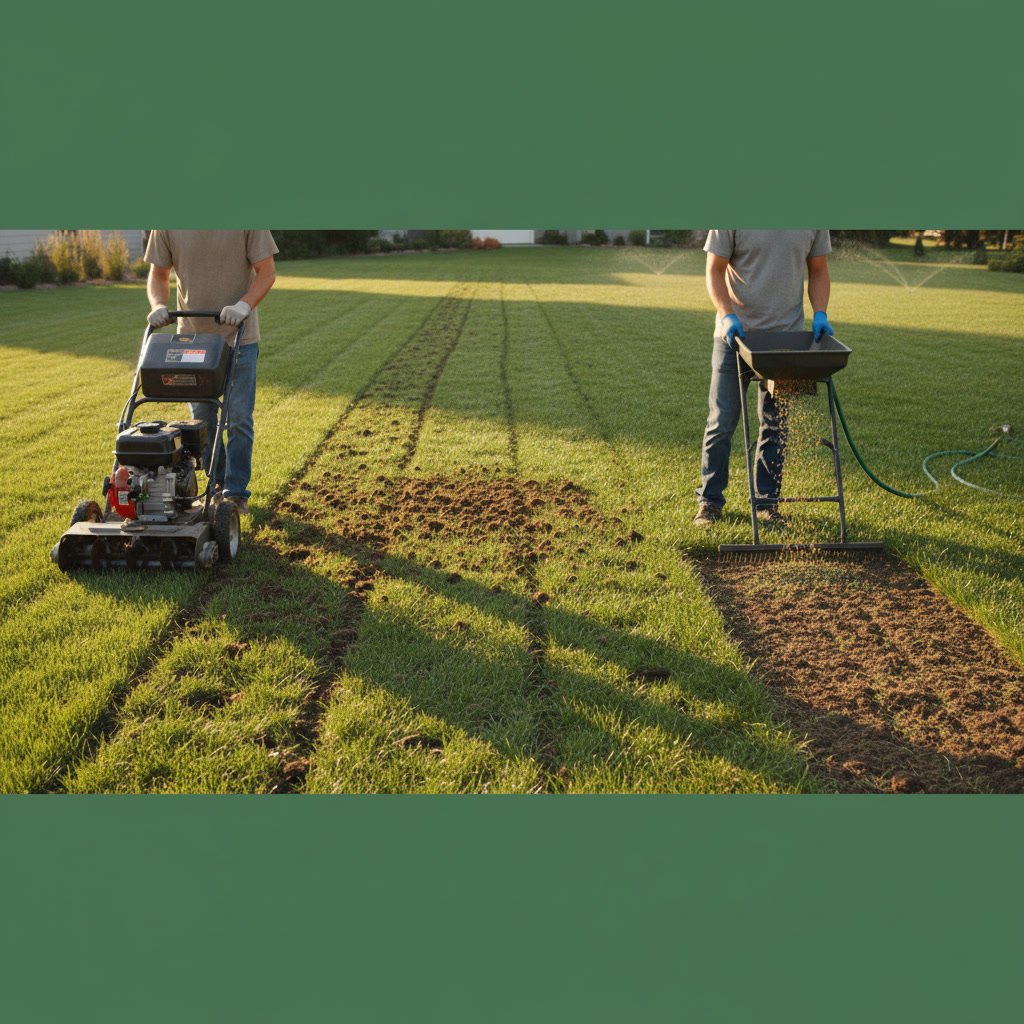
Seed immediately after aeration while holes remain open. Use a broadcast spreader for even distribution, applying seed at the rate specified on the bag label. Most tall fescue blends require six to eight pounds per 1,000 square feet for overseeding existing lawns. New lawns or heavily damaged areas need higher rates.
Make two perpendicular passes with half the total seed on each pass. This crosshatch pattern ensures uniform coverage and reduces missed spots. Seed falls directly into aeration holes where it has protected contact with soil, giving it a significant advantage over broadcast seeding on unprepared ground.
Lightly rake high spots where seed has clumped, but avoid raking the entire lawn. Excessive raking pulls seed out of aeration holes and reduces germination. A light rolling after seeding improves seed-to-soil contact without burying seed too deeply.
Watering Schedule for New Grass Establishment
Keep the top inch of soil consistently moist for the first two weeks after seeding. This typically requires light watering two to three times daily for 10 to 15 minutes per session. Frequent, shallow watering keeps seed from drying out during the critical germination period, which takes seven to 14 days for tall fescue.
Once grass reaches one inch tall, reduce watering frequency but increase duration. Transition to once-daily watering for 20 to 30 minutes, then move to every other day as seedlings mature. Deep, infrequent watering encourages roots to grow downward rather than staying shallow.
After four weeks, new grass should be established enough to return to your normal lawn maintenance watering schedule. Mature cool-season grass needs approximately one inch of water per week from rainfall or irrigation combined.
Mowing and Fertilizing After Overseeding
Wait until new grass reaches three to four inches before the first mowing. Mowing too early can uproot seedlings before roots anchor firmly in soil. Set your mower to the highest setting for the first cut and remove no more than one-third of the grass blade length.
Apply a starter fertilizer at seeding time or within 48 hours afterward. Starter fertilizers contain higher phosphorus levels that promote root development. Look for products with an N-P-K ratio around 18-24-12. Avoid weed-and-feed products or crabgrass preventers for at least eight weeks after seeding, as they kill grass seedlings along with weeds.
Six weeks after germination, apply a second feeding with a balanced lawn fertilizer. This supports continued growth as seedlings mature and helps new grass compete with established turf. Following this schedule gives new grass the nutrients it needs without overfeeding, which can encourage disease.
Common Mistakes That Reduce Success Rates
Aerating when soil is too dry ranks as the most frequent error. Rock-hard soil prevents tines from reaching proper depth, wasting time and effort. Similarly, overseeding without aeration reduces germination rates by 40 to 50 percent because seed lacks good soil contact and protection.
Using bargain seed mixes containing annual ryegrass or high percentages of weed seeds creates more problems than it solves. Annual ryegrass germinates quickly but dies after one season, leaving gaps. Always purchase certified seed from reputable suppliers and check the seed tag for germination rates above 85 percent and weed seed content below 0.5 percent.
Inconsistent watering kills more new grass than any other factor. Missing even one watering session during the first two weeks can cause seed to dry out and die. Automated irrigation systems provide the most reliable watering schedule, but manual watering works if you commit to the schedule.
How Professional Services Deliver Superior Results
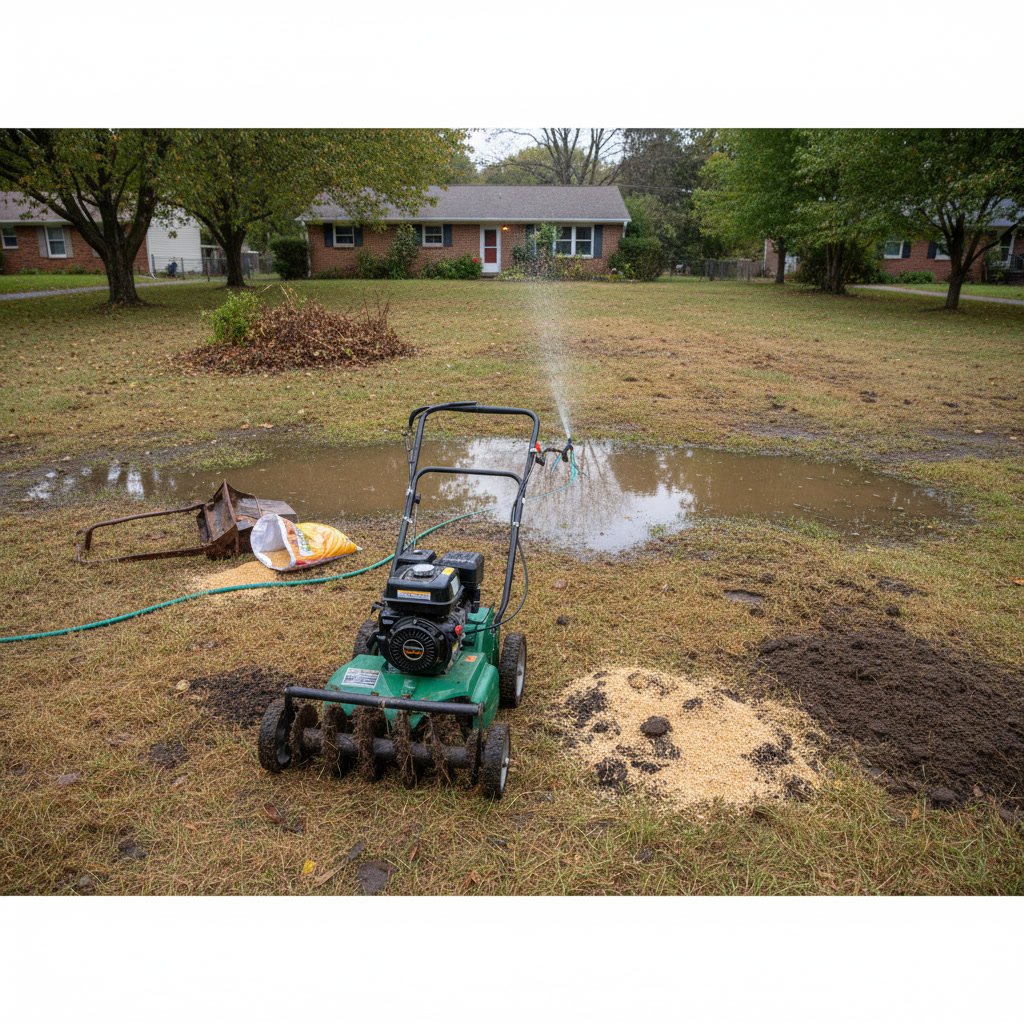
Professional-grade aerators penetrate deeper and pull larger cores than homeowner rental equipment. Commercial machines also cover ground faster with more consistent hole spacing. The difference becomes obvious within weeks as professionally aerated lawns show more vigorous growth and better color.
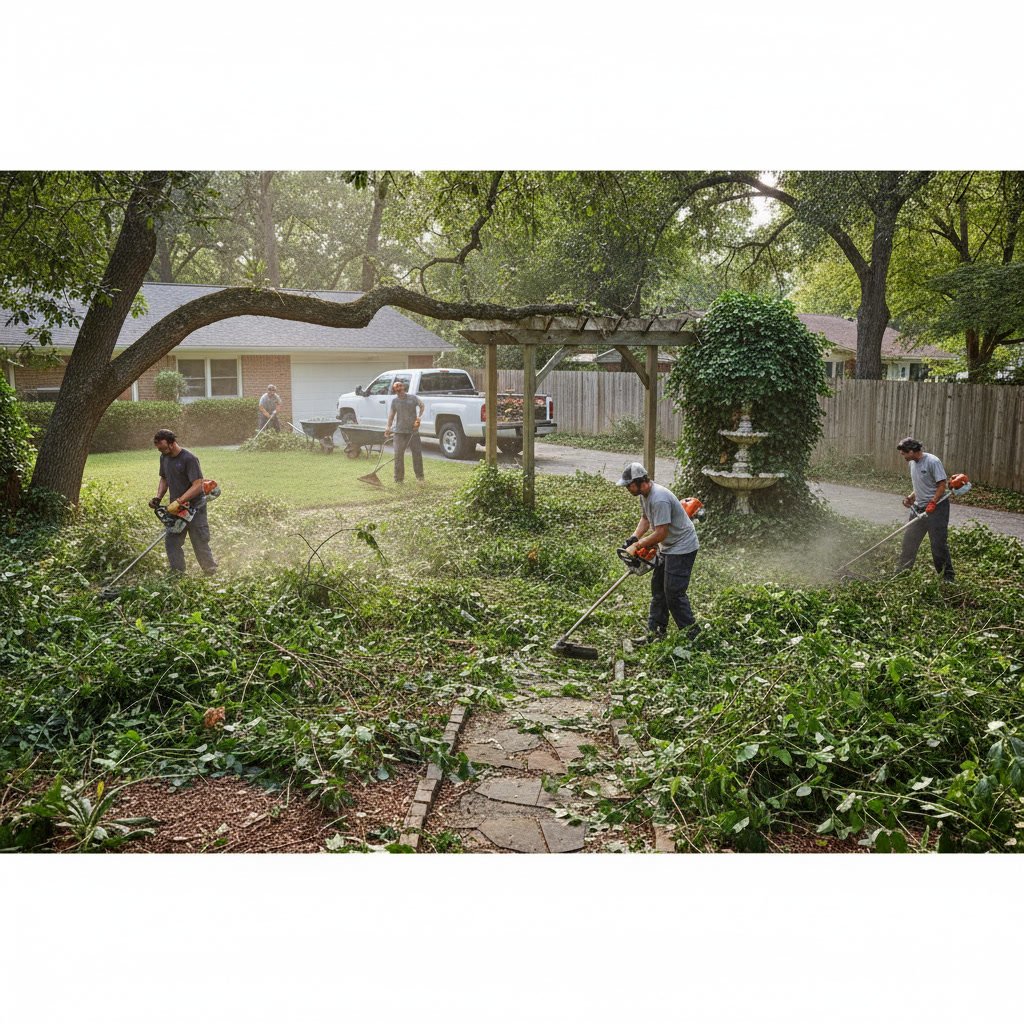
Experienced providers also calibrate seed spreaders precisely and select seed varieties matched to your specific conditions. They identify problem areas that need extra attention, such as compacted paths or shaded zones requiring different seed blends. This customization delivers results that generic DIY approaches cannot match.
Professional lawn care teams coordinate aeration and overseeding with your existing maintenance schedule, ensuring proper timing and avoiding conflicts with herbicide applications or other treatments. This integrated approach, which you can learn more about in professional lawn maintenance services, produces faster establishment and thicker coverage than piecemeal efforts.
Building Long-Term Lawn Health Through Consistent Care
Aeration and overseeding represent one component of comprehensive lawn care, not a one-time fix. Annual aeration prevents compaction from returning, while periodic overseeding maintains turf density as older plants naturally decline. Combining these practices with proper mowing height, appropriate fertilization, and outdoor landscape maintenance creates resilient turf that resists weeds, disease, and drought stress.
Healthy, dense grass also reduces erosion, filters rainwater runoff, and creates a more attractive landscape. The investment in proper aeration and overseeding pays returns for years through reduced maintenance needs and improved curb appeal. Lawns that receive consistent care require fewer inputs over time because established, healthy grass outcompetes problems before they start.
All Season Lawn and Landscaping LLC has helped homeowners throughout the Kansas City area achieve healthier, thicker lawns since 2008. Our team uses commercial-grade equipment and premium seed blends matched to local growing conditions, delivering results that transform tired, thin turf into vibrant, resilient grass. If your lawn shows signs of compaction, thinning, or poor growth, professional aeration and overseeding provides the foundation for lasting improvement. Contact us at +18163633203 to schedule an evaluation and discover how proper lawn renovation can restore your turf’s health and beauty.