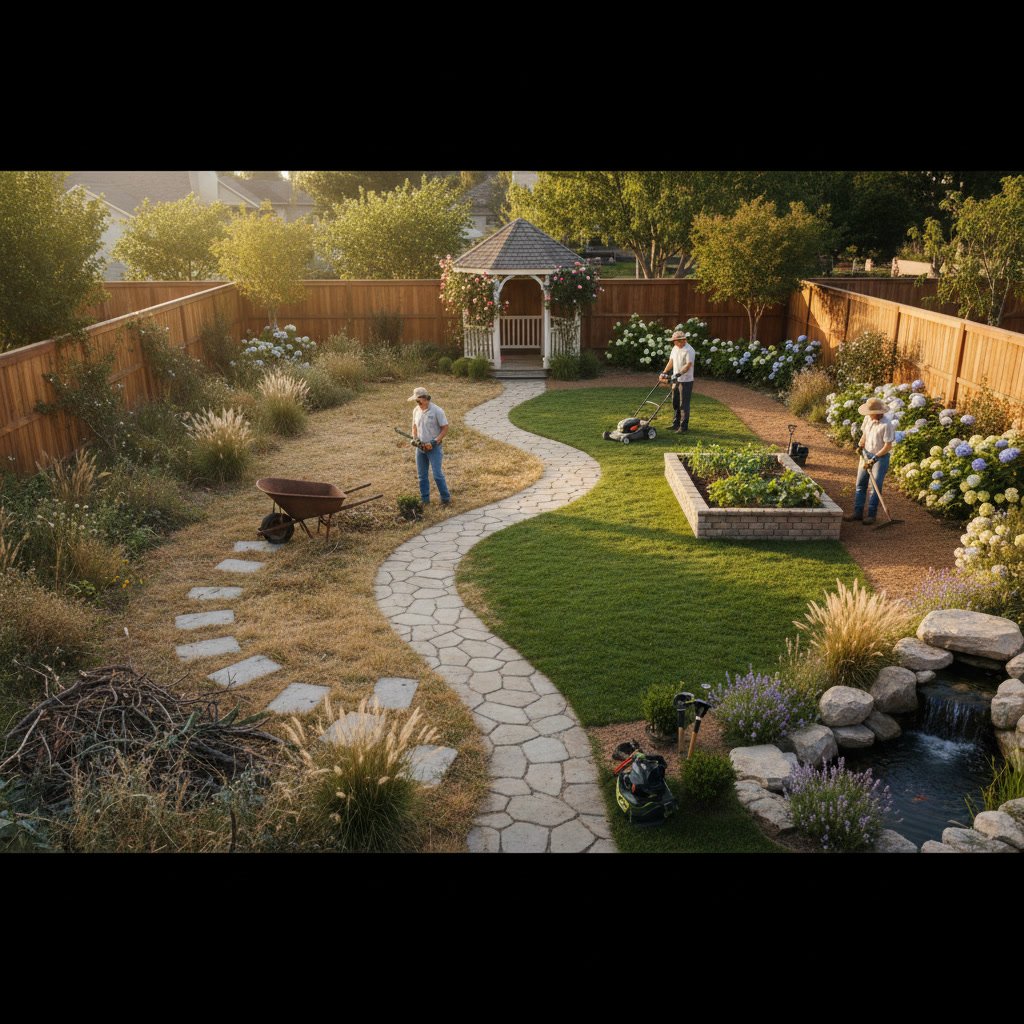
Neglected yards can be transformed into beautiful outdoor spaces through a systematic approach. Professional landscaping services follow a proven process that addresses everything from initial assessment to ongoing maintenance, turning overgrown, unhealthy properties into thriving landscapes. The transformation happens in stages, each building on the last to create lasting results.
Understanding What Makes a Yard Neglected
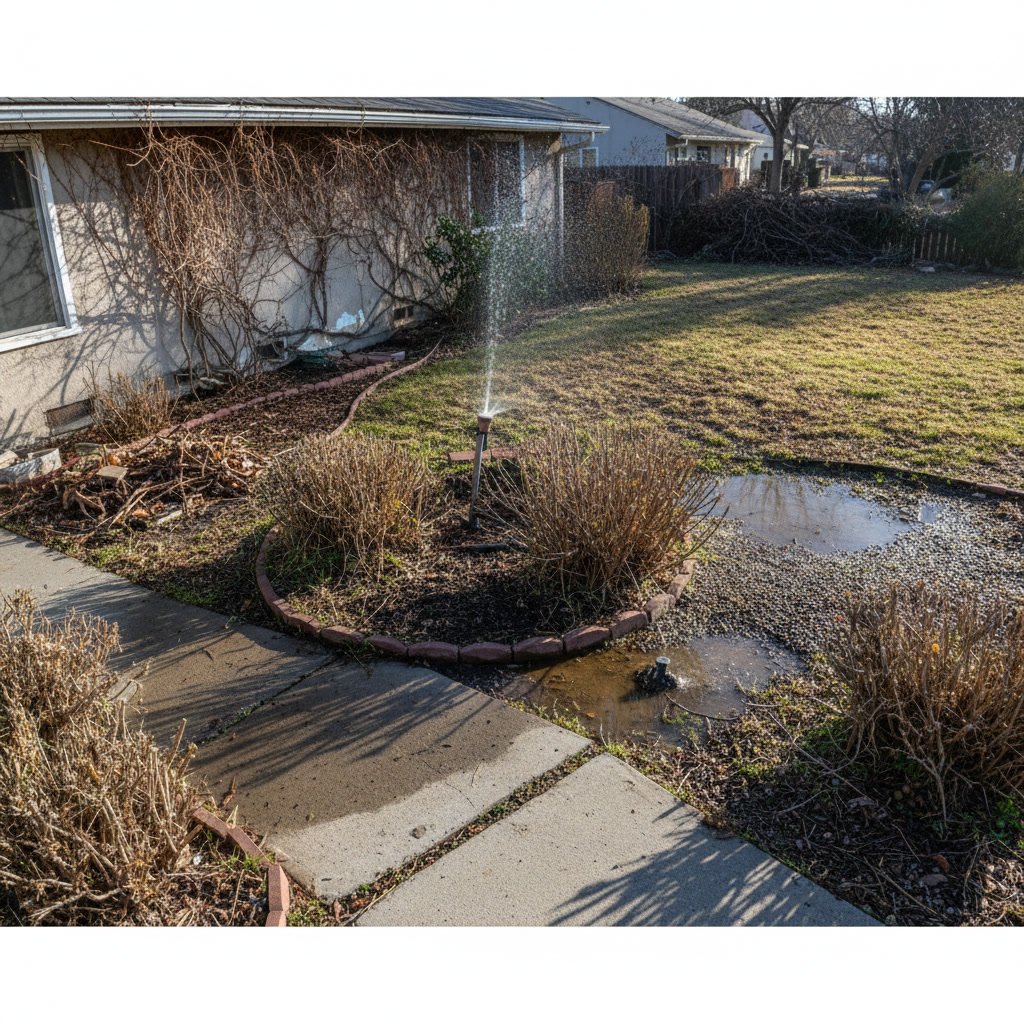
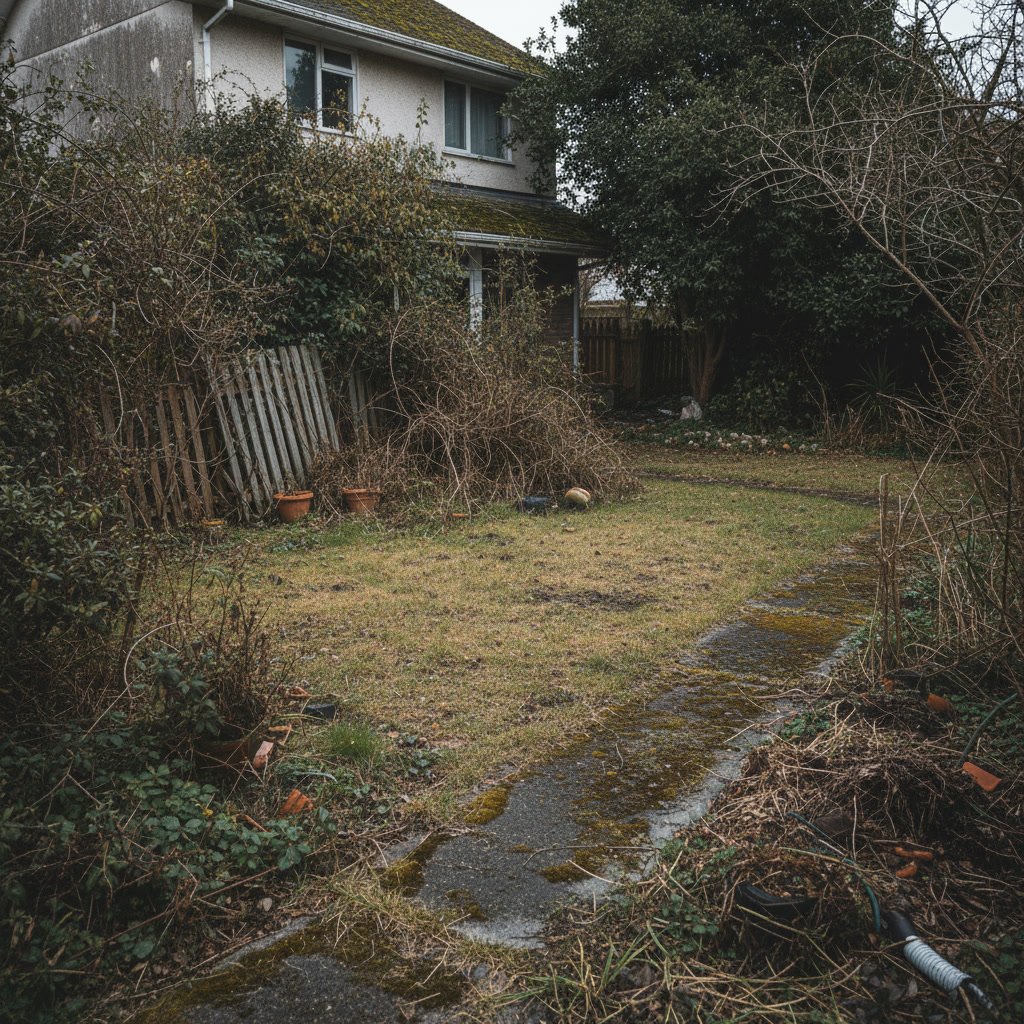
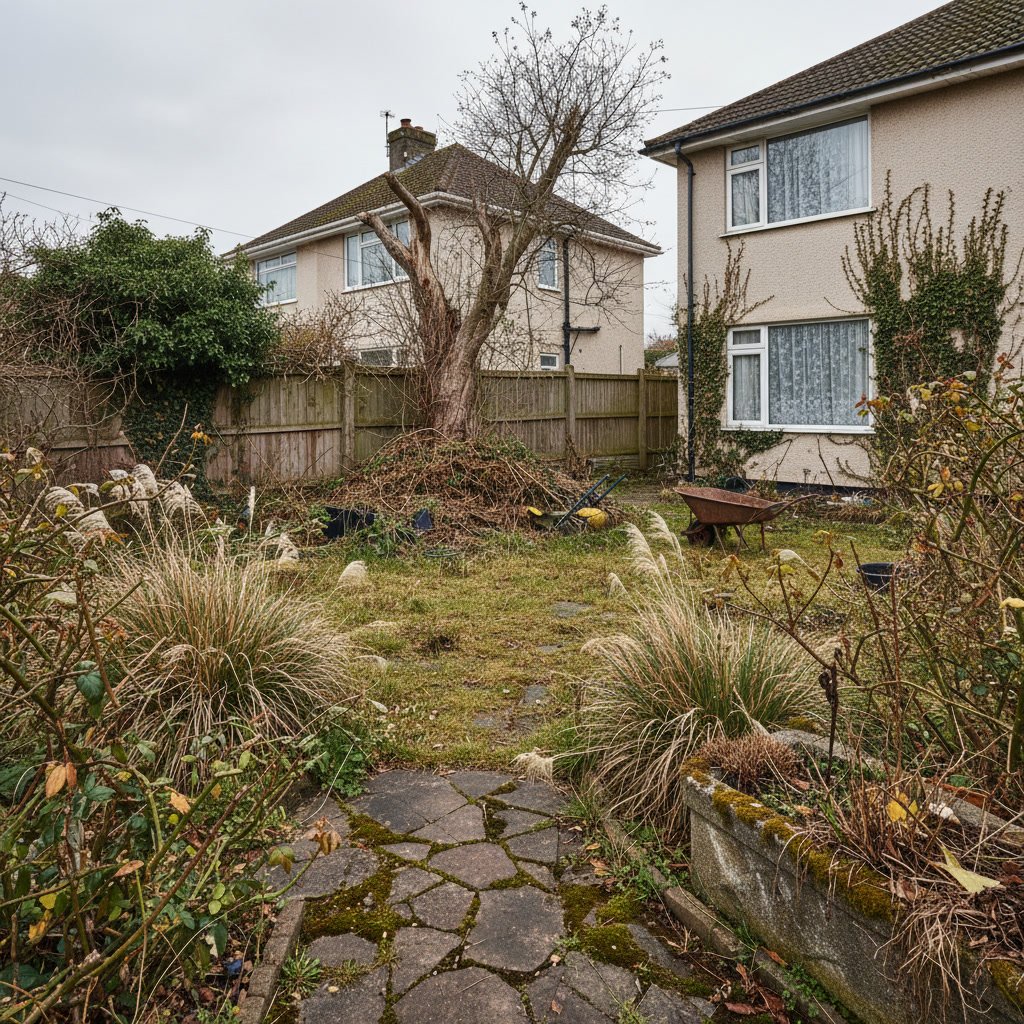
A neglected yard shows clear signs of abandonment or minimal care over an extended period. Overgrown grass often reaches heights of 8 to 12 inches or more, creating an uneven appearance and harboring pests. Dead branches accumulate on lawns and in beds. Weeds dominate flower beds and creep into hardscapes. Property lines blur as volunteer trees and invasive plants spread unchecked.
Foundation plantings become overgrown and press against siding or windows. Mulch beds disappear under layers of leaves and debris, exposing soil to erosion. Irrigation systems fail without anyone noticing. The overall effect communicates neglect to neighbors and potential buyers, directly impacting property values in the surrounding area.
The Initial Assessment Process
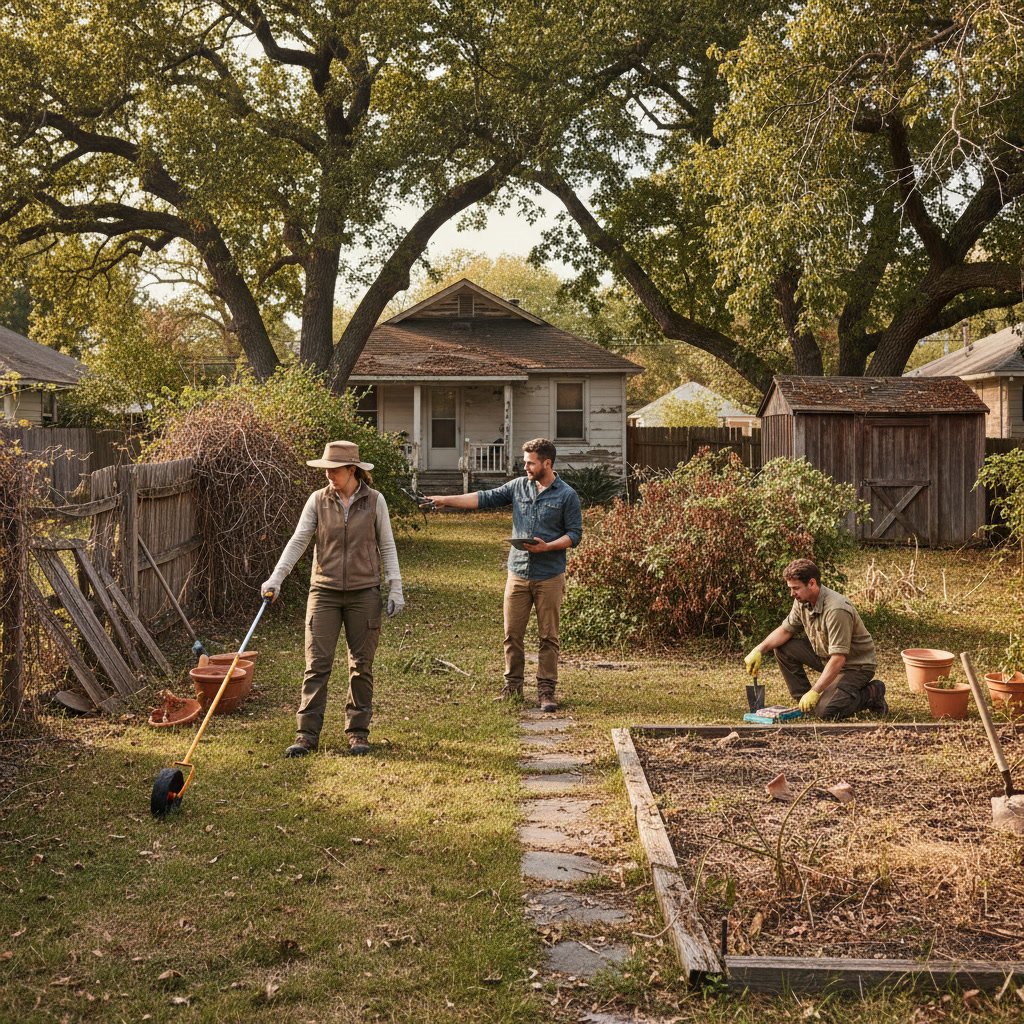
The transformation begins with a thorough property evaluation. Trained professionals walk every section of the yard, documenting existing conditions and identifying both problems and opportunities. They check soil health, drainage patterns, and sun exposure throughout the day. Existing plants are evaluated for health and viability rather than automatically removed.
This assessment reveals hidden issues that untrained eyes miss. Compacted soil prevents healthy root growth even after surface cleanup. Grading problems direct water toward foundations instead of away. Diseased trees pose safety hazards. The assessment creates a detailed roadmap that prioritizes tasks based on urgency, season, and budget.
Clearing Away Years of Debris and Growth
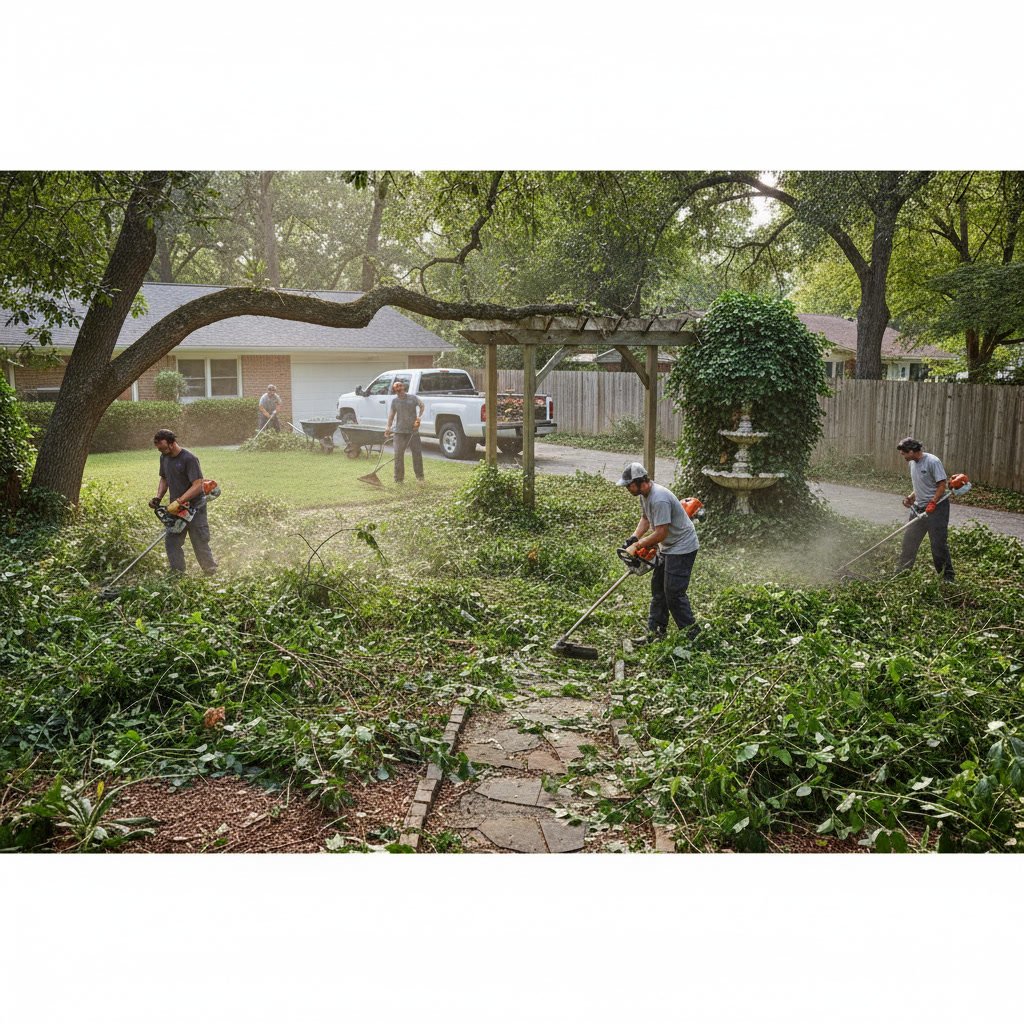
The first physical step involves removing accumulated debris and cutting back overgrown vegetation. This phase often fills multiple truckloads with branches, leaves, old mulch, and unwanted growth. Dead or hazardous trees come down first, followed by removal of stumps that block future landscaping plans.
Professionals use commercial equipment that handles large-scale cleanup efficiently. What might take a homeowner weeks of weekend work gets completed in days. The yard cleanup process reveals the true bones of the property, showing what assets remain and what spaces are available for redesign.
Restoring Soil Health and Proper Grading in Parkville
Healthy landscapes require healthy soil as their foundation. After clearing, professionals address soil compaction through core aeration, which removes plugs of soil to improve oxygen, water, and nutrient penetration. Soil testing reveals pH imbalances and nutrient deficiencies that need correction before new plantings can thrive.
Grading corrections prevent future problems. Water should flow away from structures at a slope of at least one inch per four feet of horizontal distance. Low spots that collect standing water get filled and regraded. High spots that cause runoff get leveled. This unglamorous work prevents basement flooding, foundation damage, and plant loss during heavy Missouri rains.
The Five-Stage Lawn Recovery Plan
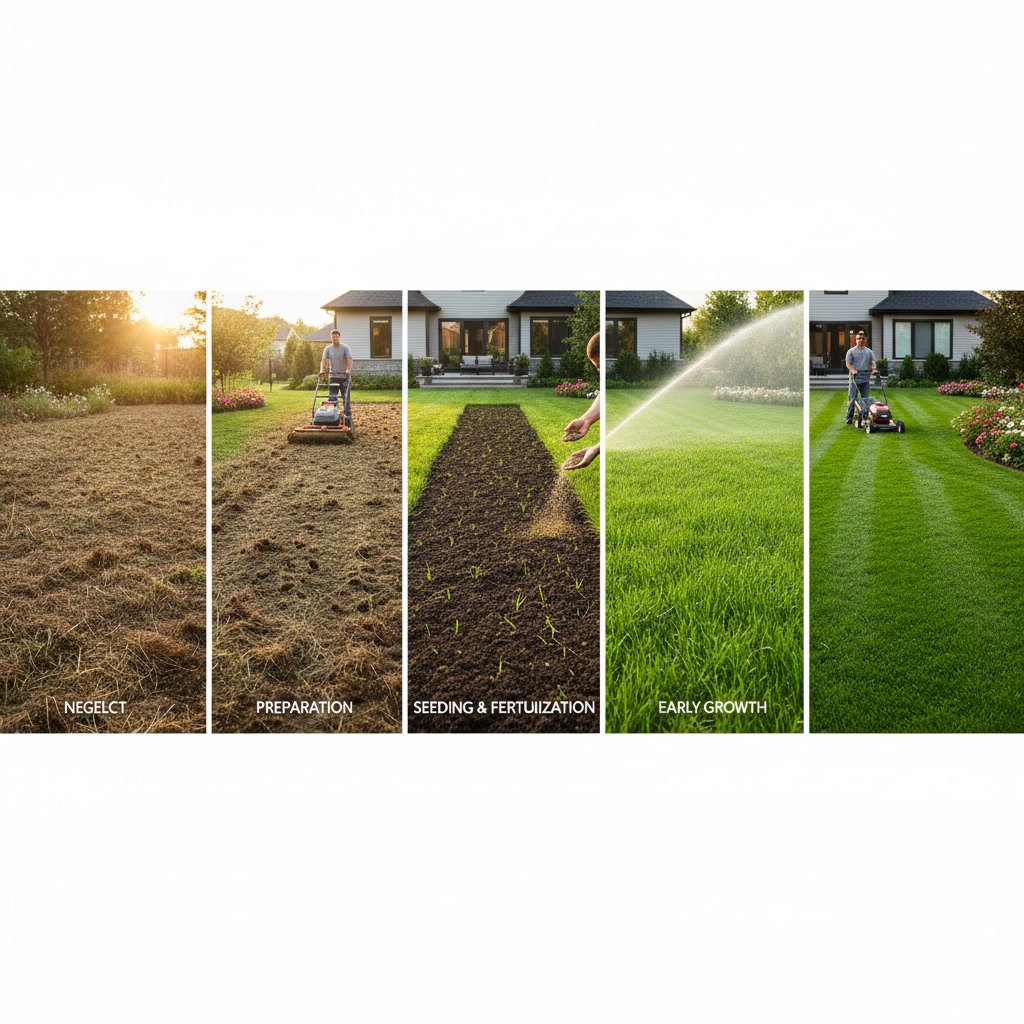
Bringing a neglected lawn back to health follows a specific sequence that professionals refine over years of experience. First, the lawn gets cut to proper height gradually, never removing more than one-third of the blade length at once to avoid shocking the grass. Second, thatch buildup over half an inch thick gets removed through dethatching to allow water and nutrients to reach roots.
Third, overseeding introduces newer grass varieties that resist disease and drought better than older strains. Fourth, starter fertilizer feeds new seedlings without burning existing grass. Fifth, consistent watering schedules keep soil moist but not saturated during the critical 21-day germination period. This systematic approach yields dense, healthy turf within 60 to 90 days under proper conditions.
Pruning and Saving Existing Plants
Many neglected properties contain valuable mature plants that just need proper care. Overgrown shrubs respond well to rejuvenation pruning, which removes up to one-third of old growth to stimulate fresh, healthy branches. Timing matters significantly, with spring-blooming shrubs pruned right after flowering and summer bloomers cut back in late winter.
Trees benefit from crown thinning that removes crossing branches, deadwood, and growth that blocks sunlight from reaching lower plantings. Proper pruning cuts heal quickly and don’t leave ugly stubs. The cost savings from salvaging existing mature plants instead of replacing them often exceeds thousands of dollars while maintaining the established character of the property.
Strategic Replanting and Design Implementation
Once the canvas is clean and prepared, new plantings follow design principles that create year-round interest. Layering places taller plants in back, medium heights in the middle, and low growers in front for depth and visibility. Repetition of key species creates unity without monotony. Color schemes follow either complementary or analogous palettes that look intentional rather than random.
Plant selection matches site conditions instead of fighting them. Shade-tolerant hostas and ferns fill areas under tree canopies. Drought-resistant sedums and ornamental grasses thrive in hot, dry spots. Native Missouri plants require less maintenance and support local pollinators. The landscaping services professionals provide ensure plants go into properly prepared holes with amended soil and correct planting depth.
Installing Hardscape Elements and Borders
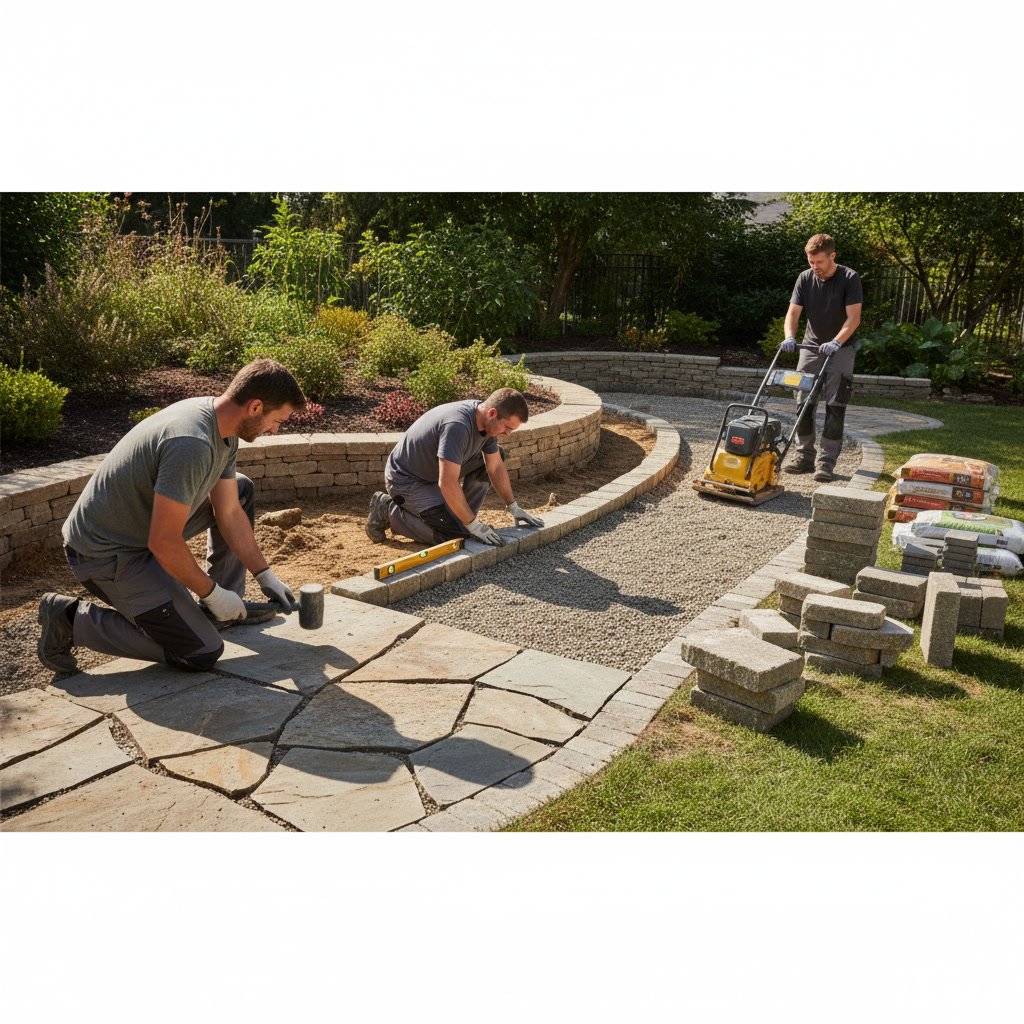
Hardscaping defines spaces and reduces maintenance requirements over time. Edging creates clean lines between lawn and beds, preventing grass invasion and making mowing easier. Materials range from simple plastic barriers buried at soil level to decorative stone or metal edging that adds visual interest.
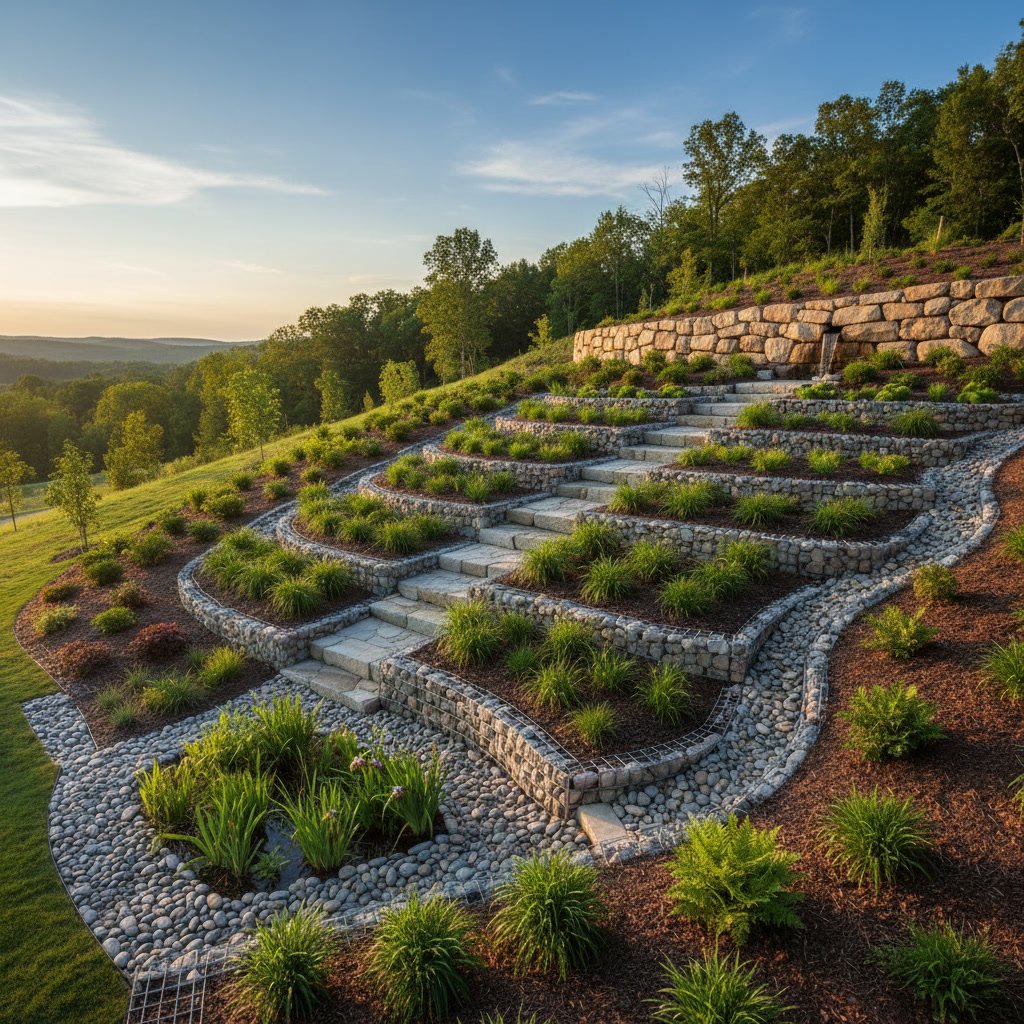
Pathways guide foot traffic away from planted areas and prevent soil compaction. Properly installed pavers or flagstones rest on compacted gravel bases that prevent shifting and settling. Retaining walls terrace sloped areas, creating level planting beds and preventing erosion. These permanent features add structure that looks better with age rather than deteriorating like neglected yards do.
Mulching and Final Finishing Details
Fresh mulch serves multiple functions beyond appearance. A three-inch layer suppresses weed growth by blocking sunlight from weed seeds. It moderates soil temperature, keeping roots cooler in summer and warmer in winter. Organic mulches break down over time, adding nutrients and improving soil structure.
The type of mulch matters for different applications. Shredded hardwood bark works well in beds and around trees. Cedar mulch repels certain insects naturally. Stone mulch suits contemporary designs and areas where bark would wash away. Proper mulch installation keeps material three inches away from plant stems and tree trunks to prevent rot and pest problems.
Establishing a Maintenance Schedule
Transformation work means little without ongoing care to preserve results. A maintenance schedule prevents the property from sliding back into neglect. Weekly mowing during growing season keeps grass healthy and attractive. Monthly bed inspections catch weed problems before they spread. Quarterly fertilization provides nutrients that natural processes deplete.
Seasonal tasks align with plant needs and Missouri weather patterns. Spring calls for pre-emergent applications that stop crabgrass before it starts. Fall demands leaf removal and final mowing before winter. The outdoor landscape maintenance approach treats the property as a living system that requires consistent attention rather than sporadic interventions.
Your Path to a Revitalized Outdoor Space
The transformation from neglected to beautiful follows proven steps that address immediate eyesores while building long-term health. Each phase prepares the ground for the next, creating compound improvements that exceed the sum of individual tasks. Properties that seemed beyond hope become neighborhood highlights within a single growing season when professionals apply systematic expertise.
All Season Lawn and Landscaping LLC has guided hundreds of properties through this transformation process since 2008, bringing expertise refined across thousands of hours in the field. Your neglected yard contains hidden potential waiting for the right approach to reveal it. Reach out to discuss how your property can follow this proven path to lasting beauty at +18163633203.