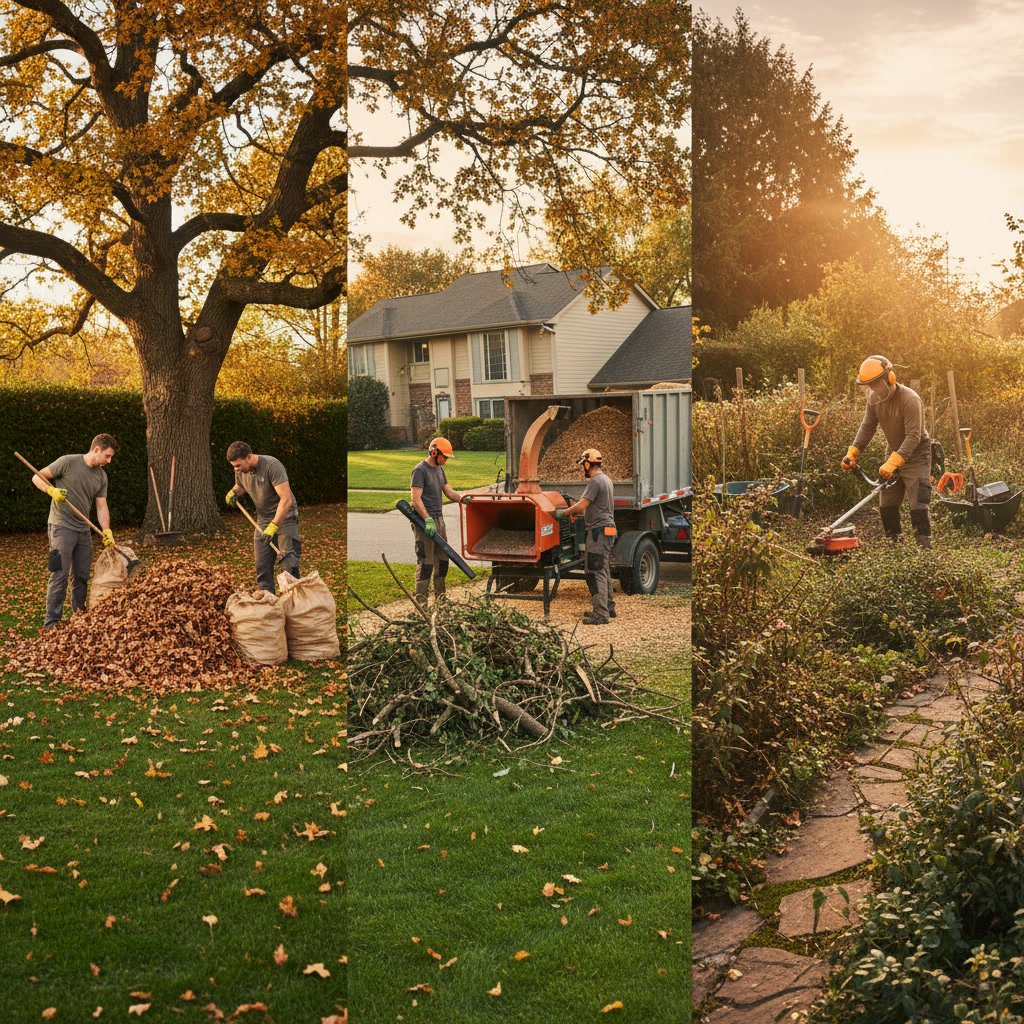
Your yard accumulates different kinds of debris, waste, and overgrowth throughout the year. Each situation calls for a specific approach, and knowing which type of cleanup service you need saves time, money, and prevents damage to your landscape. Understanding the various types of yard cleanup helps you schedule the right service at the right time, keeping your property healthy and attractive in every season.
Most homeowners recognize when their yard looks messy, but many don’t realize that different cleanup situations require different tools, techniques, and timing. Using the wrong approach can damage plants, compact soil, or leave problems that worsen over time.
Seasonal Yard Cleanup Services
Seasonal cleanups align with nature’s calendar and address the specific debris and growth patterns that occur during spring, fall, and sometimes late winter. These are the most common types of yard cleanup that property owners schedule on a regular basis.
Spring Cleanup
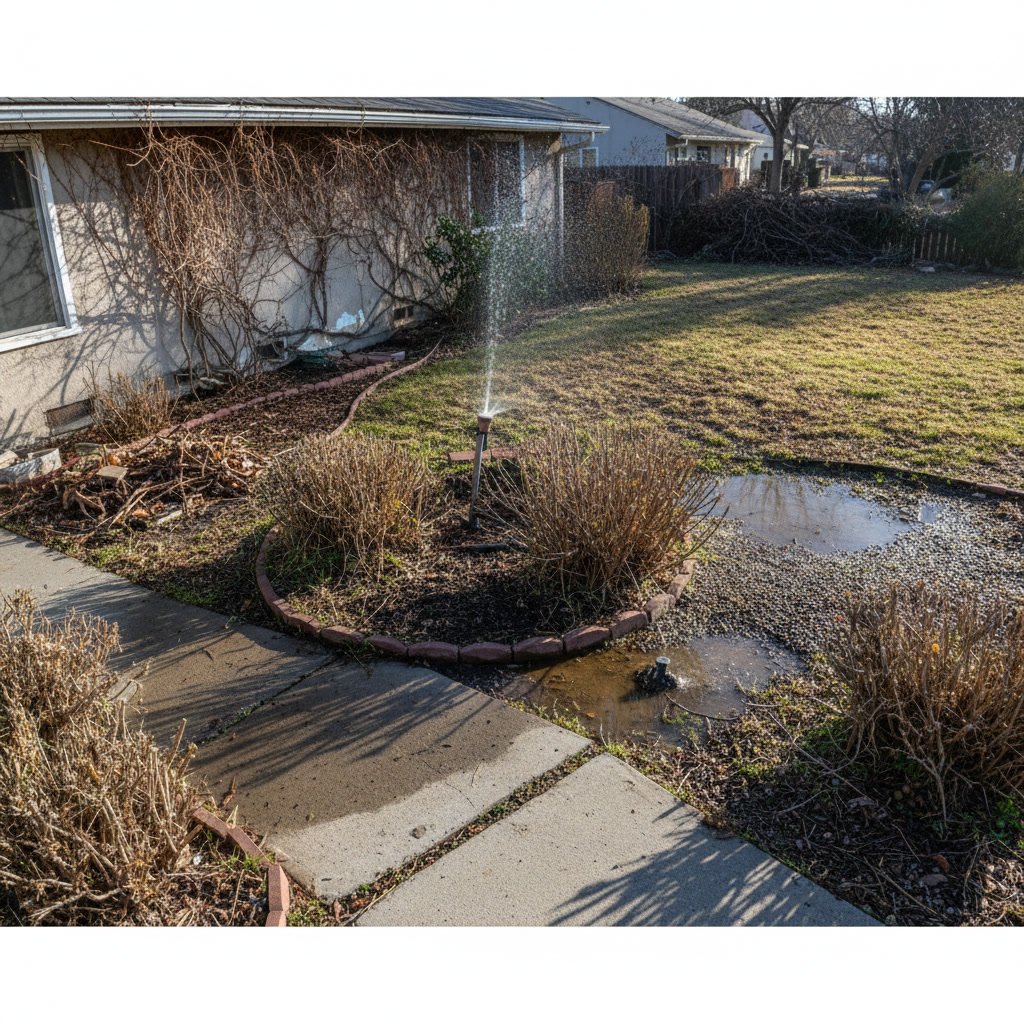
Spring cleanup removes winter debris and prepares your landscape for active growing months. This service typically includes removing dead leaves that settled over winter, cutting back perennial stems that died back in fall, clearing debris from flower beds, and raking thatch from lawn areas.
You’ll need spring cleanup between March and early May in the Kansas City area, depending on when the ground thaws and before new growth fully emerges. This timing matters because cleaning too early can damage frozen plants, while waiting too long means working around delicate new shoots.
Spring cleanup also addresses damage that winter weather caused but you couldn’t see under snow cover. Broken branches, heaved mulch, and erosion damage all become visible as temperatures rise.
Fall Cleanup
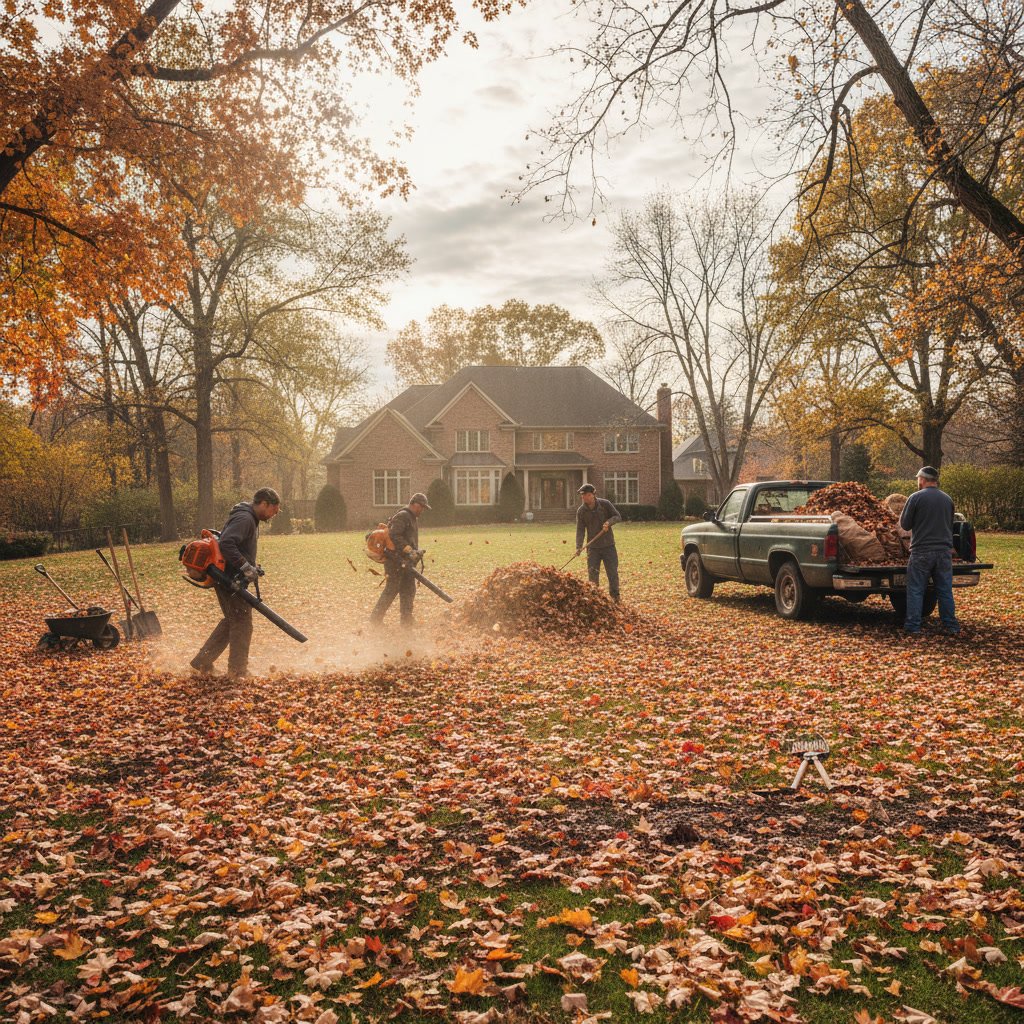
Fall cleanup focuses on leaf removal and preparing landscapes for winter dormancy. Most properties in Parkville, Liberty, and surrounding areas need multiple visits during October and November as trees drop leaves in waves.
This service includes removing fallen leaves from lawns, beds, and hardscapes, cutting back spent annuals and perennials, removing dead plant material that harbors pests, and cleaning gutters filled with leaf debris. Many property owners also include mulch refreshing and final mowing as part of fall cleanup.
Leaving thick leaf layers on your lawn through winter blocks sunlight and traps moisture, creating perfect conditions for snow mold and other fungal diseases. Regular fall cleanup through the entire leaf-drop season prevents these problems.
Storm and Weather Damage Cleanup
Severe weather creates immediate cleanup needs that can’t wait for your regular maintenance schedule. Storm damage cleanup addresses hazards and prevents secondary damage to your property.
This service becomes necessary after high winds, ice storms, heavy snow, or severe thunderstorms. The typical scope includes removing fallen branches and limbs, clearing broken trees or large sections that pose safety risks, hauling away storm-damaged plants, and removing debris scattered across the property.
Storm cleanup requires immediate attention when branches block driveways or walkways, when damaged limbs hang precariously and could fall, or when debris covers large sections of your lawn and might smother grass if left in place. Properties in Gladstone and Weatherby Lake face these situations several times per year during Missouri’s active storm seasons.
Professional storm cleanup also assesses what damage occurred beyond the obvious debris. Soil compaction from heavy equipment, broken irrigation lines, and stress to remaining plants all need evaluation after major weather events.
Pro Tip: Take photos of storm damage before cleanup begins. These images document the extent of damage for insurance claims and help professionals assess what restoration work your landscape needs.
New Construction and Renovation Cleanup
Construction projects leave behind specific types of debris that regular yard cleanup services don’t address. This specialized cleanup prepares disturbed ground for new landscaping or restores existing landscape areas damaged during building work.
You need construction cleanup after building additions, pool installations, fence projects, deck construction, or utility work that disturbed your yard. The service typically includes removing construction debris like wood scraps, concrete chunks, and metal pieces, clearing compacted soil paths where equipment traveled, removing weeds that colonized bare ground, and hauling away excess fill dirt or gravel.
Construction cleanup often reveals soil problems that need correction before new planting. Compaction from heavy equipment, contamination from spilled materials, and grade changes all affect what grows successfully after the project ends.
This cleanup differs from other types because it often requires coordination with landscaping services to restore or redesign affected areas. Simply removing debris leaves bare ground that needs soil amendment, grading, and replanting.
Overgrowth and Neglected Property Cleanup
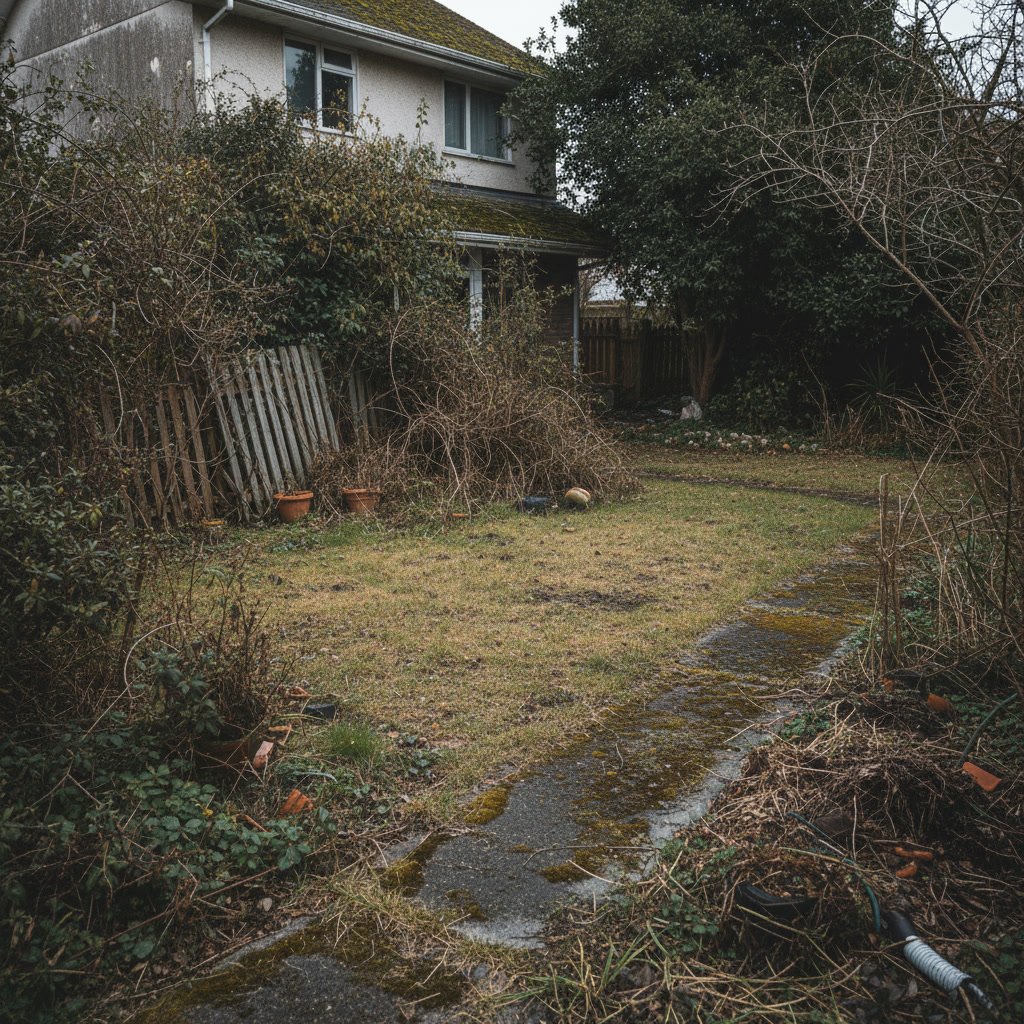
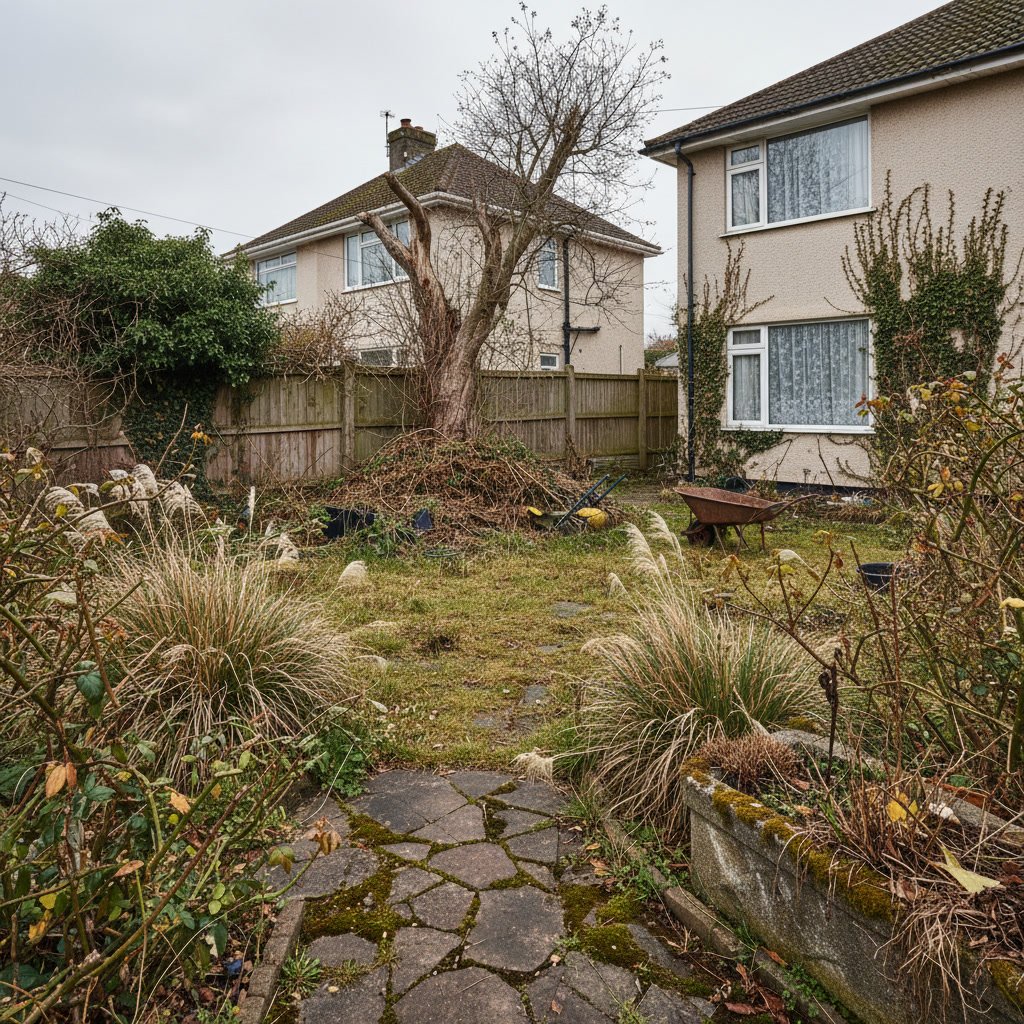
Properties that went without maintenance for extended periods need intensive cleanup that goes beyond seasonal service. This type addresses years of accumulated growth, invasive plants, and structural landscape problems.
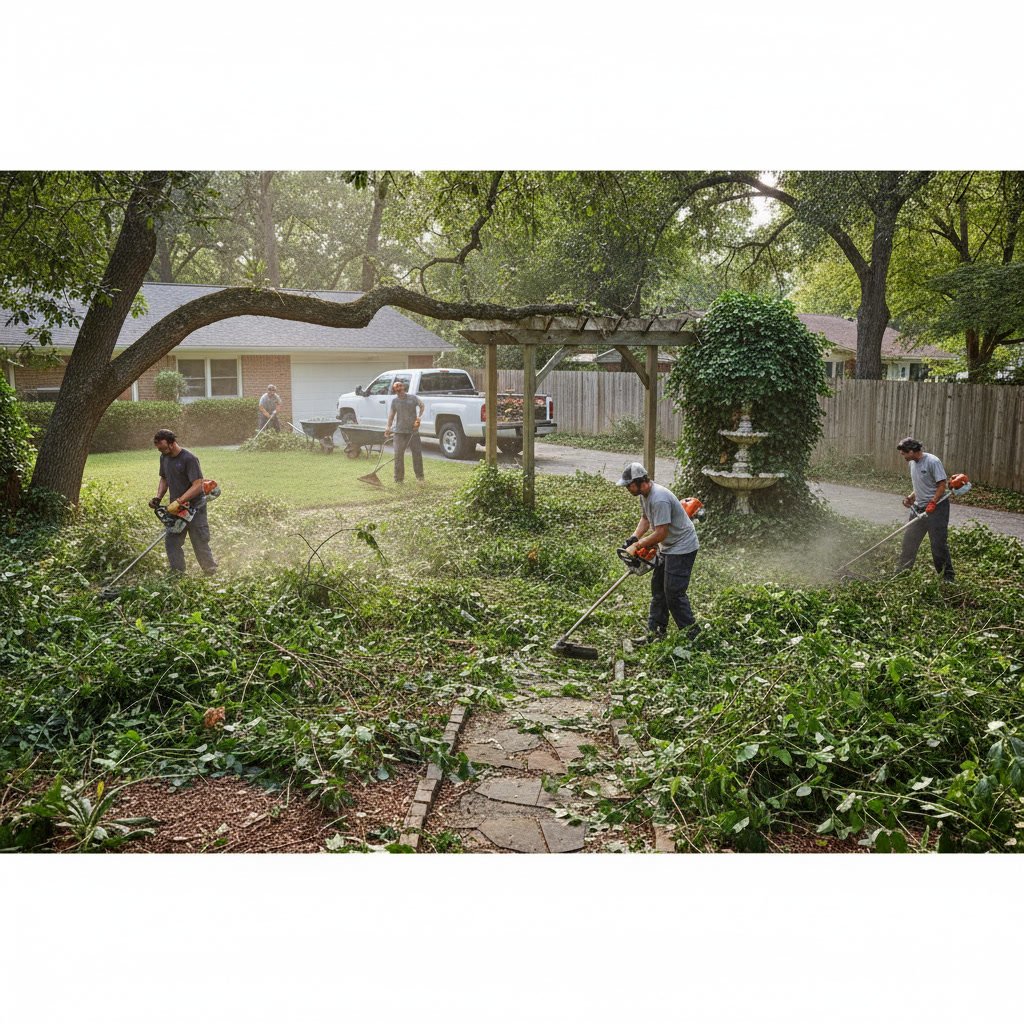
Overgrowth cleanup becomes necessary when purchasing a neglected property, taking over an estate, or recovering from a period when maintenance couldn’t happen due to health issues or other circumstances. The work includes clearing volunteer trees and brush, removing invasive species like bush honeysuckle or Bradford pears, cutting back severely overgrown shrubs, clearing vines from trees and structures, and removing years of accumulated leaf litter and debris.
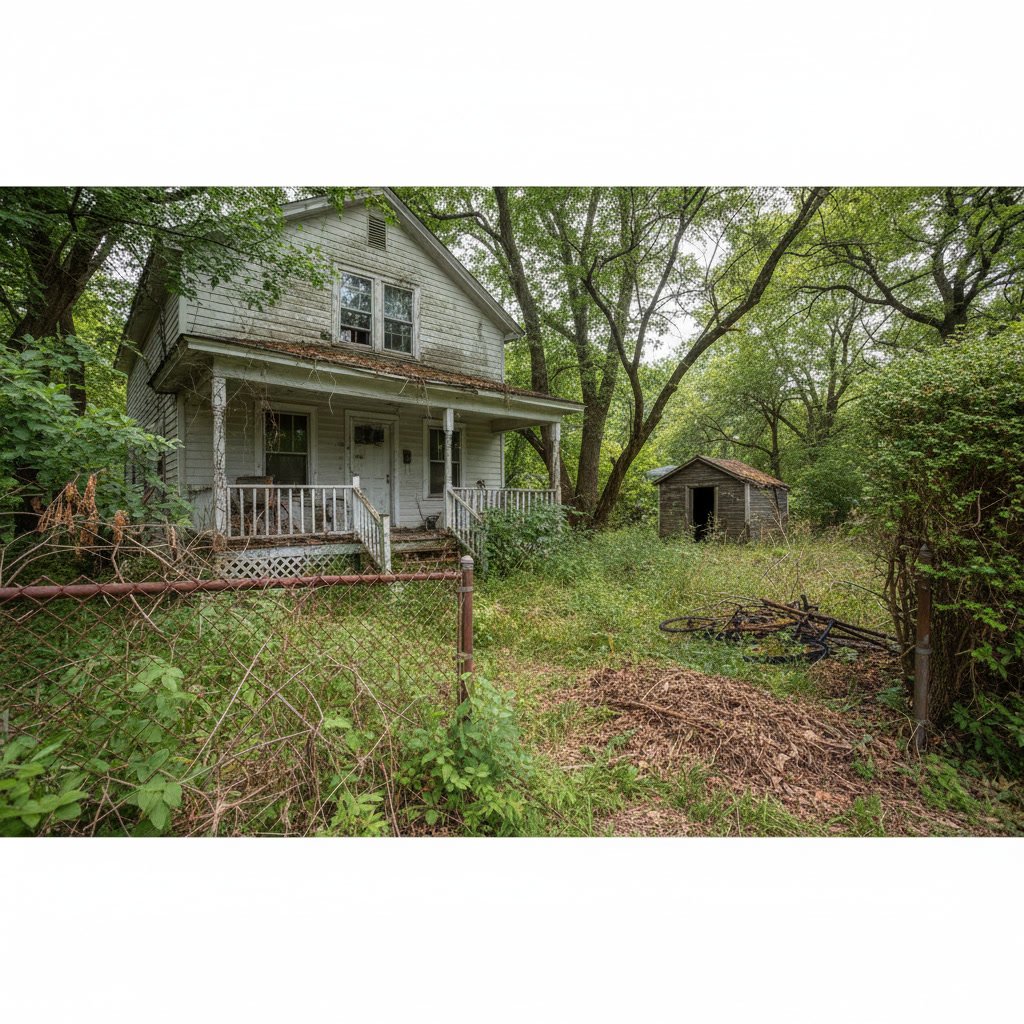
This cleanup type requires more time and heavier equipment than regular maintenance. Properties might need multiple visits as crews work through layers of growth and reveal additional problems. Overgrowth often hides damaged fences, broken hardscapes, and drainage issues that become apparent only after clearing the excess vegetation.
Many property owners combine overgrowth cleanup with outdoor landscape maintenance plans to prevent the property from returning to an overgrown state. Regular maintenance after intensive cleanup costs far less than repeated full-scale restoration.
Landscape Bed Renovation Cleanup
Renovating tired landscape beds requires specific cleanup that prepares the area for new design and planting. This service sits between regular maintenance and full landscape renovation.
You need bed renovation cleanup when existing plants outgrew their space, when bed design no longer matches your home’s style, when soil quality degraded from years of use, or when you want to start fresh with a new planting plan. The process includes removing old plants you no longer want, clearing degraded mulch that accumulated over years, digging out perennial weeds and their root systems, and amending soil depleted by previous plantings.
This cleanup type often coordinates with professional landscape design. Understanding what happens during a professional landscape design consultation helps you plan renovation cleanup timing so beds are ready when new plants arrive.
Bed renovation cleanup takes more time than simple seasonal maintenance but costs less than full landscape installation because you’re working with existing bed structure. The goal is creating clean, properly prepared planting areas that give new landscaping the best start possible.
Debris Removal and Dumping Services
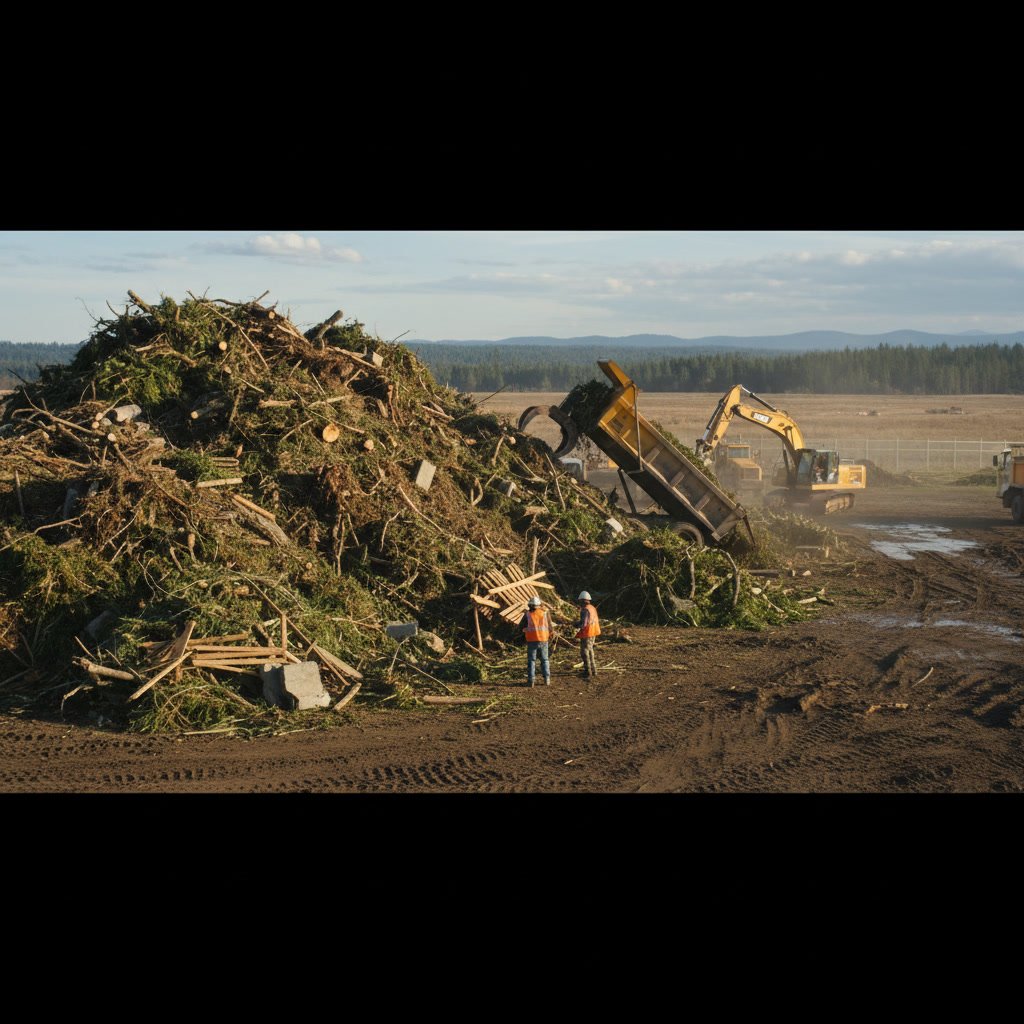
Pure debris removal focuses on hauling away materials after you or other contractors complete the physical cleanup work. This service makes sense when you handle light cleanup yourself but lack the truck capacity or disposal site access for the resulting debris.
Common debris removal situations include hauling away bagged leaves you raked yourself, removing brush piles from property clearing, taking away old mulch from bed renovation, disposing of storm debris you moved to the curb, and removing soil, rocks, or other materials from landscaping projects.
Most professional services charge by volume or weight for debris-only removal. You’ll see pricing based on truck loads, with typical rates varying by material type. Organic materials like leaves and brush cost less to dispose than mixed construction debris.
Combining debris removal with full-service cleanup usually provides better value. Professional crews work more efficiently with appropriate equipment and complete both collection and disposal in a single visit.
Regular Maintenance Cleanup
Regular maintenance includes ongoing light cleanup that prevents debris buildup between major seasonal services. This type of yard cleanup happens during routine visits and keeps properties consistently neat.
Maintenance cleanup tasks include removing grass clippings from hardscapes after mowing, clearing small amounts of debris from beds during weeding, blowing leaves from walkways and patios between major fall cleanups, and picking up branches and twigs that fall during normal weather. These tasks integrate into standard lawn maintenance rather than requiring separate service calls.
Properties enrolled in ongoing maintenance programs stay cleaner and need less intensive seasonal work. Regular attention prevents small problems from growing into larger, more expensive issues. Most maintenance plans include weekly or biweekly visits during the growing season, with adjustments for seasonal needs.
Understanding the full scope of professional lawn maintenance services helps you determine whether regular programs meet your needs or whether you prefer scheduling specific cleanup types as needed throughout the year.
Key Takeaway: Properties that receive consistent maintenance throughout the growing season typically spend 30 to 40 percent less annually on yard care than properties that only schedule cleanup when problems become severe.
When to Schedule Each Type of Cleanup
Timing affects both the cost and effectiveness of different types of yard cleanup. Understanding optimal scheduling helps you maintain your property efficiently.
Schedule spring cleanup after the ground thaws completely but before perennials emerge more than 2 to 3 inches. In the Kansas City area, this window typically opens in mid-March and closes by late April. Early scheduling prevents working around delicate new growth.
Fall cleanup requires multiple scheduling decisions as trees drop leaves over six to eight weeks. Plan your first cleanup for mid-October, with follow-up visits every two to three weeks until trees finish dropping. The final cleanup should happen before the first hard freeze, usually late November.
Storm cleanup needs immediate scheduling after severe weather. Contact professionals the same day if damage creates safety hazards or within 48 hours for non-emergency storm debris. Quick response prevents secondary damage and gets your property functioning normally faster.
Overgrowth cleanup works best in late winter or early spring before birds nest and while dormant plants tolerate aggressive cutting. This timing also reveals the full extent of work needed before new growth obscures problem areas.
Bed renovation cleanup coordinates with planting schedules. Complete renovation cleanup two to four weeks before scheduled planting to allow amended soil to settle and give you time to address unexpected problems the cleanup reveals.
Frequently Asked Questions
How much does yard cleanup cost compared to regular lawn mowing?
Yard cleanup typically costs two to four times more per visit than basic mowing because it requires more labor, specialized equipment, and debris disposal. A standard mowing might cost 35 to 50 dollars per visit, while seasonal cleanup ranges from 150 to 400 dollars depending on property size and debris volume. Properties with regular maintenance need less intensive seasonal cleanup, which reduces those periodic costs.
Can I schedule multiple types of yard cleanup in one visit?
Yes, combining cleanup types in a single visit often saves money and time. Spring cleanup frequently includes bed renovation for select areas, while fall cleanup can address storm damage that occurred during summer. Discuss your complete needs during scheduling so crews bring appropriate equipment and allocate sufficient time for all work.
How do I know if I need professional cleanup or if I can handle it myself?
Consider professional service when debris volume exceeds what you can handle with available tools, when work requires equipment you don’t own like chippers or dump trucks, when projects involve heavy materials that risk injury, or when time constraints prevent you from completing work during optimal weather windows. Small properties with minimal debris often work well for DIY cleanup, while larger properties or intensive projects benefit from professional efficiency.
What happens to debris after yard cleanup?
Professional services typically compost organic materials like leaves and grass clippings, chip woody debris into mulch material, recycle clean soil and rock materials, and dispose of contaminated or non-organic materials at appropriate facilities. Reputable companies never illegally dump yard waste and should provide documentation of proper disposal if you request it.
Do different types of yard cleanup require different equipment?
Yes, equipment varies significantly by cleanup type. Seasonal cleanups use leaf blowers, rakes, and bagging equipment. Storm damage requires chainsaws, chippers, and sometimes bucket trucks for high branches. Overgrowth cleanup needs brush cutters, stump grinders, and heavy-duty hauling equipment. Professional services match equipment to each specific job type, which is one reason they complete work more efficiently than homeowners using general-purpose tools.
Matching Cleanup Type to Your Property’s Needs
Your property’s specific conditions determine which types of yard cleanup you need and how often. Heavily wooded lots require intensive fall cleanup and regular storm debris removal. Properties with extensive landscaping beds benefit from spring and fall cleanup plus periodic bed renovation. New construction sites need one-time intensive cleanup followed by establishment of regular maintenance schedules.
Most residential properties in Parkville, Weatherby Lake, Gladstone, and Liberty need at minimum spring and fall seasonal cleanups plus occasional storm cleanup. Adding regular maintenance visits between major cleanups keeps properties consistently attractive and reduces the intensity of seasonal work.
Evaluating your property honestly helps you budget appropriately and schedule services when they provide maximum benefit. Properties that skip seasonal cleanup often face compounding problems that eventually require expensive overgrowth cleanup to correct.
All Season Lawn and Landscaping LLC provides all types of yard cleanup services throughout the Kansas City area, matching the right service to your property’s specific needs. Whether you need seasonal maintenance, storm damage cleanup, or intensive property restoration, our team brings appropriate equipment and expertise to every job. Call +18163633203 to discuss which cleanup services your property needs and schedule service at the optimal time for best results.