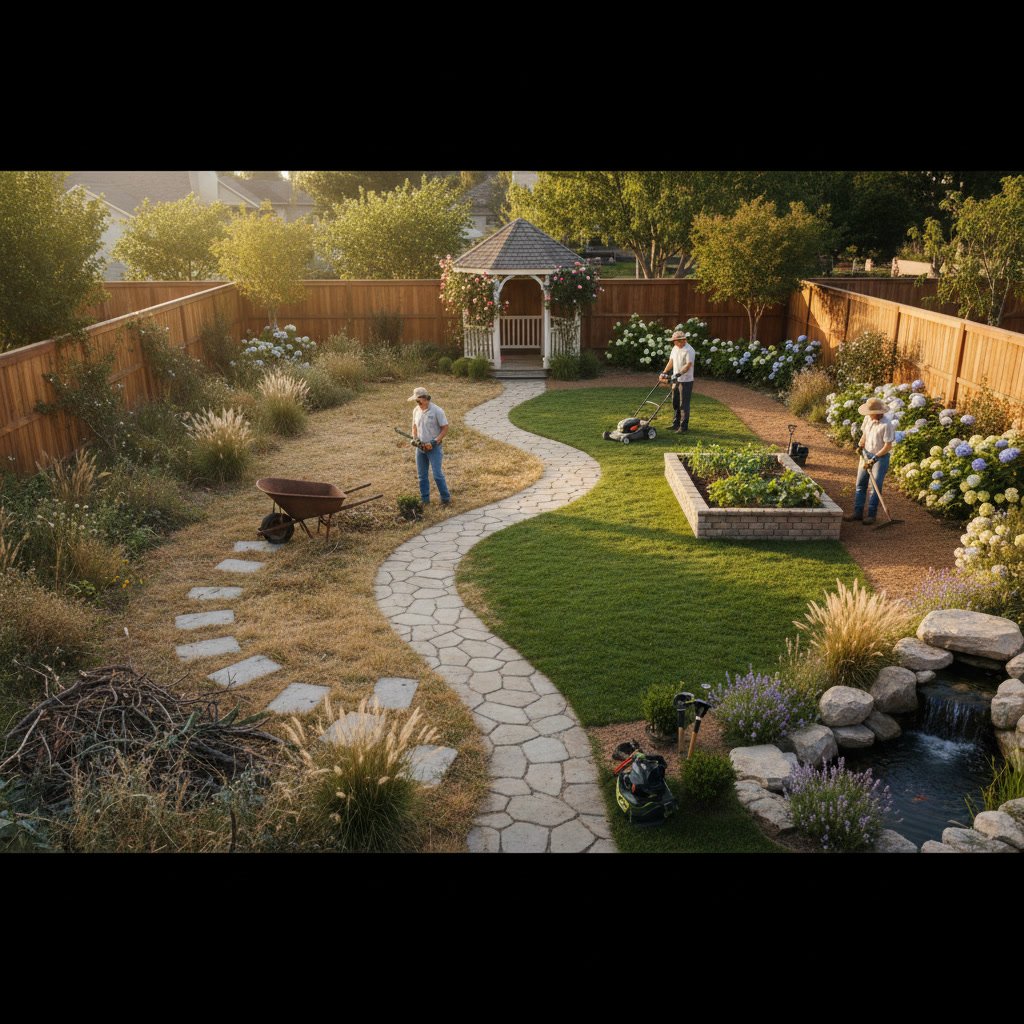
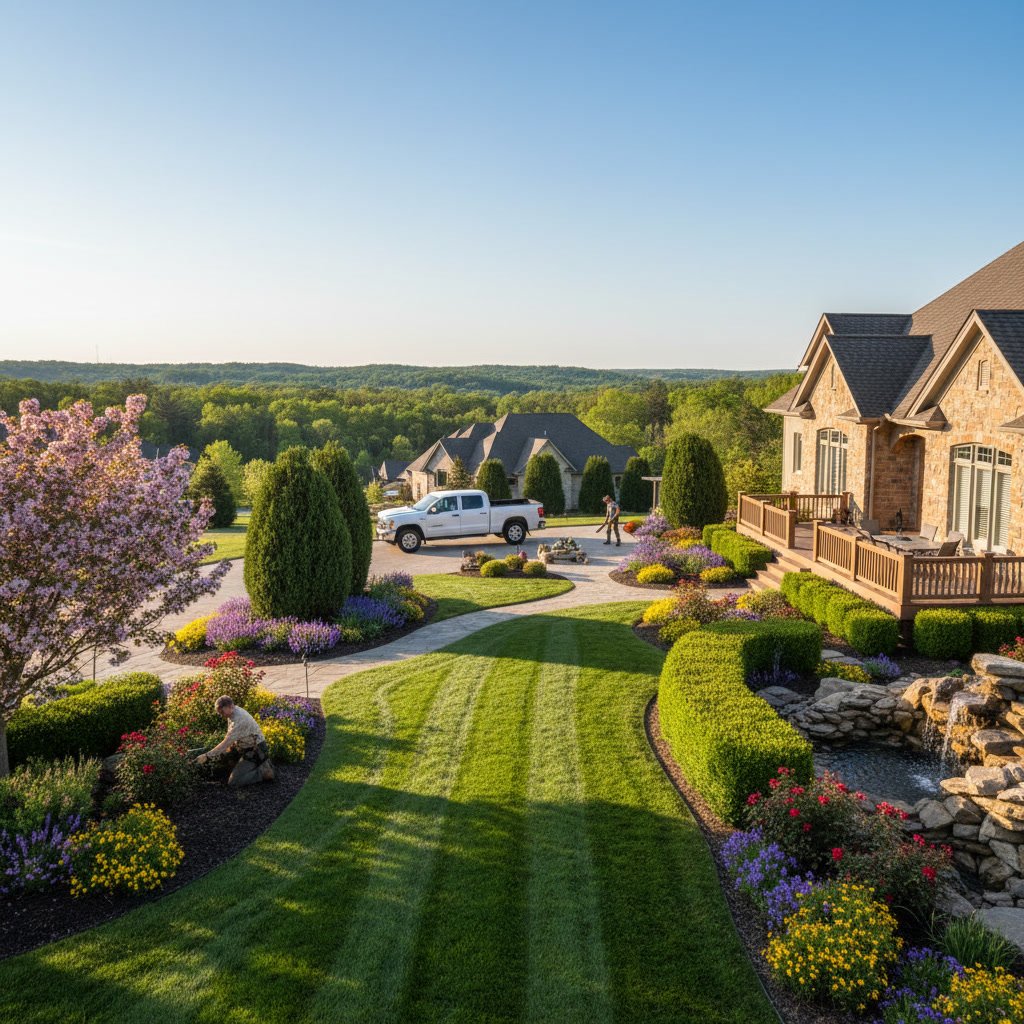
Your property’s exterior is the first thing buyers notice, and professional landscape maintenance Parkville homeowners invest in can return 100% to 200% of costs in added home value. While kitchen renovations and bathroom upgrades get plenty of attention, the outdoor spaces often deliver stronger returns with lower upfront investment. The right combination of regular care and strategic improvements transforms a standard yard into a compelling feature that commands higher offers.
This guide breaks down the specific maintenance practices and design choices that appraisers and buyers value most. You’ll learn which tasks deliver the best return, how to prioritize your budget, and what separates a well-maintained landscape from one that actively hurts resale value.
Why Landscape Quality Directly Affects Property Value
Real estate professionals consistently report that curb appeal influences buyer decisions within the first eight seconds of arrival. A study by the National Association of Realtors found that quality landscaping can add 5% to 12% to a home’s value, translating to $15,000 to $36,000 on a $300,000 property.
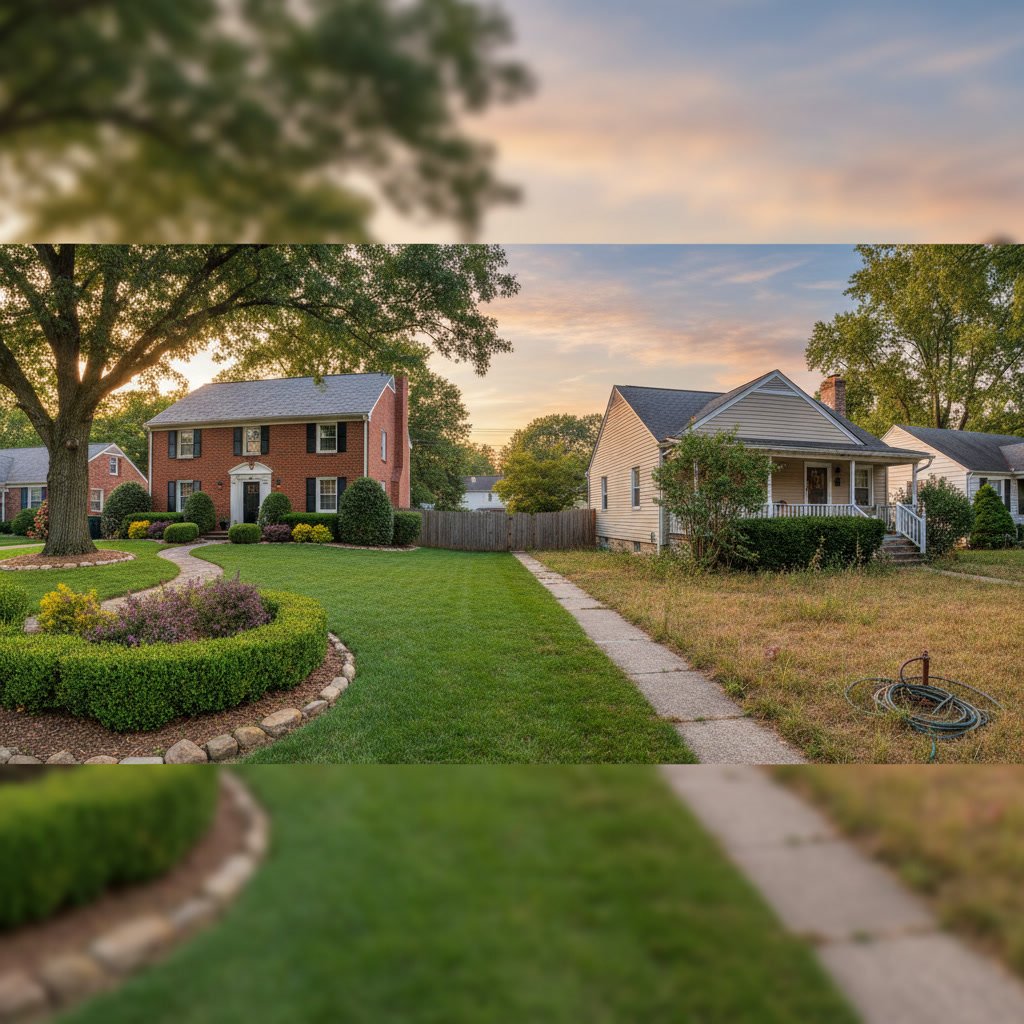
Appraisers factor landscape condition into their assessments through direct comparison with similar properties. A home with mature trees, healthy turf, and well-defined beds will appraise higher than an identical home with neglected grounds. Beyond the numbers, buyers emotionally connect with properties that feel move-in ready, and a maintained landscape signals that the entire property received proper care.
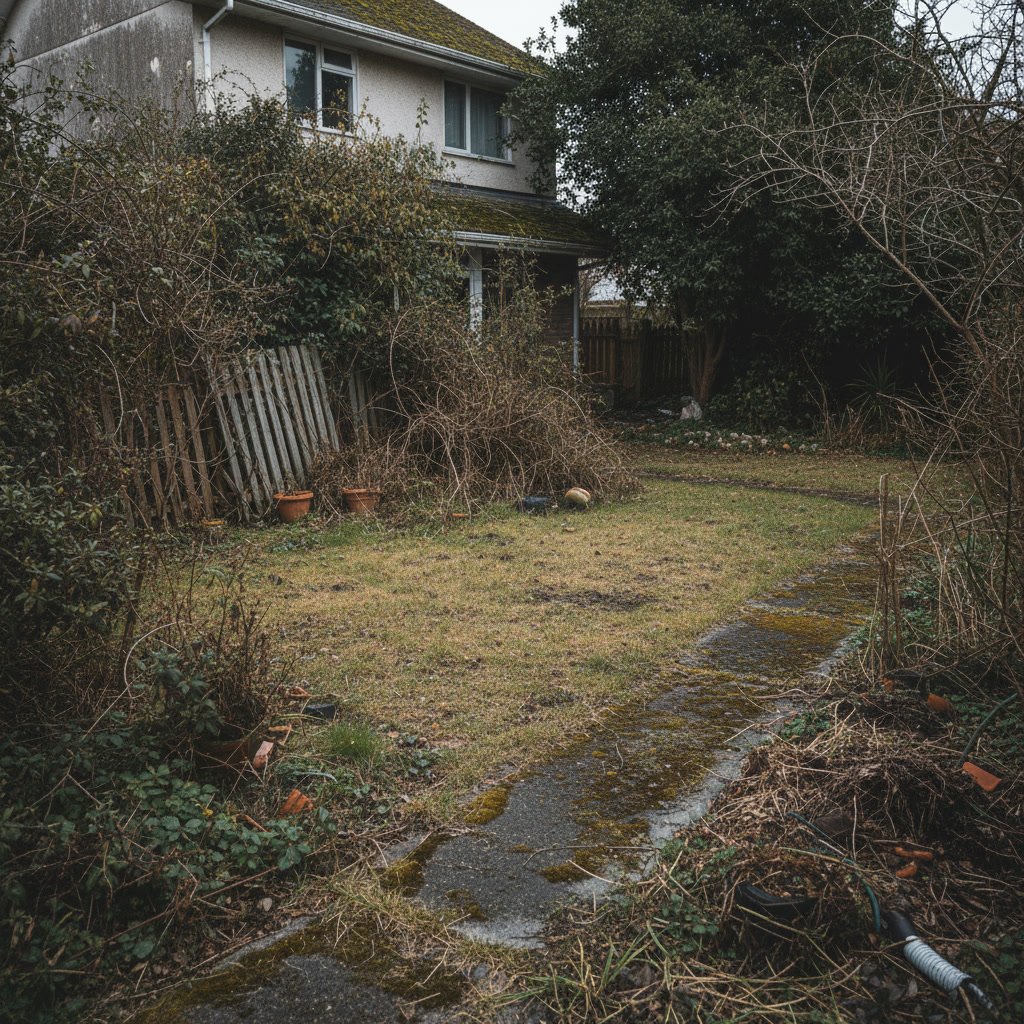
The investment doesn’t require elaborate water features or expensive hardscaping. Consistent outdoor landscape maintenance that keeps lawns healthy, beds mulched, and trees pruned delivers measurable returns. Neglect, conversely, can reduce offers by similar percentages as buyers mentally calculate the cost and effort to restore the landscape.
Foundation Maintenance That Protects Your Investment
Before considering design upgrades, address the essential maintenance tasks that prevent value loss. These foundational practices keep your landscape healthy and signal to buyers that the property was properly cared for.
Regular Lawn Care and Turf Health
A dense, weed-free lawn remains one of the highest-value landscape features. Buyers expect healthy grass, and patchy or weed-dominated turf immediately raises concerns about overall property maintenance. Professional lawn care programs that include fertilization, aeration, and weed control typically cost $400 to $800 annually but can add several thousand dollars to perceived value.
Consistent mowing at the correct height for your grass type prevents stress and encourages root development. Cool-season grasses common in the Parkville area should be maintained at 2.5 to 3.5 inches. Cutting too short weakens the turf and invites weeds, while irregular mowing creates an unkempt appearance that buyers notice immediately.
Tree and Shrub Care
Mature trees can add $1,000 to $10,000 to property value depending on species, size, and placement. However, unmaintained trees with dead branches, disease, or structural issues become liabilities. Annual pruning removes hazards, improves structure, and enhances appearance.
Shrubs that have outgrown their spaces or developed awkward shapes detract from curb appeal. Proper pruning maintains natural form while keeping plants within their intended footprint. Overgrown foundation plantings that obscure windows or crowd entryways create a claustrophobic feel that buyers instinctively dislike.
Seasonal Cleanup and Debris Removal
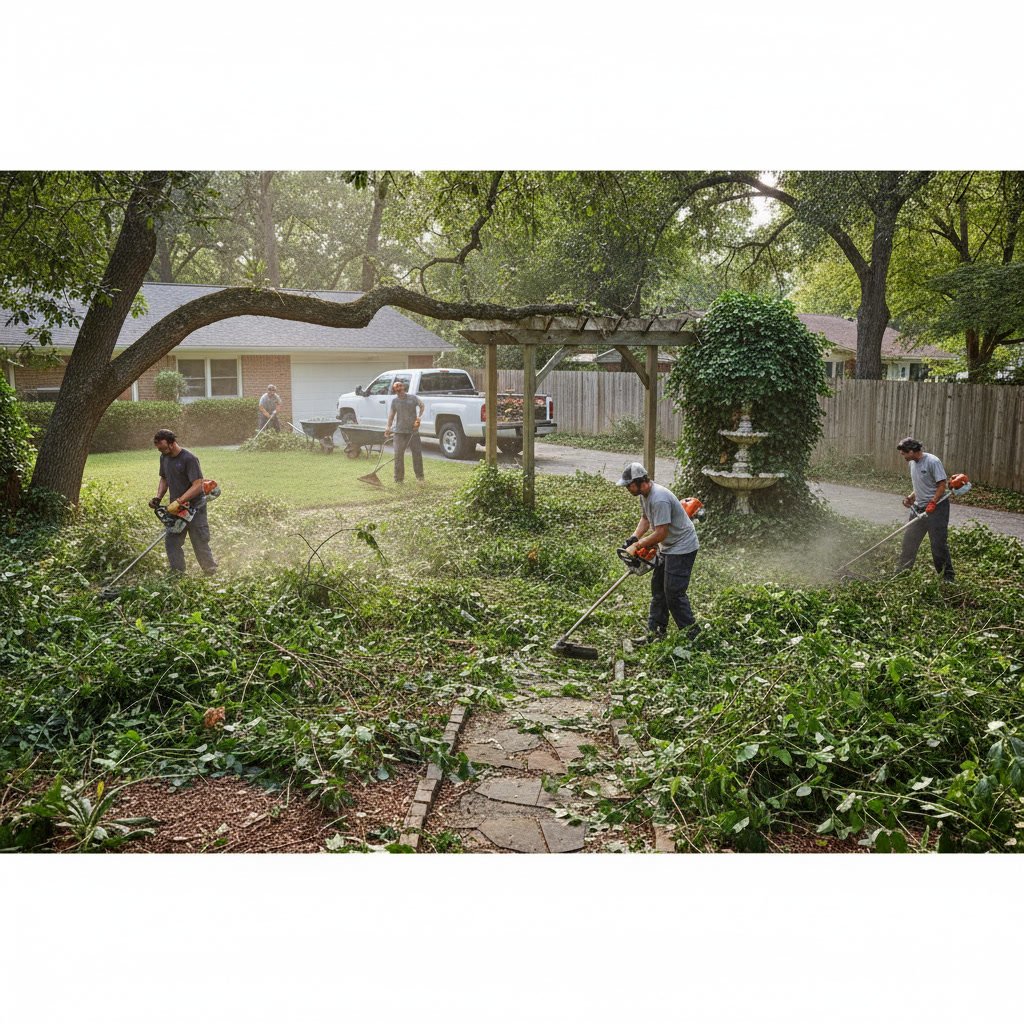
Properties that show visible debris, fallen branches, or accumulated leaves signal neglect. Regular yard cleanup maintains the polished appearance that buyers expect. Spring and fall cleanups are particularly important, clearing winter damage and preparing beds for seasonal transitions.
Similar to the comprehensive approach outlined in our post-storm cleanup checklist for Liberty homeowners, thorough seasonal maintenance addresses both visible and hidden issues that affect property presentation.
Strategic Design Improvements With High ROI
Once foundational maintenance is solid, specific design improvements can dramatically boost perceived value. These upgrades range from simple additions to more substantial investments, all chosen for their proven impact on buyer appeal.
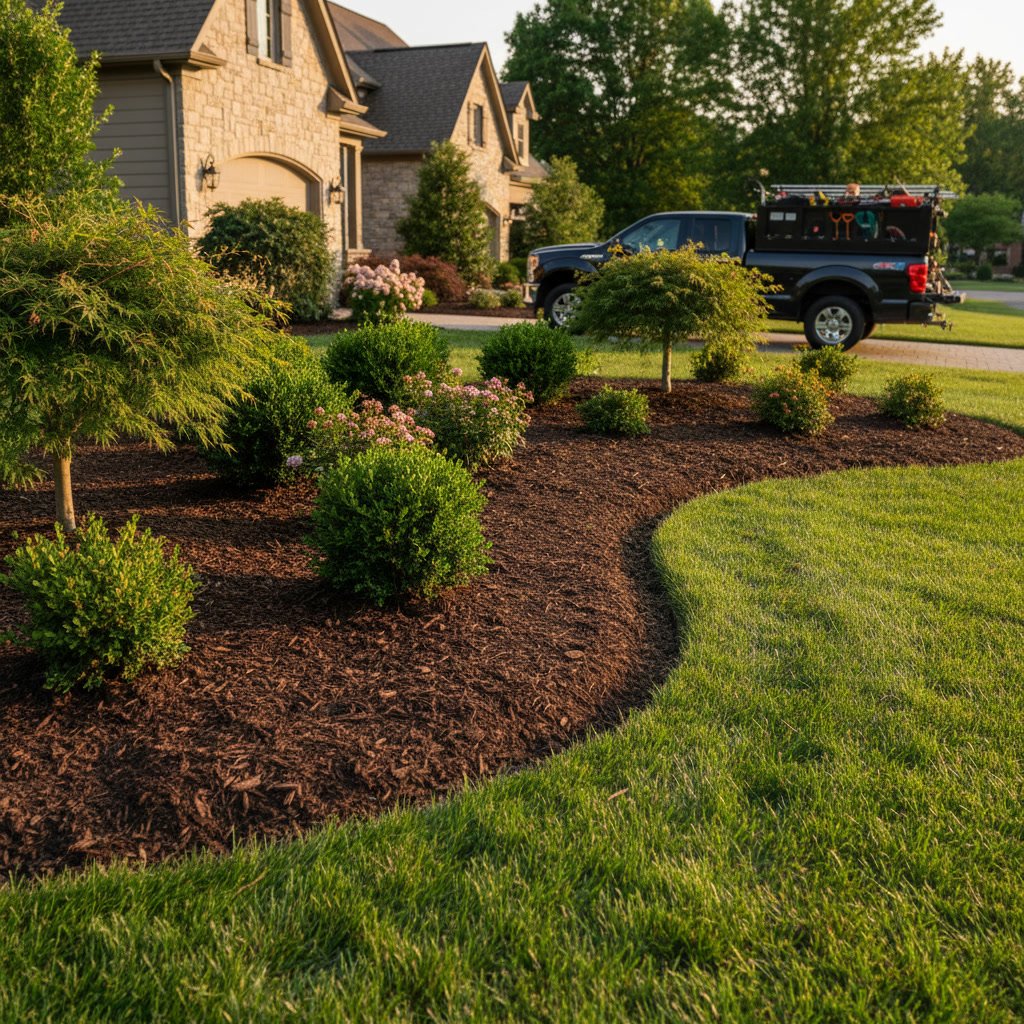
Defined Bed Edges and Fresh Mulch
Clean, crisp edges between lawn and planted beds create instant visual appeal. This simple maintenance task takes minimal investment but delivers outsized impact. Buyers perceive well-defined beds as evidence of regular care and attention to detail.
Fresh mulch serves multiple functions: it suppresses weeds, retains moisture, regulates soil temperature, and provides a uniform, finished appearance. A 2 to 3-inch layer of quality hardwood mulch costs $30 to $50 per cubic yard installed. Most residential properties need 3 to 8 cubic yards, making this one of the most cost-effective improvements available.
Pro Tip: Apply mulch in spring after soil warms but before summer heat arrives. This timing maximizes weed suppression and moisture retention through the growing season. Avoid piling mulch against tree trunks or plant stems, which encourages rot and pest problems.
Front Entry Focal Points
The entry area receives the most visual attention and disproportionately influences buyer perception. Strategic plantings that frame the front door, add color, and create symmetry guide visitors toward the entrance and enhance perceived home size.
Foundation plantings should complement the home’s architecture without overwhelming it. A common mistake is installing fast-growing shrubs that quickly outgrow the space, requiring constant pruning or eventual replacement. Right-sizing plants to their mature dimensions saves long-term maintenance and looks intentional rather than haphazard.
Container plantings on porches or flanking entries add seasonal color and flexibility. These portable elements allow you to refresh appearance for minimal cost and demonstrate that the property receives ongoing attention.
Lighting for Safety and Ambiance
Landscape lighting extends usability into evening hours and adds a layer of sophistication that buyers notice during evening showings. Path lights improve safety along walkways, while uplighting on trees or architectural features creates depth and drama.
LED fixtures have transformed landscape lighting economics, with systems costing $2,000 to $5,000 for typical residential installations. Energy costs remain minimal, and the added security and aesthetic appeal deliver returns in both daily enjoyment and resale value.
Water Management and Drainage Solutions
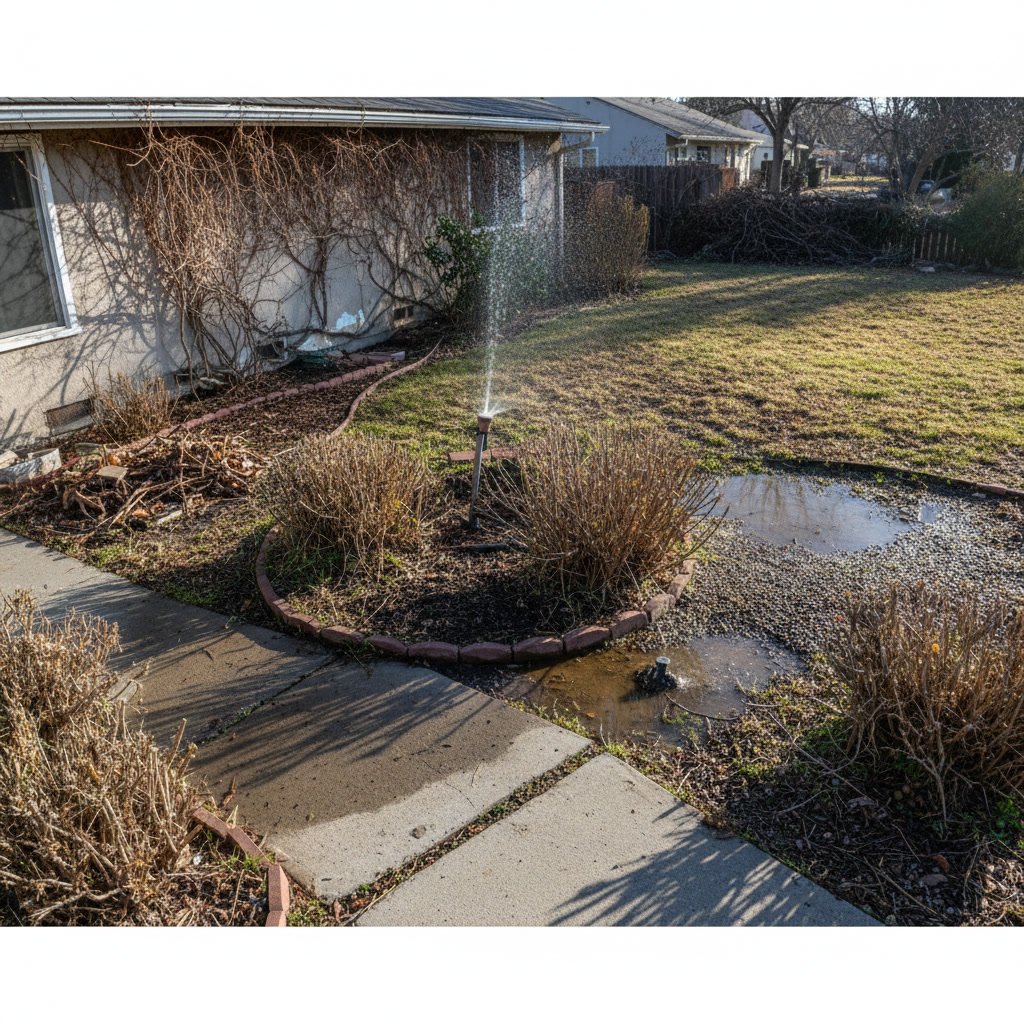
While less visible than planted areas, proper drainage protects your home’s foundation and prevents the standing water that signals problems to buyers. Addressing drainage issues isn’t glamorous, but it’s essential for maintaining and protecting property value.
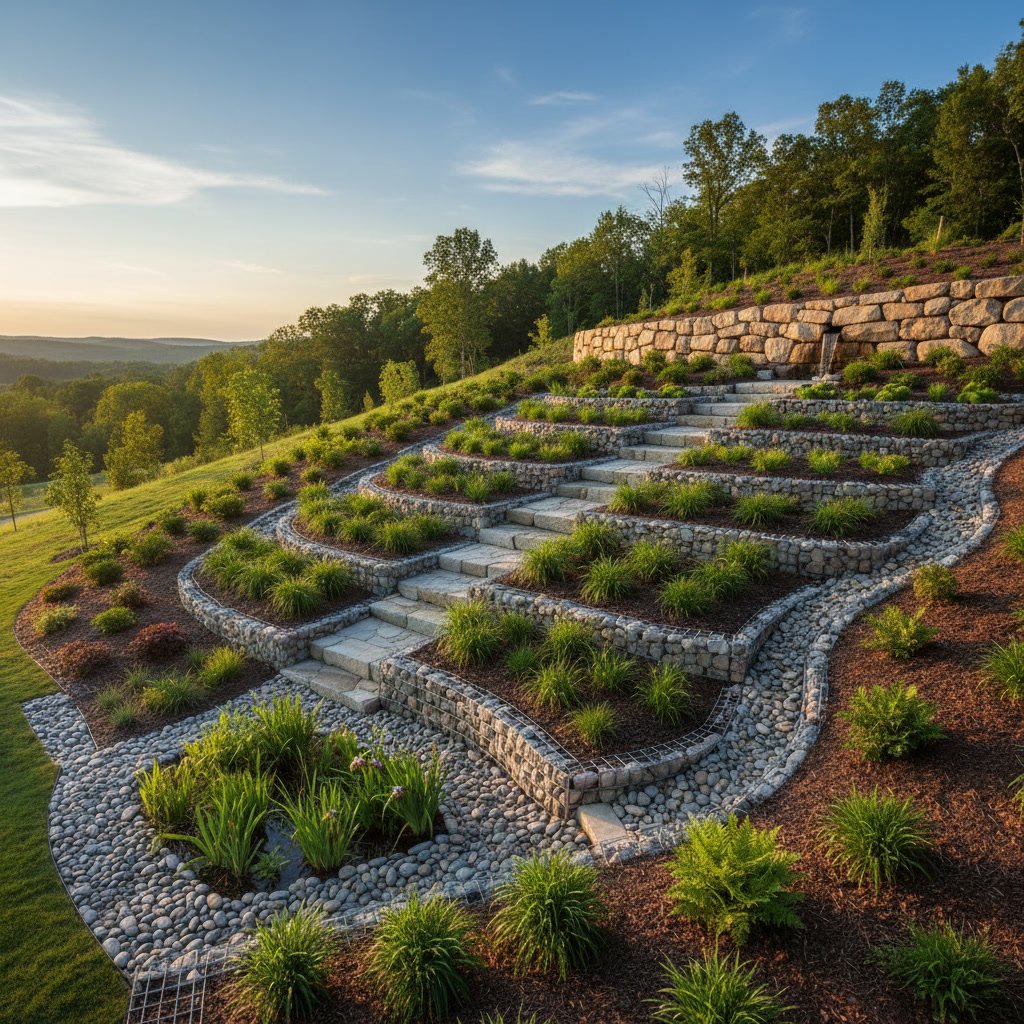
Grading that slopes away from the foundation at a minimum 2% grade (2 inches of drop per 10 feet) prevents water intrusion. Standing water in yards after rain indicates drainage problems that require correction before listing a property. French drains, dry creek beds, or regrading solve these issues while potentially adding aesthetic interest.
Downspout extensions that carry roof water at least 10 feet from the foundation prevent soil saturation and basement moisture. This simple, inexpensive improvement protects your investment and removes a red flag for home inspectors.
Lawn Maintenance That Shows Pride of Ownership
Beyond basic mowing, comprehensive lawn maintenance demonstrates the consistent care that buyers seek. Understanding what professional maintenance services include helps you ensure nothing gets overlooked.
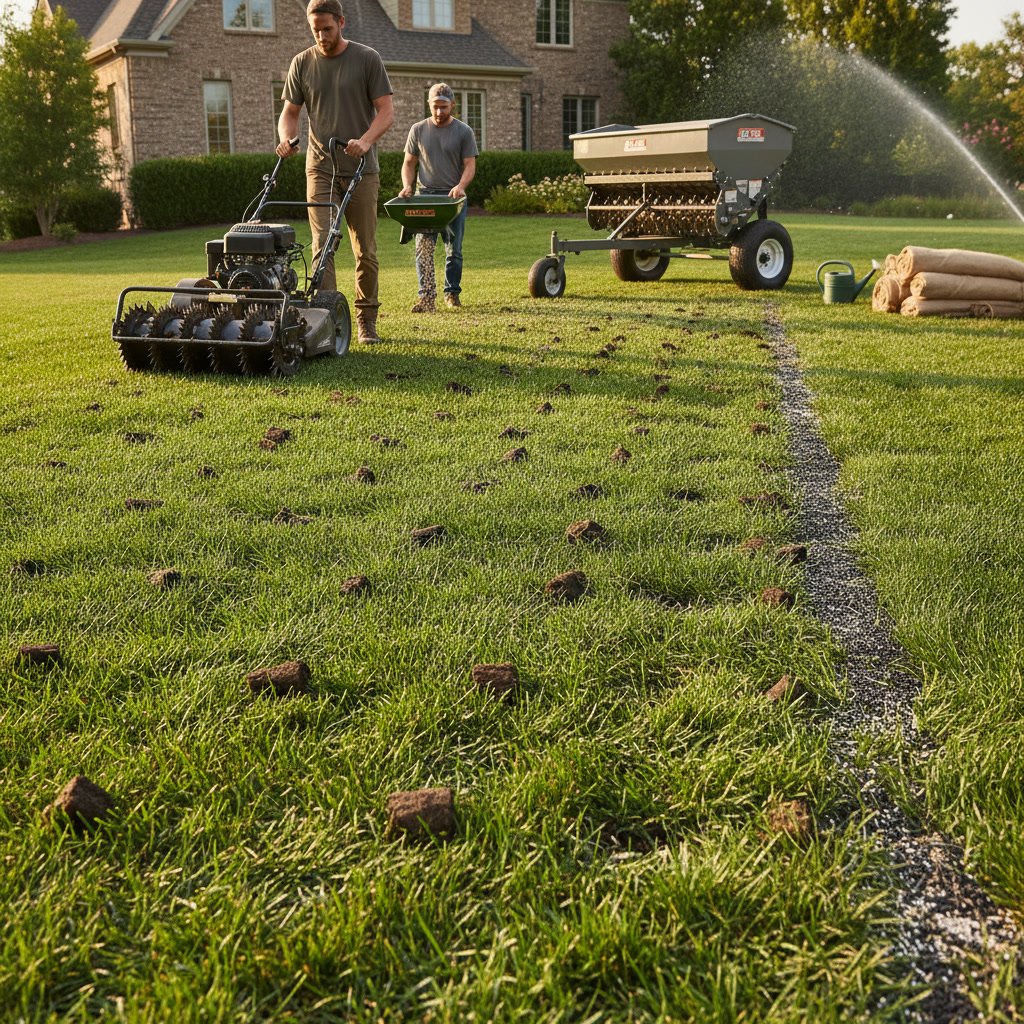
Aeration relieves soil compaction and allows water, oxygen, and nutrients to reach grass roots. Clay soils common in northwest Missouri benefit from annual core aeration in fall, which also provides ideal conditions for overseeding thin areas.
Overseeding introduces improved grass varieties that resist disease, tolerate traffic, and maintain density. Over time, lawns naturally thin due to pest pressure, disease, and environmental stress. Regular overseeding keeps turf thick and competitive against weeds.
Edge trimming along sidewalks, driveways, and bed lines creates the finished appearance that separates professional maintenance from basic mowing. This detail takes minutes per visit but significantly impacts overall impression.
Native and Low-Maintenance Landscaping
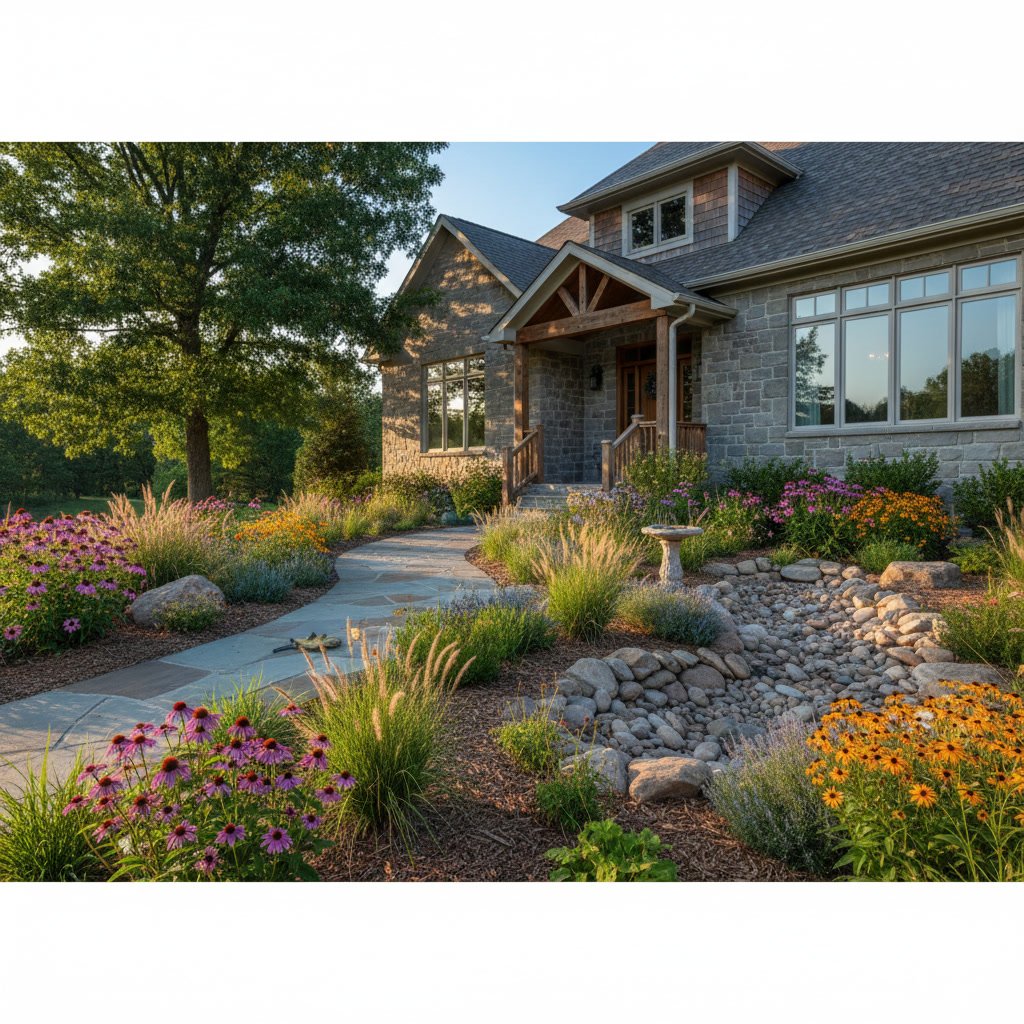
Buyers increasingly value landscapes that require less water, fertilizer, and chemical inputs. Native plantings adapted to local conditions thrive with minimal intervention once established, reducing ongoing costs while supporting local ecosystems.
Missouri natives like Black-eyed Susan, Purple Coneflower, Little Bluestem grass, and various Aster species provide season-long interest with minimal care requirements. These plants evolved in local soil and climate conditions, making them inherently more resilient than exotic alternatives.
Rain gardens that capture and filter stormwater runoff serve both functional and aesthetic purposes. These planted depressions handle water from downspouts or paved areas, reducing runoff while creating habitat for pollinators and beneficial insects.
The environmental benefits resonate with buyers, but the practical advantage is reduced maintenance time and cost. Properties that look attractive without requiring weekly interventions appeal to busy professionals and retirees alike.
Seasonal Color and Year-Round Interest
Landscapes that provide visual interest across all four seasons demonstrate sophisticated design and proper plant selection. Buyers viewing properties in winter still judge landscape quality, making year-round appeal important for properties listed in any season.
Spring bulbs like tulips, daffodils, and crocuses provide early color when little else is blooming. Fall-planted bulbs require minimal effort for maximum impact, and they naturalize over time to expand displays.
Summer annuals in beds or containers deliver continuous color from May through frost. While they require seasonal replacement, annuals provide flexible color options and maximum impact during peak showing season.
Fall interest comes from ornamental grasses, asters, sedum, and trees with strong autumn color. These elements extend the landscape’s appeal beyond spring and summer into the months when many properties list.
Winter structure relies on evergreens, ornamental bark, persistent seed heads, and hardscape elements. These features prevent the barren appearance that makes properties feel neglected during cold months.
Professional Versus DIY Maintenance
Homeowners often wonder whether professional landscape maintenance Parkville services justify the cost compared to DIY approaches. The answer depends on your available time, physical ability, equipment access, and knowledge level.
Professional services deliver consistent results through trained personnel, commercial equipment, and scheduled visits that ensure nothing gets overlooked. The time savings alone justifies the cost for many homeowners, particularly those balancing demanding careers or physical limitations.
Equipment requirements for proper lawn and landscape care include mowers, trimmers, blowers, aerators, dethatchers, pruning tools, and application equipment for fertilizers and treatments. The purchase, maintenance, and storage costs for quality equipment often exceed professional service costs for properties under one acre.
Knowledge gaps lead to costly mistakes like improper pruning, incorrect fertilizer application, or pesticide misuse. Professional providers bring expertise developed over thousands of properties, avoiding the trial-and-error learning curve that damages plants and wastes money.
For homeowners who genuinely enjoy landscape work and have appropriate time and ability, DIY maintenance can be satisfying. However, most find that professional services deliver better results for comparable or lower total costs when equipment and time value are considered.
Timing Your Landscape Investments
If you’re planning to sell within one to three years, focus investments on high-visibility, quick-return improvements. Fresh mulch, defined edges, seasonal color, and professional maintenance deliver immediate impact for minimal cost.
Avoid major hardscape projects or expensive plantings within six months of listing. These improvements may not deliver full return in such short timeframes. Instead, perfect the fundamentals that buyers consciously and unconsciously evaluate.
For longer-term homeowners, investments in quality plants, irrigation systems, and proper grading deliver years of enjoyment while building equity. These improvements mature over time, increasing in value as plants establish and grow.
The ideal approach combines ongoing professional maintenance with strategic periodic improvements. This ensures your landscape never deteriorates to a point requiring expensive restoration while steadily enhancing curb appeal and property value.
What Makes Parkville Landscapes Unique
The Parkville area features a mix of established neighborhoods with mature trees and newer developments with young landscapes. Each context requires different maintenance approaches and improvement strategies.
Established properties benefit from mature trees and shrubs that add immediate value but require careful maintenance to prevent overgrowth and structural issues. Selective thinning, proper pruning, and under-planting with shade-tolerant species refresh these landscapes while preserving their mature character.
Newer properties lack the instant appeal of mature landscapes but offer opportunities to establish low-maintenance designs from the start. Strategic tree placement, proper plant selection, and quality soil preparation create landscapes that mature into high-value assets.
Both contexts benefit from professional landscaping services that understand local conditions, soil types, and climate patterns specific to northwest Missouri.
Frequently Asked Questions
How much should I budget for landscape maintenance to protect home value?
Plan to invest 1% to 3% of your home’s value annually in landscape maintenance and improvements. For a $300,000 home, this translates to $3,000 to $9,000 per year, covering regular maintenance, seasonal enhancements, and periodic upgrades. This investment typically returns 100% to 200% in added property value while providing years of enjoyment.
Which landscape improvements deliver the highest return when selling?
Fresh mulch, defined bed edges, healthy dense turf, and well-pruned trees and shrubs consistently deliver the highest returns relative to cost. These fundamental improvements signal proper care and create positive first impressions. Professional maintenance in the 6 to 12 months before listing ensures the property shows at its best during the critical marketing period.
Should I invest in landscape improvements if I’m selling within a year?
Yes, but focus on high-impact, low-cost improvements rather than major projects. Fresh mulch costs a few hundred dollars but dramatically improves appearance. Professional maintenance services ensure consistent presentation during showings. Avoid expensive hardscape or major plantings that won’t mature before sale unless they address specific buyer objections identified by your realtor.
How does seasonal timing affect landscape value perception?
Spring and early summer showings benefit from natural bloom cycles and lush growth, making these ideal listing periods from a landscape perspective. Fall listings can leverage autumn color and seasonal plantings. Winter requires extra attention to evergreen structure, cleanup, and year-round interest elements to prevent the barren appearance that reduces perceived value. Professional maintenance ensures your property presents well regardless of season.
Can I handle landscape maintenance myself or should I hire professionals?
This depends on your available time, physical ability, and equipment access. Professional services deliver consistent, high-quality results without the equipment investment or time commitment DIY maintenance requires. For properties being prepared for sale or those where maintenance has been deferred, professional services typically deliver better outcomes. Many homeowners find that professional care costs less than their time value and equipment needs for properties over one-quarter acre.
Take the Next Step for Your Property
Strategic landscape maintenance protects and enhances your largest investment while providing years of outdoor enjoyment. Whether you’re planning to sell soon or building long-term value, the right combination of regular care and targeted improvements delivers measurable returns.
All Season Lawn and Landscaping LLC has maintained Parkville properties since 2008, delivering the quality results and personalized service that build property value. Our full-service approach means one vendor, one bill, and one call for all your landscape needs. Contact us at +18163633203 to discuss how professional landscape maintenance can enhance your property’s value and appeal.