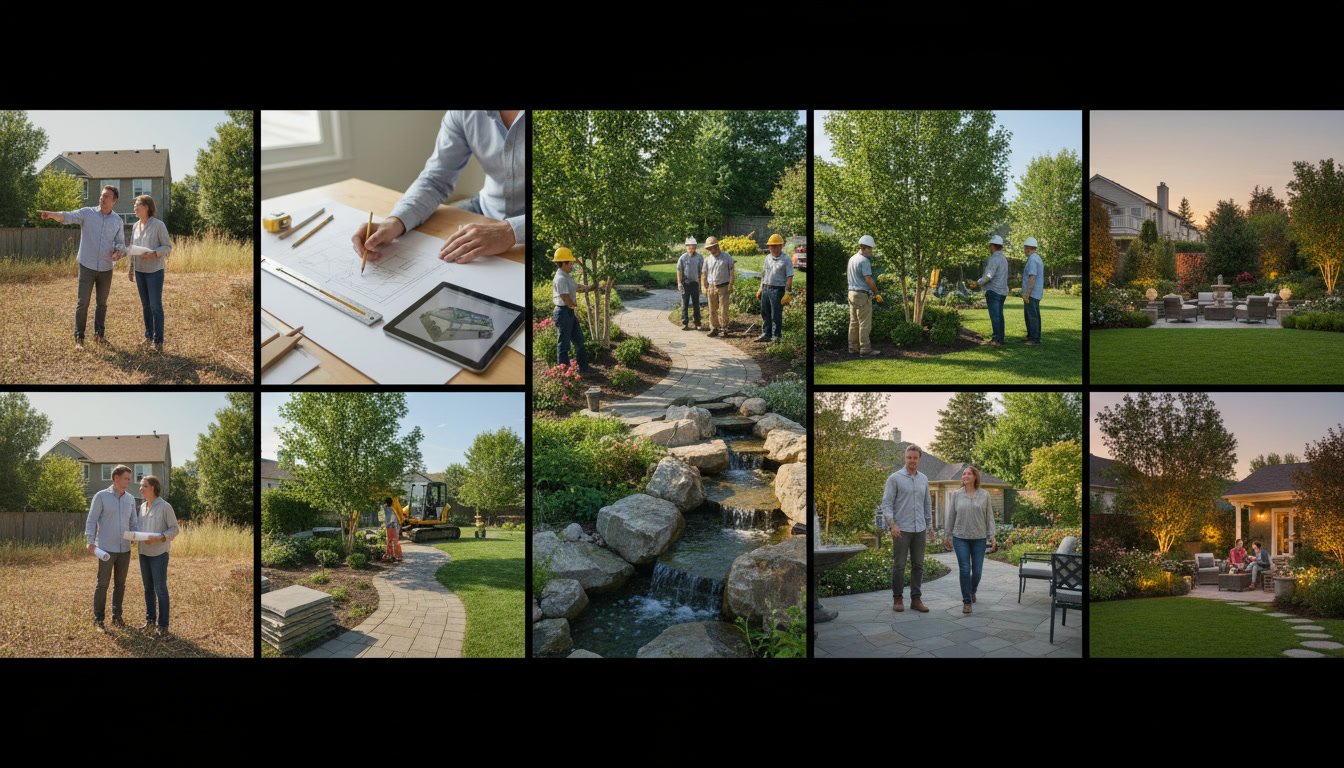
A professional landscape design process begins with an in-depth consultation where designers assess your property, discuss your vision, and evaluate site conditions. The process then moves through design development, material selection, budgeting, and finally installation, with each phase building on the previous one to create a cohesive outdoor space that enhances your property value and meets your functional needs.
Most homeowners underestimate how much happens behind the scenes before the first shovel breaks ground. The difference between a landscape that thrives for decades and one that requires constant repairs often comes down to the thoroughness of the planning phases. Professional designers spend more time planning than installing because they know that addressing drainage, soil quality, and spatial relationships on paper is far less expensive than fixing mistakes in the field.
Why Professional Planning Prevents Costly Landscape Failures
The most expensive landscape problems start with skipped planning steps. When contractors begin installation without proper site analysis, you risk everything from poor drainage that floods your foundation to plant selections that die within the first season. Professional designers document existing conditions including soil composition, sun exposure patterns throughout the day, drainage flow during heavy rain, and underground utilities before proposing any solutions.
A detailed base plan that maps these conditions becomes the foundation for every decision that follows. This upfront investment typically saves property owners thousands of dollars by preventing rework and ensuring materials suit the actual site conditions rather than assumptions.
The Initial Consultation Sets Your Project Direction
During the first meeting, a designer walks your property with you to understand how you currently use the space and what frustrations you want to solve. They ask about your budget range, timeline, maintenance preferences, and any specific features you want included. This conversation shapes whether the project focuses on outdoor entertaining spaces, low-maintenance plantings, privacy screening, or solving drainage issues.
The designer also evaluates practical constraints like access points for equipment, existing trees or structures that must stay, local building codes, and HOA restrictions if applicable. They take measurements and photographs to document current conditions. For complex projects, they may recommend a formal site survey to establish exact property boundaries and elevation changes. What you share during this phase directly influences whether the final design meets your needs or misses the mark entirely.
Site Analysis Reveals Hidden Opportunities and Problems
After the initial visit, the designer analyzes the data collected. They study how water moves across your property during storms, which areas receive full sun versus shade at different times of day, where wind creates uncomfortable conditions, and how existing vegetation affects views and privacy. They test soil drainage rates and pH levels to determine what plants will thrive without constant intervention.
This analysis often reveals opportunities most homeowners miss, like a natural low spot perfect for a rain garden or an overlooked corner that could become a quiet seating area. It also identifies problems that need solving, such as compacted soil that prevents healthy root growth or slopes that require erosion control before planting.
Design Development Turns Ideas Into Visual Plans
With site analysis complete, the designer creates concept drawings that show how different elements fit together. These preliminary sketches explore layout options, circulation patterns, and spatial relationships before committing to details. You review these concepts and provide feedback about what works and what needs adjustment.
Once you approve a concept direction, the designer develops it into detailed construction documents. These plans specify exact dimensions, materials, grading requirements, plant species and sizes, irrigation zones, and lighting locations. They include cross-section drawings that show how retaining walls tie into slopes or how patio drainage flows away from structures. The level of detail in these documents determines how accurately contractors can bid the project and execute the installation.
Material Selection Balances Aesthetics With Durability in Parkville
Choosing materials involves more than picking colors you like. Professional designers select pavers, stone, wood, and other hardscape materials based on how they perform in Missouri’s climate, which includes freeze-thaw cycles, summer heat, and significant rainfall. They consider how materials age, their slip resistance when wet, maintenance requirements, and how they complement your home’s architecture.
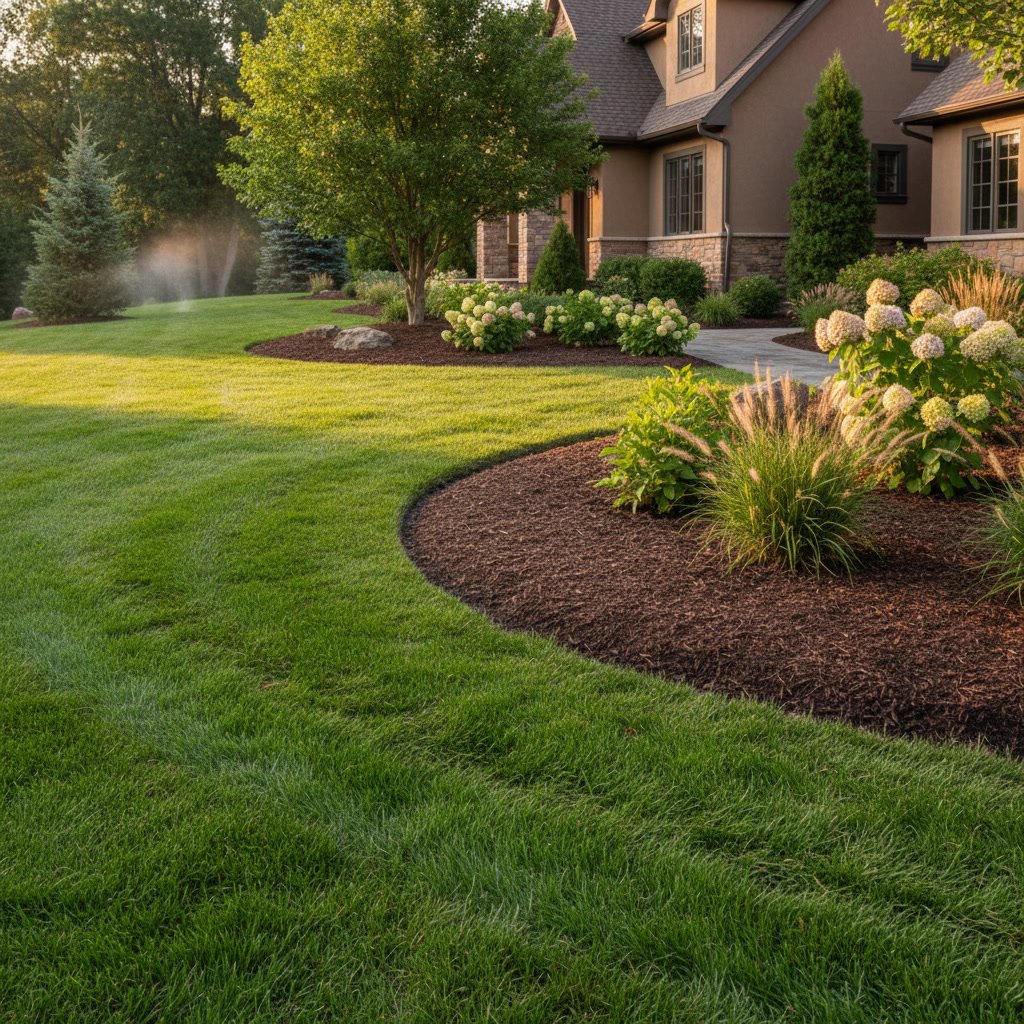
For plantings, designers choose species proven to thrive in local soil and weather conditions rather than varieties that look appealing in catalogs but struggle in reality. They plan for mature plant sizes to avoid overgrown landscapes that require constant pruning. Strategic plant placement creates year-round interest with seasonal blooms, fall color, winter structure, and varying textures.
Budget Development and Project Phasing Options
Detailed plans allow contractors to provide accurate cost estimates for materials and labor. A professional designer breaks down costs by project phase so you understand where your investment goes. If the full design exceeds your budget, they identify which elements you can phase over multiple years without compromising the overall vision.
Smart phasing installs essential infrastructure first, including grading, drainage systems, irrigation, and hardscape foundations. These elements are expensive to retrofit later. Plantings and decorative elements can follow in subsequent phases as budget allows. This approach gives you a functional landscape immediately while working toward the complete design over time.
The Installation Phase Brings Designs to Life
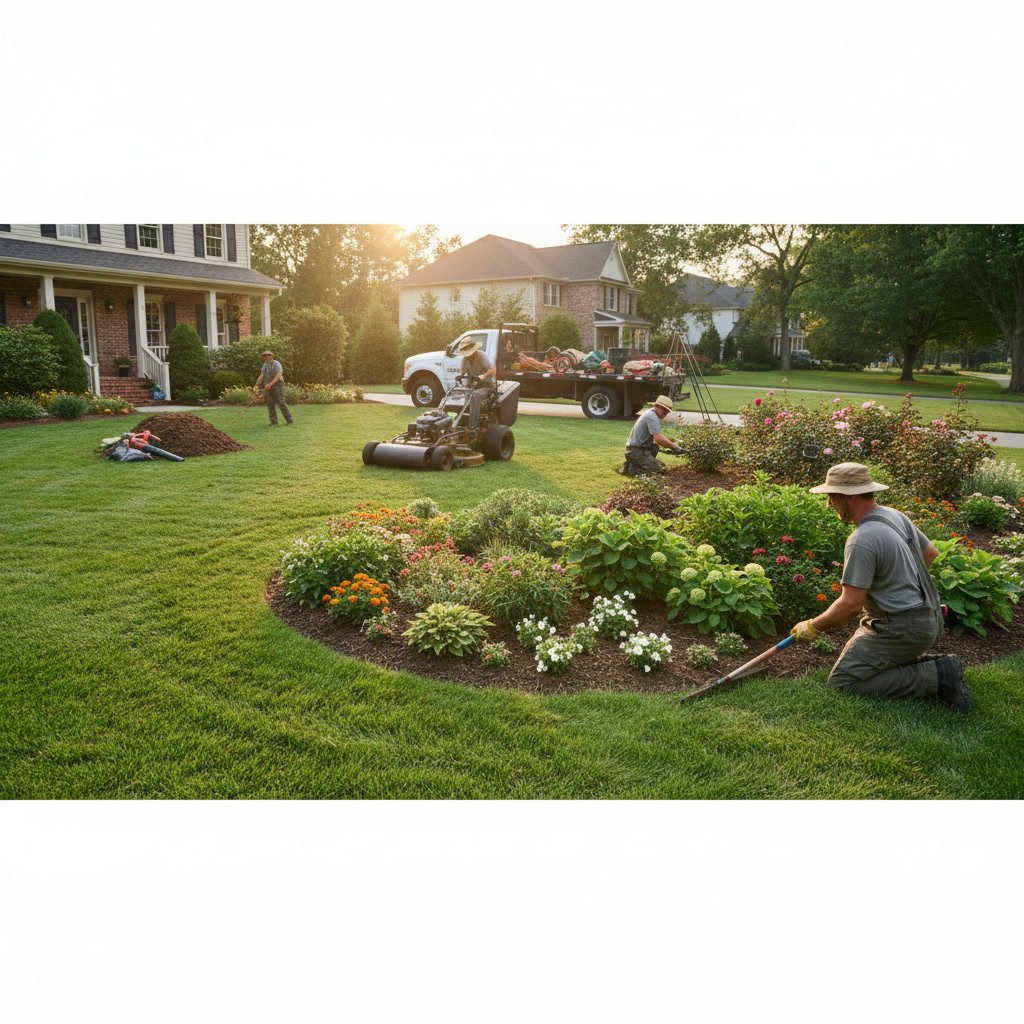
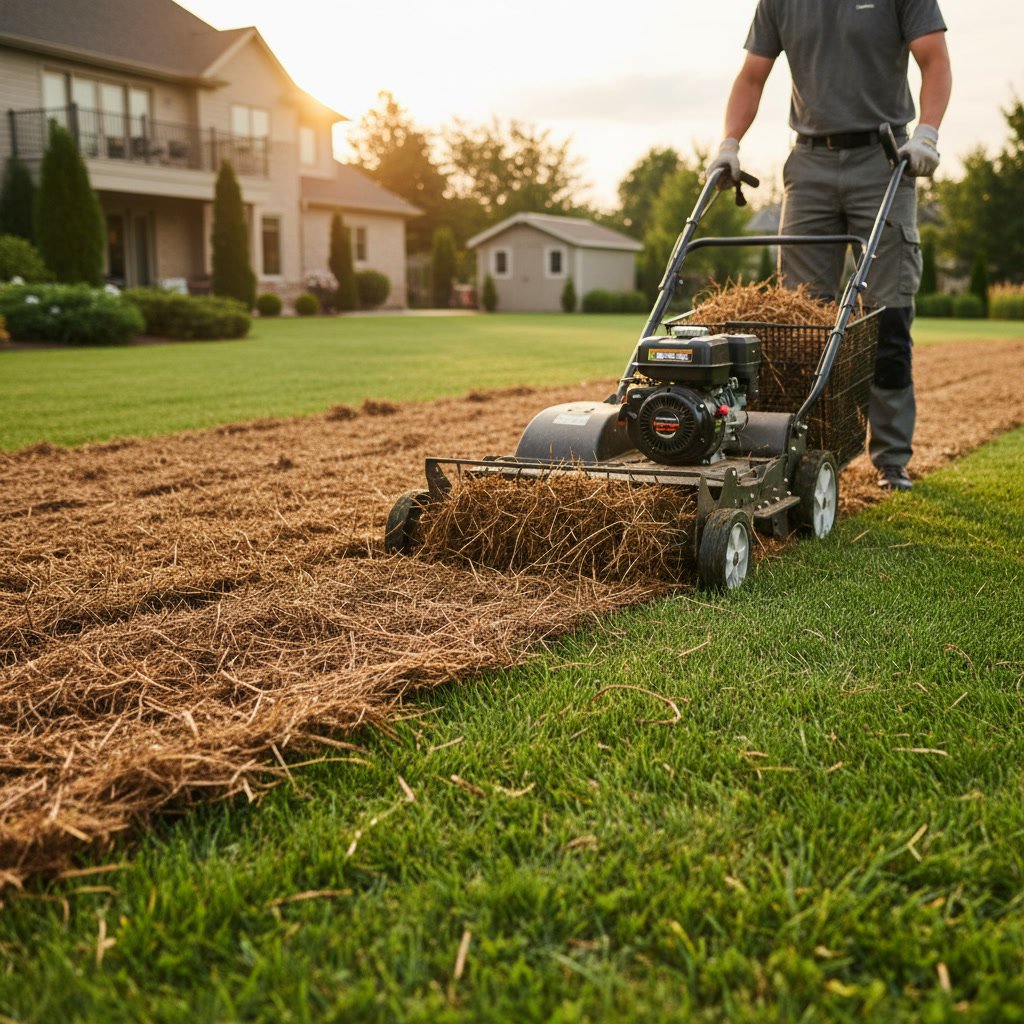
Installation begins with site preparation including removing unwanted vegetation, rough grading to establish proper drainage flow, and marking utility locations. Crews then install underground systems like drainage pipes and irrigation lines before building hardscape features. Retaining walls, patios, walkways, and other structural elements go in next, with careful attention to proper base preparation and drainage integration.
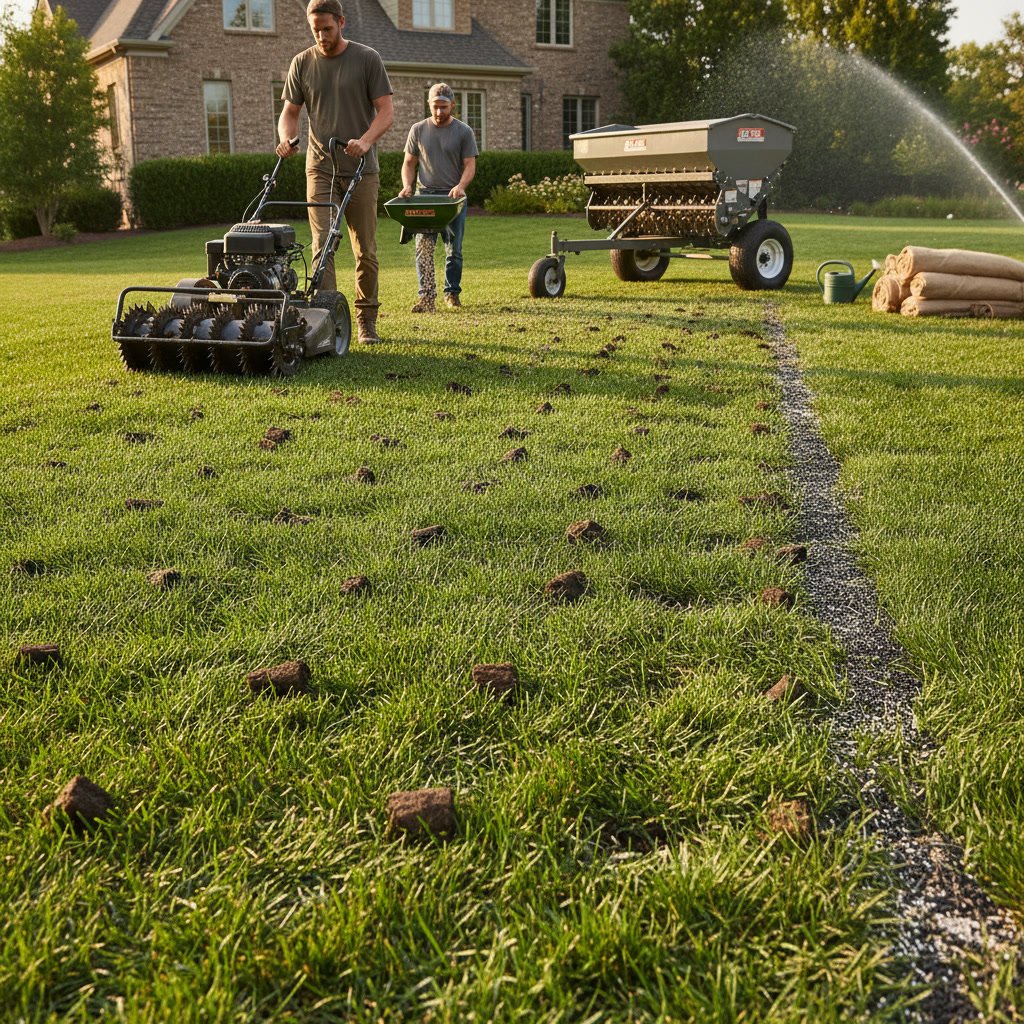
Soil preparation follows, including amending existing soil or bringing in quality topsoil to support healthy plant growth. This step often gets shortcut on budget projects, but it directly determines plant health for years to come. Planting happens last, after all construction activity that could damage plants is complete. Crews install plants at proper depths, backfill with appropriate soil, and apply mulch to conserve moisture and suppress weeds. If your project includes outdoor landscape maintenance services, they typically begin after installation to protect your investment.
Quality Control and Project Walkthrough
Before considering a project complete, the designer and installation crew conduct a thorough inspection. They verify that all elements match the approved plans, drainage functions as designed, irrigation covers all planted areas, and no construction damage remains. They check that plants are healthy, properly staked if needed, and adequately watered.
The final walkthrough with you covers how to operate irrigation controllers, care instructions for new plantings, warranty information, and maintenance schedules for different landscape elements. This education component helps you protect your investment and understand when to call for professional help versus handle tasks yourself.
Post-Installation Care Determines Long-Term Success
New landscapes require attentive care during establishment. Plants need consistent watering during their first growing season while roots expand into surrounding soil. Mulch needs replenishing as it decomposes. Weeds must be controlled before they compete with desirable plants. Many landscape failures blamed on poor design actually result from inadequate establishment care.
Professional landscaping services often include establishment maintenance packages that ensure new installations receive proper care during this critical period. After establishment, landscapes transition to routine maintenance focused on pruning, seasonal cleanups, and system checks rather than intensive watering and weed control.
How the Process Differs for Renovation Versus New Construction
Renovation projects work around existing features you want to preserve, which adds complexity to design and installation. Designers must protect established trees during construction, work within mature root zones, and integrate new elements with old. Access for equipment may be limited, requiring hand work that increases labor costs.
New construction projects start with a blank slate, allowing optimal placement of all elements without compromise. However, they face different challenges including compacted soil from construction equipment, limited topsoil, and the need to establish everything from scratch. Understanding these differences helps set realistic expectations for timeline and budget regardless of which situation applies to your property.
Your Vision Becomes Reality Through Professional Expertise
The landscape design process transforms abstract ideas into detailed plans and ultimately physical spaces that enhance how you use your property. Each phase builds on previous work, with early decisions about drainage, circulation, and spatial organization affecting every element that follows. Professional designers bring technical knowledge about soils, plants, materials, and construction methods that ensure your landscape functions properly and looks beautiful for years.
All Season Lawn and Landscaping LLC has guided hundreds of property owners through this process since 2008, combining technical expertise with personalized service. Whether you need a complete property transformation or targeted improvements to specific areas, understanding what happens at each stage helps you participate effectively in decisions that shape your outdoor spaces.
Ready to start your landscape design project with a team that handles every phase professionally? Contact All Season Lawn and Landscaping LLC at +18163633203 to schedule your initial consultation and learn how we can transform your property.