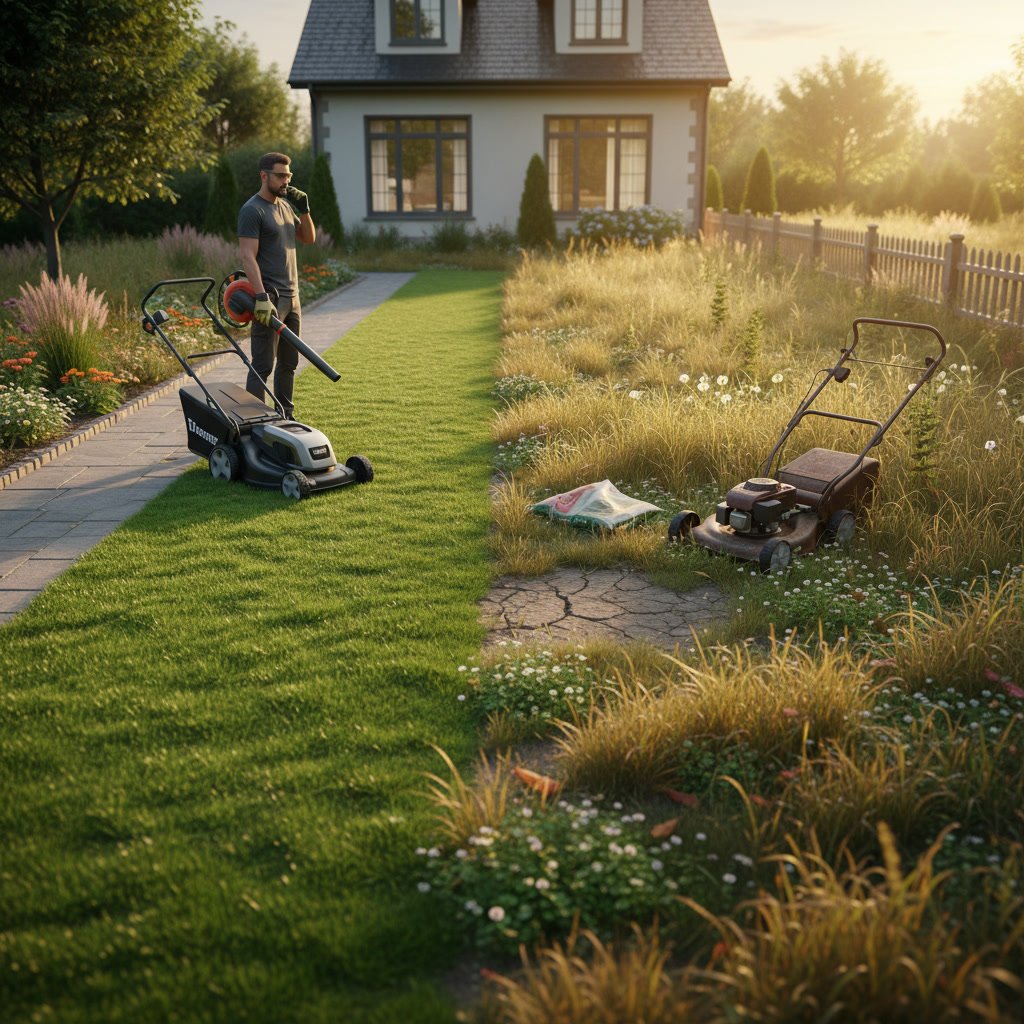
A proper lawn maintenance schedule depends on grass type, season, and local climate, but most residential properties benefit from weekly service during peak growing months and biweekly visits during cooler periods. Skipping scheduled visits leads to overgrowth, pest infestations, weed dominance, and expensive recovery work that costs far more than preventive care. Understanding the right frequency for your property protects your investment and keeps your outdoor space healthy year-round.
Why Regular Service Intervals Matter for Turf Health
Grass grows at different rates depending on temperature, rainfall, and soil conditions. When service visits align with these natural growth patterns, your lawn stays within its optimal height range. Mowing too infrequently stresses the plant, weakens root systems, and creates openings for weeds and disease.
Consistent timing also allows your service provider to spot problems early. Small patches of discoloration, insect activity, or drainage issues become visible when a trained eye examines your property on a predictable cycle. Addressing these issues at the first sign prevents costly repairs later.
Seasonal Growth Patterns Drive Service Frequency
Spring triggers the most aggressive growth period for cool-season grasses common in Missouri. From April through June, weekly visits keep pace with rapid vertical growth and prevent thatch buildup. Your lawn may grow two to three inches per week during this window, and falling behind even once creates compounding problems.
Summer heat slows growth slightly, but humidity and sporadic rainfall still demand weekly attention through August. Fall brings a second growth surge as temperatures moderate, requiring weekly service again until dormancy begins in late November. Winter maintenance shifts to yard cleanup and debris removal rather than mowing.
Standard Visit Frequencies for Residential Properties
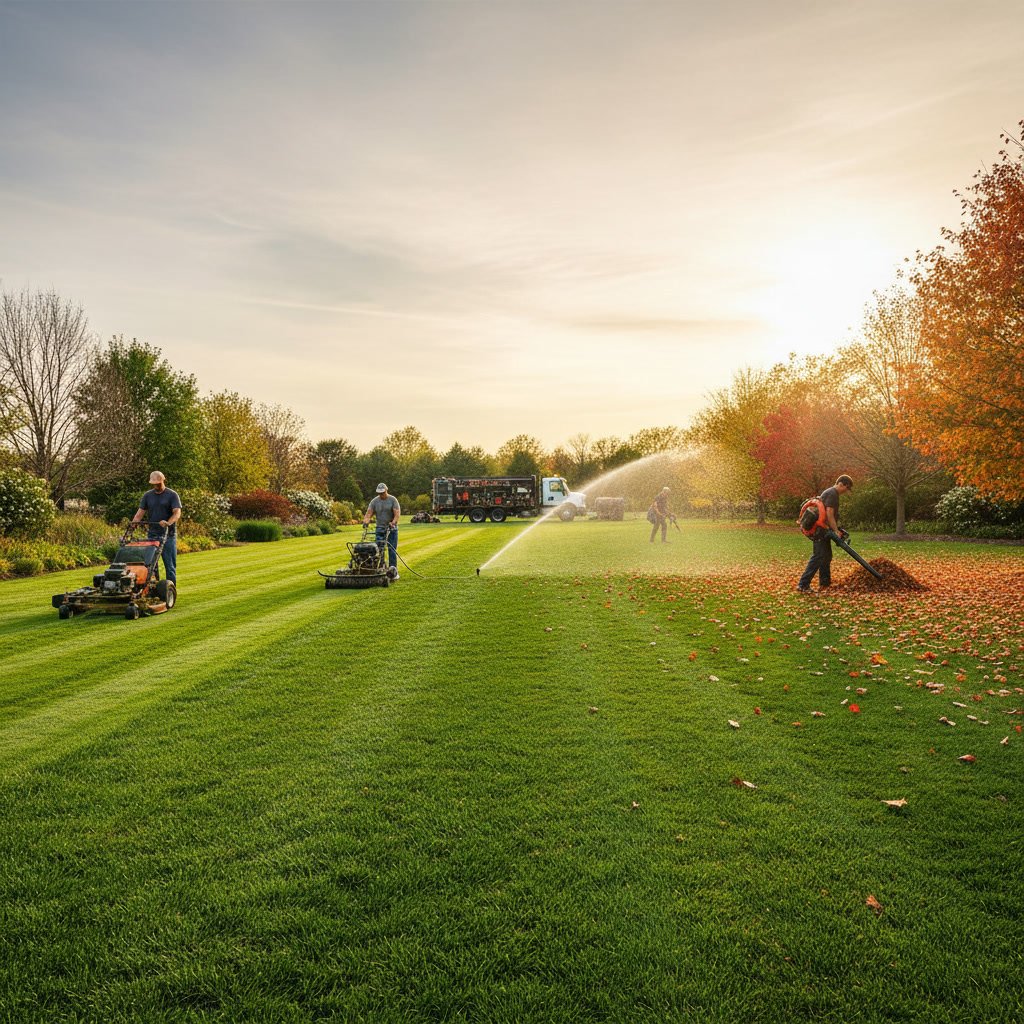
Most homeowners benefit from one of three service intervals. Weekly service from April through October suits properties with high visibility, active outdoor use, or homeowner association requirements. This schedule maintains consistent appearance and turf health throughout the growing season.
Biweekly service works for budget-conscious homeowners willing to accept slight variation in grass height between visits. This option still prevents most problems associated with neglect but requires flexibility during peak growth weeks when grass may exceed ideal height before the next cut.
Seasonal packages combine weekly service during spring and fall with biweekly summer visits. This hybrid approach matches service intensity to actual growth rates and delivers the best value for many residential properties. Lawn maintenance professionals can recommend the right interval based on your specific grass type and property conditions.
Commercial Properties Require More Frequent Attention
Business locations, rental properties, and multi-family complexes need weekly service year-round to maintain curb appeal and safety standards. High foot traffic compacts soil and stresses turf, demanding more aggressive care than residential lawns.
Commercial contracts often include mid-week touchups for high-visibility areas like entrances and signage beds. This extra attention keeps your property looking sharp throughout the week rather than declining between scheduled visits.
The Compounding Damage of Skipped Visits
Missing a single scheduled visit during peak growth allows grass to exceed the one-third rule, the maximum amount of blade length that should be removed in a single mowing. Cutting more than one-third stresses the plant, shocks the root system, and triggers brown-out that takes weeks to recover.
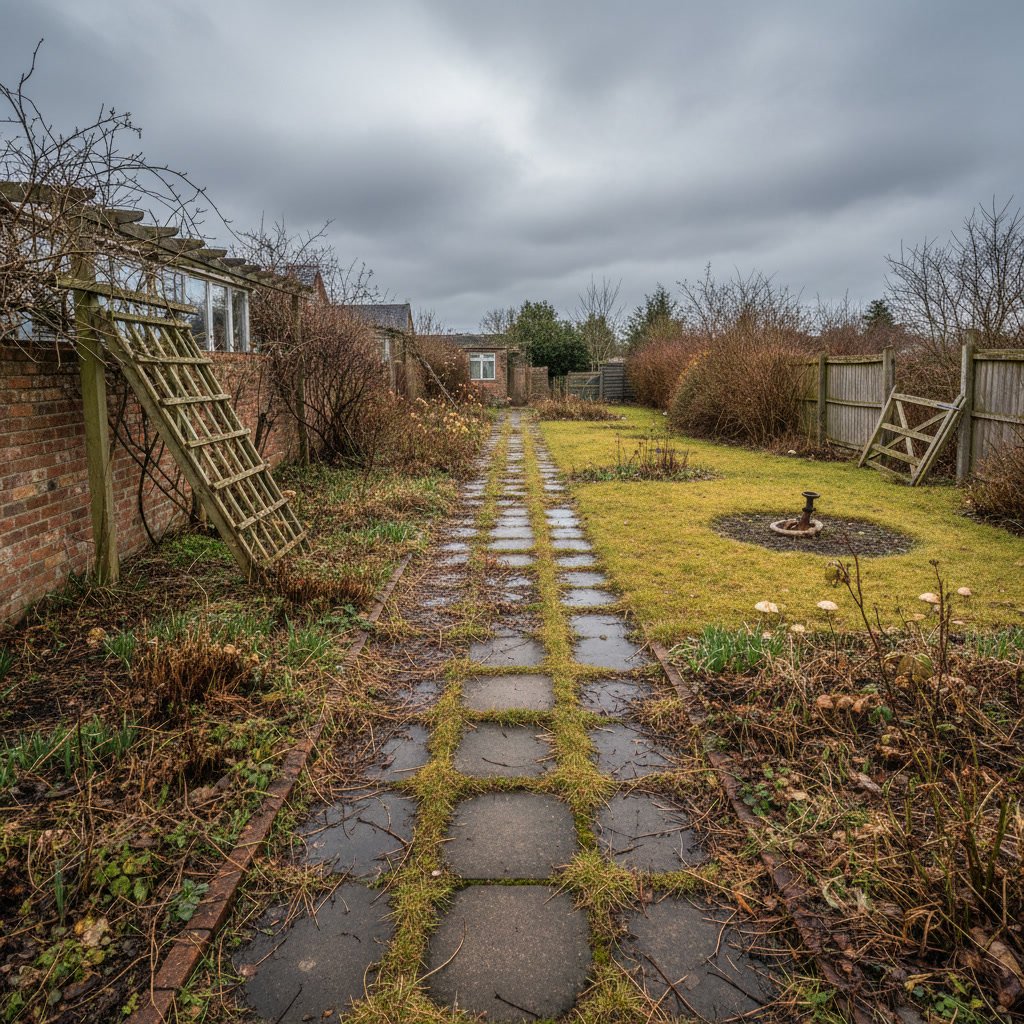
Overgrown grass also shades out lower blade sections, causing them to thin and die. When you finally mow, the exposed lower portions appear yellow or brown, creating a scalped appearance even though you technically cut to the correct final height. The lawn looks worse after service than before, and recovery requires two to three additional weeks of perfect growing conditions.
Weeds exploit any gap in your maintenance routine. A single missed visit gives crabgrass, dandelions, and broadleaf weeds time to flower and spread seeds. One skipped mowing in June can mean 50 new weed plants by August, each requiring individual treatment or hand removal.
How Skipped Service Invites Pests and Disease
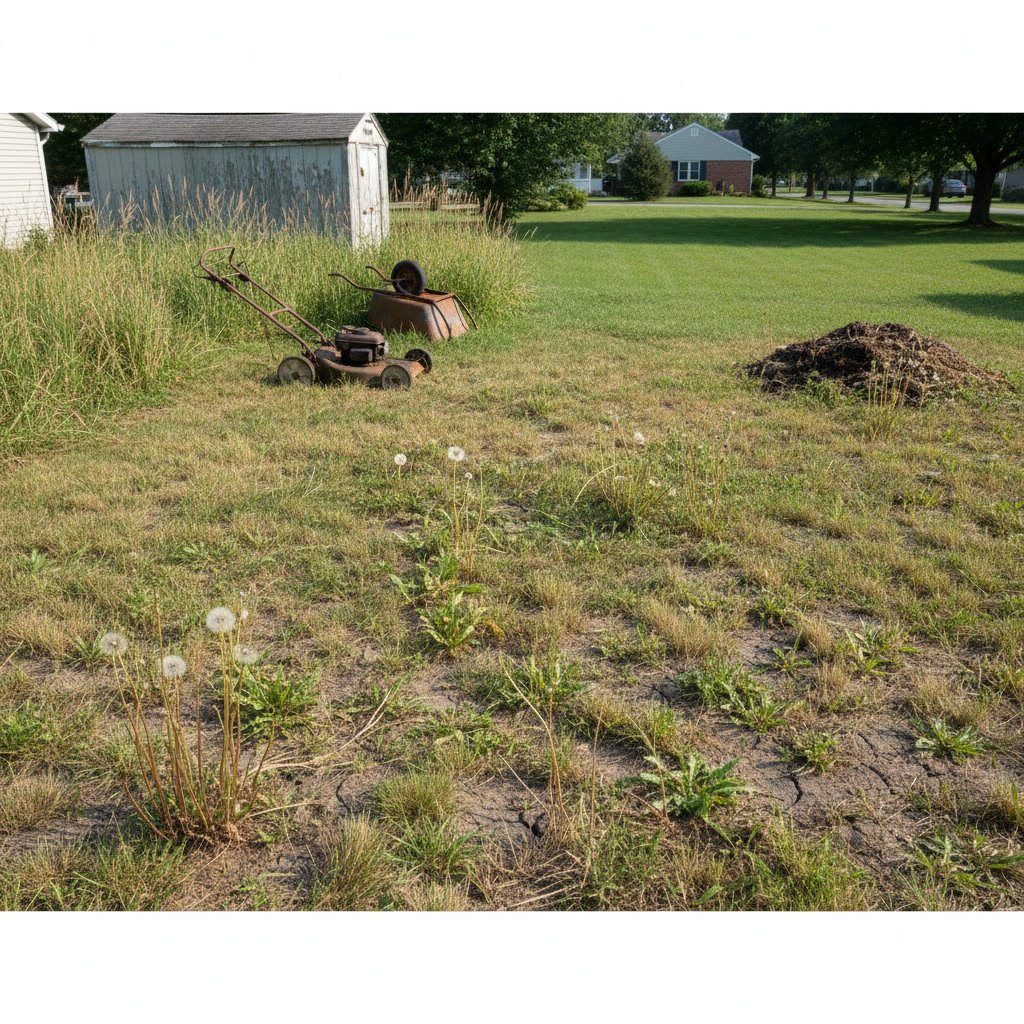
Tall, dense grass creates humid microclimates at ground level where fungal diseases thrive. Brown patch, dollar spot, and rust spread rapidly in these conditions, often requiring professional fungicide applications that cost more than months of preventive maintenance.
Rodents and insects prefer overgrown areas for shelter and nesting. Mice, voles, and ground-nesting wasps move into neglected lawns within weeks. Ticks flourish in grass taller than four inches, creating health hazards for anyone using the property. Once established, pest populations require expensive extermination services to eliminate.
The Hidden Costs of Inconsistent Maintenance in Parkville
Properties in Parkville face specific challenges from clay soil and variable spring weather. Skipping scheduled visits during wet periods allows soil compaction to worsen, reducing water infiltration and oxygen availability to roots. Recovery requires aeration services that cost 150 to 300 dollars per treatment.
Inconsistent mowing also voids warranties on recent landscaping services like seeding or sod installation. Most installation warranties require proof of regular maintenance, and gaps in your service history can disqualify claims for poor establishment or turf failure.
Neighborhood standards matter in established residential areas. An unkempt lawn lowers curb appeal for your entire block and can trigger homeowner association fines ranging from 50 to 500 dollars per violation. Regular service protects you from these penalties and maintains positive relationships with neighbors.
Recovery Time and Costs After Extended Neglect
A lawn neglected for four to six weeks during growing season requires restoration rather than routine maintenance. The first visit involves multiple passes to gradually reduce height without shocking the turf, doubling or tripling service time and cost.
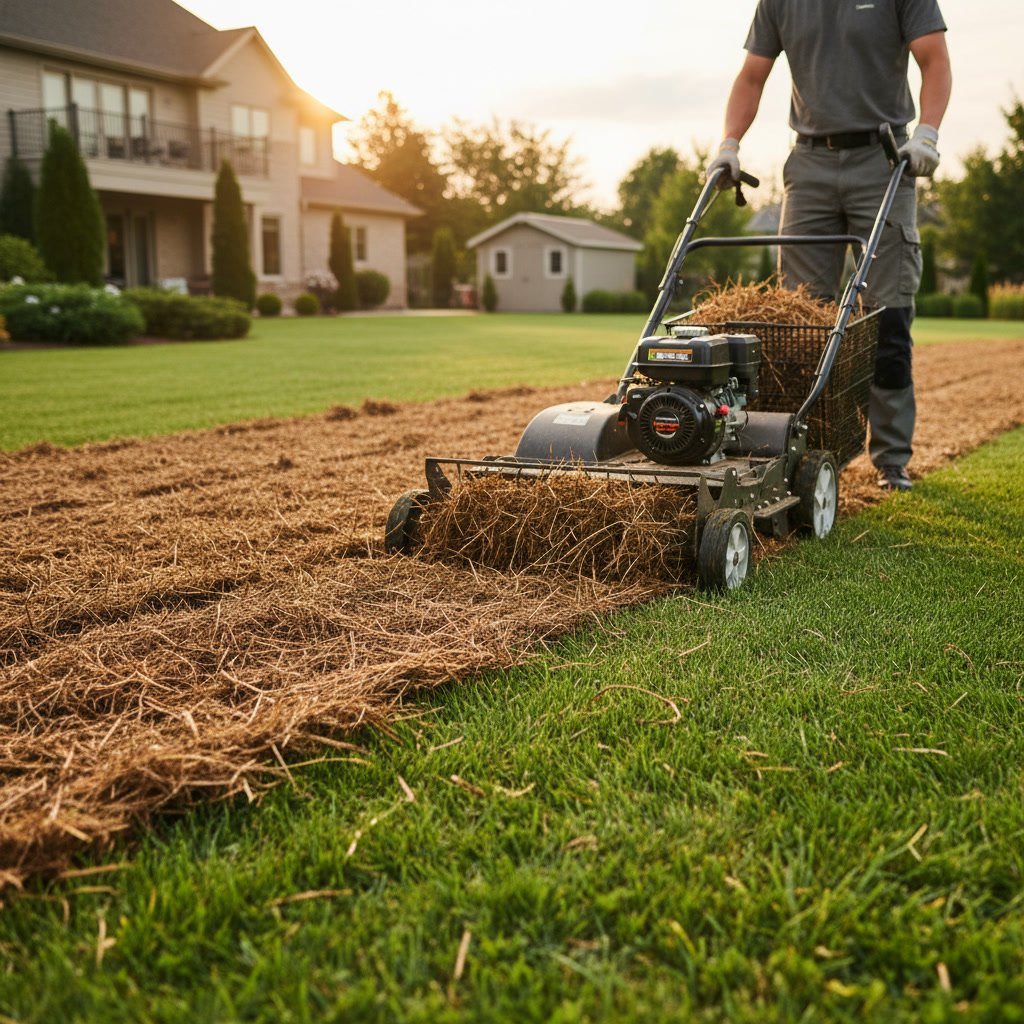
Severely overgrown properties need additional services beyond mowing. Dethatching removes the layer of dead material that accumulates when clippings become too long to decompose properly. Weed control treatments address the inevitable invasion that occurs during neglect. Fertilization replenishes nutrients depleted by stress. These combined services often cost 300 to 600 dollars, far exceeding the 100 to 150 dollars you might have saved by skipping regular visits.
Understanding what is included in professional lawn maintenance services helps you appreciate why consistent scheduling prevents these expensive recovery scenarios. Prevention always costs less than correction.
Custom Schedules for Unique Property Conditions
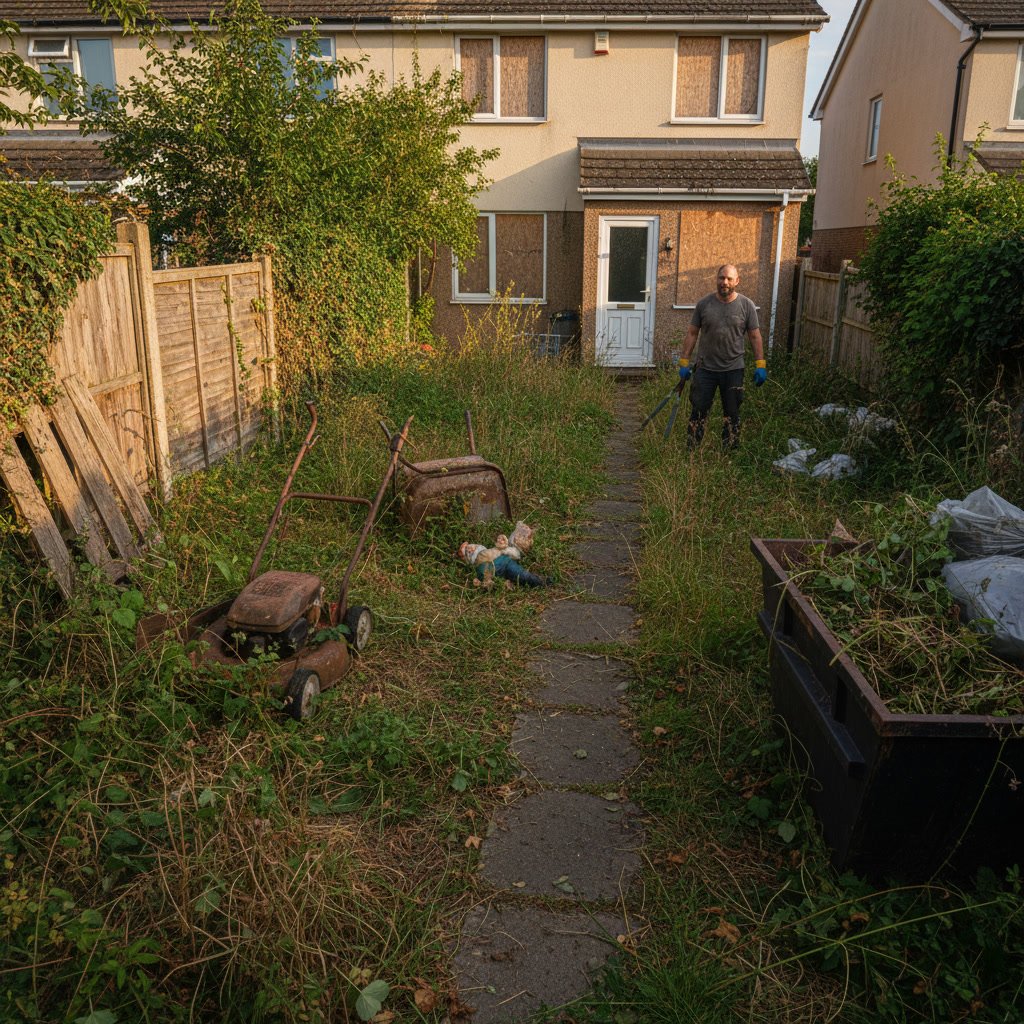
Some properties require adjusted timing based on site-specific factors. Heavily shaded lawns grow more slowly and may only need service every 10 days even during peak season. Properties with irrigation systems often need more frequent attention because consistent water availability accelerates growth.
New construction properties need weekly service for the first full growing season after seeding or sod installation. Frequent light mowing during establishment encourages lateral spread and dense turf development. Skipping visits during this critical period results in thin, patchy lawns that require overseeding to correct.
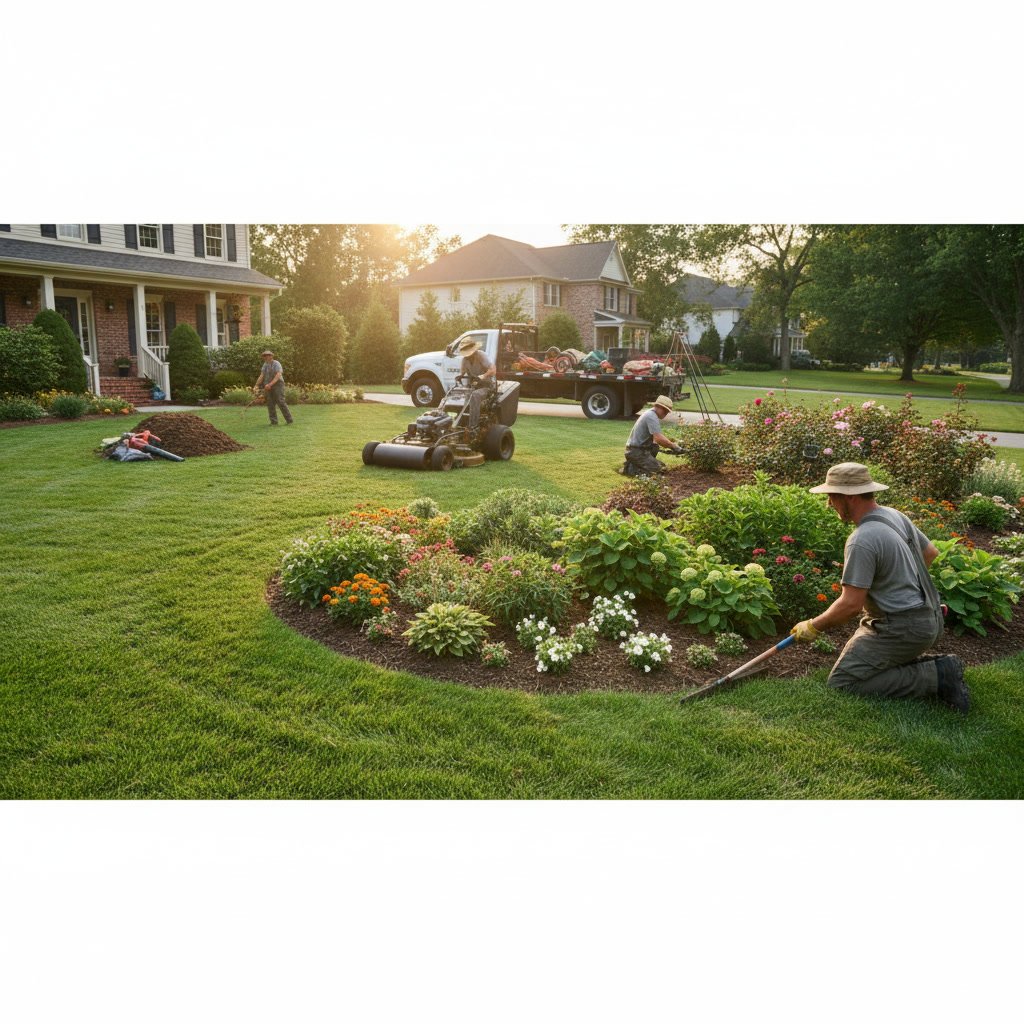
Properties with extensive outdoor landscape maintenance needs benefit from coordinated service schedules that address turf, beds, and hardscapes during the same visit. This integrated approach ensures nothing gets overlooked and eliminates the hassle of managing multiple vendors.
How to Adjust Your Schedule Without Causing Damage
Life circumstances sometimes require temporary schedule changes. The key is planning adjustments in advance rather than simply skipping visits. If you need to reduce frequency, transition gradually by moving from weekly to every nine days, then to 10 days, rather than jumping directly to biweekly service.
Seasonal transitions offer natural opportunities to adjust intervals. Shifting from weekly to biweekly service should happen in late June after the spring growth surge ends, not in mid-May when grass grows fastest. Similarly, resuming weekly service in early September prepares your lawn for fall growth rather than waiting until October when you have already missed the window.
Communicate schedule changes to your service provider at least two weeks in advance. Professional teams plan routes and staffing based on committed service intervals, and last-minute changes create inefficiencies that may result in delayed service or premium fees.
Partnering With Professionals Protects Your Investment
The difference between adequate and exceptional results comes down to consistency and expertise. All Season Lawn and Landscaping LLC has maintained properties throughout the Kansas City area since 2008, building service schedules around each client’s specific needs and growth patterns.
Regular visits from the same trained team create accountability and attention to detail that sporadic service cannot match. Your technicians learn your property’s trouble spots, drainage patterns, and seasonal quirks, catching small problems before they escalate into expensive repairs.
A reliable maintenance partner eliminates the stress of remembering to schedule service, tracking weather-related delays, or wondering whether your lawn received proper care. You get consistent results, predictable billing, and the peace of mind that comes from working with experienced professionals who take pride in every property they maintain.
All Season Lawn and Landscaping LLC serves residential and commercial clients throughout Parkville, Weatherby Lake, Gladstone, and Liberty with customized maintenance programs designed around your property’s specific requirements. Our team delivers the consistent, professional care that keeps your lawn healthy and attractive throughout the year. Call +18163633203 to discuss the right service schedule for your property and receive a detailed estimate based on your lawn’s current condition and maintenance goals.