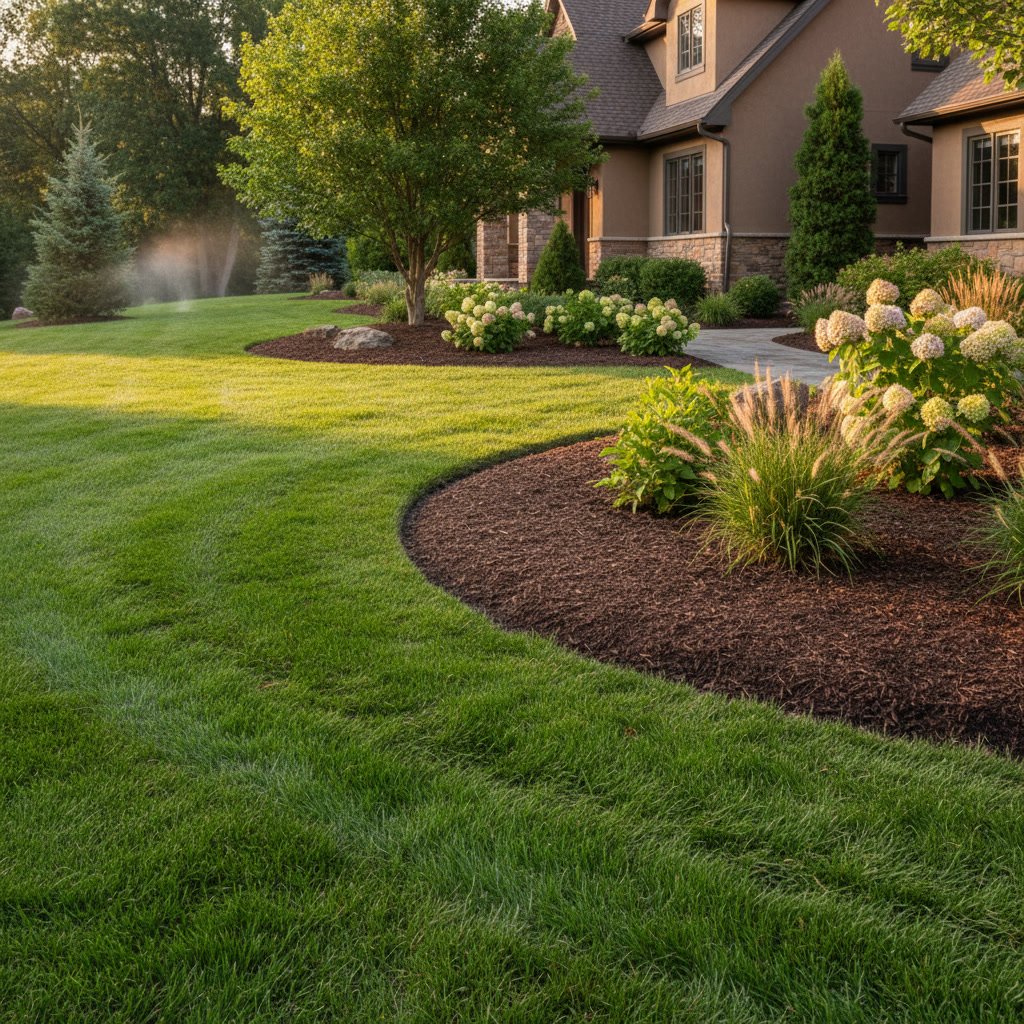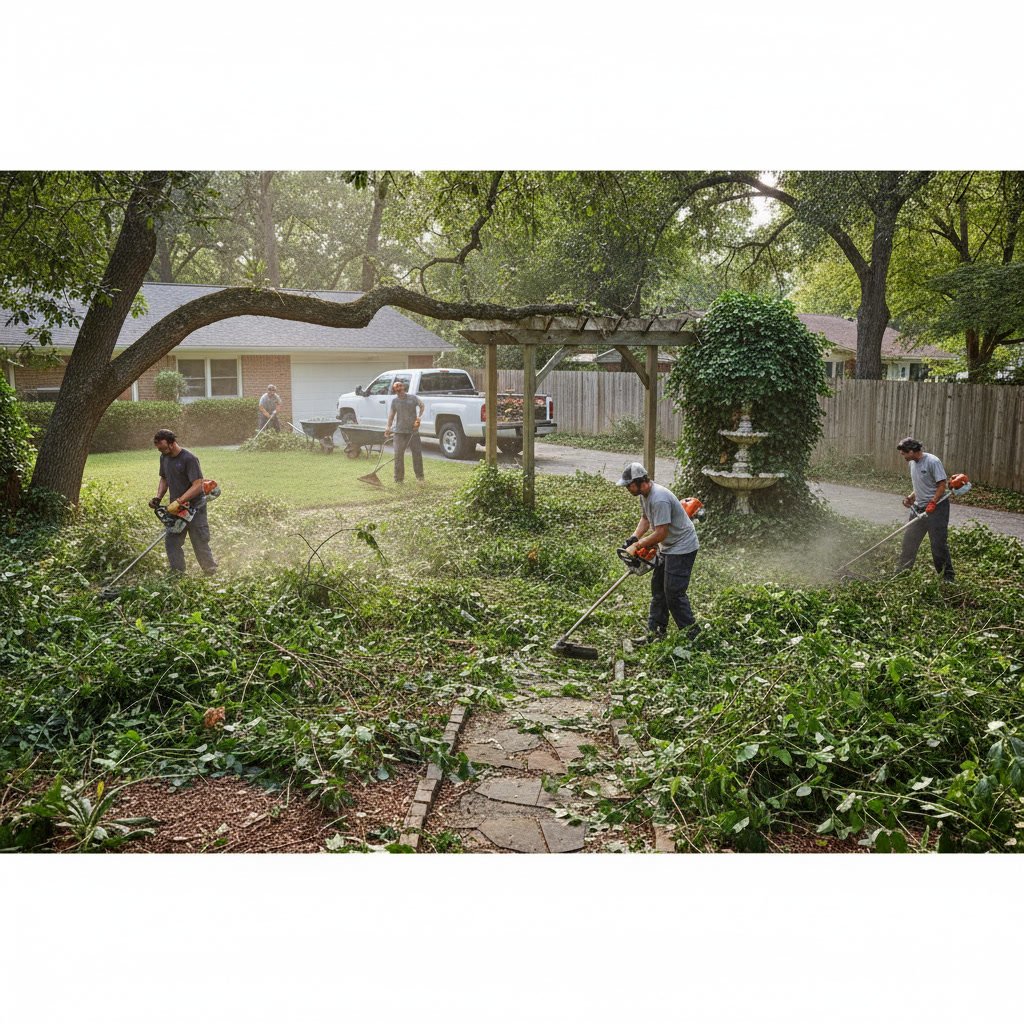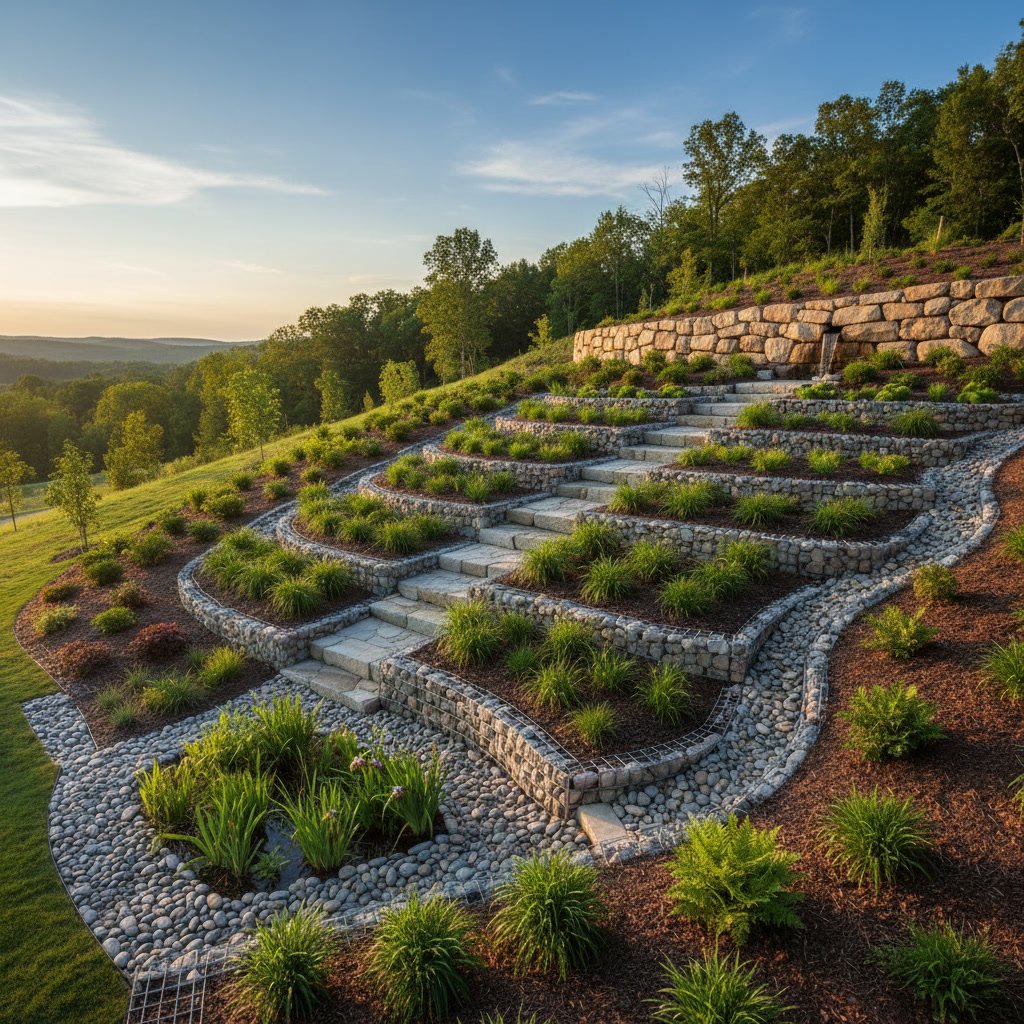
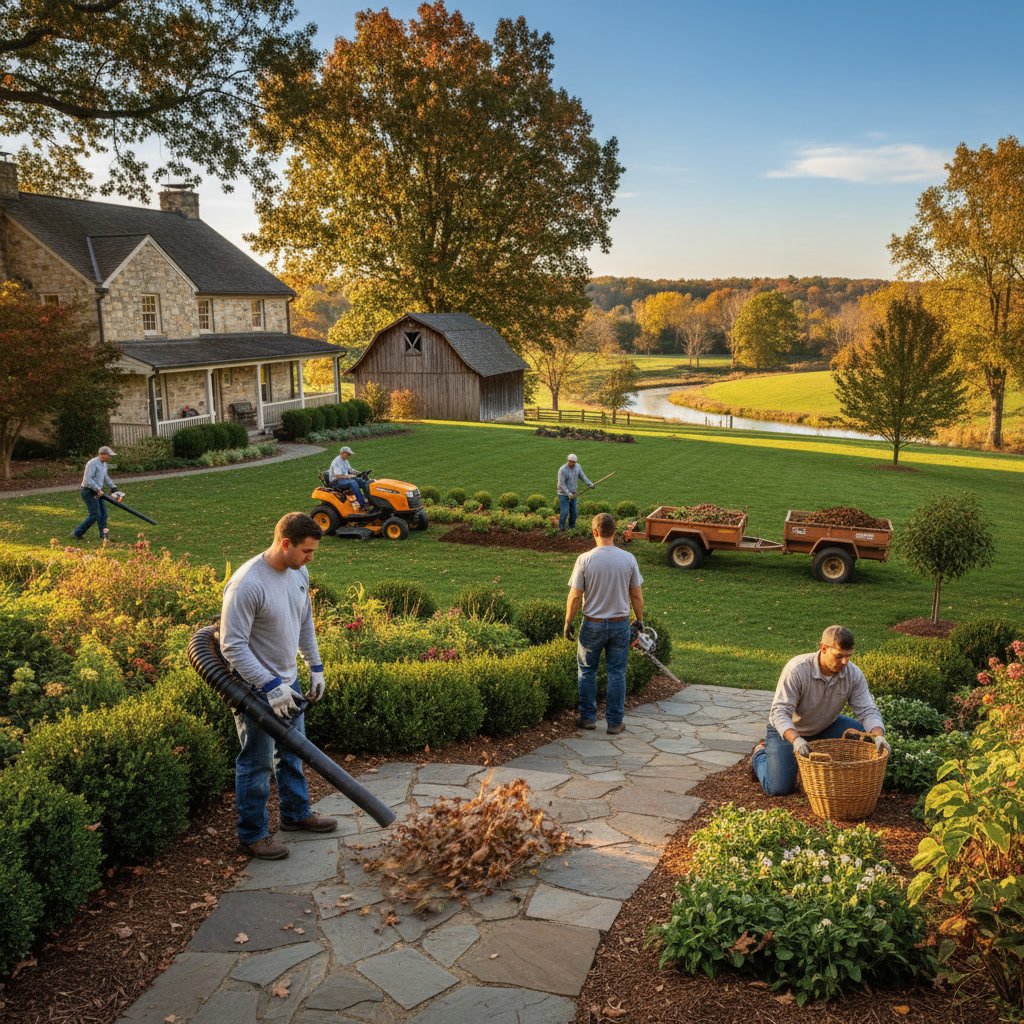
Missouri’s unpredictable weather patterns can turn a beautiful yard into an overgrown mess faster than most homeowners expect. Between humid summers, surprise late frosts, and ice storms that seem to appear out of nowhere, your property faces unique challenges that demand attention. Skipping essential outdoor landscape maintenance doesn’t just affect curb appeal. It leads to costly repairs, pest problems, and plant loss that could have been prevented with consistent care.
This guide covers the critical maintenance tasks that protect your investment and keep your property healthy through every season. Whether you manage a residential lawn in Parkville or commercial property in Liberty, these non-negotiable tasks form the foundation of proper landscape care.
Regular Mowing and Grass Height Management
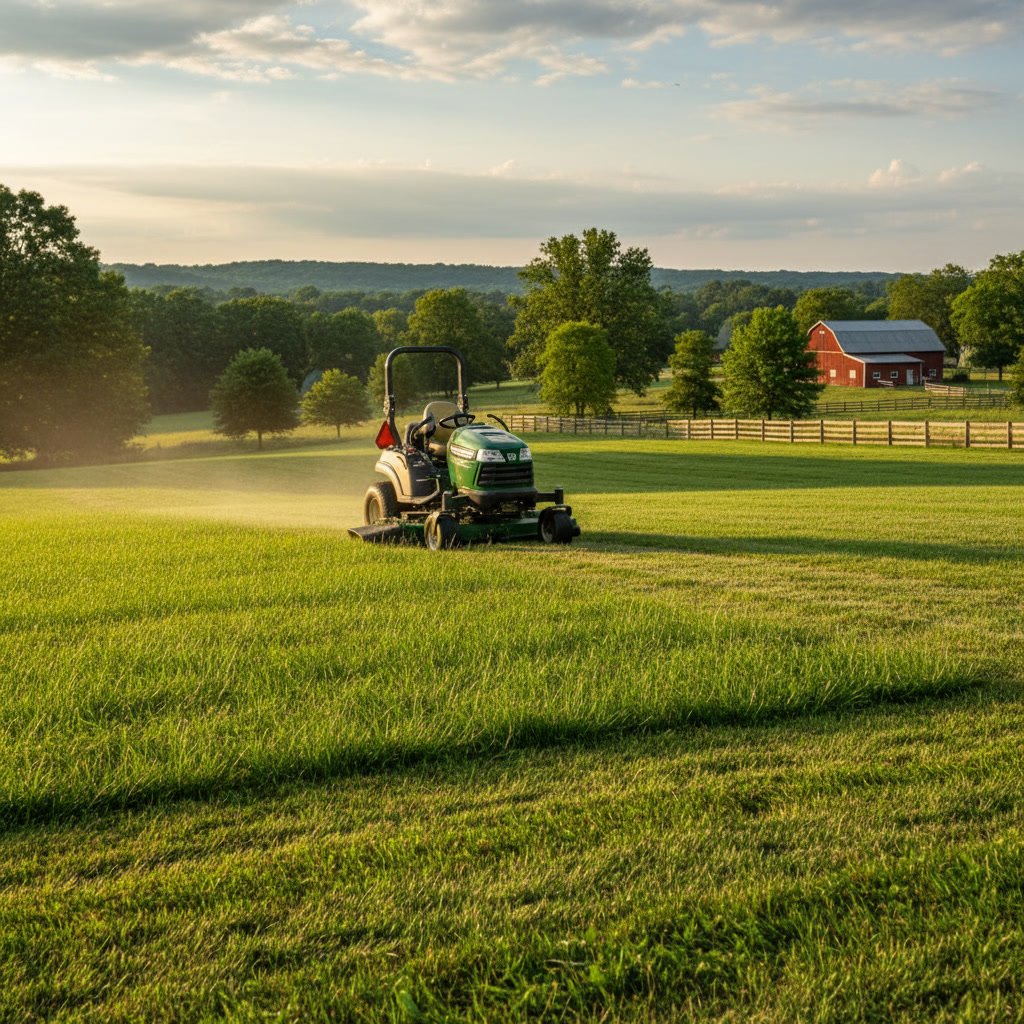
Cutting your grass isn’t just about appearance. The height and frequency of mowing directly impact root development, weed resistance, and drought tolerance. In Missouri, tall fescue and bluegrass dominate most lawns, and both thrive when cut to 3 to 3.5 inches during the growing season.
Letting grass grow too long before mowing stresses the plants and encourages thatch buildup. Cutting more than one-third of the blade height at once shocks the grass and weakens its ability to photosynthesize. During peak spring and fall growth, weekly mowing becomes essential to maintain proper height without scalping.
Sharp mower blades make a significant difference. Dull blades tear grass instead of cutting cleanly, leaving ragged brown tips that invite disease. If you’re managing multiple properties or large areas, professional lawn maintenance ensures consistent cutting schedules and proper equipment maintenance.
Pro Tip: During summer heat waves, raise your mower deck by half an inch. Taller grass shades the soil, reducing water loss and keeping roots cooler.
Seasonal Pruning and Tree Care
Dead, diseased, or crossing branches don’t just look bad. They create entry points for insects and disease while competing with healthy growth for nutrients. Pruning schedules depend on plant type, but certain tasks should never be delayed.
Spring Pruning Priorities
Before new growth begins, inspect trees and shrubs for winter damage. Remove any broken branches immediately, as torn bark invites pests and fungal infections. Spring-blooming shrubs like forsythia and lilac should be pruned right after flowering, not before, or you’ll sacrifice the entire season’s blooms.
Fruit trees need annual pruning to maintain shape and improve air circulation through the canopy. Poor air flow increases the risk of fire blight and other diseases common in Missouri’s humid spring weather.
Fall and Winter Pruning
Once trees enter dormancy, you can address structural issues without stressing the plant. Remove water sprouts, suckers, and branches growing toward the center of the tree. Dead branches become more visible after leaf drop, making late fall ideal for identifying problem areas.
Never prune oaks between April and July. Oak wilt disease spreads rapidly during active growing months, and fresh cuts attract the beetles that transmit the fungus. If you need guidance on proper timing and techniques, landscaping services can handle species-specific pruning requirements.
Mulch Replacement and Bed Maintenance
Mulch breaks down over time, losing its ability to suppress weeds, retain moisture, and regulate soil temperature. In Missouri’s variable climate, a proper mulch layer protects plant roots from both summer heat and winter freeze-thaw cycles.
Most organic mulches need refreshing annually. By late spring, last year’s mulch has decomposed or washed away, leaving beds vulnerable. A fresh 2 to 3-inch layer restores protection and improves the appearance of your landscape beds.
Pull mulch away from direct contact with tree trunks and plant stems. Mulch volcanoes trap moisture against bark, encouraging rot and providing cover for rodents that chew on tender bark during winter. Leave a 3 to 4-inch gap around the base of trees and shrubs.
Edge beds before adding new mulch to create clean lines and prevent grass from invading planted areas. This step often gets skipped, but it makes a dramatic difference in the finished appearance and reduces maintenance throughout the season. Our approach to outdoor landscape maintenance always includes proper bed preparation before applying mulch.
Irrigation System Checks and Adjustments
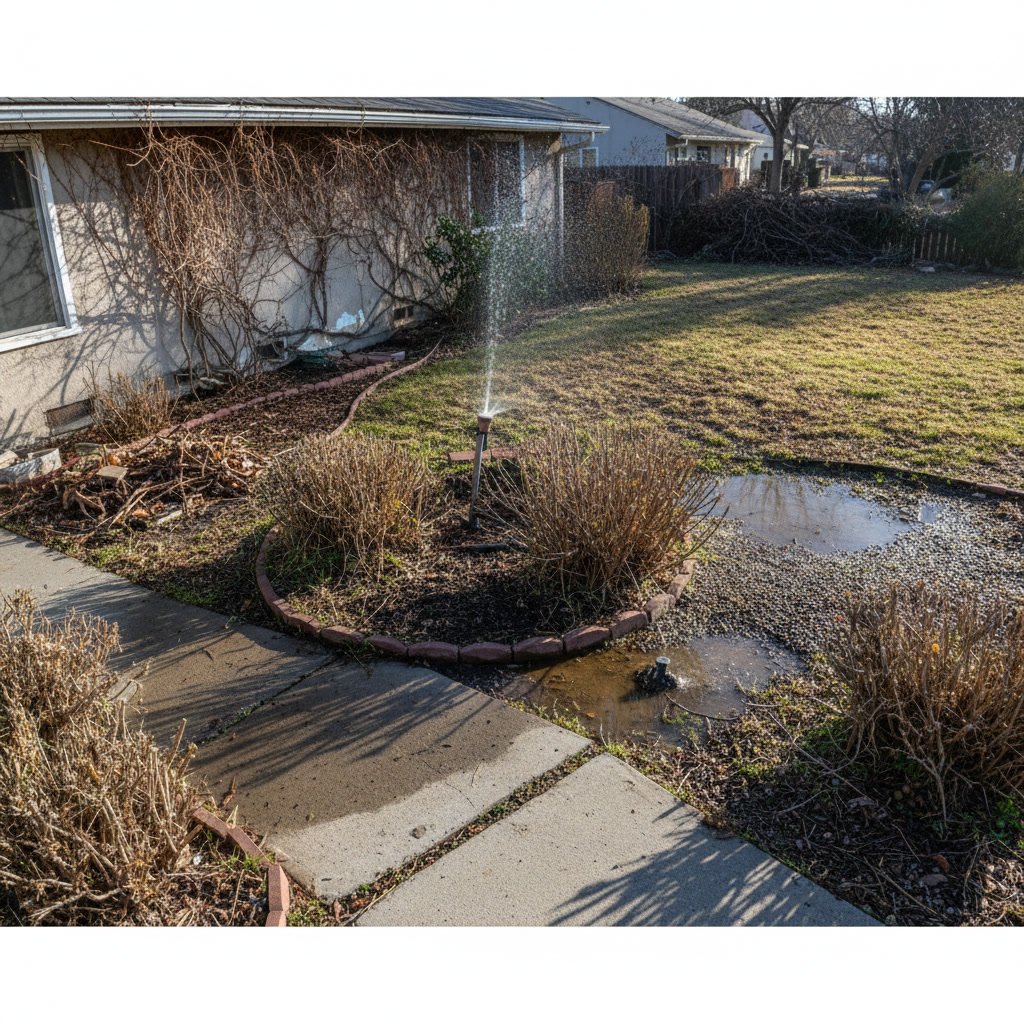
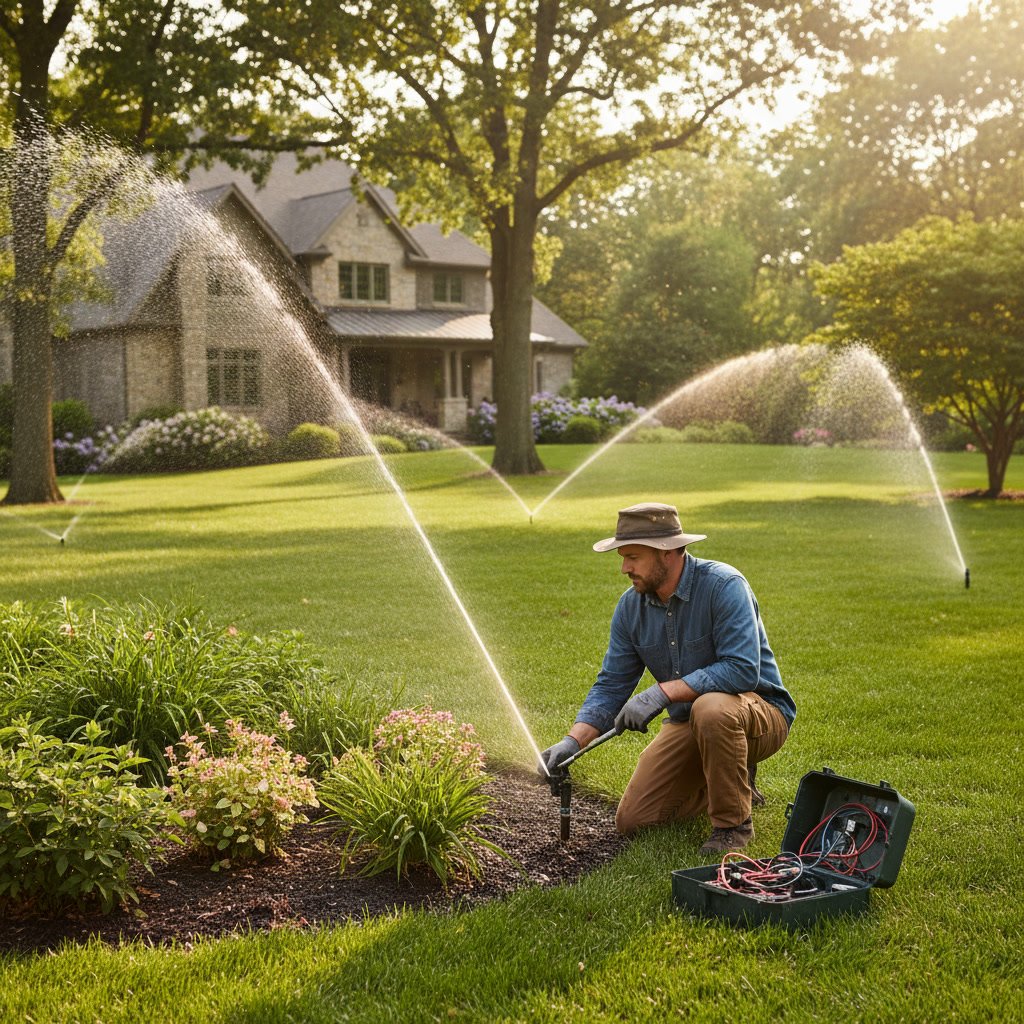
An irrigation system that worked perfectly last season may have developed leaks, clogged heads, or misaligned spray patterns over winter. Running your system without inspection wastes water and creates dry spots or oversaturated areas that damage plants.
Spring startup should include checking every zone manually. Look for broken heads, leaking valves, and areas where spray patterns have shifted to hit pavement instead of planted areas. Adjust spray direction and duration based on the mature size of plants and seasonal water needs.
Missouri summers can swing from drought to deluge within days. Smart controllers that adjust watering based on rainfall and temperature prevent overwatering during wet periods while maintaining coverage during dry spells. Systems without this technology need manual adjustment throughout the growing season.
Fall winterization prevents costly freeze damage to pipes and valves. Skipping this task can result in cracked lines that don’t reveal themselves until you turn the system on next spring. Proper blowout service removes water from lines, protecting your investment through winter.
Weed Control and Pre-Emergent Application
Weeds don’t take breaks, and missing critical application windows means dealing with established invaders instead of preventing them. Pre-emergent herbicides work by creating a barrier that stops weed seeds from germinating, but timing determines success or failure.
Crabgrass preventer needs application when soil temperatures reach 55 degrees for three consecutive days. In the Kansas City area, this typically occurs in early to mid-April. Apply too early and the barrier breaks down before weed seeds germinate. Apply too late and crabgrass has already sprouted.
Fall pre-emergent targets winter annuals like henbit and chickweed. Application in September prevents these weeds from establishing before cold weather arrives. Once spring returns, they’re already mature and producing thousands of seeds for next season.
Post-emergent treatments handle weeds that slip through or establish before pre-emergent application. Broadleaf weeds like dandelions and clover respond best to treatment in fall when they’re storing energy in their roots. Spring applications work but typically require repeat treatments.
Key Takeaway: Pre-emergent herbicides don’t kill existing weeds. If you see green weeds, you need post-emergent treatment alongside pre-emergent to prevent new growth.
Aeration and Overseeding
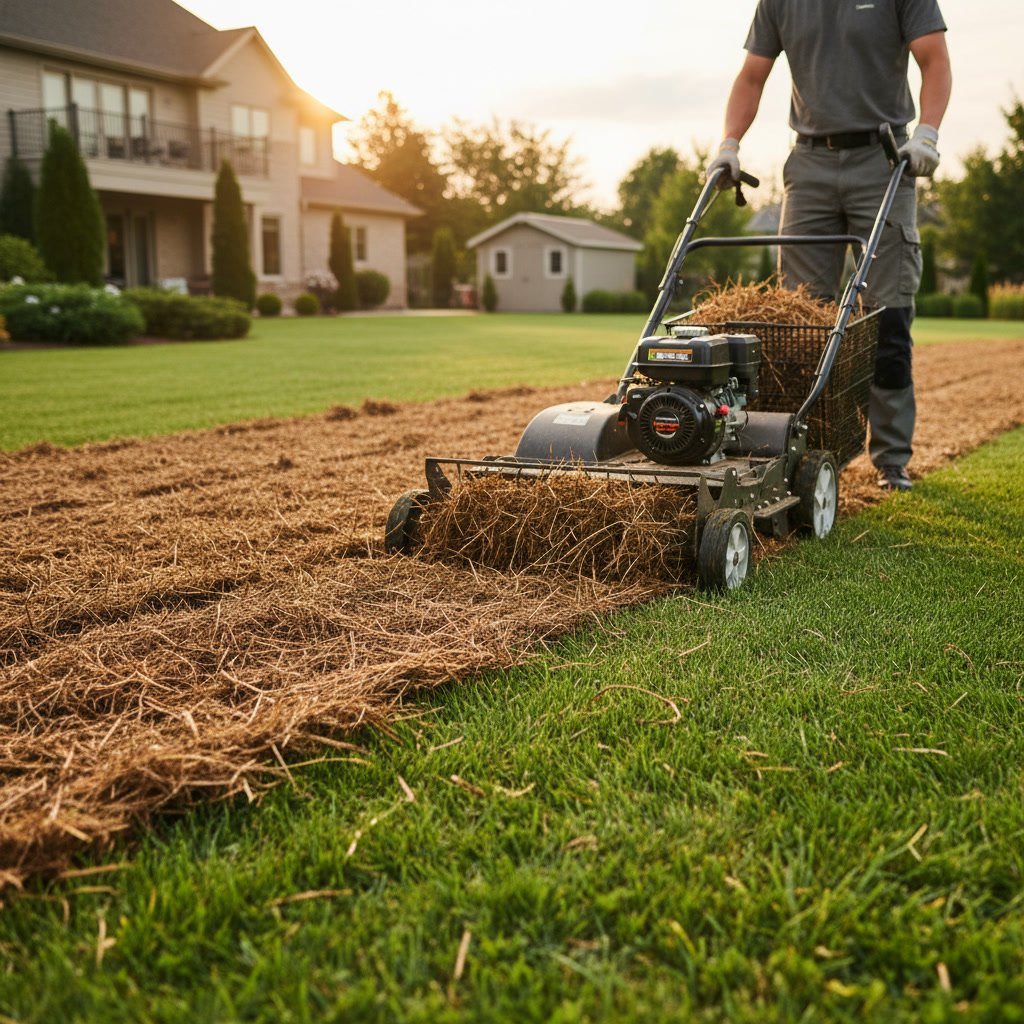
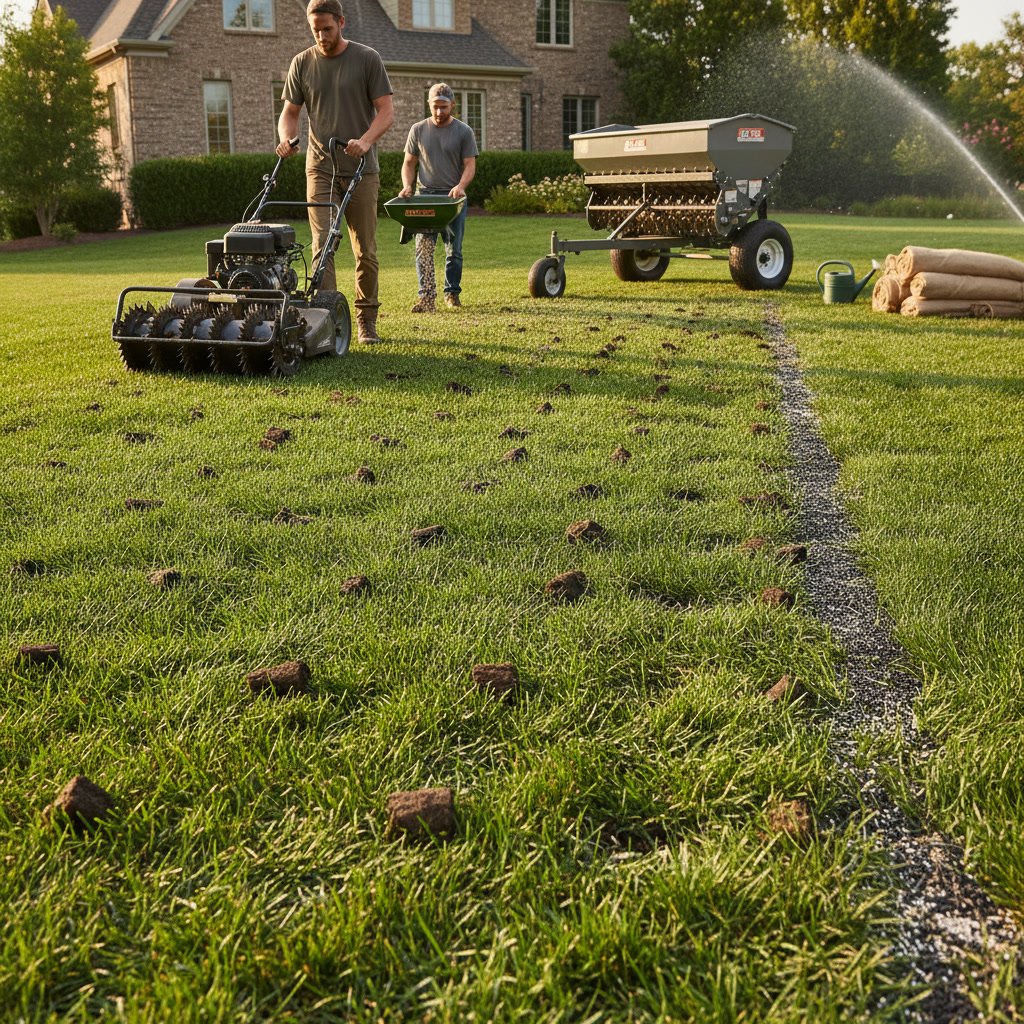
Compacted soil prevents water, oxygen, and nutrients from reaching grass roots. In high-traffic areas or clay-heavy Missouri soil, compaction builds up over time and suffocates your lawn. Core aeration pulls small plugs of soil from the ground, creating channels that improve root penetration and reduce compaction.
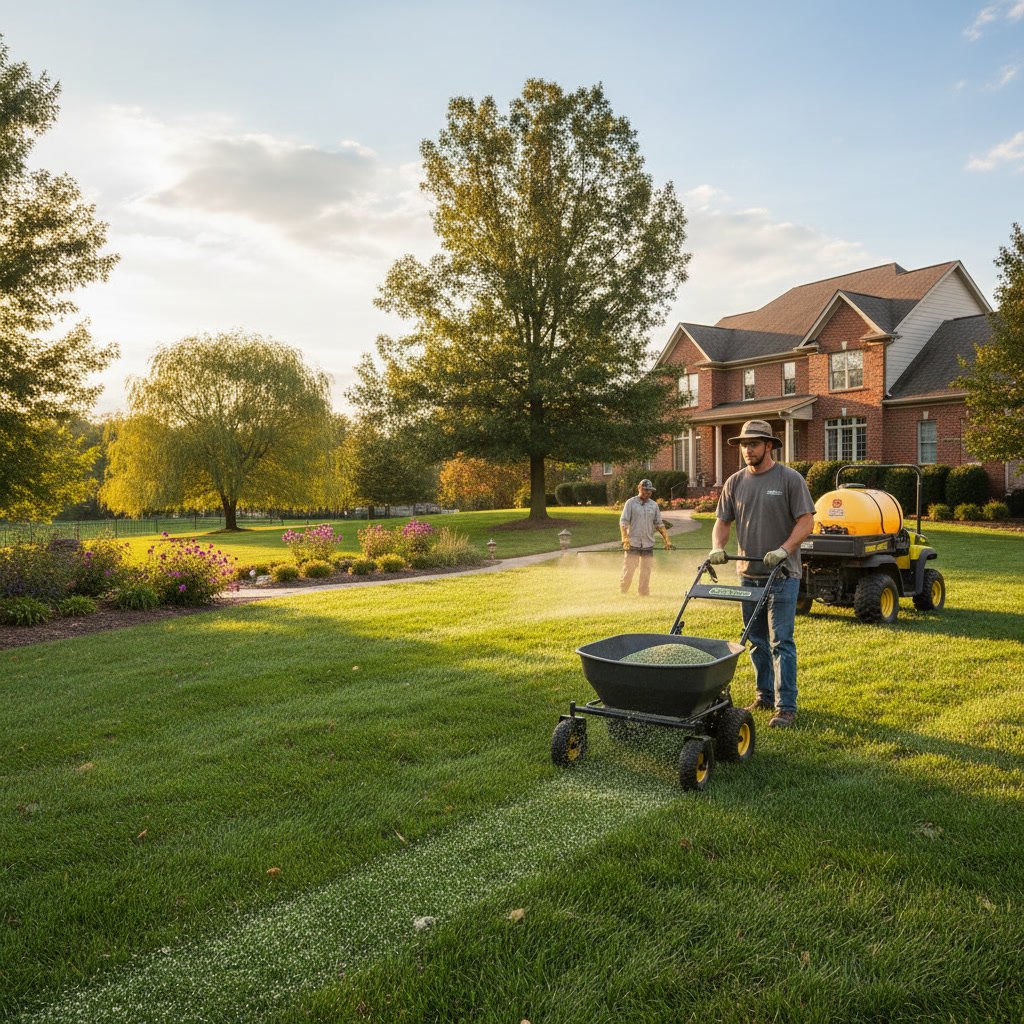
Fall provides ideal conditions for aeration and overseeding. Soil temperatures remain warm enough for germination while cooler air temperatures reduce stress on establishing seedlings. Aeration holes create perfect pockets for seed-to-soil contact, dramatically improving germination rates.
Skip aeration and you’ll notice thinning turf, increased runoff during rain, and poor performance from fertilizer applications. Nutrients can’t reach roots through compacted soil, so you’re essentially wasting money on products that sit on the surface.
Overseeding fills in bare patches and thickens existing turf. A dense lawn crowds out weeds naturally, reducing the need for chemical treatments. After aeration, spread seed at recommended rates for your grass type and keep the soil consistently moist for two to three weeks. Professional lawn care includes proper seed selection for Missouri’s climate and your specific sun exposure.
Debris Removal and Drainage Management
Leaves, branches, and organic debris don’t just look messy. A thick layer of leaves smothers grass and creates ideal conditions for snow mold when winter arrives. Debris in gutters and drainage areas causes water backup that damages foundations and creates standing water where mosquitoes breed.
Fall cleanup requires multiple passes as trees drop leaves at different rates. Waiting until every leaf has fallen means early-dropping trees have already been sitting under a suffocating blanket for weeks. Regular removal prevents matting and allows grass to continue photosynthesizing late into the season.
Check drainage areas after every major storm. Blocked drains, clogged swales, and debris-filled culverts redirect water toward structures instead of away from them. In Parkville and Gladstone, properties with mature trees need consistent attention to keep drainage systems functioning properly.
Spring brings its own debris challenges. Ice storms and late winter winds drop branches throughout the property. Dead material left on the ground encourages fungal growth and provides harborage for pests. A thorough yard cleanup after winter damage prevents these issues from compounding through the growing season. For detailed guidance specific to post-winter recovery, homeowners often benefit from following a yard cleanup checklist for Liberty homeowners after storms and winter.
Fertilization on a Proper Schedule
Plants need nutrients at specific times to support growth, root development, and stress tolerance. Random fertilizer application or skipping feedings entirely leads to weak plants that struggle with disease pressure and environmental stress.
Cool-season grasses that dominate Missouri lawns need different feeding schedules than warm-season varieties. Tall fescue and bluegrass benefit most from fall fertilization when they’re actively growing roots. A strong root system developed in fall carries the lawn through summer stress months.
Spring feeding should be moderate, focusing on slow-release nitrogen that provides steady growth without forcing excessive top growth. Heavy spring nitrogen applications create lush green blades but weak roots, setting up the lawn for failure when summer heat arrives.
Trees and shrubs have their own nutritional requirements. Newly planted specimens need phosphorus to encourage root establishment, while mature plants benefit from balanced formulations applied in early spring or late fall. Soil testing removes guesswork and identifies specific deficiencies that impact plant health.
If you’re unsure about what your lawn needs, learning more about what is included in professional lawn maintenance services can clarify the difference between basic care and comprehensive nutrient management.
Pest and Disease Monitoring
Most landscape problems start small and become expensive when ignored. Catching issues early, whether insect damage or fungal disease, makes treatment simpler and more effective. By the time damage is obvious across your entire lawn, control becomes difficult and costly.
Grubs feed on grass roots from mid-summer through fall. A few grubs per square foot won’t cause noticeable damage, but populations above 10 per square foot destroy turf. Check for grubs in late July by cutting and lifting a square foot section of sod. If the damage is already visible, you’ve likely missed the ideal treatment window.
Brown patch fungus thrives in Missouri’s hot, humid summers. Circular patches of brown grass appear overnight and spread rapidly without treatment. Proper watering practices help prevent it, watering deeply in early morning rather than frequent shallow evening watering that keeps grass blades wet overnight.
Bagworms strip evergreens bare if populations go unchecked. Small bags visible in spring contain hundreds of eggs that hatch and immediately begin feeding. Hand-picking bags in winter or early spring prevents the next generation from establishing. Chemical control works only when larvae are small and actively feeding.
Frequently Asked Questions
How often should I schedule outdoor landscape maintenance in Missouri?
During the active growing season from April through October, most properties need weekly mowing and monthly maintenance for pruning, edging, and bed care. Spring and fall require additional services like aeration, cleanup, and seasonal planting. Winter maintenance is minimal but includes storm damage cleanup and planning for the upcoming season.
Can I skip fall cleanup if I mulch my leaves?
Mulching light leaf cover works well and returns nutrients to the soil. However, thick accumulations from heavy leaf fall will smother grass and create disease problems regardless of whether leaves are mulched or left whole. If you can’t see grass through the leaf layer, you need to remove excess material rather than mulching it in place.
What happens if I miss pre-emergent herbicide application?
You’ll spend the season fighting established weeds instead of preventing them. Post-emergent herbicides can control existing weeds but require multiple applications and cost more than preventive treatments. Some weeds like crabgrass produce thousands of seeds before dying, making next year’s weed pressure even worse if you don’t control them this season.
Is professional outdoor landscape maintenance worth the cost?
Professional services provide consistent scheduling, proper equipment, and expertise that prevents costly mistakes. Skipped maintenance leads to expensive problems like dead plants that need replacement, irrigation repairs from freeze damage, and pest infestations that could have been prevented. Most homeowners find professional care costs less than fixing problems caused by deferred maintenance.
When should I winterize my irrigation system in Missouri?
Schedule winterization before the first hard freeze, typically in late October or early November in the Kansas City area. Waiting until after a freeze risks cracked pipes and damaged valves. Professional blowout service removes water from lines, preventing freeze damage that won’t reveal itself until spring startup.
Protect Your Investment Year-Round
Consistent outdoor landscape maintenance prevents small issues from becoming expensive repairs while protecting the health and appearance of your property. Each task on this list addresses specific vulnerabilities created by Missouri’s climate and should remain part of your annual care schedule.
All Season Lawn and Landscaping LLC has served properties throughout Parkville, Weatherby Lake, Gladstone, and Liberty since 2008. Our full-service approach means one company handles all your landscape needs on a schedule that keeps your property healthy through every season. If you’re ready to stop worrying about maintenance tasks and start enjoying your outdoor spaces, call +18163633203 to discuss a customized maintenance plan for your property.