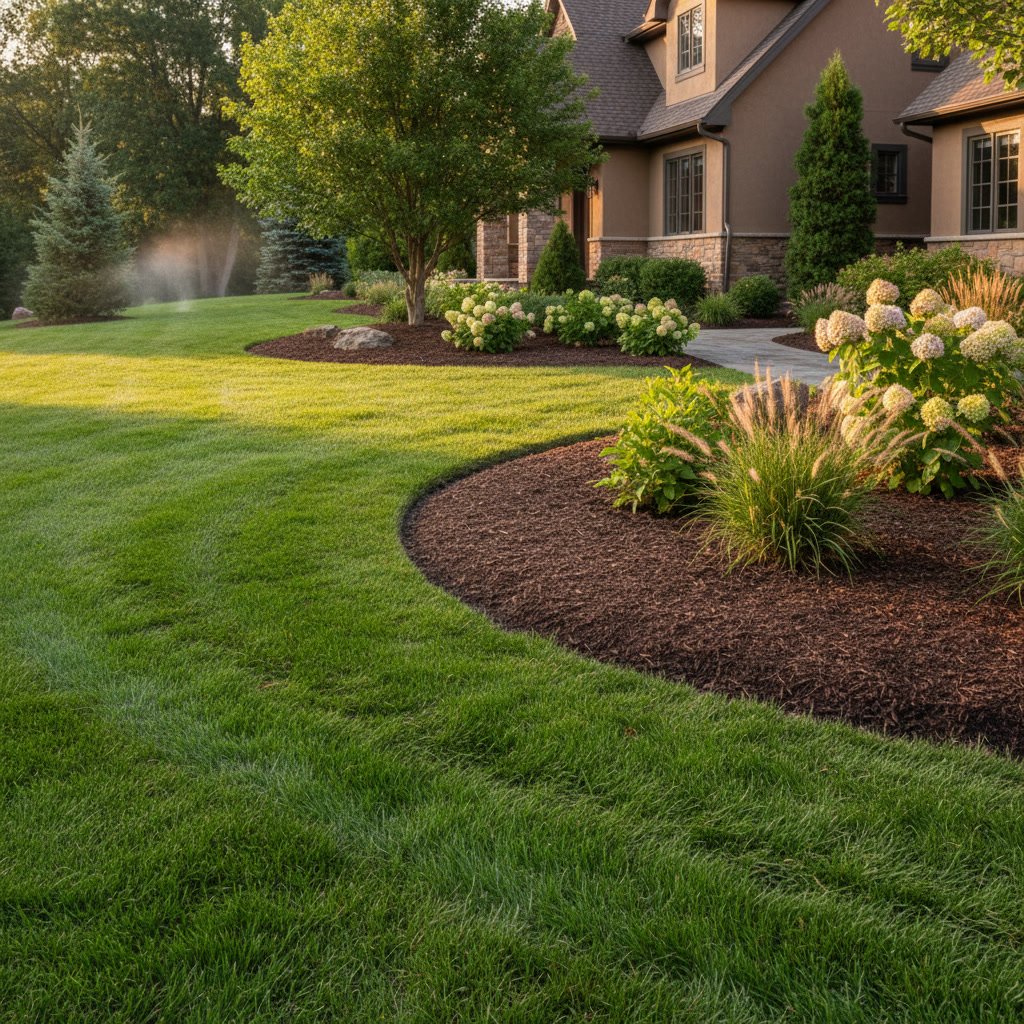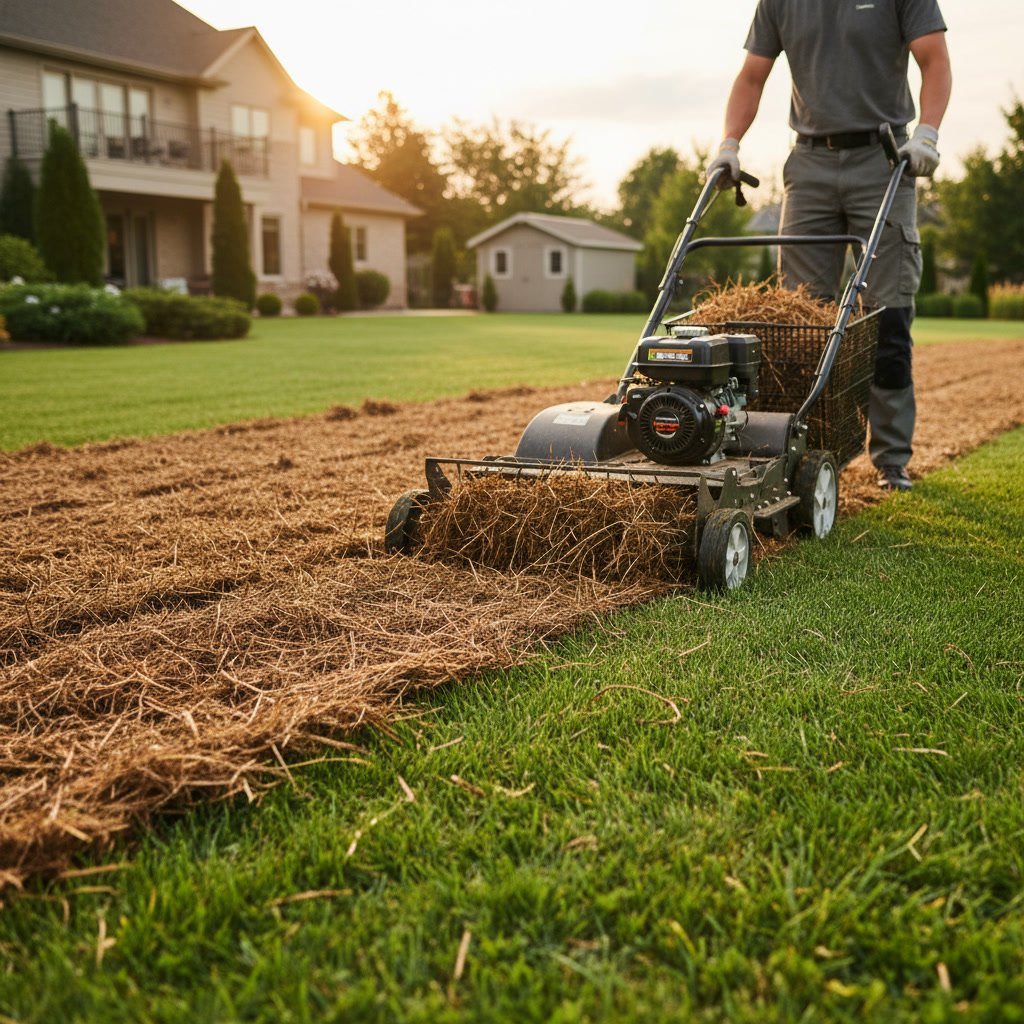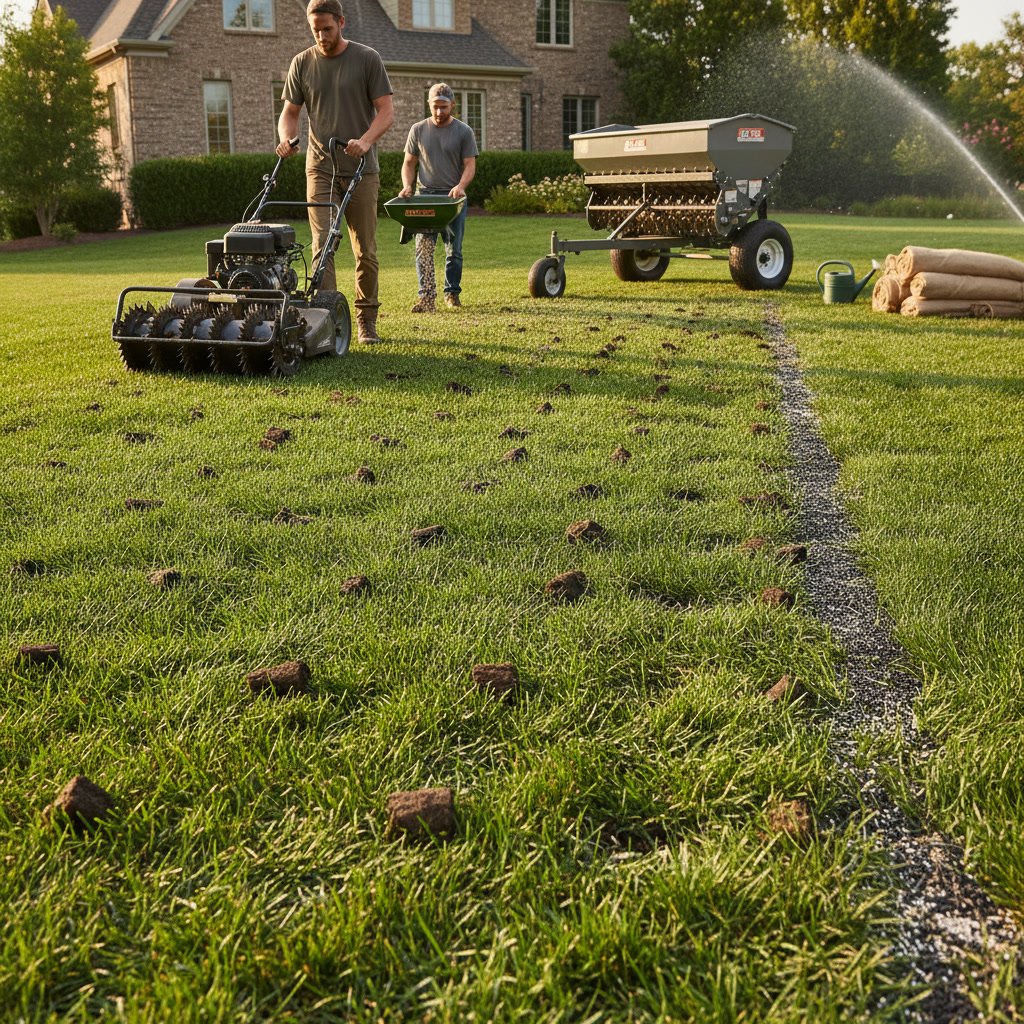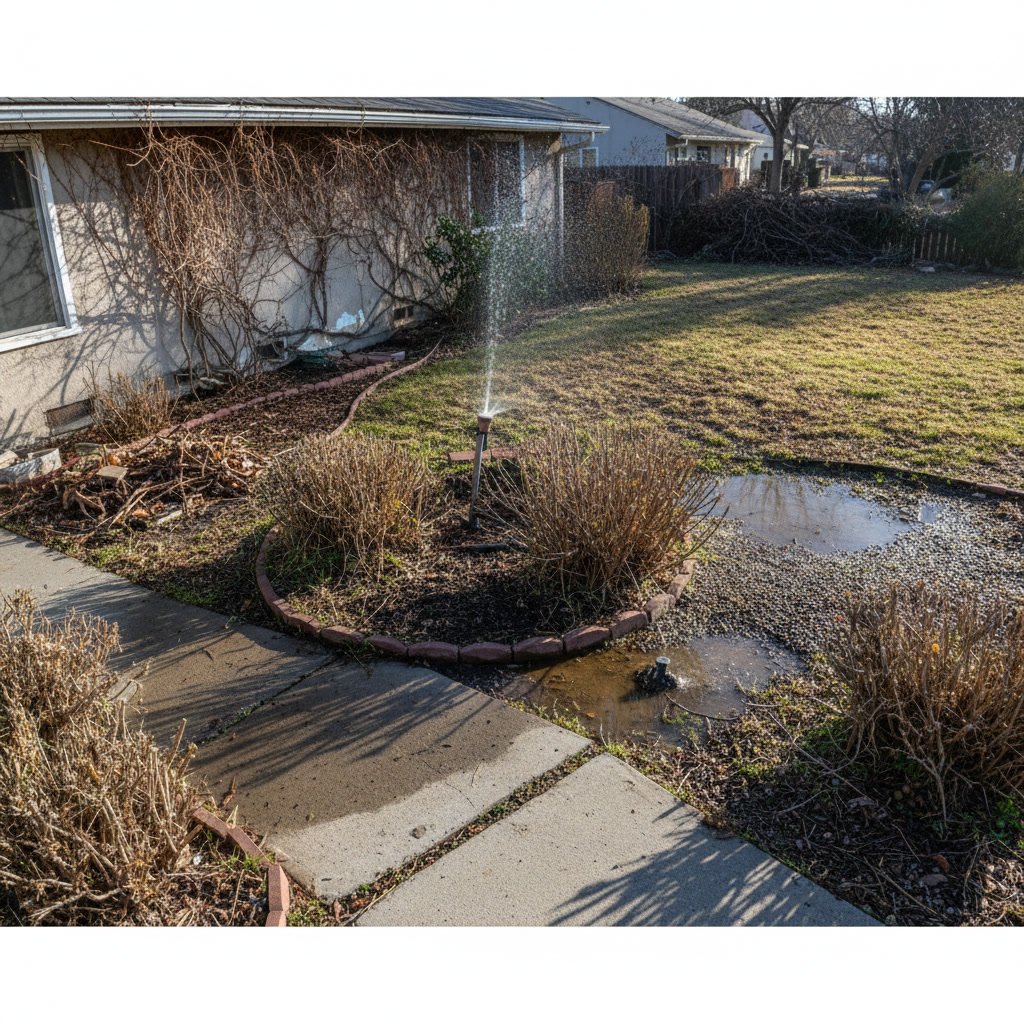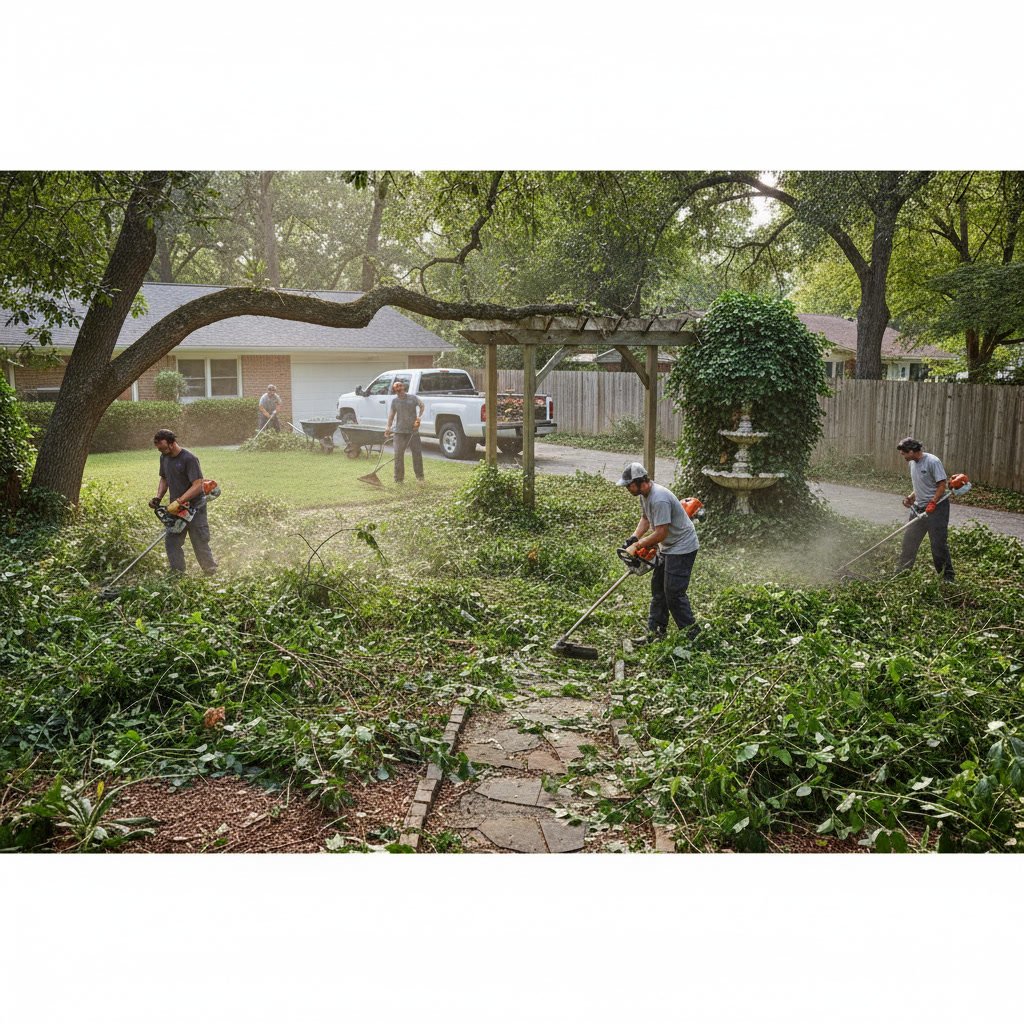
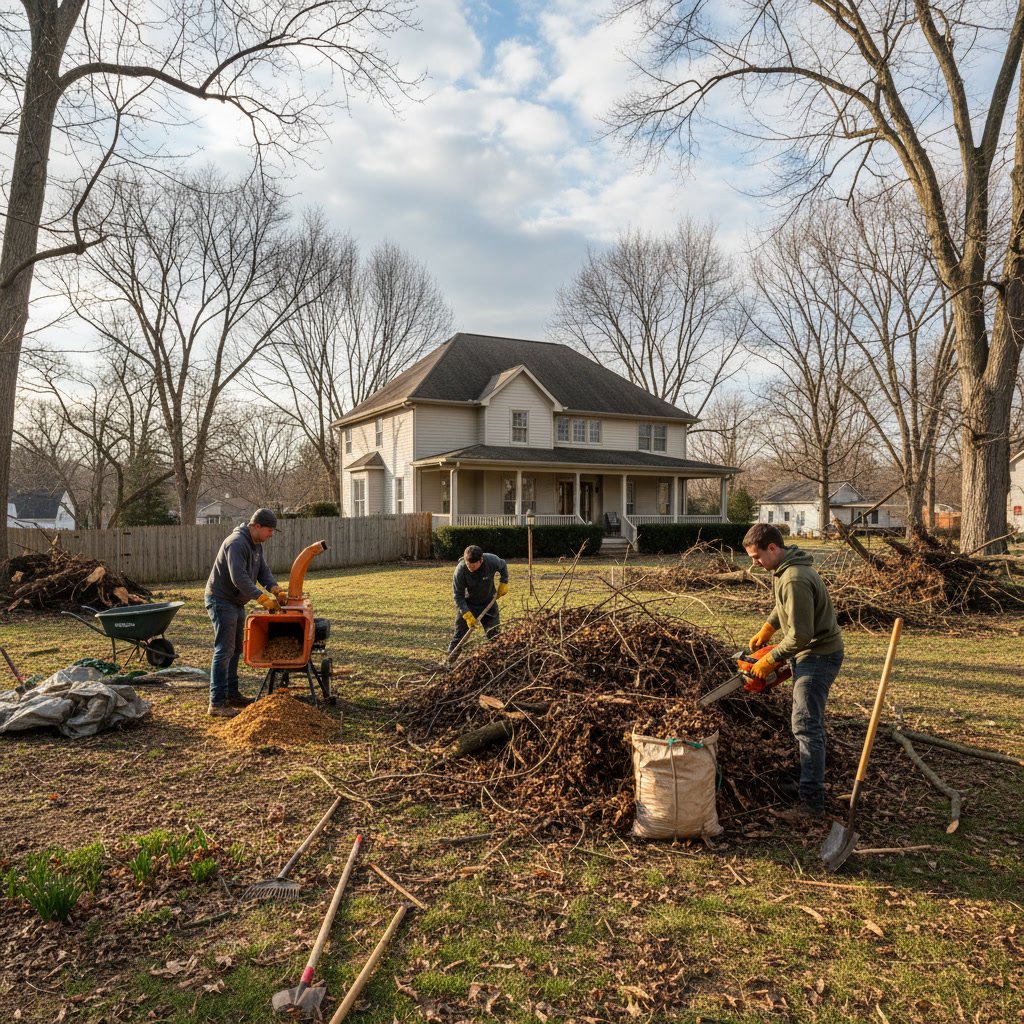
Severe weather takes a serious toll on your property. After winter freezes and spring storms roll through Liberty, Missouri, your yard often looks like a battlefield of broken branches, damaged flower beds, and matted grass. The damage doesn’t just affect curb appeal. Left unaddressed, storm debris and winter wear can create safety hazards, block drainage, damage healthy plants, and set your lawn back months in recovery time.
This yard cleanup Liberty checklist walks you through every task needed to assess damage, clear debris safely, and restore your outdoor space after harsh weather. Whether you’re tackling the work yourself or calling in professionals, you’ll know exactly what needs attention and in what order.
Start With a Complete Property Walk-Through
Before you pick up a single branch, walk your entire property with a notepad. Document what you see. Look for downed limbs, damaged fencing, standing water, exposed tree roots, and areas where mulch has washed away.
Pay special attention to trees near structures. Cracked limbs hanging over your roof or power lines require immediate professional attention. Note any changes in drainage patterns, especially new low spots where water collects after rain.
Check hardscape elements like retaining walls, pathways, and patios. Freeze-thaw cycles during winter can shift pavers, crack concrete, and destabilize wall blocks. Early spring is the ideal time to spot these issues before they worsen.
Pro Tip: Take photos during your walk-through. They help when discussing repairs with contractors and provide a before-and-after record of your cleanup progress.

Clear Debris From Largest to Smallest
Start your physical cleanup with the biggest items first. Large branches and fallen limbs should be your priority. They’re trip hazards and often hide smaller debris underneath.
Remove Fallen Branches and Limbs
Sort branches by size as you collect them. Branches under two inches in diameter can typically go in yard waste bags. Larger limbs may need to be cut into manageable sections with a chainsaw or pruning saw.
Stack larger wood in an out-of-the-way location if you have a fireplace or know someone who wants firewood. For everything else, check with Liberty’s waste management services about bulk pickup schedules or consider renting a dumpster for major cleanups.
Pick Up Twigs, Leaves, and Small Debris
Once large items are gone, rake up smaller twigs, dead leaves, and accumulated winter debris. This material often smothers grass and prevents early spring growth. Pay extra attention to areas under trees and along fence lines where debris tends to collect.
A leaf blower speeds this process considerably, especially on driveways and patios. For lawn areas, a flexible rake works better than a rigid one, reducing the risk of tearing up grass that’s still fragile from winter dormancy.
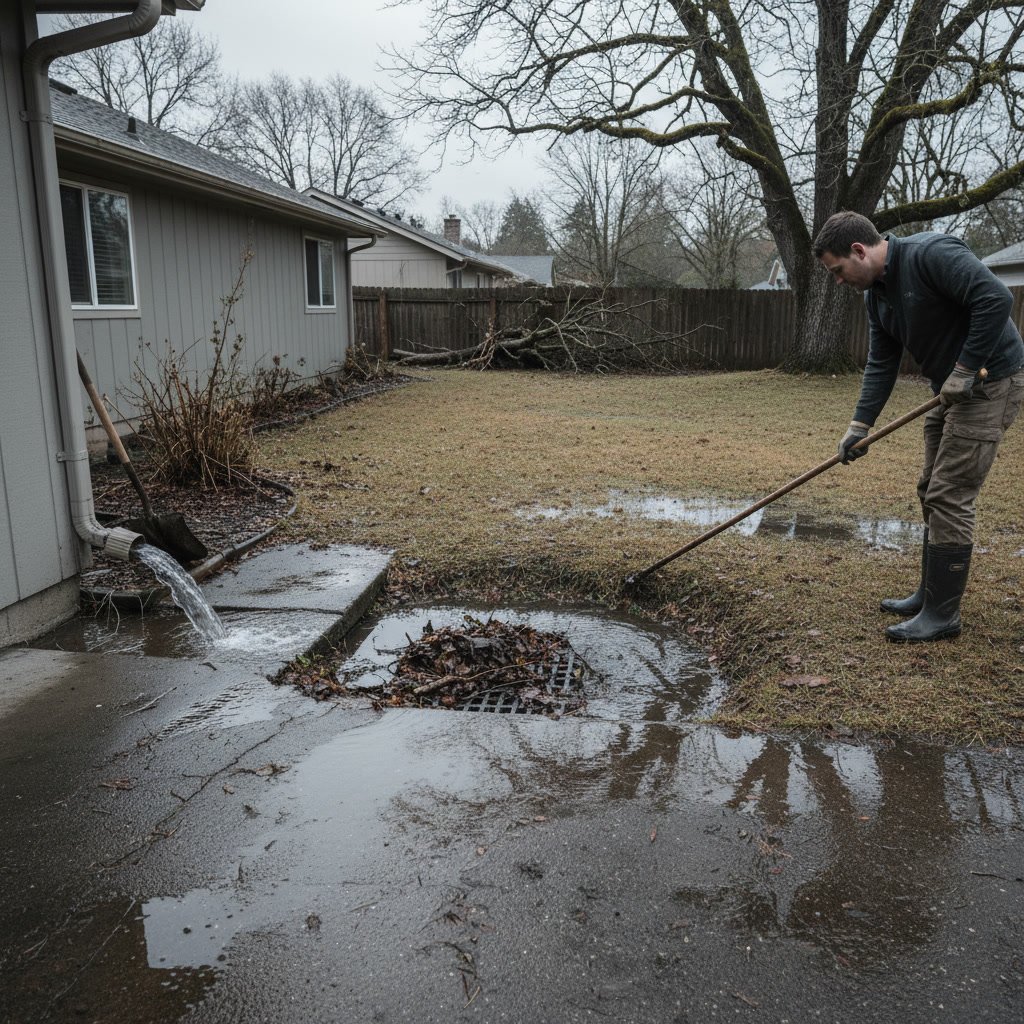
Clear Gutters and Downspouts
Storm debris doesn’t just fall on the ground. Gutters often overflow with leaves, twigs, and shingle granules after winter storms. Clogged gutters direct water against your foundation and create ice dams during late-season freezes.
Clean gutters by hand or with a gutter scoop, then flush downspouts with a hose to confirm they drain freely. Check that downspout extensions direct water at least six feet away from your foundation.
Assess and Address Lawn Damage
Once debris is cleared, you can finally see the condition of your turf. Winter and storms create several common lawn problems that need different solutions.
Deal With Snow Mold and Matted Grass
Matted grass and circular patches of gray or pink fuzz indicate snow mold, a fungal disease common after prolonged snow cover. Rake affected areas gently to break up the mat and improve air circulation. Most cases resolve on their own once the grass dries and starts growing.
Avoid aggressive raking on healthy turf this early. Grass roots are still establishing after winter, and excessive disturbance can cause more damage than the matting itself.
Repair Bare Spots and Damaged Areas
Heavy snow equipment, concentrated foot traffic, and de-icing salt often leave bare patches. Mark these areas for overseeding once soil temperatures reach 50 degrees, typically mid to late April in Liberty.
For salt-damaged areas along driveways and sidewalks, flush the soil with water to dilute remaining salt concentrations. These spots may need soil amendment and reseeding for full recovery.
A comprehensive lawn care program addresses these issues systematically, ensuring your turf recovers quickly and fully from winter stress.
Check for Drainage Problems
Walk your property after a rain. Standing water that persists more than 24 hours indicates drainage issues. Common causes include compacted soil, clogged drains, or ground settling that creates new low spots.
Minor drainage issues might resolve with aeration and topdressing. Persistent problems often require professional grading or installation of French drains to redirect water flow properly.
Inspect and Prune Trees and Shrubs
Winter storms damage trees in ways that aren’t always immediately obvious. Cracked branches might hang on for weeks before falling. Split bark and torn limbs create entry points for disease and insects.
Remove Damaged and Dead Wood
Cut back broken branches to healthy wood, making clean cuts just outside the branch collar. This small ridge of bark where the branch meets the trunk contains cells that seal the wound naturally.
Remove dead branches that show no signs of budding by late April. These won’t recover and pose a falling hazard during future storms.
Look for Storm-Stressed Trees
Large cracks in trunks or major limbs, exposed roots, or trees leaning at new angles all indicate serious structural problems. These trees pose significant safety risks and usually require professional evaluation.
Don’t attempt to remove large limbs yourself, especially those near power lines or structures. Professional arborists have the equipment and training to handle dangerous tree work safely.
Trim Shrubs and Shape Hedges
Early spring before new growth emerges is ideal for pruning most shrubs. Remove dead, diseased, or crossing branches first. Then shape for aesthetics, cutting just above outward-facing buds to encourage spreading growth.
Wait to prune spring-flowering shrubs like lilacs and forsythia until after they bloom. Pruning them now removes this year’s flower buds.
Restore Landscape Beds and Borders
Mulch washes away, borders shift, and perennials emerge damaged. Restoring planting beds requires several steps for best results.
Clean Out Old Mulch and Debris
Remove any remaining fallen leaves, broken branches, and other debris from beds. Rake old mulch lightly to break up any matted surface crust that prevents water penetration.
Pull back mulch from directly against tree trunks and plant stems. Mulch piled against bark traps moisture and encourages rot and disease.
Edge and Define Bed Lines
Winter frost heaving and spring rains blur the lines between lawn and beds. Re-cut edges with a spade or power edger to restore clean definition. Sharp edges improve appearance and prevent grass from creeping into planting areas.
Professionals who offer yard cleanup services include bed edging as part of comprehensive spring restoration work.
Apply Fresh Mulch
Add two to three inches of fresh mulch to beds after cleanup and edging. Mulch suppresses weeds, retains soil moisture, regulates temperature, and gives beds a finished appearance.
Organic mulches like shredded bark decompose over time, improving soil quality. Replenish mulch annually to maintain proper depth.
Cut Back Perennials
Remove dead foliage from ornamental grasses and perennials if you didn’t cut them back last fall. Cut grasses to four to six inches above ground level. Trim perennial stems to just above emerging new growth.
Avoid cutting too early on marginally hardy perennials. Old foliage provides some cold protection during late-season freezes common in Liberty, MO through mid-April.
Address Hardscape Repairs
Freeze-thaw cycles wreak havoc on patios, walkways, and retaining walls. Spring cleanup includes inspecting and repairing these structural elements.
Reset Shifted Pavers
Freezing ground lifts individual pavers, creating trip hazards and uneven surfaces. Remove affected pavers, level the base sand, and reset them flush with surrounding stones. Add fresh polymeric sand between joints to lock everything in place.
Fill Cracks in Concrete
Small cracks in concrete walkways and patios expand rapidly once water enters and freezes. Clean cracks thoroughly and fill with concrete crack filler or flexible sealant rated for outdoor use.
Large cracks, spalling concrete, or sections that have shifted significantly may require professional repair or replacement to prevent safety issues.
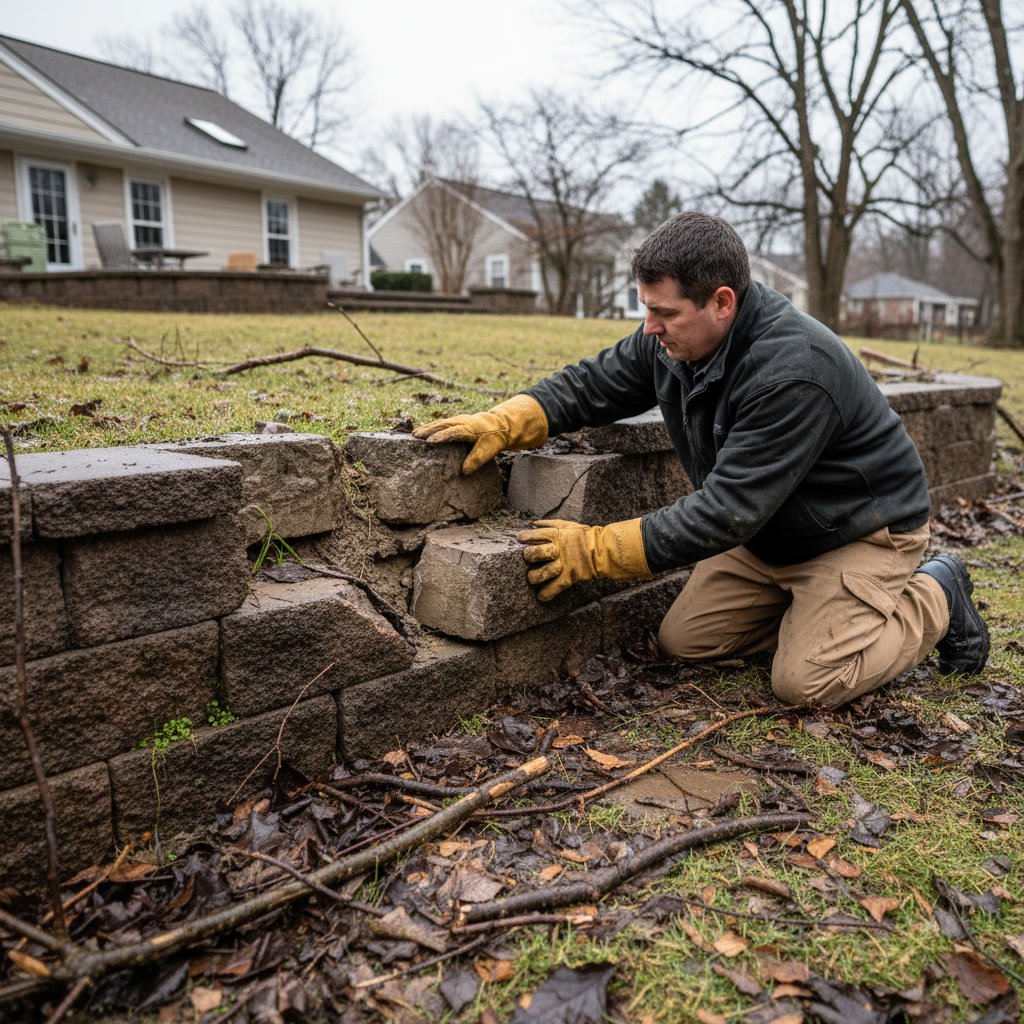
Inspect Retaining Walls
Look for bulging, leaning, or separated sections in retaining walls. These signs indicate pressure problems or failing drainage that require immediate attention before complete collapse occurs.
Minor wall repairs might involve resetting a few blocks. Major problems often mean the wall needs redesigning with improved drainage. If your property needs structural landscape design work, consult professionals who can engineer proper solutions.
Prepare Equipment and Plan Seasonal Tasks
Yard cleanup isn’t just about addressing damage. It’s also the time to prepare equipment and plan the season ahead.
Service Lawn Equipment
Before the first mowing, service your lawn mower. Change oil, replace the air filter, install a fresh spark plug, and sharpen or replace the blade. A sharp blade cuts grass cleanly, while dull blades tear and damage turf.
Test sprinkler systems by running each zone. Look for broken heads, leaks, and areas with poor coverage. Make repairs before hot weather arrives and your lawn depends on irrigation.
Schedule Core Tasks
Spring is the best time for core lawn tasks like aeration and overseeding. Aeration relieves compaction, improves drainage, and helps roots access oxygen and nutrients. Overseeding thickens turf and crowds out weeds.
Plan fertilization based on grass type. Cool-season grasses common in Liberty benefit from spring feeding as they enter their primary growing season. Many homeowners find that professional lawn maintenance programs deliver better results than DIY approaches, especially for specialized tasks like proper fertilization timing and rates.
Consider Professional Help
Major cleanup after severe storms often exceeds what most homeowners can handle alone. The volume of debris, specialized equipment needs, and potential safety hazards make professional assistance a practical choice.
Professional services complete large cleanups in hours rather than weekends. They have commercial equipment, proper disposal methods, and experience identifying damage that untrained eyes often miss. Understanding what is included in professional lawn maintenance services helps you decide which tasks to handle yourself and which to delegate.
Protect Your Investment With Ongoing Care
Completing your storm and winter cleanup sets the foundation for a healthy landscape, but maintaining those results requires consistent attention throughout the growing season.
Regular mowing, appropriate watering, timely fertilization, and proactive weed control keep your lawn thick and resilient. Consistent maintenance reduces vulnerability to future storm damage and makes cleanup after the next weather event much easier.
Established maintenance schedules prevent small problems from becoming expensive repairs. Dead branches removed promptly don’t fall on structures. Drainage issues addressed early don’t erode soil or damage foundations. Thinning tree canopies before storm season reduces wind resistance and breakage risk.
Many Liberty homeowners find that comprehensive outdoor landscape maintenance programs provide peace of mind and consistently better results than sporadic DIY efforts. Professional maintenance ensures nothing gets overlooked and every task happens at the optimal time.
Key Takeaway: Storm cleanup isn’t a one-time event. It’s the first step in an ongoing cycle of care that protects your property investment and maintains outdoor spaces you can enjoy.
Frequently Asked Questions
When should I start yard cleanup after winter in Liberty?
Begin yard cleanup Liberty tasks when soil is no longer saturated and you’re not compacting wet ground by walking on it. Typically, late March through early April provides suitable conditions. Remove debris first, then wait until grass shows active growth before aggressive raking or other turf work.
Can I do storm cleanup myself or should I hire professionals?
Minor cleanup with small branches and routine debris is manageable for most homeowners. Hire professionals when dealing with large fallen trees, limbs near power lines, extensive property damage, or volumes of debris that exceed your physical capability or available time. Safety should always be the deciding factor.
How do I dispose of large amounts of yard waste in Liberty?
Liberty offers curbside yard waste collection during the growing season. For large cleanup projects, consider renting a dumpster or using a bulk waste removal service. Some materials like branches can be chipped for mulch. Check local regulations before burning yard waste, as many municipalities restrict or prohibit burning.
What lawn repairs should I prioritize after winter?
Address drainage problems first to prevent ongoing damage. Then focus on repairing bare spots, overseeding thin areas, and aerating compacted soil. Wait until soil temperatures reach 50 degrees before seeding. Schedule fertilization based on your grass type and when it enters active growth.
How often should I do major yard cleanup?
Perform comprehensive cleanup twice yearly, in spring after winter and fall before dormancy. Spring cleanup addresses winter damage and prepares for growing season. Fall cleanup removes leaves and debris that would smother grass and harbor disease over winter. Additional targeted cleanup may be necessary after severe individual storm events.
Get Your Liberty Property Back in Shape
Storm and winter damage won’t repair itself. Following this yard cleanup Liberty checklist ensures you address every important task systematically, from clearing dangerous debris to preparing your lawn for healthy spring growth. Whether you tackle the work yourself or bring in experienced help, the key is starting promptly and working thoroughly through each step.
All Season Lawn and Landscaping LLC has served Liberty and surrounding areas since 2008, helping homeowners recover from storm damage and maintain beautiful outdoor spaces year-round. Our experienced team handles everything from emergency debris removal to comprehensive seasonal maintenance programs. If your property needs professional attention after harsh weather, call +18163633203 to schedule an assessment and get your yard back to its best condition.