Your outdoor space has potential you know is there, but bringing that vision to life requires more than a weekend trip to the garden center. A professional landscape design consultation turns abstract ideas into actionable plans, but many homeowners in Weatherby Lake hesitate because they don’t know what the process involves or how to prepare. Understanding what happens during a landscape design consultation helps you get the most value from the meeting and sets your project up for success from day one.
This guide walks you through every stage of the consultation process, from initial preparation to final design review, so you know exactly what to expect when working with a professional landscaping team.
What Happens Before Your Consultation
The consultation process actually begins before the designer arrives at your property. Most landscape professionals will ask you to gather information ahead of time, which helps them use the consultation hours more efficiently.
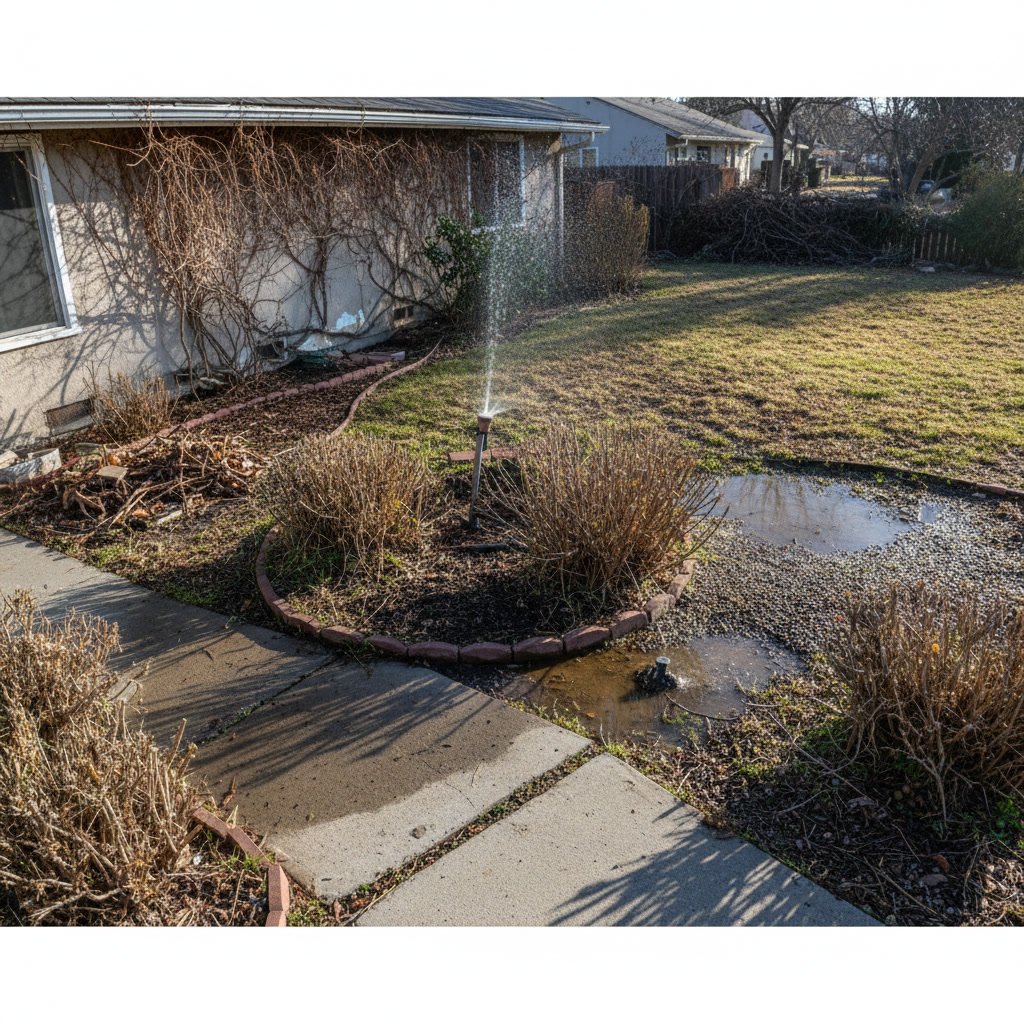
You should take photos of your property from multiple angles, including problem areas like drainage issues, dying plants, or unattractive features you want to address. These photos provide context and help the designer understand your concerns before they arrive.
If you have existing plans, surveys, or property documents that show lot lines, easements, or underground utilities, gather those as well. This information prevents costly mistakes during the design phase and ensures the final plan complies with local regulations.
Think about your budget range before the meeting. You don’t need an exact number, but understanding whether you’re planning a $5,000 refresh or a $50,000 complete overhaul helps the designer recommend appropriate materials and features during your landscape design consultation.
The Property Walkthrough and Site Assessment
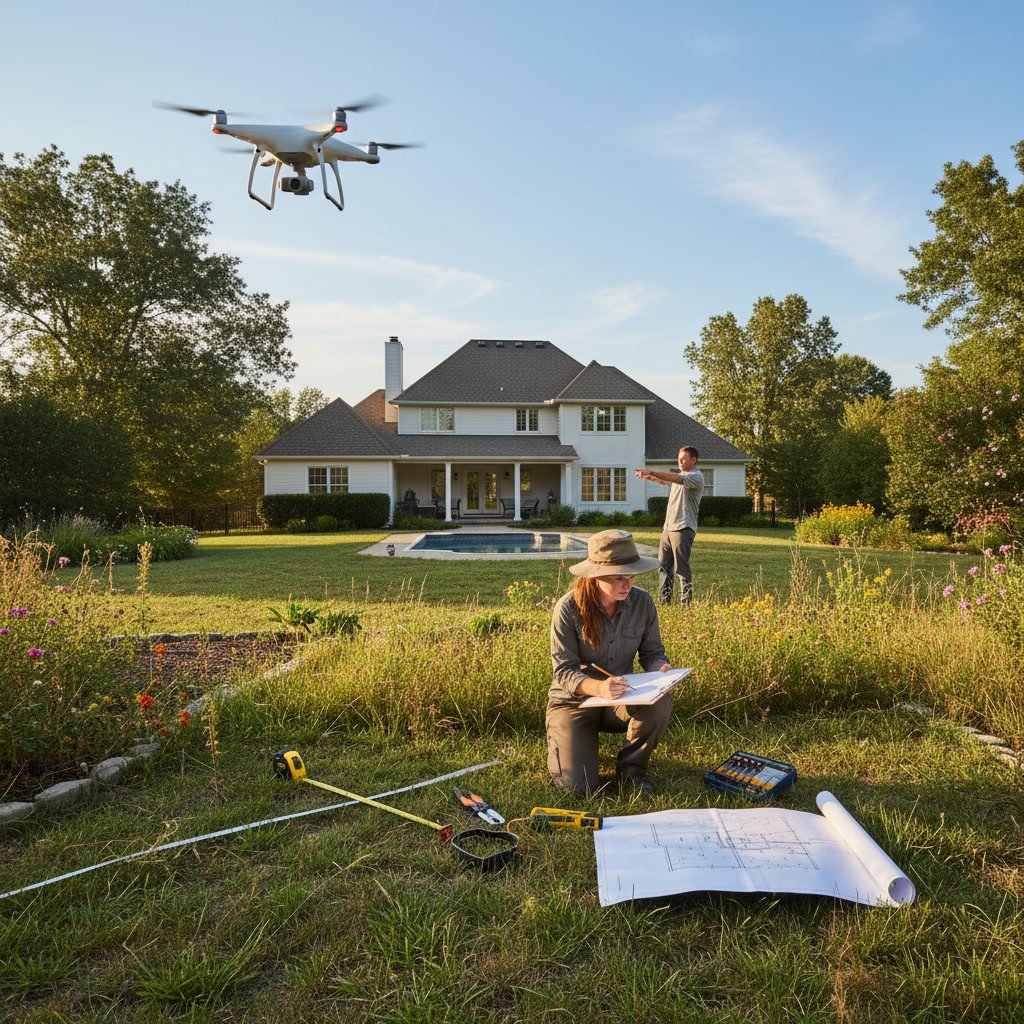
The consultation typically begins with a detailed walkthrough of your property. This isn’t a quick glance at the yard. A thorough site assessment can take 30 to 90 minutes depending on property size and project scope.
The designer will examine sun exposure patterns throughout the day, noting which areas receive full sun, partial shade, or full shade. This information determines which plants will thrive in each location and affects hardscape placement for patios or outdoor living spaces.
Soil conditions matter more than most homeowners realize. The designer may test soil drainage, note erosion patterns, and identify areas where poor soil quality could affect plant health or require amendment.
Existing features get evaluated for retention or removal. Mature trees, established shrubs, and current hardscaping are assessed for structural integrity, aesthetic value, and compatibility with your vision.
What Gets Measured and Documented
Professional designers take extensive measurements during the consultation. These include property dimensions, distances between existing features, grade changes and slopes, and locations of utility access points or irrigation systems.
Many designers now use digital measuring tools and photography to create accurate base maps. This technology speeds up the design process and reduces errors that can occur with manual measurements.
The assessment also includes noting drainage patterns, especially after rain events. Poor drainage causes more landscape problems than almost any other factor, so identifying these issues early prevents expensive fixes later.
The Discovery Conversation
While walking the property, the designer will ask detailed questions about how you use your outdoor space and what you want to achieve. This conversation shapes every design decision that follows.
Expect questions about who uses the space. A family with young children has different needs than empty nesters planning for retirement. If you entertain frequently, the design will incorporate gathering spaces and traffic flow considerations.
The designer will ask about specific features you want. Common requests include outdoor kitchens, fire pits, water features, privacy screening, play areas, vegetable gardens, or low-maintenance plantings.
Maintenance preferences matter significantly. Some homeowners enjoy weekend gardening projects, while others want a beautiful space that requires minimal upkeep. Your answer directly affects plant selection and outdoor landscape maintenance requirements.
Style and Aesthetic Preferences
Bring photos or examples of landscapes you admire. Pinterest boards, magazine clippings, or photos from neighborhood walks help designers understand your taste better than verbal descriptions alone.
Be specific about what you like in each example. Maybe you love the color palette but not the formal layout, or you appreciate the natural stone but prefer different plantings. These details guide the designer toward a result that matches your vision.
The designer may show you their portfolio during this conversation, pointing out completed projects with similar goals or constraints. This helps calibrate expectations and demonstrates their capability with projects like yours.
Understanding Your Site’s Opportunities and Constraints
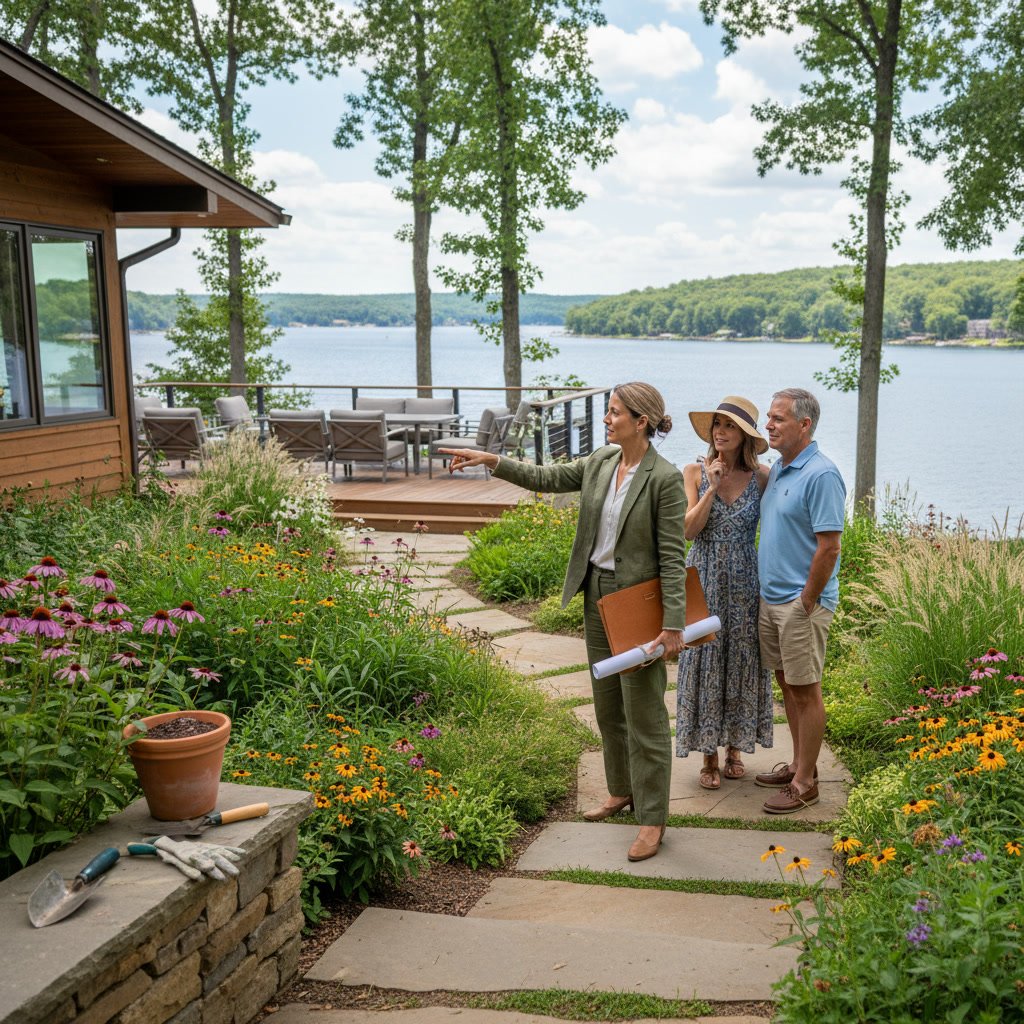
Every property has unique advantages and limitations that affect design possibilities. A professional landscape design consultation identifies these factors early, preventing disappointment later when certain ideas prove impractical.
Site constraints might include poor drainage requiring correction before planting, shallow bedrock limiting excavation for features like pools or deep-rooted trees, or easements restricting where permanent structures can be placed.
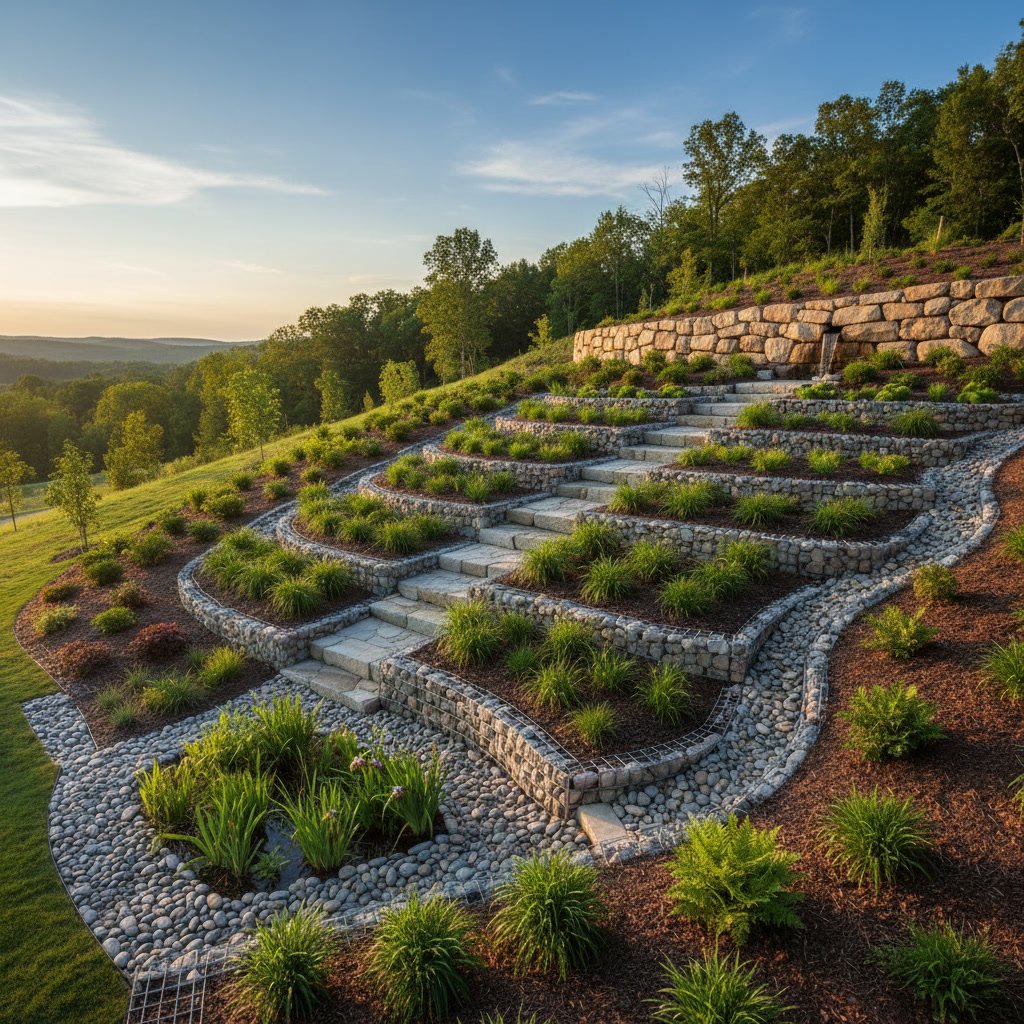
Opportunities might include beautiful mature trees that anchor the design, natural slopes perfect for terraced gardens, or existing hardscaping in good condition that can be integrated into the new plan.
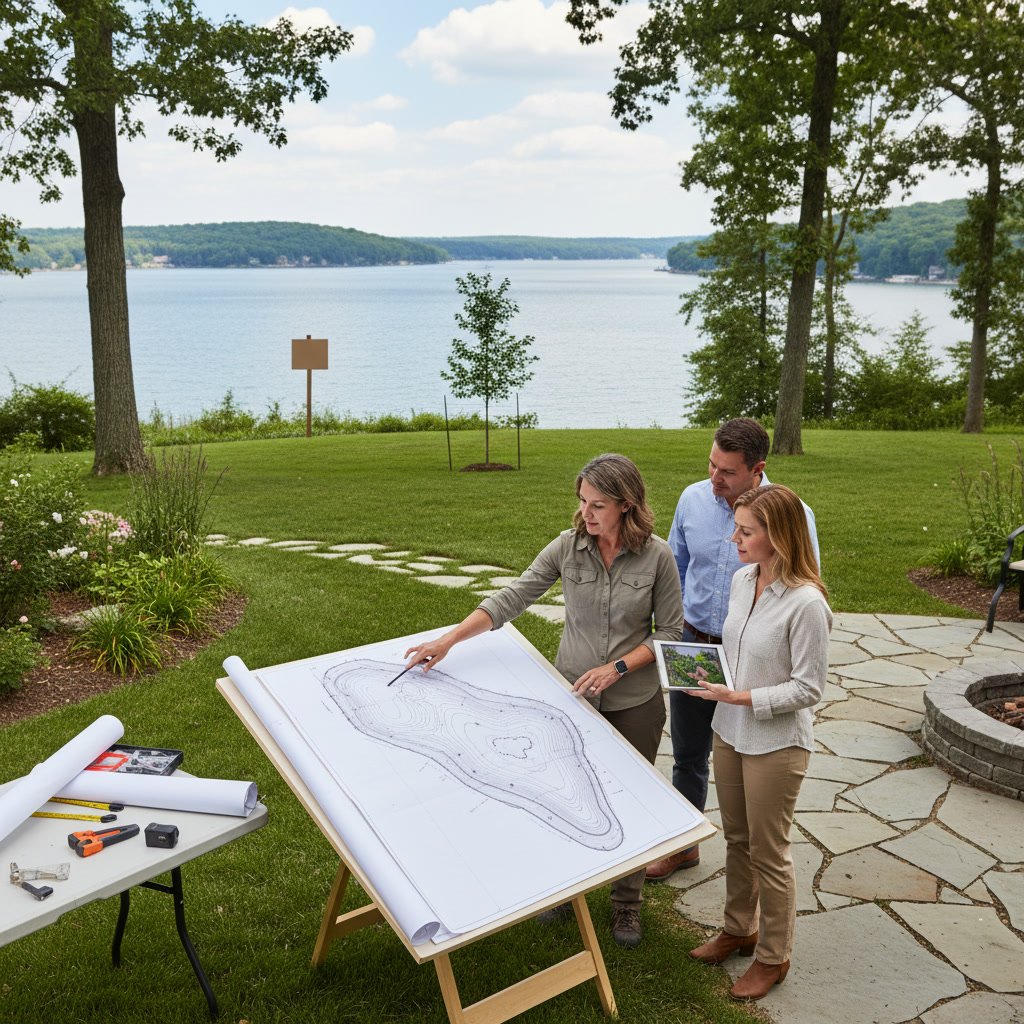
In Weatherby Lake, MO, proximity to the water often creates specific microclimates and soil conditions that experienced local designers know how to work with effectively.
Pro Tip: Ask the designer to explain both opportunities and constraints in detail. Understanding why certain ideas won’t work helps you focus energy on solutions that will succeed on your specific property.
Budget Discussion and Project Phasing
Good designers address budget realities during the consultation rather than creating dream plans you can’t afford. This conversation ensures the final design aligns with financial constraints while still achieving your goals.
The designer may break your wish list into priority tiers. Essential elements that address functional problems or provide the most impact come first. Nice-to-have features that can wait for future phases come later.
Phasing a project over multiple years makes large transformations more affordable. Year one might focus on hardscaping and structural elements, while year two adds plantings and finishing details.
Material choices significantly affect costs. The designer can show you options at different price points, explaining the trade-offs between economy and premium selections. Natural stone costs more than pavers, but it also lasts longer and often provides better resale value.
Be upfront about your budget range. Designers can’t create appropriate plans without this information, and vague answers waste everyone’s time. Similar to the process of choosing a lawn care provider, transparency about expectations and budget leads to better outcomes.
Timeline and Next Steps
Before the consultation ends, you should understand what happens next and when to expect deliverables. Professional processes include clear milestones and communication protocols.
Most designers provide a preliminary concept within one to three weeks after the consultation. This initial design shows overall layout, major features, and general plant groupings without excessive detail.
You’ll have opportunity to review the concept and request revisions. Most design contracts include one or two revision rounds before finalizing plans. Additional revisions beyond the included number typically incur extra fees.
Final design documents include detailed plans showing exact plant locations and species, hardscape specifications and materials, grading and drainage plans, lighting layouts if applicable, and estimated costs for installation.
Moving from Design to Installation
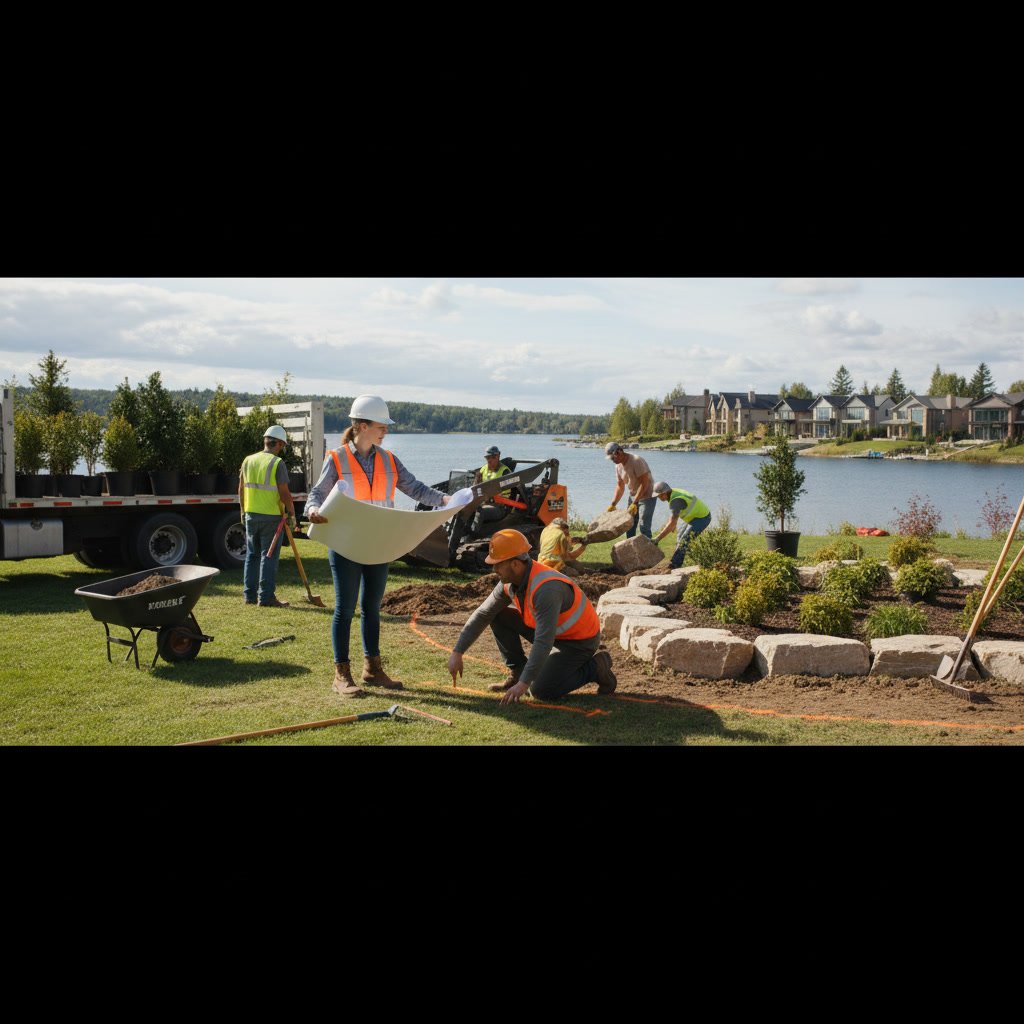
Once you approve the final design, the project moves into installation scheduling. Timing depends on project complexity, contractor availability, and seasonal considerations.
Some work is best done in specific seasons. Heavy grading and hardscape installation can happen almost any time, but planting has optimal windows in spring and fall. The designer will recommend timing that gives your landscape the best start.
Full-service providers like All Season Lawn and Landscaping LLC handle both design and installation, eliminating coordination headaches that occur when working with separate companies. One team manages your project from concept through completion.
Questions You Should Ask During Your Consultation
Prepared questions ensure you get complete information during the landscape design consultation. Don’t wait for the designer to volunteer every detail. Active participation leads to better results.
Ask about the designer’s experience with properties similar to yours. If you have challenging soil, steep slopes, or specific features like water gardens, you want someone who has solved those problems before.
Request references from recent clients with comparable projects. Speaking with past customers reveals how the designer handles communication, stays on budget, and manages unexpected issues.
Understand what’s included in the design fee versus what costs extra. Some designers include several revision rounds and detailed specifications, while others charge additional fees for these services.
Ask how the designer handles ongoing maintenance needs. The most beautiful landscape fails if you can’t maintain it. Understanding maintenance requirements before installation prevents buyer’s remorse. Discussing what professional maintenance includes helps you plan for long-term care.
Installation and Warranty Questions
If the same company handles installation, ask about their crew structure, project management approach, and typical timeline for projects like yours. You want to know who will be on your property and how long they’ll be there.
Understand warranty terms for both materials and labor. Reputable companies stand behind their work, but warranty details vary significantly between providers.
Ask about potential disruptions during installation. Will you have access to certain areas? How will they protect existing landscaping? Where will equipment and materials be staged?
How to Prepare Your Property
Taking a few steps before the consultation makes the process more productive and can even reduce design costs by providing clearer information upfront.
Mark any underground utilities, irrigation lines, or drainage systems you know about. Hitting these during installation causes expensive delays and repairs.
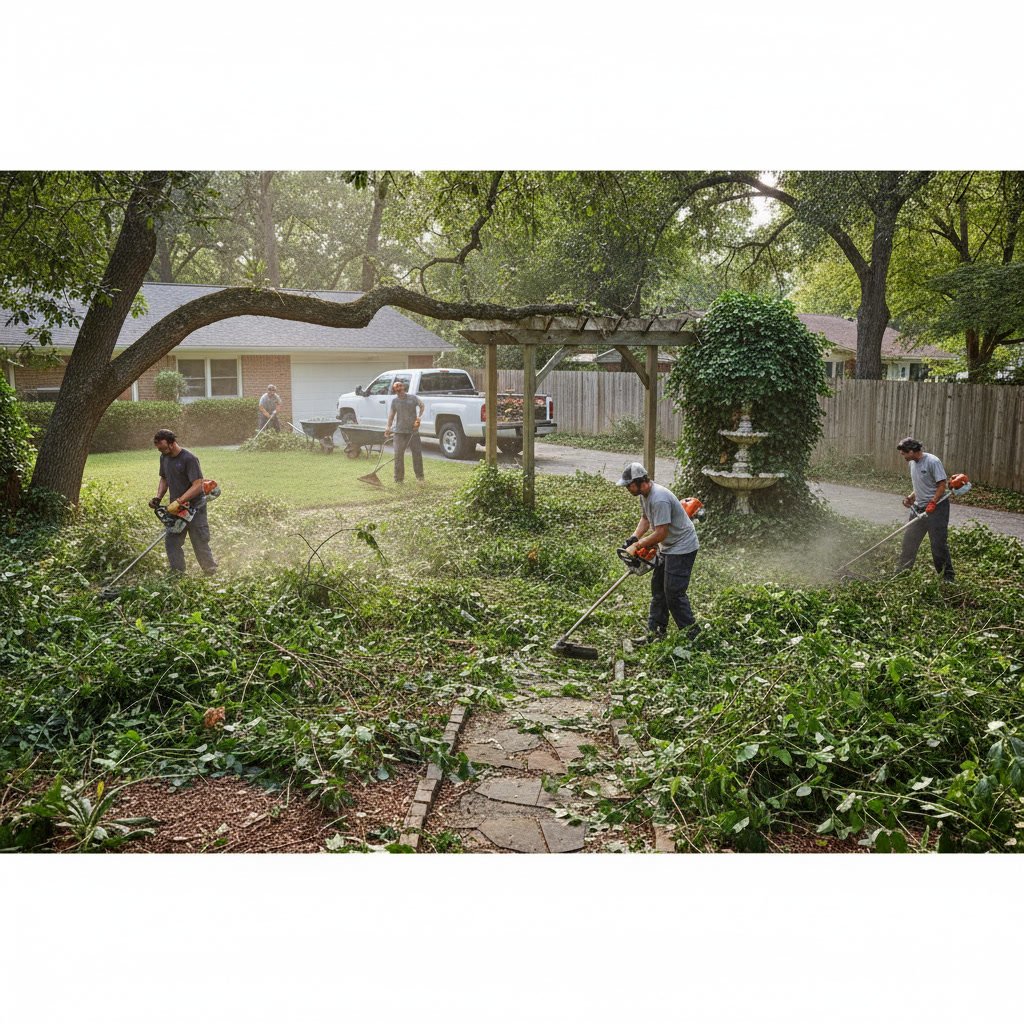
Clear access to all areas the designer needs to see. Trim back overgrown vegetation blocking pathways and move portable items like furniture, planters, or equipment that might obstruct measurements.
If you have pets, plan how to manage them during the consultation. Excited dogs or outdoor cats can make thorough site assessment difficult and unsafe.
Consider scheduling the consultation when all decision-makers can be present. If you share the property with a spouse or partner, having both people involved from the start prevents miscommunication and conflicting priorities.
Key Takeaway: The most successful landscape projects start with consultations where homeowners clearly communicate their vision, honestly discuss budget, and actively participate in problem-solving discussions with the designer.
What Makes Weatherby Lake Properties Unique
Properties in the Weatherby Lake area often present specific opportunities and challenges that affect landscape design decisions. Local designers familiar with the region account for these factors during consultations.
The lake proximity creates microclimates that affect plant selection. Areas near water often experience higher humidity and different temperature patterns than properties just a few blocks away.
Many Weatherby Lake properties feature sloped lots that provide water views but create drainage and erosion challenges. Experienced designers know how to work with these topographies to create functional, beautiful spaces that control water movement.
Local soil conditions vary significantly within small areas. Some neighborhoods have heavy clay that requires amendment and drainage solutions, while other areas feature different soil profiles requiring different approaches.
The same expertise applies to neighboring communities. Whether you’re in Parkville or Gladstone, working with designers who understand regional conditions produces better results than generic approaches.
Red Flags to Watch For
Not all landscape design consultations are created equal. Certain warning signs indicate you should look elsewhere for professional help.
Be cautious of designers who skip detailed measurements or spend less than 30 minutes on site. Rushed consultations lead to inaccurate plans that don’t fit your property or miss critical issues.
Watch for designers who dismiss your concerns or push their vision without considering your input. Good design is collaborative, balancing professional expertise with client preferences.
Avoid anyone who can’t or won’t discuss budget honestly. Designers who promise everything without understanding financial constraints waste your time and theirs.
Question consultations where the designer offers limited examples of past work or refuses to provide references. Established professionals have portfolios they’re proud to share.
Frequently Asked Questions
How much does a landscape design consultation typically cost?
Consultation fees range from free for basic assessments to $200-500 for detailed consultations with measurements and preliminary concepts. Many companies apply the consultation fee toward the project cost if you hire them for installation. The investment is worthwhile because proper planning prevents expensive mistakes and ensures your budget gets spent effectively.
How long does a typical landscape design consultation take?
Plan for 60 to 90 minutes for a thorough consultation on a standard residential property. Larger properties or complex projects may require two hours or more. The time includes the property walkthrough, discussion of your goals and preferences, preliminary problem-solving, and explanation of next steps.
Do I need a landscape design consultation for simple projects?
Even straightforward projects benefit from professional input. Designers spot drainage problems, soil issues, and utility conflicts that homeowners often miss until after installation begins. A consultation also ensures plant selections suit your site conditions and maintenance preferences, preventing the common mistake of choosing plants that look beautiful but fail in your specific environment.
What should I do if I disagree with the designer’s recommendations?
Ask the designer to explain their reasoning in detail. Often, recommendations that seem counterintuitive are based on technical knowledge about drainage, plant biology, or structural requirements. If you still disagree after understanding their perspective, good designers will work to find compromise solutions. However, if a designer recommends against something for safety or regulatory reasons, take that guidance seriously.
When is the best time of year to schedule a landscape design consultation?
You can schedule consultations any time of year, but each season offers different advantages. Spring and fall allow designers to see your property during optimal planting seasons. Winter consultations often mean more availability and let you see the property’s structure without foliage obscuring views. Summer shows which areas get intense sun exposure and heat stress. The best time is when you’re ready to start planning, regardless of season.
Getting Started with Your Landscape Design
A professional landscape design consultation provides the foundation for outdoor spaces that enhance your property’s beauty, functionality, and value. Understanding the process helps you prepare effectively, ask the right questions, and work collaboratively with designers to achieve results that exceed expectations.
The consultation is where possibilities become plans, vague ideas gain structure, and dreams of a better outdoor space start their journey to reality. Taking time to find the right designer and approaching the consultation as an active participant rather than a passive observer ensures your project starts on solid ground.
All Season Lawn and Landscaping LLC has provided professional landscaping services throughout Weatherby Lake and surrounding communities since 2008. Our design consultations combine technical expertise with practical understanding of local conditions to create landscapes that thrive in the Kansas City area. Call +18163633203 to schedule your consultation and start planning the outdoor space you’ve been imagining.